REVIEW · TUNIS
The Best of Tunisia, 3 Days Guided Tour with Lunch
Book on Viator →Operated by Didon tours · Bookable on Viator
One Medina, one Roman giant, and a mosque you’ll remember. This 3-day Tunisia route strings together UNESCO World Heritage sights with real local neighborhoods, plus easy pacing led by guides and drivers who show up ready to work. I especially love how Day 1 blends the Medina of Tunis with Carthage and the blue-and-white charm of Sidi Bou Saïd. On Day 2, the Great Mosque of Kairouan and El Djem’s amphitheater hit hard—in a good way.
The only thing to consider: three days means a lot of driving and some stops are time-limited. If you like lingering in one place for hours, you may wish for more time in the medinas and museums. Still, for most first-timers, this is a sharp, efficient way to see the best parts of Tunisia without playing taxi roulette.
In This Review
- Key highlights you’ll feel right away
- Why This Best-of-Tunisia Route Works (Even When You’re Tight on Time)
- Day 1 in Tunis and Carthage: Souks, Sea Breezes, and Sidi Bou Saïd
- Medina of Tunis: The maze you’ll actually enjoy
- La Goulette: A seaside break from monuments
- Carthage: When ruins feel like a city that used to talk
- Sidi Bou Saïd: Blue-and-white views with Ottoman and Andalusian style
- Day 2 in Kairouan and El Djem: The Mosque and the Roman Colosseum
- Great Mosque of Kairouan: Cedar doors, arcades, and that minaret silhouette
- Bassins Aghlabites: Water engineering from the 9th century
- Medina of Kairouan: A preserved, working version of the city
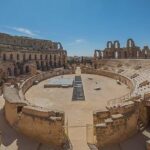
- El Djem amphitheater: The Roman giant in great condition
- Archaeological Museum of El Jem: Fill in the blanks before you leave
- Day 3 Along the Sahel: Hammamet, Sousse’s Medina, and Monastir’s Ribat
- Hammamet: Beach-town energy with a real medina feel
- Medina of Sousse: Coastal medina planning and piracy-era scars
- Ribat of Monastir: Watchtowers, prayer rooms, and warrior monks
- Monastir Marina: Finish with boats and a calmer tempo
- Lunch, Pickup, and Getting Around Without Losing the Day
- Value Check: What $494.77 Includes, and Where the “Good Deal” Comes From
- Who Should Book This (and Who Should Think Twice)
- Practical tips I’d use for this exact route
- Should You Book This 3-Day Best of Tunisia Tour?
- FAQ
- How long is the tour?
- What city does the tour start in, and when?
- Is pickup included?
- Is this tour private?
- Does the price include lunch?
- Are tickets or admissions included?
- Which UNESCO World Heritage sites are included?
- What’s the cost per person?
- Are service animals allowed?
- What happens if the weather is bad?
- How do I access tickets?
Key highlights you’ll feel right away
- UNESCO hits that are genuinely different: medieval medinas, Punic/Roman Carthage, Kairouan’s sacred core, and El Djem’s amphitheater.
- Strong guides and drivers named in reviews, including Fahmi with fluent English, plus Chouaib and Ahmed, and also Yousra and Saeed.
- Admissions built in for many major stops, so you’re not stopping every few minutes to buy tickets.
- Pickup plus a private setup for your group, which keeps the day from getting tangled.
- Lunch included so you’re not guessing where to eat between monuments.
- A realistic 3-day pace starting at 8:30 am, with enough variety to keep it interesting even on busy days.
Why This Best-of-Tunisia Route Works (Even When You’re Tight on Time)
Tunisia rewards slow travel. But if you only have a few days, you still want the right moments—not a scattershot drive-by. This tour does a smart job of stacking big-ticket sites with clear, iconic contrasts: North African medina life, coastal sea air, and then inland monuments that feel almost otherworldly.
What makes it practical is the structure. You start each day early (8:30 am), then you hit major sights with guidance and included admissions for many stops. That means less time figuring out entrances, ticket lines, and timing.
And you’ll notice the tour is designed for first-timers and short-stay explorers. You get the places you came for—Medina of Tunis, Carthage, Kairouan, El Djem, and Medina of Sousse—without needing to become a part-time archaeologist or historian on the bus.
You can also read our reviews of more guided tours in Tunis
Day 1 in Tunis and Carthage: Souks, Sea Breezes, and Sidi Bou Saïd
Day one has a classic “contrasts” flow. You go from medieval street life to waterfront energy, then into Carthage’s archaeological zone, and finally finish with the picture-perfect cliff village of Sidi Bou Saïd.
Medina of Tunis: The maze you’ll actually enjoy
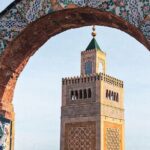
The Medina of Tunis is one of those places where you don’t just see sites—you get swept into the texture of daily life. Expect a sprawling network of ancient streets and alleys, covered souks, and artisans working as you pass. You’ll also notice the mix of commerce and worship: mosques, madrassas, hammams, and palaces scattered through the neighborhood.
Practical note: a “45-minute” block sounds short on paper, but the medina is built for drifting. Your guide’s value here is pacing you through the most meaningful lanes rather than letting you wander into the wrong dead ends. Comfortable shoes help because the medina is about walking, not standing still.
La Goulette: A seaside break from monuments
After the medina’s indoor labyrinth, La Goulette brings you back outdoors. This suburban district runs on sea-facing cafes and a steady flow of everyday activity. It’s a good reset—especially if you’ve been in sun-warmed stone all morning.
If you’re the type who likes small local meals (or just people-watching), this is your moment. You can keep it light and simply enjoy the sea breeze.
Carthage: When ruins feel like a city that used to talk
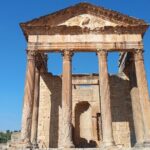
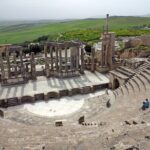
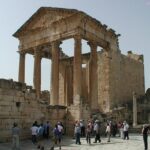
Then you move into Site Archéologique de Carthage, spread within today’s Carthage area. This is UNESCO-listed and famous for being tied to one of the Mediterranean’s big historical chapters. Expect an archaeological setting that feels grounded and real, not staged.
A time window of about 1 hour 20 minutes can work well here. You won’t see everything in exhaustive detail, but you’ll come away understanding why Carthage matters and how it links to the region’s older layers.
A few more Tunis tours and experiences worth a look
Sidi Bou Saïd: Blue-and-white views with Ottoman and Andalusian style
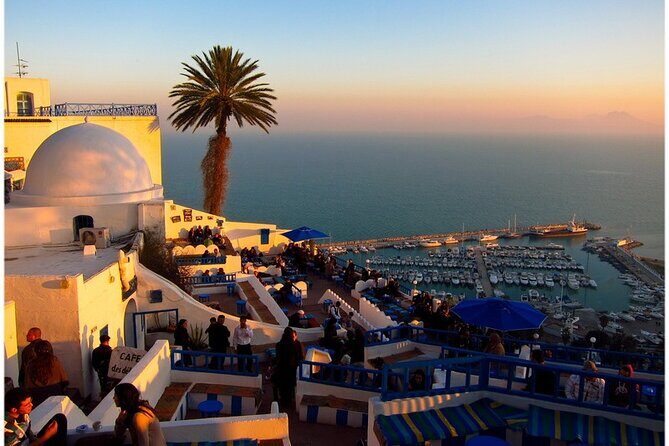
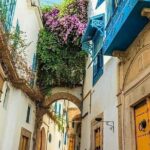
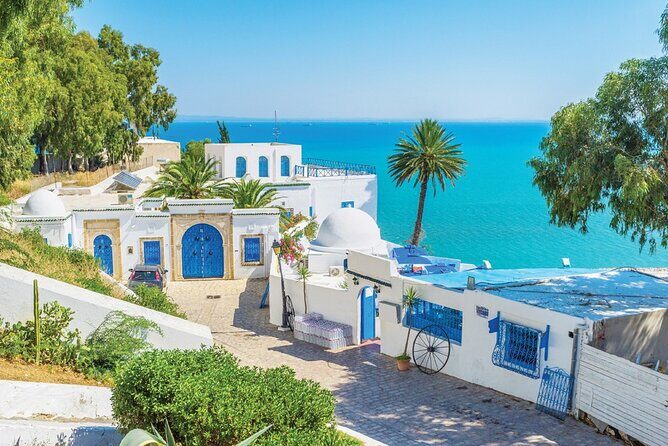
Finish the day with Sidi Bou Saïd, the cliff-top village known for its blue-and-white palette and cobbled lanes. The style is influenced by Ottoman and Andalusian architecture, shaped in part by the 16th-century arrival of Spanish Muslims.
This stop is also a visual reward. Even if your feet are tired, the streets and sea views help you feel like the day paid off. It’s about 45 minutes, so treat it as a stroll with camera stops rather than a long sit-down.
Day 2 in Kairouan and El Djem: The Mosque and the Roman Colosseum
If day one is about exploration and atmosphere, day two is about power. You start with sacred architecture, then move through historic waterworks and markets, then end with one of Africa’s most impressive Roman monuments.
Great Mosque of Kairouan: Cedar doors, arcades, and that minaret silhouette
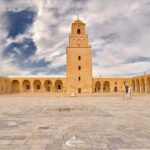
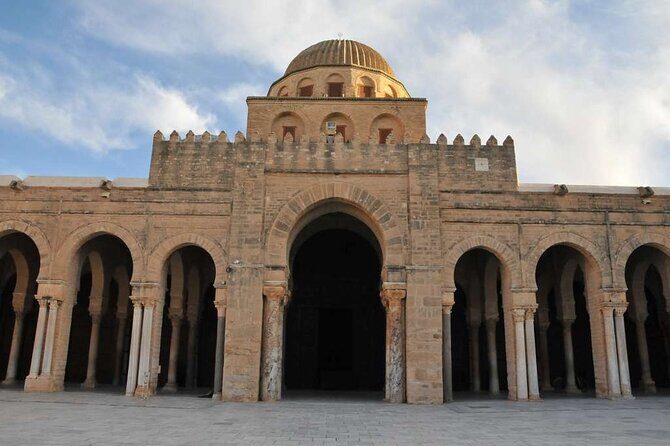
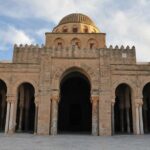
The Great Mosque of Kairouan is the symbol of the city. It’s one of the oldest and most beautiful mosques in the Maghreb, built in 670, and it’s tied to Kairouan’s religious prestige as the 4th holiest city in Islam.
Look closely at the details your guide points out: the minaret, the large courtyard, and the arcades. The cedar wood doors and marble columns in the prayer rooms are the kind of details you notice more once someone explains what you’re seeing.
Practical tip: dress respectfully, and keep a scarf in your day bag if you don’t already travel with one. Even if you’re just walking through, mosques are places with rules and expectations.
Bassins Aghlabites: Water engineering from the 9th century
Next are the Bassins Aghlabites, hydraulic works dating to the beginning of the second half of the 9th century. They’re outside the medina ramparts, and they’re considered some of the most important early hydraulic projects in the Muslim world.
This is one of my favorite types of stops: when you realize the past wasn’t just temples and battles. The basins show planning and engineering, and it adds variety after the mosque.
Medina of Kairouan: A preserved, working version of the city
Then you walk through the Medina of Kairouan, known as one of Tunisia’s most preserved and authentic medinas. Here you can check out souks and pick up local flavors. You’ll have a chance to taste pastries of Kairouan, including Les Mekroudhs, and see carpets made in an artisanal way.
Time is about one hour, so don’t expect a full shopping spree. Think of it as sampling and orientation—get a sense of how daily life works here, then buy only what you genuinely want to carry.
El Djem amphitheater: The Roman giant in great condition
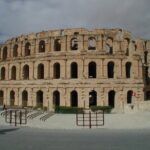
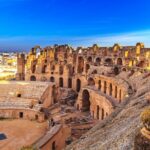
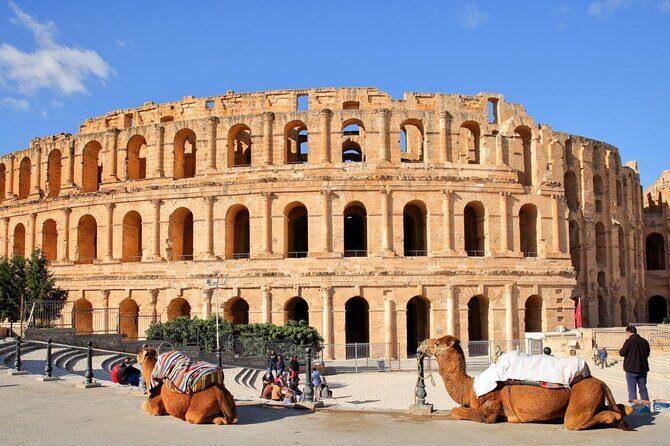
In El Djem, the amphitheater is the headliner. It’s a Roman monument founded in the 3rd century AD and UNESCO-listed since 1972. It can host around 30,000 spectators and is famous as one of the largest Roman amphitheaters outside Rome.
This is the stop where your brain goes quiet in the best way. The scale is real. Even with a 1 hour 20 minute visit, you’ll have time to understand how it was built and why it still feels enormous.
Archaeological Museum of El Jem: Fill in the blanks before you leave
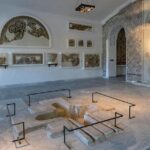
After the amphitheater, the Archaeological Museum of El-Djem helps connect the dots. The museum sits near the ancient city of Thysdrus and was founded in 1970, renovated in 2002. It’s designed around a Roman villa layout, with rooms arranged around a courtyard and peristyle.
You’ll see objects from excavation campaigns—sculptures, mosaic pieces, and ceramics. This is a good last stop because it turns what you saw outdoors into a story you can keep in your head.
Day 3 Along the Sahel: Hammamet, Sousse’s Medina, and Monastir’s Ribat
Day three keeps the historic theme but shifts toward coastal towns. Expect a mix of resort life, old-town streets, and defensive architecture that shows how this coast was protected.
Hammamet: Beach-town energy with a real medina feel
Start in Hammamet, described as a bustling resort in summer, but also a smaller town with its own character. You’ll see a sea of turquoise, jasmine scents, and white houses near ramparts. The medina is lined with fine sand, which gives it a slightly different mood than most inland medinas.
This is about one hour, so use it for first impressions. If you want beaches, you’ll likely plan your own extra time later. For this tour, Hammamet is a taste.
Medina of Sousse: Coastal medina planning and piracy-era scars
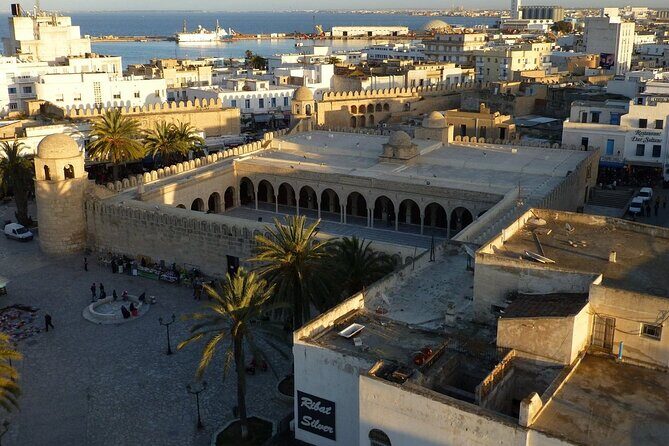
Next is the Medina of Sousse, a UNESCO-listed historic ensemble and a great example of Arab-Muslim town planning in a coastal city. Its story is tied to its exposure to piracy and danger from the sea, which you can feel in the way defenses and layout seem to matter.
You’ll have about one hour here. It’s enough time to appreciate the overall design and walk a few key lanes without rushing yourself into exhaustion.
Ribat of Monastir: Watchtowers, prayer rooms, and warrior monks
Monastir’s Ribat (Ribat of Monastir) is a striking defensive structure along the Maghreb coast. Founded in 796 and renovated over medieval periods, it originally had a quadrilateral shape with buildings overlooking two interior courtyards.
The story includes “warrior monks” who handled military duties and devoted themselves to prayer and contemplation. The ribat has two prayer rooms, and a hundred spiral steps lead up toward a watchtower.
In a short visit, this is the kind of place where you quickly understand why fortifications were more than walls—they were routines and systems.
Monastir Marina: Finish with boats and a calmer tempo
Finally, you end with Monastir Marina, described as a port of call, passage, wintering, and regattas. It’s only about 30 minutes, but it gives you a gentle landing after stone monuments and museum rooms.
It’s a nice way to break the day’s intensity and let your brain switch from history mode back to vacation mode.
Lunch, Pickup, and Getting Around Without Losing the Day
This is a guided, private setup with pickup offered and a start time of 8:30 am. That matters because early starts are the difference between seeing places with some breathing room versus arriving when the day turns loud and hot.
You also get lunch included. The important part here isn’t just that lunch exists; it’s that you don’t lose time negotiating your own food stop between UNESCO sites. You can keep moving without feeling like your day is split into “tour mode” and “figure out dinner” mode.
Because the stops include several admission tickets, you’ll spend less time handling logistics. The free stops (like La Goulette, Sidi Bou Saïd, and Hammamet, as listed) still give you room to wander, snack, and take photos.
Private group tours also help with flow. Your guide can adjust pacing to your group’s comfort level—especially in the medinas, where the walking can be deceptively constant.
Value Check: What $494.77 Includes, and Where the “Good Deal” Comes From
At $494.77 per person for three days, this tour is competing with the cost of doing these sights independently while also paying for transport, a guide, and multiple admissions. The “value” isn’t just the ticket price—it’s the friction reduction.
Here’s what you’re effectively buying:
- A guided route that hits major UNESCO targets in a sensible order.
- Pickup and a driver to handle travel time between cities.
- Admissions included for many stops, so you’re not constantly planning ticket purchases mid-trip.
- Lunch included, which saves you both time and decision fatigue.
Yes, some sites are time-boxed. You might feel some stops get less attention than others. But you still cover a lot of ground that’s hard to coordinate well on your own, especially if you want your day to feel coherent rather than chopped up.
And the reviews align with this: the big win is how smooth the whole experience feels when a reliable driver and guide handle the pace. Names like Fahmi with fluent English, Chouaib, Ahmed, and Saeed show up in positive notes, which is a strong sign you’re not left on your own with a tired map and unclear directions.
Who Should Book This (and Who Should Think Twice)
This tour fits best if you:
- Want an efficient first pass at Tunisia’s top UNESCO sites in three focused days.
- Like having someone else manage the schedule while you focus on walking, looking, and asking questions.
- Appreciate a mix of religious architecture, archaeology, and everyday medina life.
It might not be ideal if you:
- Want long, slow time in one place (for example, hours in a single medina or extended museum time).
- Prefer minimal driving and fewer stops per day.
- Get frustrated easily when a visit moves from one highlight to another.
Also, the tour requires good weather. If skies look rough, it could be adjusted or refunded based on the weather decision.
Practical tips I’d use for this exact route
- Wear shoes you trust for medina streets. You’ll walk more than you think.
- Bring a light layer and something to cover your shoulders for mosque visits.
- Pack water and quick snacks for in-between breaks. Lunch is included, but medina walking can stretch your appetite.
- Use the guide time wisely at Carthage and El Djem. Those places reward explanation because the ruins and architecture can look confusing without context.
- If you want photos in Sidi Bou Saïd, plan to slow down there. The best shots tend to require a short pause, not a sprint.
Should You Book This 3-Day Best of Tunisia Tour?
I think it’s a strong pick if you want Tunisia’s headline UNESCO sites with organized logistics and a guide team that earns its keep. The route gives you a real blend: Medina of Tunis, Carthage, Kairouan’s sacred center, El Djem’s Roman scale, and then coastal history around Sousse and Monastir.
Book it if you’re the kind of traveler who likes getting a lot done without feeling rushed. Skip it—or plan something more flexible—if you want long stays in fewer places.
For most short-stay visitors, this one is a smart way to see the best of Tunisia fast, with fewer headaches and more “wow, that’s exactly what I hoped for” moments.
FAQ
How long is the tour?
The tour runs for 3 days (approx.).
What city does the tour start in, and when?
It starts in Tunis, with a start time of 8:30 am.
Is pickup included?
Yes, pickup is offered.
Is this tour private?
Yes. It’s a private tour/activity, and only your group will participate.
Does the price include lunch?
Yes, it’s described as a guided tour with lunch.
Are tickets or admissions included?
Many stops include admission tickets. Some stops are listed as admission ticket free (like La Goulette, Sidi Bou Saïd, and Hammamet), while others include admission.
Which UNESCO World Heritage sites are included?
The tour includes UNESCO World Heritage sites including the Medina of Tunis, Carthage, the city of Kairouan, El Djem’s amphitheater area (Thysdrus), and the Medina of Sousse.
What’s the cost per person?
The price is $494.77 per person.
Are service animals allowed?
Yes, service animals are allowed.
What happens if the weather is bad?
This experience requires good weather. If it’s canceled due to poor weather, you’ll be offered a different date or a full refund.
How do I access tickets?
The tour uses a mobile ticket.