REVIEW · TUNIS
Bardo Museum- The ruins of Carthage- Village of Sidi Bou Said
Book on Viator →Operated by TUNISIVISION · Bookable on Viator
Four UNESCO stops make one tidy day. This private Tunis circuit pulls you from the National Bardo Museum into the ruins of Carthage, then on to the blue-and-white charm of Sidi Bou Said and finally the Medina’s old streets. I love how the day is guided end-to-end with a professional guide plus a private car and driver, so you spend less time figuring things out and more time looking closely. I also love that you get ticket structure that makes planning easy: Bardo and the Medina include admission, while Carthage and Sidi Bou Said are free stops. One possible drawback: it’s an around-8-hour day with a moderate fitness level expected, and lunch isn’t included.
At the center of it all is time spent with context. You don’t just see mosaics and ruins from a distance; the day is built around meaning—Bardo’s Tunisia history in a former 19th-century beylical palace, Carthage’s Punic heart on Byrsa Hill, and the Medina as a best-preserved Arab-Muslim city with major sites like Zitouna Mosque. The pacing is efficient, with about two hours per major stop, and that helps you actually enjoy each place instead of rushing through everything at once.
What really made this feel smooth is the human touch. In my kind of travel day, the best guide is the one who adjusts when you need it—like when you want to eat earlier at a seafood spot with a view—and keeps the schedule steady anyway. If you’re the sort of traveler who likes both the big famous sites and the moments in between (street corners, viewpoints, quiet time), you’ll likely enjoy this route a lot.
In This Review
- Key highlights you’ll feel immediately
- A full Tunis day that actually makes sense
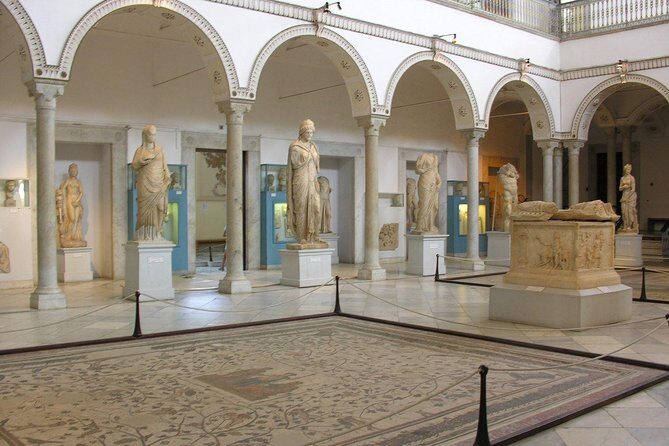
- The National Bardo Museum: Tunisia’s story inside a beylical palace
- Carthage on Byrsa Hill: Punic center and the Saint-Louis silhouette
- Sidi Bou Said: a sea-view balcony in blue and white
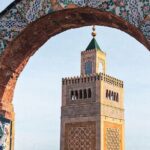
- The Medina of Tunis: Souk El Atarine, Kasba Place, and Zitouna Mosque
- Price and logistics: why $152.69 feels fair
- How the 8-hour pace feels (and how to plan for it)
- Who this tour is best for
- Should you book this Bardo–Carthage–Sidi Bou Said–Medina circuit?
- FAQ
- What’s the duration of the tour?
- How much does the tour cost?
- Is pickup offered?
- Is this tour private?
- What is included in the price?
- Are tickets included for all stops?
- Is lunch included?
- What should I bring for the day?
- Is there free cancellation?
- What kind of physical fitness level is needed?
Key highlights you’ll feel immediately
- Private car and driver all day means fewer headaches between stops
- Bardo Museum in a beylical palace gives the history added atmosphere
- Carthage’s Byrsa Hill + Saint-Louis cathedral silhouette is a striking combo
- Sidi Bou Said’s blue-and-white village look is built for great photos and slow wandering
- Medina focus on Souk El Atarine, Place de la Kasba, and Zitouna Mosque keeps you on the right streets
- Admission included where it matters (Bardo and the Medina) keeps costs simple
A full Tunis day that actually makes sense
This tour is designed as a straight-line day through Tunisia’s most rewarding contrasts. You start in Tunis with culture inside the National Bardo Museum, then jump to the ancient layers at Carthage, and finish with the living city—Sidi Bou Said’s shoreline views and the Medina’s old-city spine.
I like that the day has built-in structure. Four major stops, about two hours each, and a professional guide throughout. If you’ve ever spent a day bouncing between places on your own, only to lose time at ticket lines or getting turned around in local streets, you’ll appreciate how this is handled: the vehicle takes you between neighborhoods, and the guide keeps the flow steady.
The other practical win is value. The price is $152.69 per person, and you’re not just paying for transport. You get an air-conditioned vehicle, bottled water, parking fees, and professional guidance, plus admission included at two of the stops. That’s the difference between a sightseeing checklist and a guided day you can enjoy without doing math in your head all afternoon.
You can also read our reviews of more museum experiences in Tunis
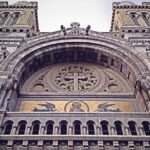
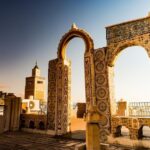
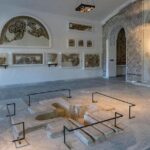
The National Bardo Museum: Tunisia’s story inside a beylical palace
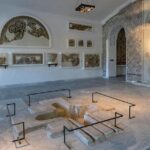
Bardo is where the day earns its depth. The National Bardo Museum sits in a former 19th-century beylical palace, which means the building itself adds weight to what you’re seeing. Inside, the collections trace a large part of Tunisia’s history—so you get more than a pile of artifacts. You get a timeline you can hold in your head while the rest of the day shows you what that history looks like outdoors.
Plan to spend the full stretch here. The stop is about two hours, and that’s enough time to see the highlights without feeling like you’re speed-walking. The museum can also help you appreciate Carthage later. When you’ve already built a bit of context, the ruins don’t feel random—they feel connected.
Possible drawback? Museums can be mentally tiring when you stack them back-to-back. Because this tour keeps the day structured, you’re not forced into skipping lunch or rushing through the next stop to catch your breath. Still, if you’re sensitive to long indoor stretches, you’ll want comfortable shoes and a calm pace while you’re inside.
Carthage on Byrsa Hill: Punic center and the Saint-Louis silhouette
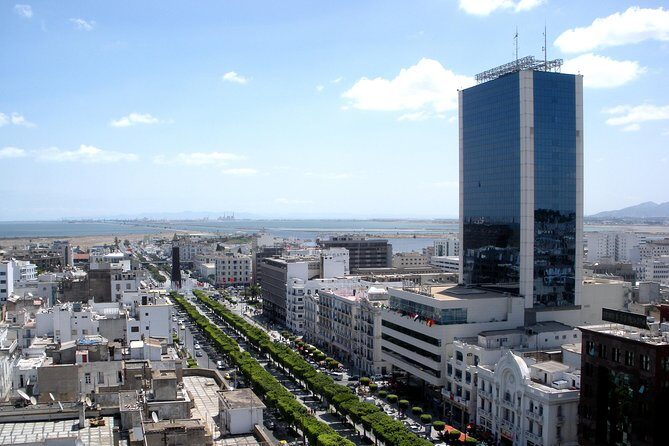
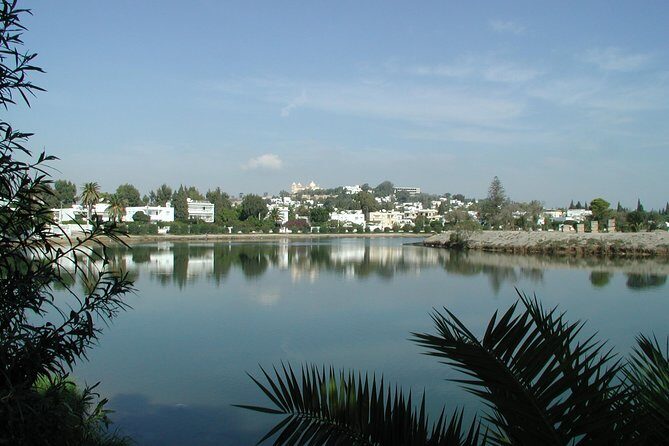
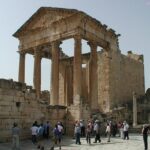
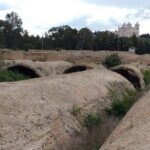
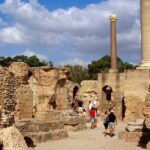
Next up is Carthage, a UNESCO World Heritage site since 1979. Carthage is on the outskirts of Tunis, and the big idea here is that you’re looking at archaeological remains tied to a city’s power center—Byrsa Hill, which was the center of the Punic city.
One of the most distinctive things you’ll notice is the skyline moment: the massive silhouette of the Saint-Louis cathedral at the top. Even if you’re not focused on architecture, that visual marker helps you orient yourself. It also makes Carthage feel less like flat rubble and more like a place that once had structure and meaning.
The stop is about two hours, and it’s designed so you can walk the site at a good pace with your guide explaining what you’re seeing. Carthage’s ticket is free for this tour, which is a nice bonus because it reduces the number of decisions you have to make during the day.
A consideration: ruins travel is all about footing and patience. Some areas can be uneven, and you’ll likely do more walking than you expect from a “two-hour” label. If you have moderate stamina (the tour calls for that), you should be fine—but bring shoes you trust.
Sidi Bou Said: a sea-view balcony in blue and white
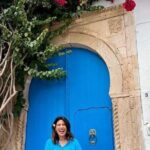
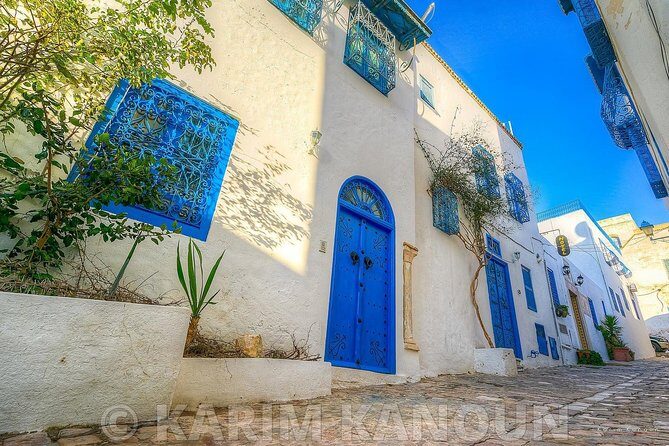
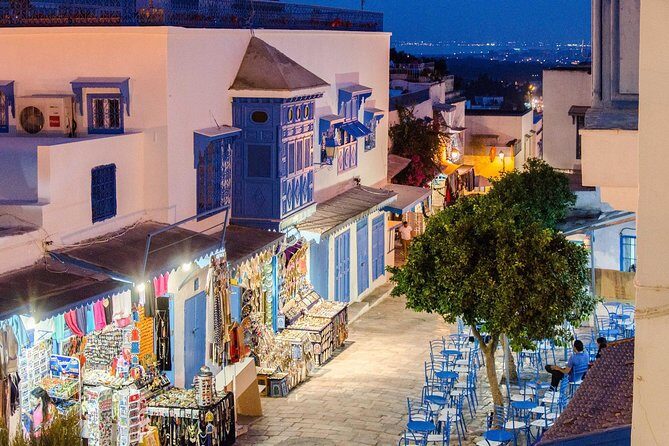
After ancient ruins, Sidi Bou Said feels like a change in rhythm. This is the kind of village that instantly looks like a postcard—blue and white architecture, narrow streets, and that signature sea-view feeling.
The tour description calls it a balcony overlooking the sea, and that’s exactly the vibe you’re going for. You’ll have about two hours here, which is the right amount of time to slow down, take photos, and just enjoy the atmosphere without feeling trapped on a guided march.
Because admission is free for Sidi Bou Said on this circuit, you get the beauty without the added “what’s the cost of the next ticket?” stress. It also works as a mental break before you return to the energy of Tunis’s old streets.
The only real drawback is that Sidi Bou Said’s charm can tempt you into over-scheduling yourself. This is one of those places where it helps to pick a viewpoint or two, wander without rushing, and then come back to the main flow when your guide signals it’s time. Two hours goes quickly if you keep stopping for pictures at every corner.
The Medina of Tunis: Souk El Atarine, Kasba Place, and Zitouna Mosque
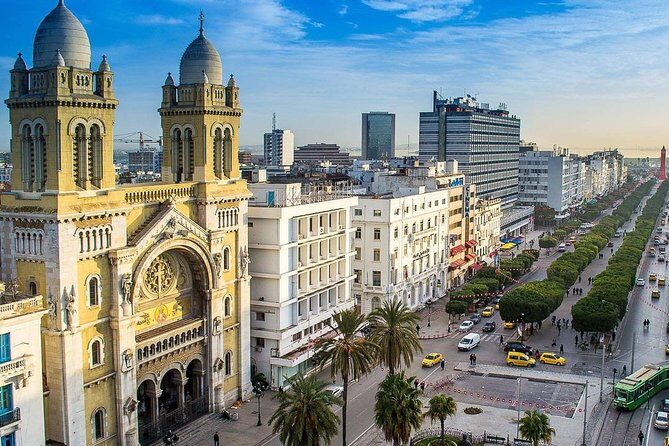
The Medina is the living finale. It’s described as the historic heart of Tunis and noted as one of the best-preserved Arab-Muslim cities, listed as UNESCO World Heritage since 1979. This is where the day turns from monuments and ruins into daily life and real streets.
Your time here is guided, and the focus points are practical and high-impact:
- Souk El Atarine
- Place de la Kasba
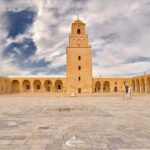
- Mosque of Zitouna (also called the Olive Tree), including its place as the second mosque built in Ifriqiya and the second largest in Tunisia after the Great Mosque of Kairouan
I like that these are named anchors. Markets can be overwhelming when you’re on your own, and you end up walking in circles. With these points in mind, the maze becomes understandable—you’re moving toward places, not just drifting.
Admission for the Medina portion is included, which simplifies budgeting for one of the biggest parts of the day. You’ll have about two hours here, and that’s long enough to get a real sense of the old city without needing a full-day commitment.
A consideration: medina walking can be more tiring than you expect. Even with a guide keeping you on track, you’ll be moving through uneven streets and crowd flow. If you’re doing this in a heat-heavy season, go slow, sip water, and take breaks when your guide gives you the moment.
Price and logistics: why $152.69 feels fair
Let’s talk value. The tour is $152.69 per person and lasts about 8 hours. That price can sound like a splurge if you compare it to grabbing taxis and buying tickets yourself.
But here’s what you’re actually getting included:
- Air-conditioned vehicle
- Bottled water
- Parking fees
- Professional guide
- Admission included at the National Bardo Museum
- Admission included for the Medina of Tunis
- Carthage and Sidi Bou Said stops with admission-free entry on this circuit
- Pickup offered
- Group discounts
- Private format: only your group participates
The big value is the guide + transportation combo. It’s not just someone pointing. It’s someone keeping the day coherent—explaining what you’re seeing at each stop, helping with timing, and making sure you’re not wasting hours trying to connect dots in Tunis.
Also, the private setup matters more than people think. It means you can move at a pace that matches your group. In the experience’s standout feedback, the guide was described as accommodating and helped arrange early lunch at a seafood restaurant with a view. That’s a classic sign of a good guide: you’re not locked into a rigid plan that ignores what you need.
How the 8-hour pace feels (and how to plan for it)
This is not a rushed “drive-by” day, but it is a full day. With roughly two hours at each stop—Bardo, Carthage, Sidi Bou Said, and the Medina—you’ll have time to enjoy each place without feeling like you’ve just arrived when it’s time to leave.
Here’s the rhythm I’d recommend you follow in your head:
1) Start structured and energetic with Bardo.
2) Use Carthage to make the history visual.
3) Spend Sidi Bou Said as your decompression window—slow down.
4) Finish with the Medina, when your guide helps you read the street-level city.
You’ll want to plan for food. Lunch is not included. Coffee and/or tea aren’t included either, and alcohol isn’t included. Bottled water is provided, which helps keep you comfortable through walking and waiting time.
If you’re the kind of traveler who likes an early meal, this tour’s format tends to work well for that. One of the review highlights was exactly that: the guide helped get lunch earlier at a seafood place with a view. That kind of flexibility is worth its weight, especially on a day that’s otherwise very structured.
Who this tour is best for
This fits best if you want a guided day with minimal friction. It’s ideal for:
- First-timers to Tunis who want a reliable route without figuring out logistics
- People who like ancient history but also want a beautiful, photogenic village and a real urban finish
- Travelers who appreciate named stop points in the Medina, not just wandering
It’s also good for groups that benefit from pace control. Since it’s private for your group, you’re not stuck with other people’s habits.
The tour asks for moderate physical fitness. That doesn’t mean it’s a hardcore hike day, but it does mean you should expect walking in museums, ruins, village streets, and the Medina. Comfortable walking shoes are the simple answer.
Should you book this Bardo–Carthage–Sidi Bou Said–Medina circuit?
If you want one day that covers major Tunis highlights in a way that feels organized, I’d say yes—especially if you value a professional guide, smooth transportation, and included admissions at key spots.
Book it if:
- You like seeing Tunisia’s story in sequence, from museum context to archaeological remains to the living city
- You want Sidi Bou Said for its blue-and-white views without spending time on planning
- You don’t want to assemble your own plan across four major areas
Skip it if:
- You prefer a slower, half-day style with lots of free time and minimal structure
- You dislike full-day schedules where lunch isn’t included and you’ll need to plan your own meal stop
For most travelers, the strongest selling point is the way the day is held together: guide throughout, private car all day, and a smart mix of history and place.
FAQ
What’s the duration of the tour?
The experience runs for about 8 hours.
How much does the tour cost?
The listed price is $152.69 per person.
Is pickup offered?
Yes, pickup is offered.
Is this tour private?
Yes. Only your group will participate.
What is included in the price?
Included items are an air-conditioned vehicle, bottled water, parking fees, and a professional guide. Admission is included for the National Bardo Museum and for the Medina of Tunis.
Are tickets included for all stops?
Admission is included for the National Bardo Museum and the Medina of Tunis. Carthage and Sidi Bou Said are listed as admission free for this experience.
Is lunch included?
No. Lunch is not included.
What should I bring for the day?
Wear comfortable shoes for walking through museum areas, ruins, village streets, and the Medina. Bottled water is provided.
Is there free cancellation?
Yes. You can cancel up to 24 hours in advance for a full refund.
What kind of physical fitness level is needed?
The tour notes a moderate physical fitness level.