REVIEW · TUNIS
Private Excursion to Testour, Dougga and Bulla Regia from Tunis.
Book on Viator →Operated by Didon tours · Bookable on Viator
A day like this hits two eras at once. You start in Testour, shaped by Andalusian/Moorish architecture, then spend the bulk of your time walking through two of Tunisia’s most important archaeological sites: Dougga and Bulla Regia. I love how the route keeps switching scales—from a small town with a striking mosque minaret to UNESCO-listed Roman streets you can still picture.
One possible drawback: this is a long day with lots of walking on uneven ground, and at Dougga you may face steep, rough stairs.
What really makes it work is the private format and the way guides turn the sites into something you can understand fast. I also like that admission tickets are included for Dougga and Bulla Regia, so you’re not juggling cash or last-minute ticket hunting while you’re already in ancient-country mode. The other thing to consider is that Testour time can feel short, especially if you’d hoped for a longer, deeper wander in town.
Key Takeaway: If you want Roman North Africa with fewer crowds and a real guide in your ear, this is a smart use of one day from Tunis.
In This Review
- A Private Day With Testour, Dougga, and Bulla Regia
- What I’d Do First: Prioritize the Morning Start
- Testour’s Andalusian Mosque and the Minaret Clock Detail
- Dougga: UNESCO Roman City Walk Through the Public World
- Bulla Regia: Underground Houses, Religious Buildings, and Big Story
- Driving Time and the Comfort Factor (Yes, It Matters)
- The Value Math: $127.95 for a 3-Site Archaeology Day
- Who This Tour Suits Best (and Who Might Want Something Else)
- A Few Smart Tips Before You Go
- Should You Book This Testour-Dougga-Bulla Regia Private Trip?
- FAQ
- How long is the excursion?
- What time does the tour start?
- Is pickup included?
- Is it a private tour?
- Are admission tickets included?
- Which sites are visited?
- Does the tour require good weather?
- What’s the cancellation window for a full refund?
- Are service animals allowed?
- Is the tour difficult?
A Private Day With Testour, Dougga, and Bulla Regia
This isn’t a “drive-by” tour. It’s structured for the big moments: an architecture stop in Testour, then two archaeological powerhouses where you’ll recognize the layout of Roman public life—forums, baths, theaters, temples—without needing a degree in archaeology to follow along.
And yes, the guides make a difference. On this route you may be led by people like Chaouki, Rabia, Yahya, Iskander, or Yosra, who are repeatedly described as strong at explaining what you’re seeing. One guide even timed things so the group was essentially alone in key areas, which turns photos and pacing from fine to memorable.
What I’d Do First: Prioritize the Morning Start
The tour starts at 8:00 am, and that early departure matters more than you think. The farther you go from Tunis, the more the day depends on light, heat, and your own energy level for stairs and uneven pathways.
If you’re coming from the city, wear shoes you’d trust on cobbles and rocky steps. One comment pointed out that the hiking at Dougga can be a bit steep with uneven stairs. That doesn’t make it impossible for most people, but it does mean good footwear is a real quality-of-life decision.
You can also read our reviews of more private tours in Tunis
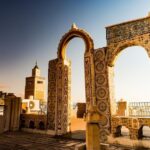
Testour’s Andalusian Mosque and the Minaret Clock Detail
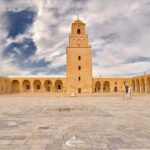
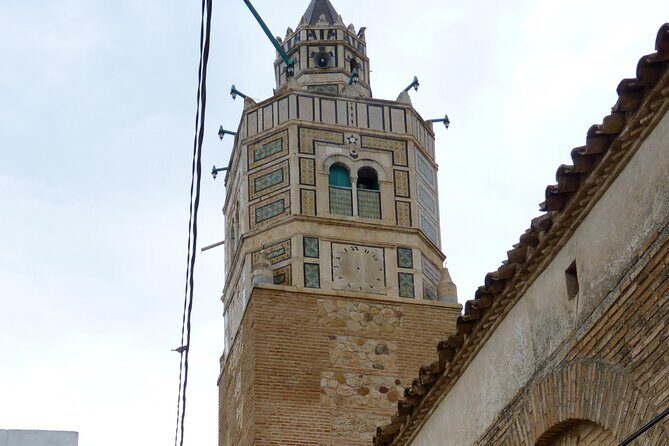
Testour is the palate cleanser before the Roman cities. It’s an Andalusian/Moorish-founded town from the early 17th century, and it shows in the architecture rather than big “attraction” vibes.
Here’s what makes the Grand Mosque stop interesting in a practical, visual way:
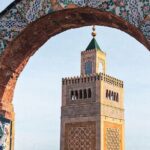
- The minaret is about 23 meters tall and octagonal in shape.
- The façade has small double windows with glazed inscriptions.
- At the top is a mechanical clock whose hands turn counterclockwise.
The description also notes a resemblance to Aragonese bell towers from southern Spain. So if you like that cross-Mediterranean feeling—how styles travel and get adapted—this stop scratches that itch.
One consideration: some people felt the Testour portion moved quickly, with the mosque time feeling brief. If you’re the type who likes to linger with architecture, you might want to go into the tour expecting the mosque as the headline, not an hours-long deep exploration of every alley.
Dougga: UNESCO Roman City Walk Through the Public World
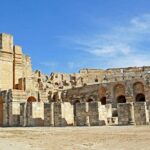
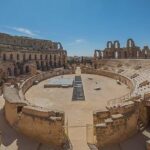
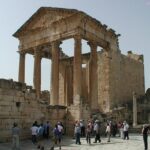
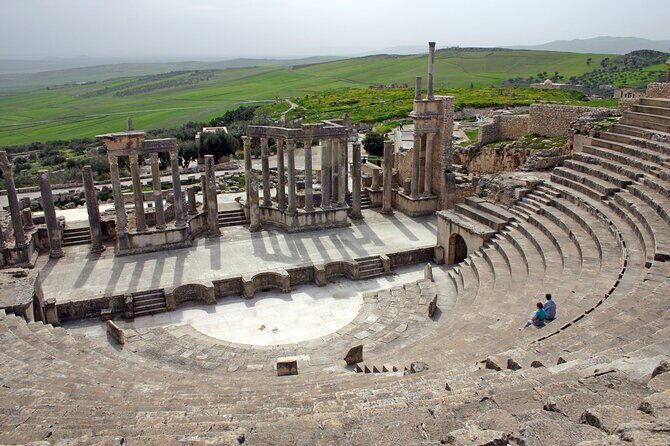
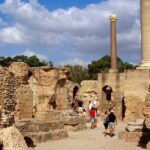
If Dougga is the main event, it’s because it’s unusually intact for a small Roman city in North Africa. The site is UNESCO-listed (1997), and it’s often framed as the best preserved small Roman city in the region.
You’ll spend about 3 hours here, and the layout gives you a “read the city” feeling:
- Monumental center: capitol and forum-like civic core
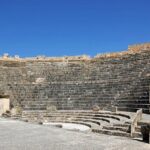
- Places for shows: theater and circus structures
- Public baths: a big clue to how Romans socialized
- Everyday blocks: houses and residential sections
- A wind-rose place (a specific point called out on this route)
- A triumphal arch
- Libyco-Punic Mausoleum, which adds an older layer beneath the Roman skin
The best part is how the ruins preserve multiple phases inside one boundary. You’re not just seeing one “moment.” You’re seeing how an indigenous foundation evolved during Roman rule.
A practical tip: give yourself a little extra patience for walking and climbing. Dougga is worth it, but it isn’t flat parkland. If you’re sensitive to uneven steps, plan ahead with supportive shoes and take short breaks when you need them.
Bulla Regia: Underground Houses, Religious Buildings, and Big Story
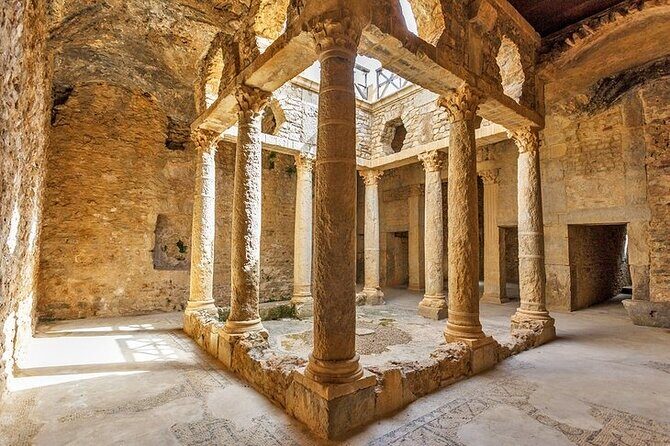
Bulla Regia feels different from Dougga, even when you’re just comparing “Roman ruins.” It’s known for its religious focus and for the way daily life adapted to the climate.
You’ll have around 2 hours at Bulla Regia. The site sits a few kilometers north of Jendouba in the northwest, and it’s described as a major stage for cultural tourism in the region.
What you’ll learn (and what you can actually picture in the stones):
- The agglomeration traces back to the Numidians at the end of the 6th century BC.
- It became a royal residence relatively early.
- During Roman times it shifted through political phases—municipality under the Flavians, then a Roman colony under Hadrian (117–138).
- Late 5th century accounts (via Augustine) mention residents being judged as bad Christians, adding a dramatic historical note.
The religious architecture highlights include:
- Capitol and Temple of Apollo
- Two Christian basilicas
- A church dedicated to Alexander
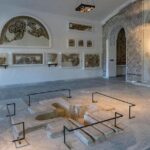
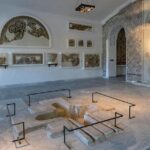
And one of the big “wow” elements here is the underground housing. People often mention mosaics and the idea that houses were adapted below ground. One caution from the experience feedback: the underground features can be less visible than you’d hope, depending on what’s open and how the walking route is set.
So if you’re the type who loves mosaics, bring your attention—and don’t assume every underground area will be displayed at full visual impact. Still, Bulla Regia delivers variety: civic life on one site, then religious power and adaptation in the next.
Driving Time and the Comfort Factor (Yes, It Matters)
You’re spending a full day, and that includes road time leaving Tunis and coming back. For many people, the drive itself doesn’t feel too long, and guides help by filling the ride with context.
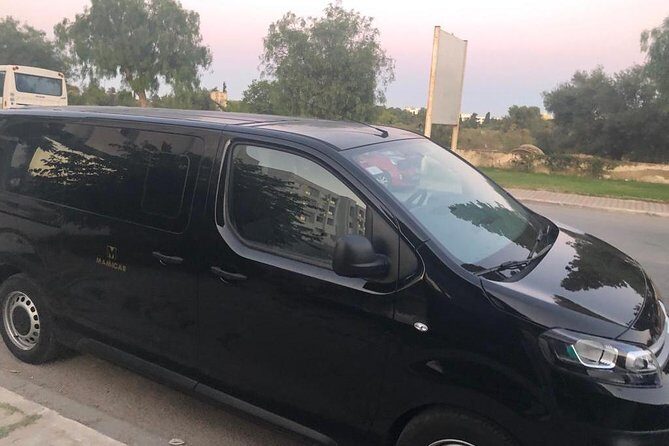
Still, one less-great comment flagged driver behavior—speed and hands-on-wheel habits—so it’s worth saying plainly: if you’re nervous about driving, it helps to ask any pickup contact about what vehicle and comfort setup you’ll have before you commit. Most feedback is positive on a smooth day, but safety is non-negotiable.
The Value Math: $127.95 for a 3-Site Archaeology Day
At $127.95 per person for roughly 8 hours, the value is strongest when you count what you’re getting beyond transportation.
This tour includes:
- Pickup offered (so you’re not self-navigating across three sites)
- A private format, meaning it’s only your group
- Site entrance tickets included for Dougga and Bulla Regia
The entrance fees alone can make a difference on a day like this. Add in guide time and you’re paying for interpretation—how to read a Roman theater, why a certain building matters, what you’re supposed to notice at the forum or baths.
That said, one review complained that the price felt like an expensive taxi service if the guide interaction didn’t match expectations. The lesson for you: if you book, check that the guide experience and language fit your needs. The sites are incredible regardless, but you’ll feel the difference most through what your guide points out.
Who This Tour Suits Best (and Who Might Want Something Else)
This day trip is ideal for:
- You if you love ancient ruins and want the main Roman highlights without spending multiple days driving on your own.
- You if you’re short on time in Tunis but still want a route that feels organized.
- You if you like being guided through the “why” as much as the “what,” especially at Dougga and Bulla Regia.
It may be less ideal if:
- You want a totally relaxed pace with minimal walking. Dougga includes uneven stairs and climbs.
- You expect Testour to be a long, in-depth wander. It’s mostly about the mosque/minaret moment, plus a panoramic town look.
- You have strong preferences for driving style. Most feedback is good, but you’ll want to feel comfortable on the road.
A Few Smart Tips Before You Go
- Pack water and plan for heat. Even with good shade pockets, Roman sites expose you to sun.
- Bring comfortable shoes with grip. Dougga’s steps can be rough.
- If you care about photos, the private timing can help. Some people reported very low crowd levels at key points.
- If you care about Testour depth, ask for what’s possible with extra time when you confirm—because some of the feedback showed that mosque time can feel tight.
Should You Book This Testour-Dougga-Bulla Regia Private Trip?
I’d book it if you want one day that gives you two different kinds of archaeology: Dougga as a large, well-preserved Roman civic machine, and Bulla Regia as a religious-plus-adaptation story with famous mosaic connections. The private setup plus included entry tickets makes it easier to justify the price than a simple transfer.
I’d think twice only if you’re not comfortable with stairs and uneven ground, or if you need lots of time in Testour beyond the mosque/minaret. If you’re flexible and you bring decent walking shoes, this is a strong, efficient way to experience Tunisia’s ancient heartland from Tunis—without losing the day to logistics.
FAQ
How long is the excursion?
It runs for about 8 hours total.
What time does the tour start?
The meeting start time is 8:00 am.
Is pickup included?
Yes, pickup is offered.
Is it a private tour?
Yes. It’s a private activity, so only your group participates.
Are admission tickets included?
Admission tickets are listed as included for Dougga and Bulla Regia.
Which sites are visited?
You’ll visit Testour (Andalusian village and mosque), then Dougga, then Bulla Regia.
Does the tour require good weather?
Yes. The experience requires good weather, and if it’s canceled due to poor weather you’ll be offered a different date or a full refund.
What’s the cancellation window for a full refund?
You can cancel up to 24 hours in advance for a full refund.
Are service animals allowed?
Yes, service animals are allowed.
Is the tour difficult?
It says most travelers can participate, but there can be steep, uneven stairs (especially at Dougga), so comfortable shoes help a lot.