REVIEW · TUNIS
Guided Bike Tour of Carthage Archeological Site in Tunisia
Book on Viator →Operated by Le Lemon Tour · Bookable on Viator
Carthage works best when you move. This private bike tour strings together key Punic and Roman sites with a guide who keeps the story clear, not textbook-y. I especially liked the option for an electric bike (heat and hills feel way less dramatic) and the way the guide keeps you moving at a human pace. One heads-up: the Carthage museum on Byrsa Hill is listed as closed, so you’ll see the area and sights, not that indoor stop.
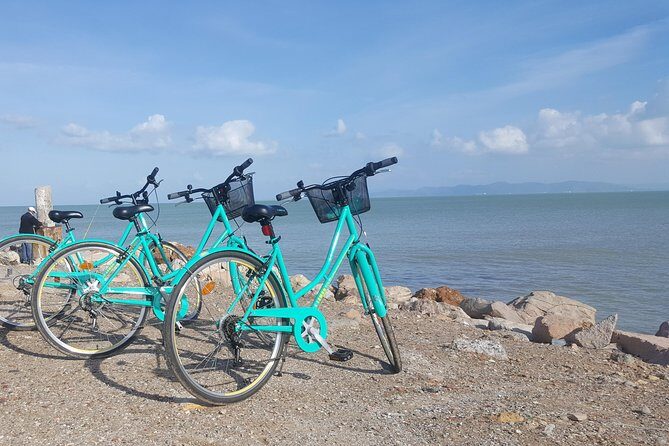
You’ll pedal through a UNESCO World Heritage Site in about three hours, with tickets for the main locations handled as part of the tour. It’s also practical: you get a bicycle, helmet, and safety gear, and the meeting point is right at the archaeological area. The tour doesn’t include hotel pickup, so you’ll want to plan an easy way to get to Rue Hannibal.
In This Review
- Key Things I’d Optimize For
- Carthage Ruins Feel Different When You Ride Through Them
- Price and What You Actually Get for $91.89
- Meeting at 9 Rue Hannibal: Quick Start, No Fuss
- Electric Bikes Make Carthage Feel Enjoyable, Not Grueling
- Stop 1: Tophet de Carthage and the Punic Sanctuary Story
- Stop 2: Punic Ports and Museum Views of Mediterranean Trade
- Stop 3: Baths of Antoninus, Roman Scale Facing the Sea
- Stop 4: Roman Theatre of Carthage for a Quick Dose of Drama
- Stop 5: Byrsa Hill, Punic-to-Roman Transitions, and Saint Louis Cathedral
- Logistics and Weather: The Stuff That Actually Affects Your Day
- Who Should Book This Carthage Bike Tour
- Should You Book It? My Decision Guide
- FAQ
- How long is the guided bike tour?
- Is this tour private?
- What sites are included on the route?
- Are admission tickets included?
- Do I need a passport?
- Is hotel pickup included?
Key Things I’d Optimize For
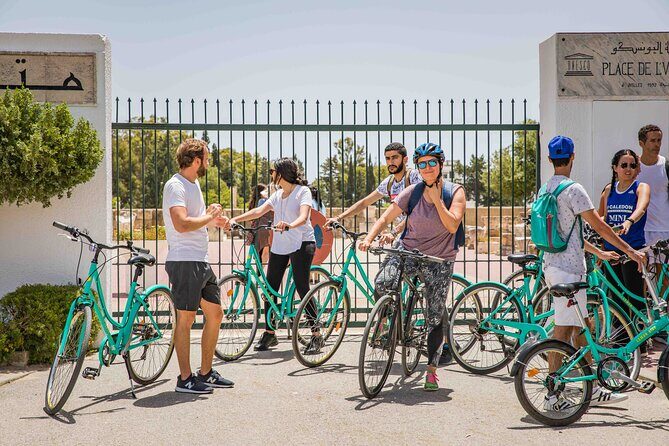
- Electric bike option for easier hills and less heat fatigue
- Private, guided pacing so you’re not rushed from stop to stop
- Included admission tickets at multiple major sites
- Perfect mix of Punic and Roman layers across several landmarks
- Bike-friendly sightseeing that lets you cover more ground in less time
Carthage Ruins Feel Different When You Ride Through Them
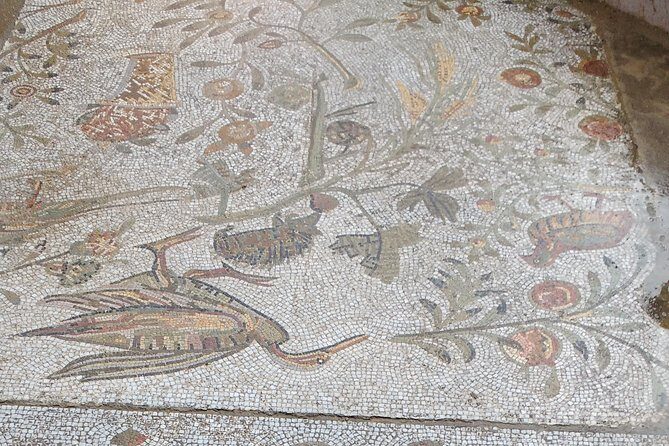
Carthage is one of those places where the past is stacked in layers, and a bike helps you feel that. Instead of hopping between far-apart viewpoints on foot, you get a smooth flow from sanctuary to ports to Roman baths and theaters. You’re still at archaeological stops, but the ride between them turns it into a lived-in route rather than a checklist.
What I like most is how the tour organizes the sites around Carthage’s cultural shifts: Punic life first, then the sea-and-trade story at the ports, then the Roman takeover shown through big-scale architecture. Even if you don’t call yourself a history person, your brain can follow the changes because the route is logical.
This is also the kind of outing where the guide matters. Guides used here, including names like Kareem, Jibrane, and Chedi, are repeatedly praised for being clear and engaging. That matters because Carthage ruins can look like piles of stone until someone helps you connect the dots.
There’s no hotel pickup, so your day needs a small bit of logistics planning. But once you’re at the meeting point, the tour runs like it’s been designed for visitors who want the highlights without spending their whole morning lost.
You can also read our reviews of more cycling tours in Tunis

Price and What You Actually Get for $91.89
At $91.89 per person for a roughly 3-hour experience, this isn’t a random add-on tour. You’re paying for a private guide, a bicycle with helmet, and admission coverage at the stops that require tickets. All taxes and fees are included, so the price you see is the price you pay.
The value becomes clearer when you compare what’s included versus what isn’t. Included is the guide plus the bicycle and helmet. Also included are multiple admission tickets during the route. Not included is hotel pickup and drop-off, which means you’ll handle transport to the meeting point on your own.
One more practical angle: this tour is commonly booked about 29 days in advance on average. That’s not a guarantee of sell-out, but it does suggest it runs at capacity sometimes. If you’re traveling in high season or on a tight schedule, booking ahead is a smart move.
Meeting at 9 Rue Hannibal: Quick Start, No Fuss
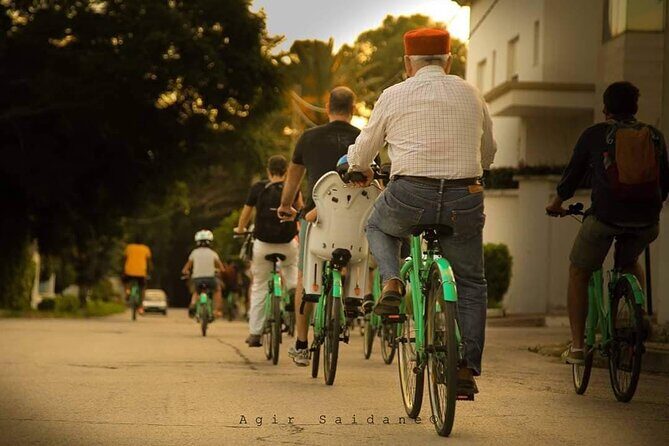
The tour starts at 9 Rue Hannibal, at the Site archéologique de Carthage 2025. It also ends back at the same place, so you’re not stuck figuring out where to go after the last stop.
The area is near public transportation, which helps if you’re not staying within walking distance. You’ll want to arrive with enough time to check in, get your bike fitted, and feel comfortable before you start pedaling.
Bring a current valid passport for the day of travel. That’s the kind of requirement that’s easy to forget until the last minute, and then it’s annoying. Plan ahead and pack it where you can grab it quickly.
Fitness-wise, the tour is described as moderate. You’re not doing a hardcore endurance ride, but you should feel okay cycling for the duration and handling some terrain. If you’re unsure, the electric bike option becomes your best friend.
Electric Bikes Make Carthage Feel Enjoyable, Not Grueling
Carthage has hills and uneven ground, and that heat factor in Tunisia can be real. This is where the upgrade option matters. With electric bikes, you get a push when you need it most, so you can keep your attention on the sights instead of your breathing.
Even if you’re a solid cyclist, electric assistance can still make the tour smoother because you arrive at each stop less tired. That changes the experience. You spend more time looking closely and listening, not negotiating leg fatigue.
From the wording of the tour and the standout feedback, it’s clear that the electric option is especially appreciated for maneuvering and for riding in traffic near the site areas. The route also benefits from having safety gear included, so you’re not improvising with a helmet you bought at the airport.
If you decide on a standard bike, do it with the understanding that you’ll pedal more. That’s fine if you’re comfortable, but the electric version is a straightforward way to reduce stress, particularly in warmer months.
Stop 1: Tophet de Carthage and the Punic Sanctuary Story
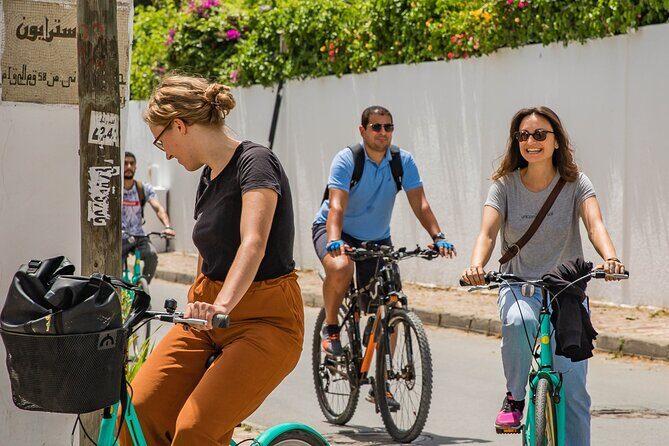
Your first stop is Tophet de Carthage, where you spend about 30 minutes. Admission is included, so you’re not pausing the tour to deal with tickets right away.
This is your entry point into Punic culture at Carthage. The sanctuary setting helps because you can actually see the kind of space where this culture would have been expressed and remembered. If you like context, this stop gives you a foundation for the rest of the tour.
A practical note: early in the tour is when you’ll be most fresh. Use the first stop to orient yourself. Pay attention to the guide’s connections between what you’re seeing now and what you’ll see later, especially when the Roman layers start taking over the story.
The main drawback here is not about the site itself. It’s more about how much attention you can physically give if you show up underprepared for heat. Start hydrated, take the time they give you, and you’ll get more from the visit.
You can also read our reviews of more guided tours in Tunis

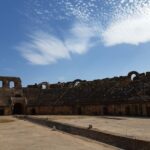
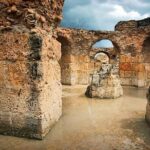
Stop 2: Punic Ports and Museum Views of Mediterranean Trade
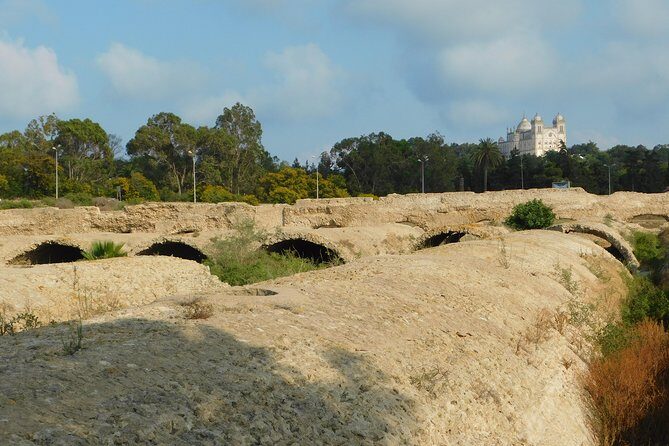
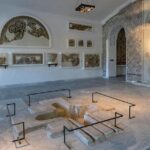
Next up is the Punic Ports & Museum, again around 30 minutes with admission included. This is where Carthage’s location and ambition make sense quickly. Ports are not just scenery here. They explain why empires cared.
The stop focuses on a major Mediterranean port of history, which matters because Carthage wasn’t only a local city. It was a node in wider sea-based networks. When your guide ties the archaeological remains to trade and movement, the ruins start acting like evidence instead of decoration.
If you like museums, you’ll likely appreciate having that element here rather than saving it for later. You get variety: you see ruins and then you switch to curated information that helps you interpret them.
Time is limited, though. Around 30 minutes means you’ll move at a guided pace. If you’re the type who reads every panel, you might have to pick and choose. The upside is that the guide can explain the points that take longer on your own.
Stop 3: Baths of Antoninus, Roman Scale Facing the Sea
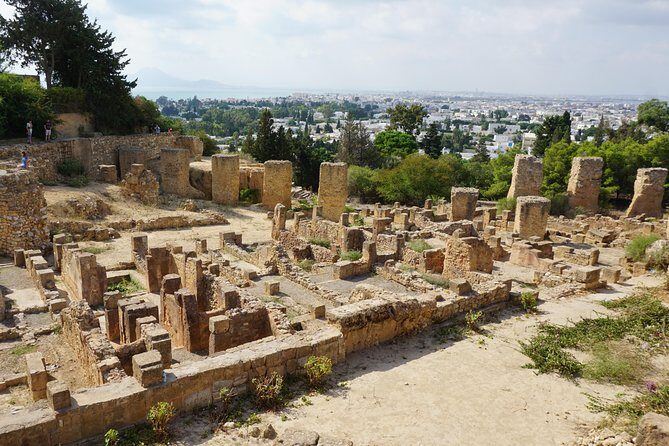
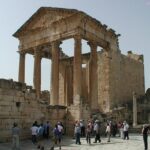
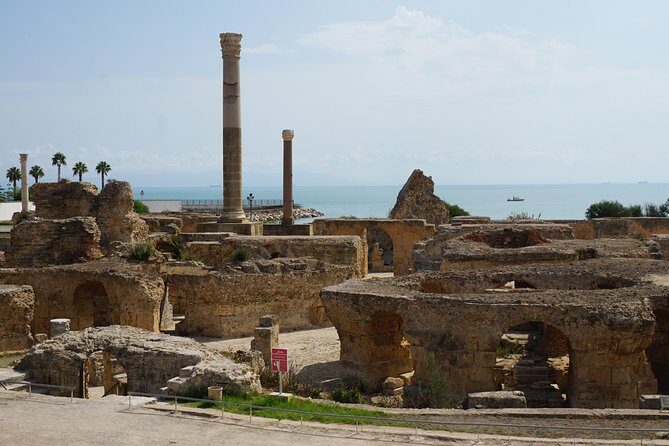
The biggest time block is at the Baths of Antoninus, with about 1 hour on site and admission included. This stop is where Roman power becomes visual. You’re looking at a major bath complex that faces the sea, and it’s described as among the largest of the Roman Empire.
Even without technical architectural knowledge, it’s hard not to be struck by the scale. Roman baths weren’t just about hygiene. They were social space, civic identity, and a statement of permanence. Seeing this site within the same tour as Punic remains makes the cultural shift feel immediate.
One of the best things about having a guide here is that the ruins can otherwise blend into each other. The guide’s job is to help you see what’s important at this specific stop, like what the bath complex structure implies and how it connects to other Roman features you’ll see later.
If the weather is warm, spend the first few minutes getting your bearings, then take in the main highlights. There’s enough time here that you can do that without feeling rushed.
Stop 4: Roman Theatre of Carthage for a Quick Dose of Drama
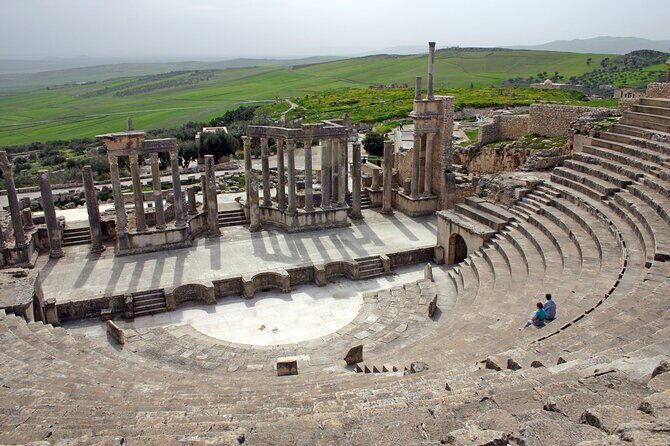
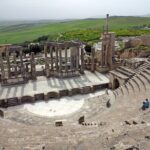
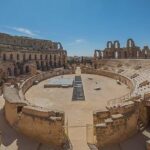
After the baths, you shift to the Roman Theatre of Carthage for about 20 minutes. Admission is included, and yes, it’s described as a beautiful place.
A theatre is a great counterpoint to baths and ports. You’re moving from daily life and civic infrastructure into spectacle and public gathering. Even in short time, it adds variety and helps you understand how Romans structured communal space.
With only 20 minutes, keep it focused. Look around first. Then listen for the guide’s explanation of what you’re seeing and why it matters. If you’re hoping to linger long for photos, balance that against the next part of the route because the tour keeps a steady rhythm.
This is also where you’ll feel the benefit of the earlier time management. You’ve already seen big sites, so the theatre reads as a highlight rather than a quick afterthought.
Stop 5: Byrsa Hill, Punic-to-Roman Transitions, and Saint Louis Cathedral
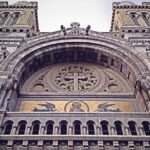
Your final named stop is Saint Louis Cathedral on Byrsa Hill, with about 15 minutes. You’ll see the cathedral without entering, and the guidance notes that the Carthage museum located on the hill is closed.
Even so, this is a powerful finish because Byrsa Hill is where the layers show up in a very practical way. The tour describes this part as a place where you discover Punic architecture and how the Romans converted the hill. That kind of directional explanation is exactly what you want at the end, when you’re trying to connect the dots.
The closed museum is the only big “planning mismatch” built into the route. It’s not a reason to skip the tour, but it is something to keep in your expectations. You’ll still get the viewpoint experience and the exterior sights. Just don’t count on an indoor museum visit on the hill as part of your plan.
When you finish here and roll back to the meeting point, you’ll have a coherent timeline in your head: Punic sanctuary, maritime strength, Roman bath engineering, public entertainment, then the Roman reworking of the hilltop. That’s a lot to fit into three hours, and a bike makes it possible.
Logistics and Weather: The Stuff That Actually Affects Your Day
This experience requires good weather. If weather turns rough, you’ll be offered a different date or a full refund. That’s worth respecting because archaeological sites plus biking are much more pleasant when conditions are stable.
You should also plan for moderate physical effort. If you’re traveling with less confidence on a bike, the electric option becomes the easiest way to avoid stress. It’s also a good choice if you want more time listening and looking at ruins rather than conserving energy for the ride.
Near public transportation is helpful, and the meeting point at the site itself keeps your day from turning into a transfer marathon. The tour ends right where it begins, so you don’t have to reverse-engineer your return.
Also, keep in mind the tour doesn’t include hotel pickup and drop-off. If your hotel is far from Rue Hannibal, build extra travel time into your schedule.
Who Should Book This Carthage Bike Tour
This bike tour is a good fit if you want highlights with context and you don’t want to spend most of your time coordinating tickets, routes, and pacing. A private guide helps a lot, especially at sites where the ruins can look disconnected unless someone guides you.
It’s also ideal if you like learning in small chunks. The tour breaks the day into focused stops—each one with its own time slot. That keeps you from burning out or feeling stuck at one place too long.
You’ll probably enjoy it most if you:
- like seeing multiple Carthage sites in one outing
- want a guide who explains what you’re looking at
- prefer cycling over long stretches of walking
- appreciate comfort options like electric assistance
If you’re the kind of traveler who wants very slow, self-guided wandering at every corner, you might find the pacing feels structured. But if you want a smart overview that still pays attention, it’s a strong match.
Should You Book It? My Decision Guide
Book it if you want a high-value private route through the Carthage UNESCO ruins without turning your day into logistics. The combination of bike + helmet + safety equipment, plus included admission at major stops, makes it easy to justify the price. And if you go with the electric bike upgrade, the tour becomes a smoother ride where you can focus on the sights and the guide’s explanations.
Skip or adjust expectations if you specifically need the Carthage museum on Byrsa Hill. The route notes it as closed, so you’ll see the cathedral and the hill area without that indoor museum stop.
If your schedule allows, I’d choose this tour because it gives you the right mix of Punic and Roman landmarks in a timeframe that still feels human. It’s the kind of outing that leaves you with a clearer mental map of Carthage, not just photos of stone.
FAQ
How long is the guided bike tour?
It runs for about 3 hours.
Is this tour private?
Yes. It’s a private tour/activity, so only your group participates.
What sites are included on the route?
You’ll stop at Tophet de Carthage, Punic Ports & Museum, Baths of Antoninus, the Roman Theatre of Carthage, and Saint Louis Cathedral on Byrsa Hill.
Are admission tickets included?
Admission tickets are included for Tophet de Carthage, Punic Ports & Museum, Baths of Antoninus, and the Roman Theatre of Carthage. Saint Louis Cathedral is listed as admission free, and the Carthage museum on Byrsa Hill is closed.
Do I need a passport?
Yes. A current valid passport is required on the day of travel.
Is hotel pickup included?
No. Hotel pickup and drop-off are not included. You’ll meet at the start location at 9 Rue Hannibal, Site archéologique de Carthage 2025, Tunisia.