REVIEW · TUNIS
Carthage Discovery Half-Day Tour with Licensed Guide
Book on Viator →Operated by SAHARANSKY · Bookable on Viator
Carthage hits fast. This half-day tour is a tight, guided walk through a UNESCO World Heritage Site, with licensed storytelling and comfortable transfers that keep the day from turning into a logistics puzzle. I especially like the way it pairs big-picture history with concrete archaeological details, and I love that you get a private guide who can shape the pace to your questions. One heads-up: it’s still a walking tour through uneven ancient ground, so plan for some shoes-on-site time.
I also like that you’re not just seeing one ruin and calling it a day. You move from seaside remains and city walls to the controversial Tophet area, then into the Carthage Museum, and finish at the Punic Ports where the geography explains Carthage’s power. If you’re after a long, slow museum day, this may feel short—but if you want an efficient hit of Carthaginian-to-Roman change in one morning, it’s a smart fit.
In This Review
- Key things to know before you go
- Carthage in one half-day: why this order works
- Getting from Tunis to the UNESCO site without stress
- Stop 1: Site Archeologique de Carthage and the view from Byrsa Hill
- Stop 2: Tophet de Carthage, where the archaeology is debated
- Stop 3: Carthage Museum on the acropolis site
- Stop 4: Punic Ports and Museum ruins—power you can almost measure
- The best part: a licensed guide who can answer follow-ups
- Price and value: what you’re really paying for at $94.90
- Who this tour fits best (and who should think twice)
- Practical tips to make the day feel easy
- Should you book this Carthage half-day tour?
- FAQ
- How long is the Carthage Discovery Half-Day Tour?
- Where does pickup happen?
- Is this tour private?
- What sites are included in the itinerary?
- How long do you spend at each stop?
- Are entrance fees included?
- What does the tour cost?
- What’s not included in the price?
- Are service animals allowed?
- What if weather is poor?
Key things to know before you go
- UNESCO Carthage in four focused stops: ruins, Tophet, museum, and the ports area
- Licensed guide + private group: your day runs to your questions, not a generic script
- Round-trip transfers from Tunis or Hammamet: no hunting for transport or timing buses
- Admission fees handled: you’re covered at key sites so you can focus on the visit
- Short, real-world timing: about 4 hours total, built for a single half day
- Most entry costs included: a useful value point versus DIY visits
Carthage in one half-day: why this order works
Carthage is one of those places where the story only makes sense once you connect the dots. This tour does that in a clean flow: start with the big site context, then the Tophet, then the museum that gives objects and periods shape, and finally the ports where the city’s power becomes physical again.
The timing is also thoughtful. You get about two hours at the main archaeological area, then one hour at Tophet, then short museum and ports visits. That structure keeps you moving while the history is still fresh—like getting the plot of a novel without spending your whole day reading footnotes.
You can also read our reviews of more guided tours in Tunis


Getting from Tunis to the UNESCO site without stress
You begin with pickup from your hotel in Tunis (or from the Tunis/Hammamet pickup area offered by the tour), then ride about 25 minutes to Carthage in an air-conditioned vehicle. Along the way, you’ll pass some of Tunisia’s more exclusive villas, which helps set the mood: this is not a far-flung ruin field—this is a lived-in modern coast built on top of ancient layers.
That transfer matters more than it sounds. Carthage is close enough for half-day touring, but far enough that getting there on your own can eat time. Here, you trade “where do we park?” for “let’s start the story.”
Stop 1: Site Archeologique de Carthage and the view from Byrsa Hill
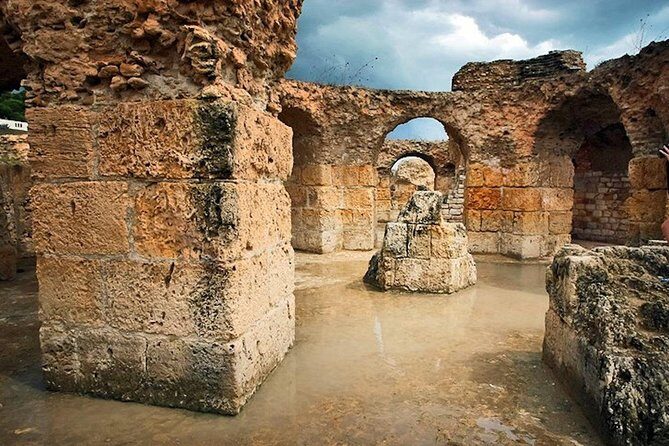
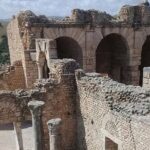
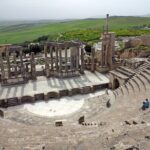
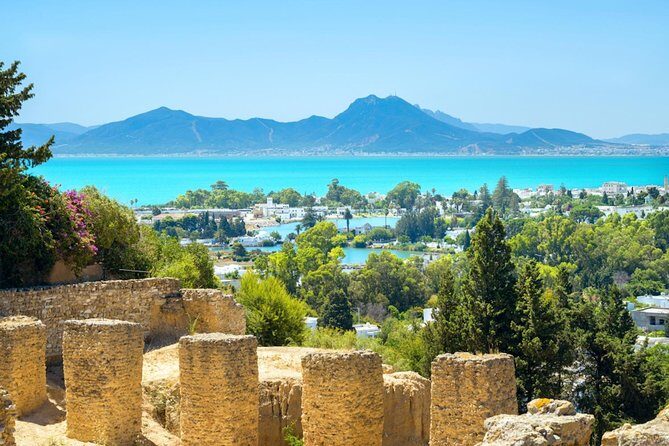
At the Site Archeologique de Carthage, you get roughly two hours on the grounds with your professional guide. The point of this first stop is orientation: you’re shown how the city worked, where people lived, and why the coastline mattered.
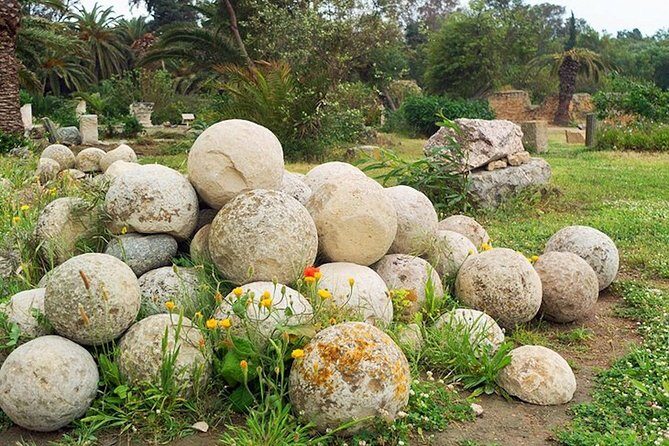
A few specifics help you picture what you’re walking on. Carthage was famously destroyed by the Romans in 146 BC, but excavations have revealed details that make the ancient city feel startlingly advanced—things like five-story homes, sewage systems, and traces of the city walls that once stretched about 21 miles (34 km) around Byrsa Hill.
Practical note: the main site can involve uneven footing and some walking. If you have mobility limits, this is where your guide’s pacing really matters. A good guide can time pauses around viewpoints so the day stays enjoyable instead of exhausting.
Stop 2: Tophet de Carthage, where the archaeology is debated
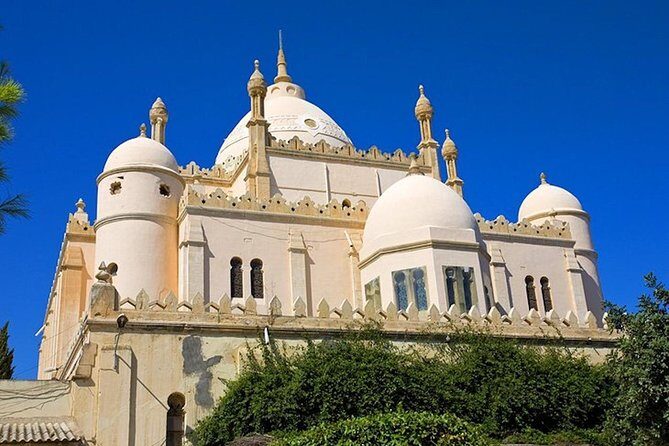
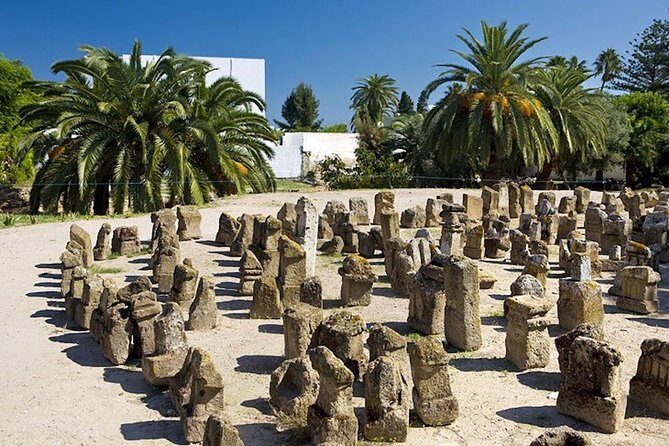
Next comes Tophet de Carthage, about one hour. This is the most emotionally charged stop on the route, and the tour handles it as a real archaeological controversy, not just a dramatic rumor.
The Tophets are often described as ancient cemeteries tied to a contentious debate in northern Africa’s ancient Carthaginian world. They’re believed to have been used for ritual sacrifice of children and animals, but the key word for you is contentious. You’re not being pushed into one simplistic conclusion—you’re being shown the site and the questions it raises.
If you want context on how historians argue from material remains, this is where you’ll feel your guide working. It’s also a good moment to slow down and ask what’s agreed on versus what’s interpretation.
Stop 3: Carthage Museum on the acropolis site
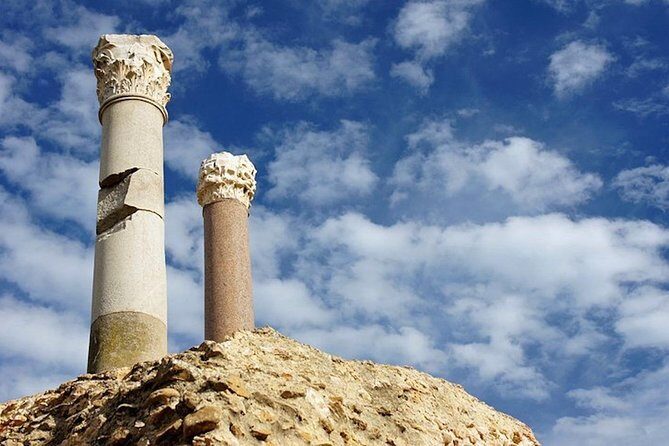
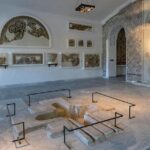
After Tophet, you’ll head into Carthage Museum for about 30 minutes. The setting matters here. The museum is housed on the ground floor of a Catholic scholasticate building near the Saint-Louis basilica, which sits at the end of the XIXth century on the site of the Carthage acropolis.
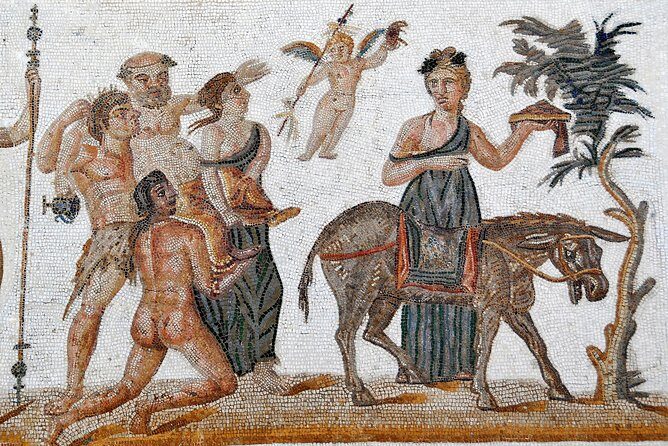
This stop is short by design, but it’s valuable because it turns ruins into objects. The museum includes the largest collection of objects from the Carthage site, covering major periods: Phoenician-Punic, Roman-African, and Arab-Muslem.
What I like about doing the museum after Tophet is that you can start connecting the dots between what you saw in the ground and what you’re now seeing in artifacts. You’ll get a clearer sense that Carthage wasn’t one “moment”—it was many civilizations layered over time.
A few more Tunis tours and experiences worth a look

Stop 4: Punic Ports and Museum ruins—power you can almost measure
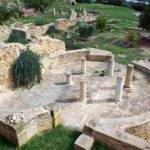
The final stop is Punic Ports & Museum, about 30 minutes. This area is fascinating because the remains are physical but the full port structures aren’t standing like a complete model. That forces you to understand layout from what survives.
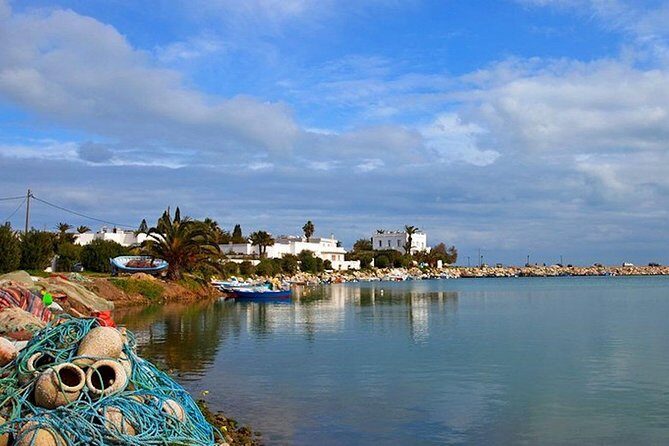
Here’s the core idea: Carthage’s power depended on how its ports were engineered. A narrow channel linked a southern, oblong merchant port to a northern circular naval port. The military port was effectively hidden from outside, so the navy could see out to sea while remaining protected.
The tour gives you scale too. The naval base had moorings for about 220 vessels in dry docks and around the quay edge, and the commercial port covered roughly 7 hectares with quays and warehouses. When you stand in this space, you start to see why Carthage mattered so much. This wasn’t just trade—it was strategy.
The best part: a licensed guide who can answer follow-ups
This is one of the most praised parts of the experience, and it shows in how the day feels. A licensed guide doesn’t just recite dates. They explain why certain ruins are where they are, what excavations have revealed, and how historians argue about sites like Tophet.
One guide name that comes through in feedback is Nouraddean, described as making Tunisia’s history feel alive and tailoring the tour to the schedule and interests of the group. That matters because Carthage is dense. Without a good guide, you can end up with a list of ruins. With the right person, you get meaning.
Also, you’re not stuck with an anonymous driver who drops you and vanishes. The tour includes transport by private vehicle, and the driver support tends to keep the day smooth—especially important when you’re timing multiple stops in one morning.
Price and value: what you’re really paying for at $94.90
At $94.90 per person for about 4 hours, the headline cost is only half the story. The real value is that you’re buying three things at once:
- Private, licensed guiding through several major stops
- Round-trip transfers from Tunis or Hammamet
- Entrance fees included for the key sites on the route
Because admissions are part of the package, you’re less likely to get surprised by what costs extra if you plan yourself. And since it’s a private tour (only your group participates), you’re not paying for time wasted waiting for strangers or competing for attention.
If you’re a couple, a small family, or a group of friends, this tends to be a good deal compared with piecing together transport, tickets, and separate guides. If you’re traveling solo and prefer to move at your own pace all day, you might feel the tour’s half-day intensity—but for most people, it’s a great “see the essentials well” format.
Who this tour fits best (and who should think twice)
This is a strong match if you want:
- A UNESCO-site overview without the DIY grind
- A guide who can explain Phoenician-Punic through Roman-African to Arab-Muslem layers
- A half-day plan that’s still detailed enough to feel satisfying
It might not be your best fit if:
- You hate short museum stops and would rather spend hours in galleries
- You have very limited mobility and can’t handle any uneven ground at the main archaeological area
- You’re looking for a relaxed beach-coast stroll with minimal walking
Practical tips to make the day feel easy
- Wear good walking shoes. The ancient surfaces can be rough and uneven.
- Bring water and a light layer for comfort. Even with air-conditioned transport, you’ll be outside for portions of the day.
- Have questions ready. Carthage is layered, so asking what’s certain versus debated (especially at Tophet) can make the tour more memorable.
- If you’re sensitive to heat, ask your guide to build in quick pauses at viewpoints. A solid guide will read the pace of your group.
Should you book this Carthage half-day tour?
If you want a clean, efficient Carthage experience—UNESCO ruins, the Tophet site, museum context, and Punic Port layout—this is an easy yes. The pricing works because admissions and transfers are bundled, and the private, licensed guide is the difference between seeing rocks and understanding why Carthage mattered.
I’d book it sooner rather than later if your schedule is tight, since it’s commonly reserved in advance. And if your main goal is just to get the gist of Carthage in one morning, this tour hits the right balance of time and depth.
FAQ
How long is the Carthage Discovery Half-Day Tour?
The tour runs for about 4 hours.
Where does pickup happen?
Pickup and drop-off are offered from your hotel in Tunis or Hammamet.
Is this tour private?
Yes. It’s a private tour/activity, and only your group will participate.
What sites are included in the itinerary?
You visit the Site Archeologique de Carthage, Tophet de Carthage, Carthage Museum, and Punic Ports & Museum.
How long do you spend at each stop?
The main archaeological site is about 2 hours, Tophet is 1 hour, Carthage Museum is 30 minutes, and Punic Ports & Museum is 30 minutes.
Are entrance fees included?
Yes. Entrance fees are included for the stops with admission tickets, and Punic Ports & Museum is listed as free.
What does the tour cost?
It’s $94.90 per person.
What’s not included in the price?
Lunch is not included.
Are service animals allowed?
Yes, service animals are allowed.
What if weather is poor?
This experience requires good weather. If it’s canceled due to poor weather, you’ll be offered a different date or a full refund.