REVIEW · TUNIS
Private Guided Tour of Dougga and Testour Mosque
Book on Viator →Operated by Tunisia Guided Tours · Bookable on Viator
Dougga in one day is a big win. This private guided outing strings together UNESCO ruins and the Great Mosque of Testour, with pickup and drop-off from Tunis or Hammamet. I love that it’s timed like a day trip that actually feels unhurried, not a rushed checklist. You’ll get a real sense of how the Roman town at Dougga sits in its own world, and you’ll finish with the oddball wonder of Testour’s minaret clock.
What I like most is the way this tour lets you move through Dougga with breathing room. The whole town is preserved enough that you can climb in and out of spaces, streets, and even tunnels without it feeling like you’re stuck seeing isolated monuments behind fences. A small consideration: you’re on your feet through uneven ancient ground, so good walking shoes matter.
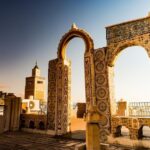
Then there’s the payoff at Testour. That Andalusian-influenced clock on the minaret turns counterclockwise, and the numbers sit upside down too. It’s the kind of detail that makes the site feel specific and alive, not generic.
In This Review
- Key Things I’d Watch For on This Dougga and Testour Day
- Dougga: Walking a Roman town that still feels whole
- The scenic drive to Ain Tounga and why the road matters
- Ain Tounga: A lesser-developed site that feels like your own discovery
- Great Mosque of Testour: A clock that runs counter to your instincts
- How the 6 to 7 hour timing works from Tunis and Hammamet
- Value check: Is $127.81 per person worth it?
- Who this tour suits best (and who should pick something else)
- Small planning tips that make the day smoother
- Should you book this private tour of Dougga and Testour Mosque?
- FAQ
- How long is the private guided tour of Dougga and Testour?
- Is this a private tour or shared group?
- Where does pickup and drop-off happen?
- What UNESCO site(s) will I visit?
- Are admission tickets included?
- How much time do I spend at each stop?
- How far in advance is it typically booked?
- What if the weather is bad?
- What’s the cancellation policy?
- Are service animals allowed?
Key Things I’d Watch For on This Dougga and Testour Day
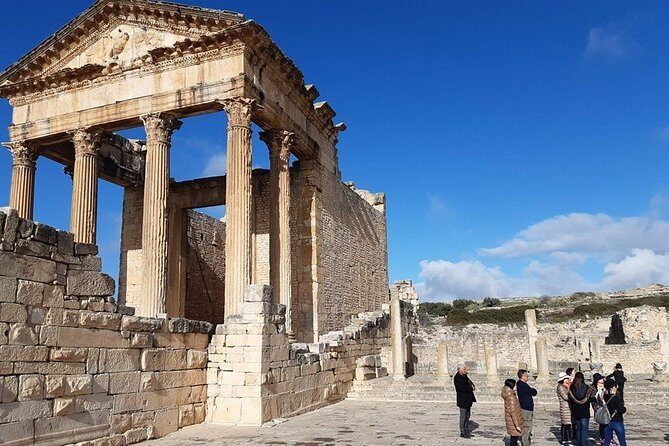
- UNESCO Dougga, with an entire town preserved so you can wander streets and spaces, not just pose by a single ruin
- Door-to-door pickup from Tunis or Hammamet, which saves you time and hassle
- Aïn Tounga’s quieter setting along hillside fields and olive groves, with a less-developed feel
- The Great Mosque of Testour clock, installed by the Andalusians and running counterclockwise with upside-down numbers
- A focused 6 to 7 hour schedule, built to fit two ancient stops plus Testour without dragging
Dougga: Walking a Roman town that still feels whole
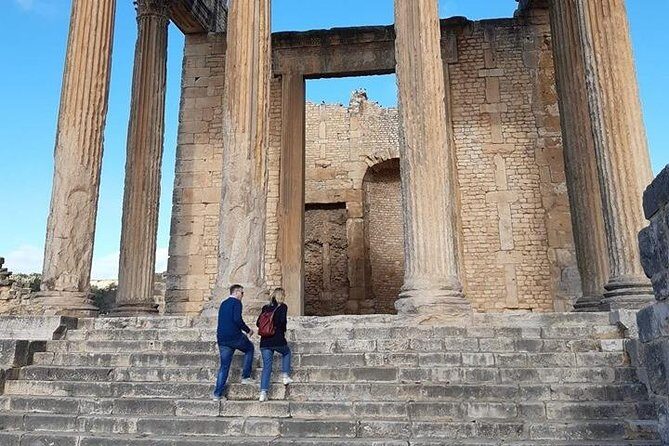
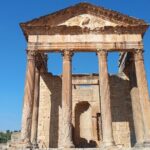
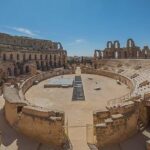
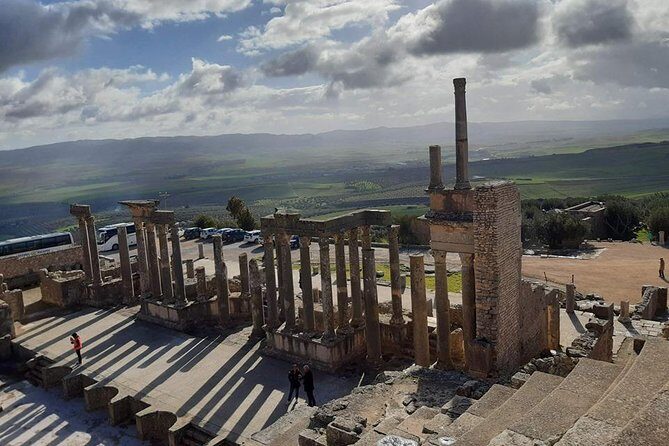
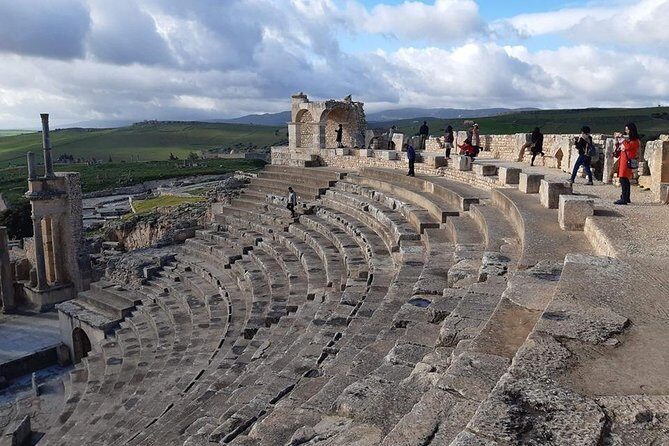
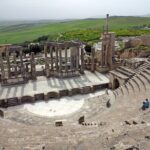
I go to Dougga for one main reason: the ruins don’t act like museum leftovers. The Roman settlement sits on a hilltop above valleys and olive plantations, and the setting does a lot of the explaining for you. From the moment you start climbing in, you understand why people built here—big views, defensible position, and a landscape that supports agriculture.
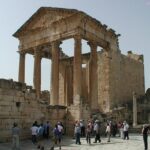
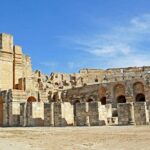
Once you’re on site, what makes Dougga special is how much of the town survives together. At places like Carthage or other Roman sites, you often see a couple of remaining monuments sitting alone in a bigger modern setting. Here, the roadways and the plan of the town are preserved enough that it feels like you could follow daily life if you take your time. That means you can spend more effort on details—Roman streets, temples, theaters, and household spaces—rather than just catching the highlights from a single vantage point.
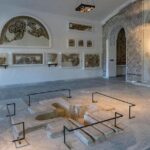
Another thing I like is how the tour’s pace helps you notice transitions. The ruins aren’t only Roman. You’ll find evidence of earlier Punic presence too, including an old Punic temple and a cleansing bath. That mix matters because it shows Dougga wasn’t born and finished in one empire—it layered over time.
Practical note: the tour includes admission, so you’re not hunting tickets or lines before you can start exploring. You also get about 2 hours at Dougga, which is enough time to climb, look, and come back down without feeling like the guide is yanking you onward.
You can also read our reviews of more guided tours in Tunis

The scenic drive to Ain Tounga and why the road matters
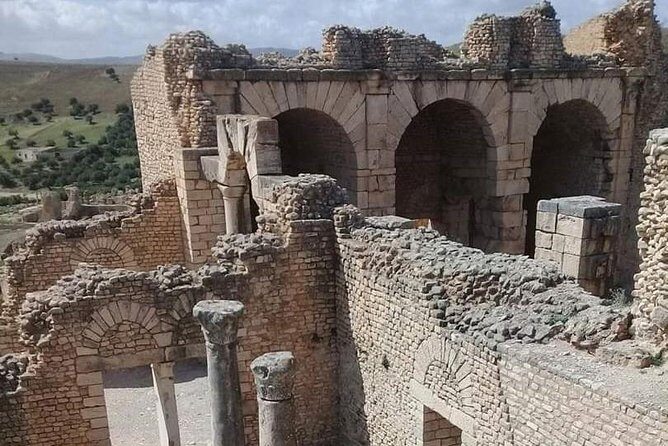
The day doesn’t just drop you at ruins; it also shows you the region. The drive to Dougga passes through rural areas with scenic countryside views, so you’re building context while you travel. In Tunisia, that context is huge. Olive groves and hillside fields aren’t a background—they’re part of how these sites connect to the present.
Halfway between Testour and Dougga, you’ll spot the area that leads you to Ain Tounga. A large square tower in ruins sits near the road, and the key point is that you might not recognize it as the entrance to an archaeological site at first glance. That’s exactly what you want from a guided stop: someone points out what your eyes might otherwise miss, turning a quick roadside view into a meaningful arrival.
This portion of the experience is also where the private format earns its keep. You’re not stuck behind a long bus schedule, and you can take a breath when the scenery is good or when the timing needs to flex a little with the day’s pace.
Ain Tounga: A lesser-developed site that feels like your own discovery
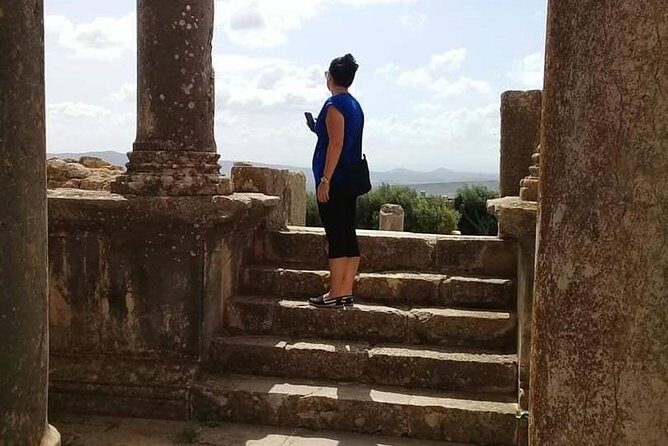
Aïn Tounga is the kind of stop you appreciate when you like archaeology but don’t want every second planned for crowds. The description you get is straightforward: it’s an archaeological site with major interest that hasn’t been highlighted and developed for visitors in the same way as the biggest names. That difference changes the vibe immediately.
The site stretches along a hillside in a rural setting of fields and olive groves. Instead of feeling like you’re inside a ticketed complex, you’re moving through a landscape where the ruins sit alongside everyday terrain. That can make your photos more interesting too, because you’re not just shooting stone blocks—you’re showing how the ancient and modern countryside relate.
You’ll also hear about how the place reveals itself. That roadside tower isn’t just decoration; it’s part of the site’s entry story. And because it’s not overbuilt for mass tourism, you can linger longer on how the ruins connect to their location rather than worrying about navigating a crowd flow.
A practical consideration: since this is a quieter, less-developed stop, comfort depends on conditions and terrain. You’ll want water and a plan for sun or shade, because the site sits in open countryside.
Great Mosque of Testour: A clock that runs counter to your instincts
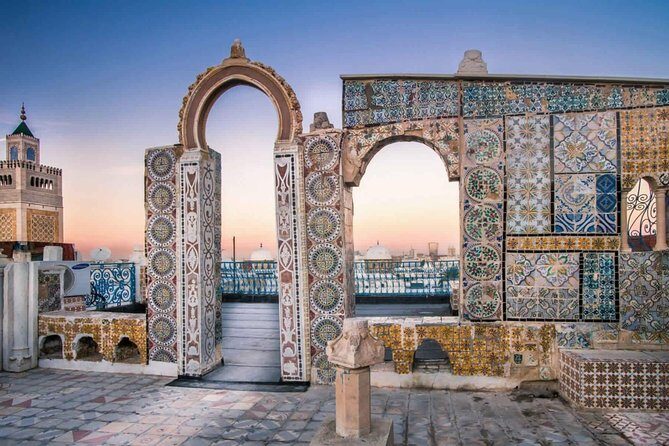
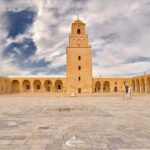
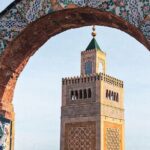
Testour is where the day shifts from Roman stone to Andalusian influence and living religious architecture. The Great Mosque of Testour includes a minaret with a unique clock system that’s hard to forget once you notice it. The hands move counterclockwise, and the numbers are placed upside down too.
What makes that more than a fun fact is the backstory. The clock has been tied to the Andalusians for about 300 years, and it suffered downtime for a long stretch. It’s been functioning again since December 2014, which adds a “this is still maintained” feeling rather than a purely historical curiosity.
You’ll also have enough time to actually take it in. The stop is about 30 minutes, and admission is free. That’s a nice setup for people who want a meaningful finale without ending the day too late or feeling rushed out the door.
The mosque itself is also a good contrast to Dougga. Dougga makes you imagine street life and civic spaces from a distance; the mosque makes you understand how architecture still has a role in the present. If you like details—like how design reflects culture and how local craftsmanship shows up in surprising ways—Testour rewards you quickly.
How the 6 to 7 hour timing works from Tunis and Hammamet
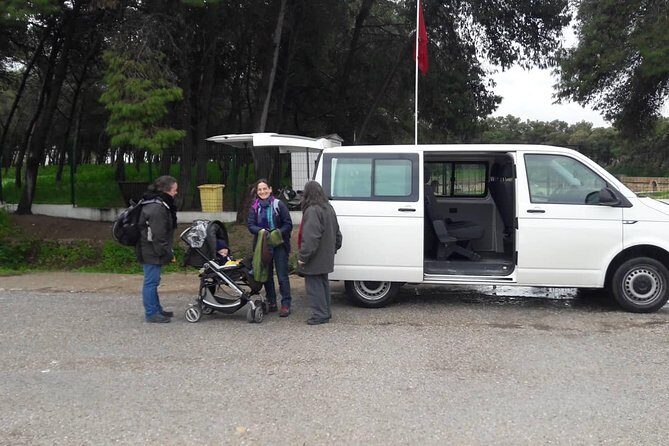
This is a full-day private excursion, running roughly 6 to 7 hours total. The biggest comfort upgrade here is the door-to-door part: pickup and drop-off from Tunis or Hammamet. That means less time sorting transport, and fewer chances of losing the best part of your day to transit delays.
You also get a private format, so the schedule is built around your group rather than the average pace of a tour bus. That matters at Dougga, where the “right” experience depends on slowing down enough to move through spaces and read the site as a town.
The tour includes vehicle transfers as part of the experience, and you’ll have mobile ticket support. Confirmation happens at booking time, so the day starts with less uncertainty.
One thing to plan: the tour needs good weather. If weather is poor, you’ll be offered another date or a full refund, which is a sensible policy for open-air ruins. On clear days, the hilltop views around Dougga can make the whole experience feel bigger than the stone itself.
You can also read our reviews of more private tours in Tunis
Value check: Is $127.81 per person worth it?
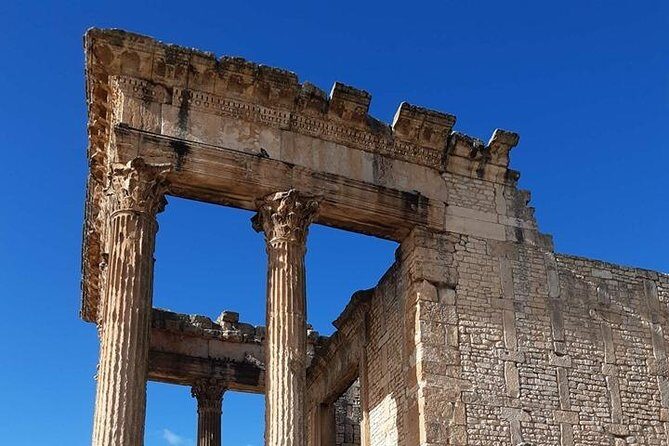
At $127.81 per person, this tour isn’t the cheapest thing on the board—but it also isn’t only a guide walking beside you. The value is in three combined elements:
First, you’re ticking off multiple UNESCO-listed targets in one day with less friction. Dougga is the anchor, and Ain Tounga and Testour add variety and cultural contrast without turning the day into three separate planning headaches.
Second, the price includes admission tickets where applicable. You get admission included for Dougga, and Testour’s mosque entry is free. That means you’re not piecing together costs and time blocks on your own.
Third, the transfers from Tunis or Hammamet are part of the package. In practice, that usually matters as much as the sites themselves. A guided day with transport included often costs less than what you’d pay to solve everything independently with taxis, tickets, and timing stress.
Private tours also tend to carry a premium, but here you get a group-only experience for your party, plus front-door convenience. If your group includes people who hate wasting time on logistics, this price starts to look more reasonable.
Who this tour suits best (and who should pick something else)
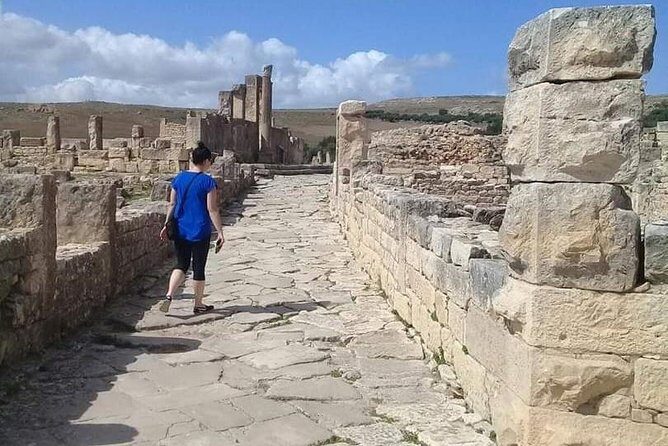
This is a great match if you want a private day with two ancient sites and one religious landmark, without spending half your vacation on getting there. If you enjoy archaeology, you’ll like how Dougga lets you experience a town layout and not just scattered ruins. If you enjoy cultural details, Testour’s clock is the kind of feature you can brag about later.
It’s also a solid choice if you appreciate guides who give practical context rather than long lectures. One guide name you might encounter is Ghassen, and the feedback around him is that he was friendly and offered good advice—exactly what you want when you’re looking at stones that could otherwise blend together.
This may be less ideal if you dislike walking on uneven historic ground or if you want a very short outing. The day is substantial, and the time at each stop still requires active sightseeing.
Small planning tips that make the day smoother
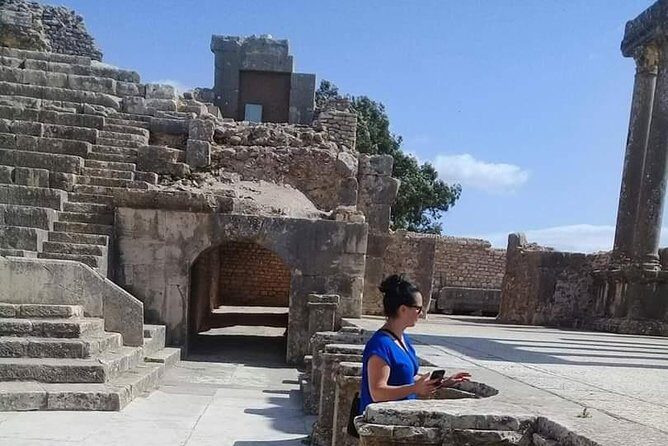
A few things will help you get more out of the 6 to 7 hours:
- Wear comfortable shoes you trust on uneven terrain, especially at Dougga.
- Bring sun protection for open hillside areas around Dougga and Ain Tounga.
- Keep water handy; even if the stops are timed, the countryside feel can make you thirsty faster than you expect.
- If you’re sensitive to walking distance, consider going slower during the first climb at Dougga so you’re not rushed later.
Also, the tour supports service animals and most travelers can participate. If you have specific mobility needs, it’s smart to ask ahead so you can match the route to your comfort level.
Should you book this private tour of Dougga and Testour Mosque?
If your goal is a satisfying UNESCO day with less hassle, I’d book it. You get Dougga’s preserved town feel, a quieter second site at Aïn Tounga, and a memorable cultural finale at Testour’s Great Mosque with its counterclockwise, upside-down-number clock. Add in pickup and drop-off from Tunis or Hammamet, and the overall day structure makes sense.
I’d hesitate only if you want a super easy, short outing or if weather worries you. Since the tour depends on good conditions for outdoor ruins, plan to be flexible if the day needs changing.
If you’re the type who likes seeing how different eras layer on top of each other—Punic traces, Roman civic spaces, and Andalusian details—this is one of the better ways to do it in a single day.
FAQ
How long is the private guided tour of Dougga and Testour?
The tour runs about 6 to 7 hours (approx.).
Is this a private tour or shared group?
This is a private tour/activity, and only your group participates.
Where does pickup and drop-off happen?
Pickup and drop-off are offered from Tunis or Hammamet.
What UNESCO site(s) will I visit?
You’ll visit two UNESCO-listed ancient sites during the excursion: Dougga and Ain Tounga, plus you’ll also visit the Great Mosque of Testour.
Are admission tickets included?
Admission tickets are included for Dougga, and admission for the Great Mosque of Testour is free.
How much time do I spend at each stop?
You’ll spend about 2 hours at Dougga and about 30 minutes at the Great Mosque of Testour. Aïn Tounga is visited in between as part of the route.
How far in advance is it typically booked?
On average, it’s booked 5 days in advance.
What if the weather is bad?
The experience requires good weather. If it’s canceled due to poor weather, you’ll be offered a different date or a full refund.
What’s the cancellation policy?
Cancellation is free up to 24 hours in advance for a full refund.
Are service animals allowed?
Yes, service animals are allowed.