REVIEW · TUNIS
Group Guided Bike Tour of Carthage Archeological Site in Tunisia
Book on Viator →Operated by Le Lemon Tour · Bookable on Viator
Carthage is best seen on two wheels. This guided bike tour connects major Punic and Roman sights close to the sea, with a route designed to cut down on traffic and keep you moving. You’ll see a lot in about 3 hours, learning what made Carthage tick across different eras.
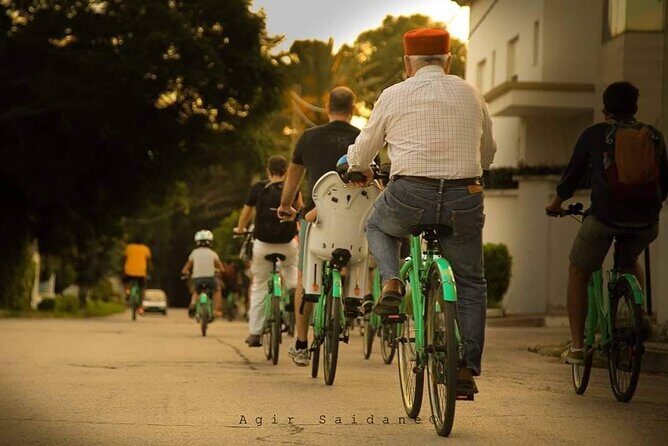
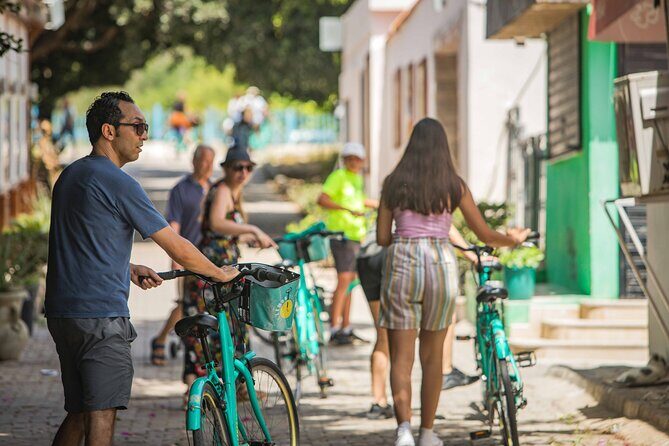
I really like that the tour is built around practical comfort: you get the bicycle and helmet, plus your guide steers the pace so you can actually enjoy the sites. I also like the option for e-bikes if hills or heat are a concern, so you can keep the ride fun instead of a chore.
One thing to consider: the cycling is easy overall, but there’s still at least one steeper section near the end, and very hot weather can change the plan. If the group can’t go up to Byrsa Hill or weather turns, you may spend less time at the higher viewpoints.
In This Review
- Key points you’ll care about
- Why Carthage’s ruins feel different from the bike saddle
- Price and value: what $56.99 actually buys you
- The 3-hour route in real-life terms (and where time can slip)
- Stop 1: Tophet de Carthage and the Punic sanctuary story
- Stop 2: Punic Ports & Museum and why ports matter
- Stop 3: Baths of Antoninus by the sea
- Stop 4: Roman Theatre of Carthage and the art of seeing structure
- Stop 5: Saint Louis Cathedral from outside, plus a conditional Byrsa Hill detour
- Biking comfort: when to choose the e-bike
- Guides make the difference: the kind of storytelling you’ll get
- What’s included vs not included (so there are no surprises)
- Small practical tips to make your ride better
- Who this tour is for (and who might skip it)
- Should you book the Group Guided Bike Tour of Carthage?
- FAQ
- What’s the duration of the Group Guided Bike Tour of Carthage?
- How much does the tour cost?
- Where does the tour start and end?
- Are admission tickets included?
- Can I use an e-bike on this tour?
- Is the tour suitable for everyone physically?
- What happens if it’s too hot for the last stop?
- What if the experience is canceled due to weather?
Key points you’ll care about
- Tickets included for Tophet de Carthage, Punic Ports & Museum, Baths of Antoninus, and the Roman Theatre
- Bikes + helmets provided (plus e-bike help if you want it)
- A guide-led route that links sites efficiently without getting stuck in traffic
- A smart final stop: Saint Louis Cathedral is usually seen from outside, with Byrsa Hill only if time, weather, and group agreement allow it
- Small group size (up to 20) makes the experience feel more personal
Why Carthage’s ruins feel different from the bike saddle
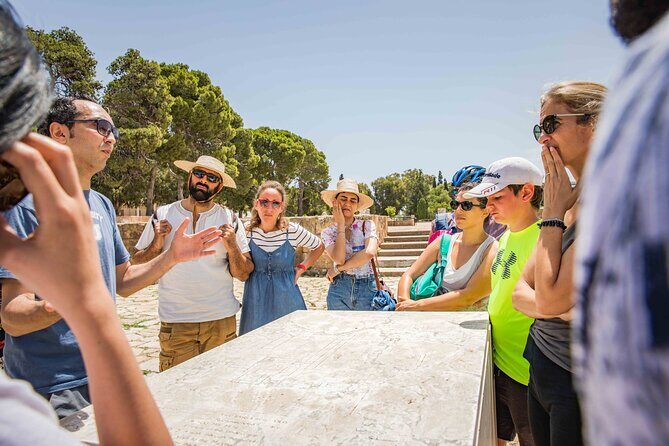
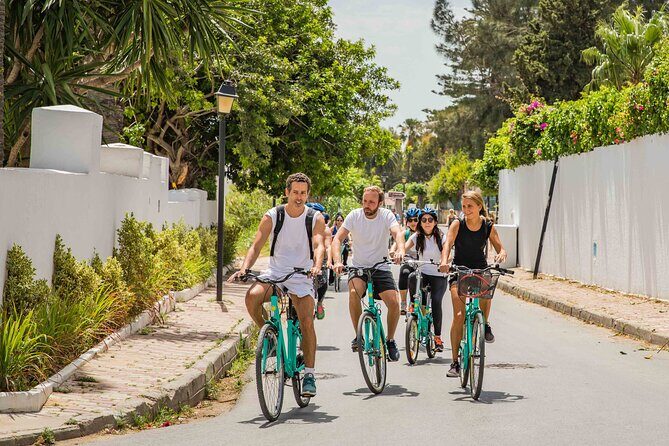
Carthage can be spread out. Walking every leg would mean a lot of time between stops, plus you’d be fighting sun and traffic around the edges. On a bike, you get the best of both worlds: the sites come in a steady sequence, and the coast air makes the heat more bearable.
More importantly, biking keeps you in rhythm with the place. You’re not only looking at monuments; you’re getting a feel for how the ancient city might have flowed from religious sites to harbors to theater and baths. You see how the layers of history sit close to each other, not like separate pages in a museum.
This tour is also refreshingly direct about what it’s trying to do in 3 hours: give you a working map of Carthage, then help you understand the Punic culture and Roman chapter in clear, bite-sized explanations as you ride.
You can also read our reviews of more cycling tours in Tunis

Price and value: what $56.99 actually buys you
At $56.99 per person, this isn’t a “just transportation” experience. You’re paying for three things that matter on the ground: a professional guide, the bicycle setup (including a helmet), and entry tickets for most of the key stops.
Stops 1 through 4 include admission. That’s a big part of the value equation, because you’re not juggling extra ticket lines or deciding on the fly whether the site is worth paying for. You also get a structured route with set timing, so you’re not spending your vacation time planning distances and figuring out which ruins connect cleanly.
If you’re the type who likes to see a lot without feeling rushed, this price makes sense. If you prefer total freedom and slower wandering with no guidance, you might get less value from the ticket-and-guide package. But for a first pass at Carthage, it’s a solid deal.
The 3-hour route in real-life terms (and where time can slip)
The ride is about 3 hours, and it’s built as a stop sequence, not a long lecture. You’ll start at 9 Rue Hannibal, Site archéologique de Carthage 2025, Tunisia, and the tour ends back at that same meeting point.
Each stop has a suggested time window. That timing is what keeps the tour efficient, but it also means you should show up ready to move on schedule. If you love reading every plaque or you’re the slow-and-steady photo hunter, you might wish the tour were longer. One practical note: the last part of the itinerary depends on weather, time, and group agreement, so your final minutes can be different than someone else’s.
The good news is that the ride is described as not hugely difficult. The pace is designed to feel manageable, and there’s an e-bike option if you want extra help.
Stop 1: Tophet de Carthage and the Punic sanctuary story
Tophet de Carthage is your first big history hit. This stop is 30 minutes and includes admission, so you can go in without thinking about ticket logistics.
What you’re really doing here is learning the Punic cultural layer. The sanctuary setting matters. It isn’t just ruins you pass by; it’s a place where the guides can explain how the Punic world organized belief, ritual space, and community. It’s also the kind of site that benefits from having someone point out what you’re looking at, because the context isn’t always obvious just by walking around.
Potential drawback: if you’re sensitive to heavy or complicated historical topics, this is the most intense stop in the itinerary. Still, for many people this is the moment where Carthage stops feeling like a list of monuments and starts feeling like a real society.
Stop 2: Punic Ports & Museum and why ports matter
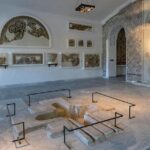
Next up: Punic Ports & Museum for 30 minutes with admission included. Ports are one of the fastest ways to understand how a city made its living. Even if you’re not a “maritime history” person, this stop connects the dots between trade, movement, and power.
This is also a nice break in the schedule because the tour keeps you moving, but the setting gives your brain something concrete to organize. You’re taking in a major Mediterranean-history focus, then moving on before fatigue sets in.
A practical upside: the guide’s role here is especially helpful. At some archaeological spots, there isn’t much signage. A good guide helps you interpret the remaining structures and understand why they mattered.
You can also read our reviews of more guided tours in Tunis


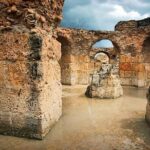
Stop 3: Baths of Antoninus by the sea
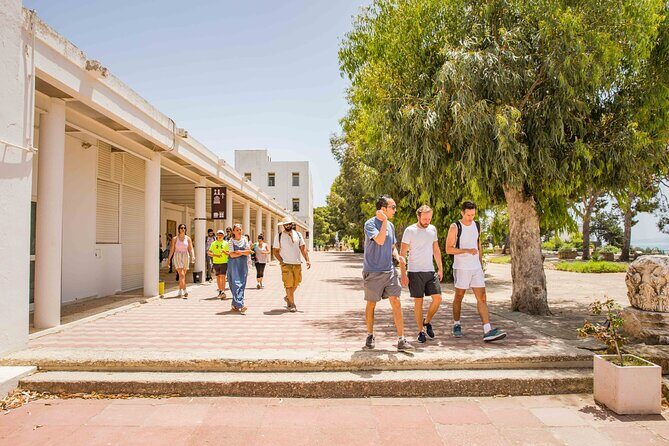
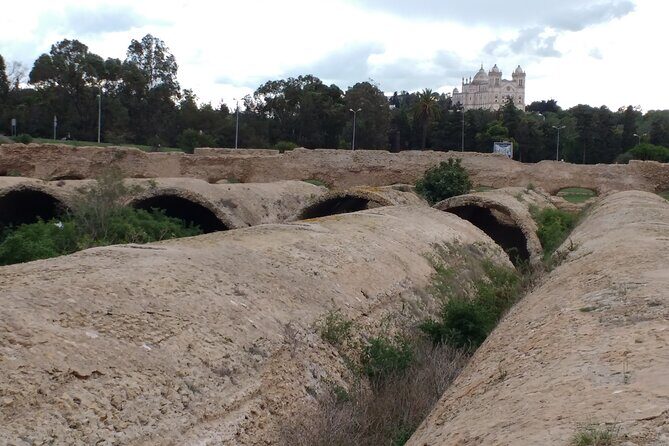
The Baths of Antoninus are the Roman centerpiece of the route, with 40 minutes allocated and admission included. This is where you get the scale of Roman life—especially the way big buildings could be part of everyday social energy.
You’ll see many ruins, including baths facing the sea. That detail matters because it changes the feel. Roman baths weren’t only about hygiene; they were about gathering, comfort, and status. Seeing the ruins with the coastal backdrop helps you picture the space as a living public site rather than isolated stone.
What to expect: there’s time here, so you can slow down. If you like one longer stop where your photos actually turn out because you aren’t racing the clock, this is that stop.
Stop 4: Roman Theatre of Carthage and the art of seeing structure
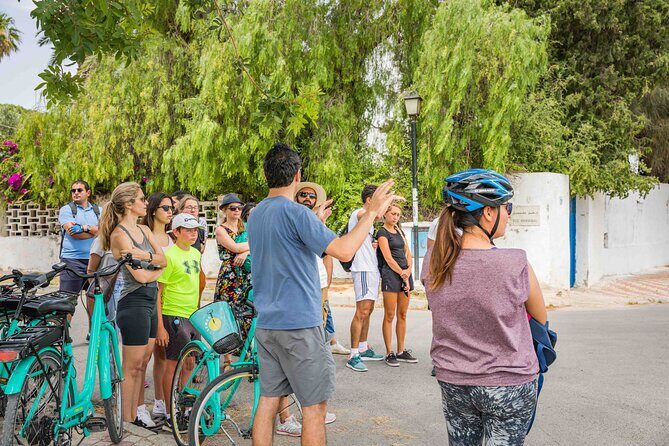
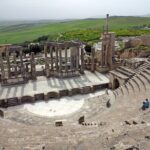
The Roman Theatre of Carthage is shorter at 20 minutes with admission included. The time might sound brief, but theaters are built for viewing angles, not long wandering. You’ll get a quick guided orientation that tells you where to look so you understand what the theater was for.
This is a good stop if you want that Roman touch—architecture, audience design, and the idea of public events as part of city life. It’s also a relief if you’ve already had your fill of dense sanctuary context and want something visually “cleaner” in terms of form.
Tip: wear something comfortable. Even at a theatre, you’ll want to move around for viewpoints, and shoes with decent grip help on uneven surfaces.
Stop 5: Saint Louis Cathedral from outside, plus a conditional Byrsa Hill detour
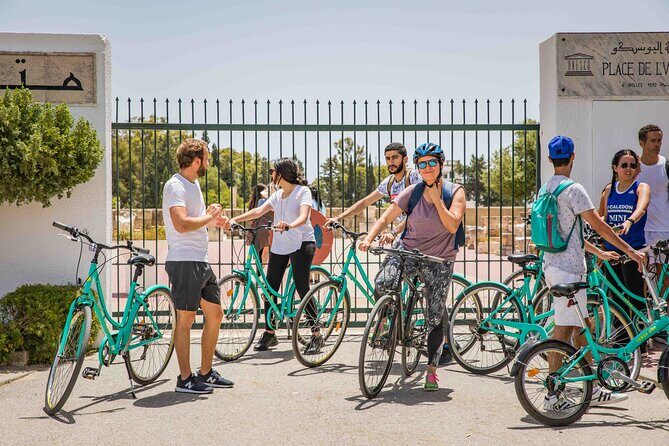
Your final stop is Saint Louis Cathedral. It’s 15 minutes and admission is free. The tour is designed to let you see the cathedral without entering.
Here’s the key twist: if the whole group agrees, and if there’s time and weather permits, you may also visit Byrsa Hill and see the Punic architecture there. The tour notes that the Carthage museum on the hill is closed, so you’re not planning your expectations around that museum visit.
There’s also a weather contingency. In very high temperatures, this part of the itinerary can be canceled. That’s not a failure; it’s a reality check. Heat is real in Tunisia, and the tour is trying to protect the overall experience.
If you get the Byrsa Hill option, it can add a satisfying “big viewpoint” feeling at the end. If not, you still leave having covered the major Punic and Roman anchor sites.
Biking comfort: when to choose the e-bike
This tour is built for moderate fitness, and most of the route is described as pretty manageable, with only a couple of hills. Still, there’s one steeper section near the end that can catch you off guard if you’re not used to biking.
That’s exactly where the e-bike option helps. It doesn’t turn the tour into an effortless ride; it just keeps the hill from becoming the main event. If you’re visiting with limited stamina, have knee or back concerns, or you just don’t want to arrive sweaty, it’s a smart way to keep your focus on the ruins.
Also remember: helmets are provided. Use it. It’s part of making the whole cycling experience feel safe and easy.
Guides make the difference: the kind of storytelling you’ll get
One of the strongest parts of this tour is how guides connect the dots as you ride. You may meet guides who share history with warmth and strong explanations, and names that pop up include Jiji and Yasi. Their common thread is clarity: they help you understand what you’re seeing, especially at sites where the ruins alone can feel hard to read.
This matters because archaeology is full of gaps. Stone doesn’t explain itself. A good guide gives you the missing context so you’re not just collecting images—you’re building a framework.
What’s included vs not included (so there are no surprises)
Included:
- bicycle use
- helmet
- professional guide
- all taxes, fees, and handling charges
- admission tickets for stops 1 through 4
Not included:
- hotel pickup and drop-off
Mobile ticket is part of the experience, and you’ll want your documents ready. You also need a current valid passport on the day of travel.
Small practical tips to make your ride better
- Bring sunscreen and water. The itinerary can run under strong sun, and this is an outdoor cycling day.
- Wear shoes you’re happy to walk in. Even with biking, the stops require moving around.
- If you’re worried about the steep section, pick the e-bike option early rather than deciding at the last minute.
- Come ready to ride on a schedule. The value comes from covering the key stops within the 3-hour window.
A small detail: some bikes may need a bit more attention to get fully comfortable (like tires and cleanliness). If something feels off, mention it right away so they can adjust.
Who this tour is for (and who might skip it)
This tour is a great fit if:
- you want a first, efficient introduction to Carthage
- you like history that’s explained while you move through the sites
- you’re comfortable with a moderate cycling day, or you’ll use an e-bike
It may be less ideal if:
- you prefer totally unstructured pacing and long stays at each stop
- you want museum time, since the hill museum is closed and time at each stop is fixed
- you’re traveling on a day with extreme heat, since parts can be shortened or canceled for weather reasons
Should you book the Group Guided Bike Tour of Carthage?
I’d book it if you want the best “big-picture” view of Carthage without turning your day into logistics. The combination of a guided route, provided bikes and helmets, and admission included for the main stops makes this a strong value package.
Choose this particularly if it’s your first time in the area. You’ll get a clear sense of the Punic-to-Roman timeline, and you’ll also see Carthage’s coastal setting in a way that’s hard to replicate by foot.
If you’re sensitive to heat or hills, don’t try to tough it out. Use the e-bike option and keep an eye on weather. The final section is conditional, but the core stops are worth it on their own.
FAQ
What’s the duration of the Group Guided Bike Tour of Carthage?
The tour runs for about 3 hours.
How much does the tour cost?
It costs $56.99 per person.
Where does the tour start and end?
It starts at 9 Rue Hannibal, Site archéologique de Carthage 2025, Tunisia, and it ends back at the same meeting point.
Are admission tickets included?
Admission tickets are included for Tophet de Carthage, Punic Ports & Museum, Baths of Antoninus, and the Roman Theatre of Carthage.
Can I use an e-bike on this tour?
Yes. Green bikes are provided, and e-bikes are available if you need them.
Is the tour suitable for everyone physically?
It’s designed for travelers with moderate physical fitness level.
What happens if it’s too hot for the last stop?
This experience requires good weather, and in very high temperatures the Byrsa Hill portion can be canceled. Saint Louis Cathedral is included as a free exterior stop, but access to Byrsa Hill depends on time and group agreement.
What if the experience is canceled due to weather?
If it’s canceled due to poor weather, you’ll be offered a different date or a full refund.