REVIEW · TUNIS
DAY TRIP TO Dougga & Bulla Regia , DEPARTURE FROM Tunis
Book on Viator →Operated by AOUES TRAVEL AND EVENTS · Bookable on Viator
Roman ruins in Tunisia feel almost cinematic. This day trip pairs UNESCO Dougga with the unusual underground villas of Bulla Regia, so you get both big public spaces and the Roman way of beating the heat. With pickup from Tunis, timed site visits, and included tickets, it’s one of the more straightforward ways to see these places without juggling transport or confusing site layouts.
I love that Dougga gives you the full Roman sweep in about two hours: theatre, market square, a well-preserved Capitoline Temple, the forum, baths, and even those famous twelve-seat latrines. I also love the Bulla Regia angle, where the villas were built with space both above and below ground, and the excavated homes are named after their mosaics. It’s a practical reminder that Roman life here wasn’t just impressive on paper.
One consideration: this is a ruins day. You’ll walk on uneven ground, and there’s some sun exposure, so bring good shoes, a hat, and expect a moderate pace rather than a stroll.
In This Review
- Key highlights at a glance
- Getting from Tunis to Dougga and Bulla Regia without losing the day
- Dougga: where Roman civic life still reads like a map
- The theatre and the II-century story behind it
- Place des Roses de Vent and the market-centred thinking
- The Capitoline Temple: a rare, well-preserved anchor
- Forum, baths, and the House of Trifolium
- The twelve-seat latrines: Roman practicality, no filter
- Bulla Regia: villas built to beat the heat, plus mosaics
- One villa concept, two levels of life
- Seven excavated villas named for their mosaics
- Lunch and breaks that keep a long ruins day enjoyable
- Time on site: enough to see it, not so much you burn out
- Price and value: what you’re really paying for at $175.29
- Who should book this Dougga & Bulla Regia private day trip
- Should you book Dougga & Bulla Regia from Tunis?
- FAQ
- What time does the day trip start?
- How long is the tour?
- Where does the tour take place?
- How far is Bulla Regia from Tunis?
- What’s included in the price?
- What admission costs are covered?
- Is pickup included?
- What isn’t included?
- Is the tour private?
- Is the cancellation policy flexible?
Key highlights at a glance
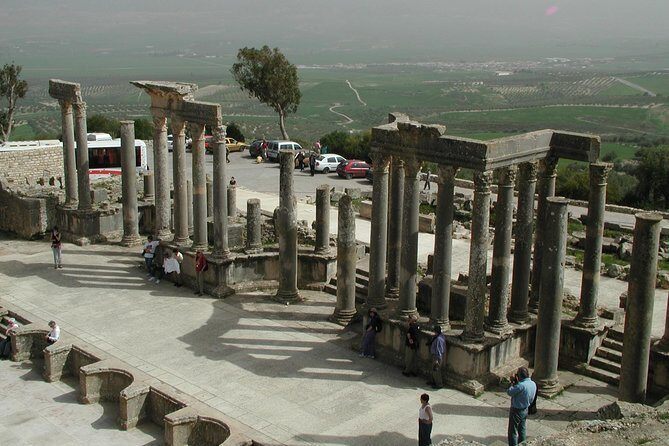
- UNESCO Dougga: theatre, forum, baths, temples, and daily-life details in one compact circuit
- Bulla Regia’s heat-smart villas: built with an above-ground and below-ground level to cope with hot weather
- Mosaics you can actually see up close: several villas are identified by the mosaic finds
- Tickets and admission included: you don’t waste time at the start of the day figuring out entry
- Lunch and drinks included: bottled water plus coffee or tea helps you keep energy up between sites
- Private format: only your group, which makes stops feel less rushed and more flexible
Getting from Tunis to Dougga and Bulla Regia without losing the day
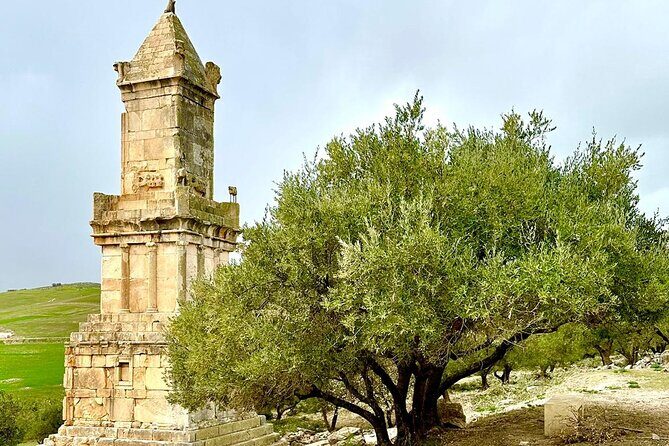
This trip runs on a simple rhythm: you leave early, drive out to the ruins, then spend the day moving site-to-site with a driver and a guide. The start time is 8:00 am, and the full experience is around 8 hours, which is exactly what you want for a day trip in Tunisia. Leave at 8, arrive before the hottest hours, and you still get a real lunch break.
The big practical win is the air-conditioned vehicle and private transportation. That matters more than people expect when you’re dealing with two separate archaeological zones and a long day of walking. In Tunisia, the sun can turn “just a few steps” into “why am I sweating,” so the comfort on the transfer is part of the value.
You can also keep the day easy because pickup is offered and the tour is described as private. That means you’re not squeezed into a bus where you’re trying to keep pace with strangers while you’re already focused on ruins, shade, and water.
If you’re the type of traveler who wants to see a lot but still enjoy it—rather than sprint between sites—this format fits well.
You can also read our reviews of more tours and experiences in Tunis.
Dougga: where Roman civic life still reads like a map
Dougga is a UNESCO World Heritage Site, and it earns the attention. The place feels like a real town layout, not just scattered ruins. From the moment you start, you’ll be able to connect the dots: where commerce happened, where public speeches took place, where people cooled off, and where religious life anchored civic identity.
The theatre and the II-century story behind it
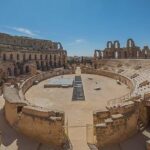
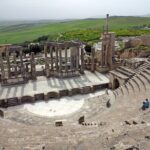
A standout start is the theatre, built during the II century and donated by the Gracchus family. Even if you don’t count columns for fun, theatres tell you how Romans organized community. They weren’t only entertainment spaces—they were political and social stages too.
You’ll get a sense of scale fast. The theatre helps you understand that Dougga wasn’t an afterthought; it was a functioning Roman city with infrastructure that could gather people and move ideas.
Practical tip: bring sunglasses and keep water handy. The theatre and surrounding areas can feel open, so you’ll want shade breaks as you move.
Place des Roses de Vent and the market-centred thinking
Then comes one of those details that makes Dougga feel specific: the Place des Roses de Vent, linked with the “wind rose” concept, followed by the market place where Mercury dominates. Mercury, god of commerce, isn’t just a label. It’s a clue that Romans built symbolism directly into public space, so trade, movement, and daily routines had their own visual language.
In other ruins sites, you might struggle to imagine daily life. Here, the city plan helps you. You can look at the market area and picture the flow of people—vendors, shoppers, and the routine of Roman urban life.
The Capitoline Temple: a rare, well-preserved anchor
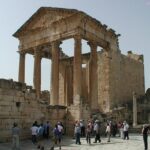
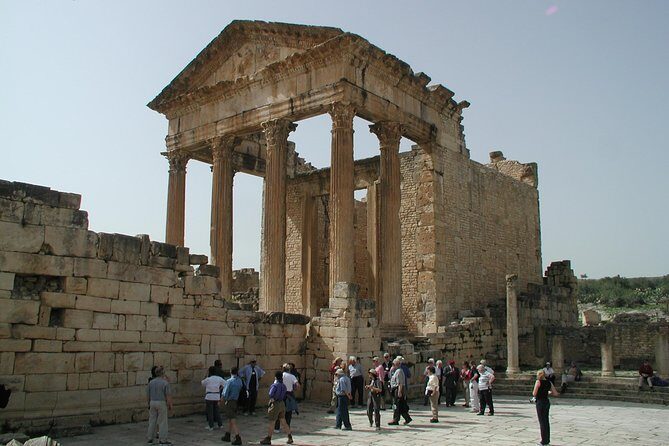
One of the most memorable stops is the Capitoline Temple, described as well preserved and dedicated to three Roman deities. This is where you slow down. Temples in ruins can sometimes feel like “just stones,” but a good preservation level makes the experience more readable. You can see how religion and civic authority were fused.
It also gives you a strong contrast to the more secular spaces like the theatre and market. Dougga is a full system: public life, commerce, worship, then social gatherings.

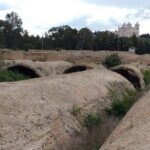
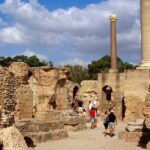
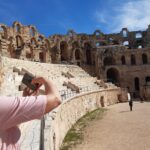
Forum, baths, and the House of Trifolium
After the religious anchor, the forum brings you back to civic life. Then you move through the social and relaxation side of Roman day-to-day life with baths—specifically the Public licinius Baths and the Cyclopes therms.
If you’ve ever wondered how Romans managed comfort and hygiene, bath areas are one of the best places to see it. They weren’t just places to wash; they were meeting points. In a hot climate, bath culture also becomes a form of climate management.
The House of Trifolium continues that “daily life” feeling. It’s not only about big monuments. It’s about what people lived near, and how private and public spaces were woven together.
The twelve-seat latrines: Roman practicality, no filter
Yes, the twelve-seat latrines are exactly what they sound like. And they’re fascinating for the right reason: they show Roman practicality and social realism. This isn’t an idealized version of history; it’s the public architecture of everyday living.
It’s also a reminder of why archaeological sites can feel more honest than museums. You’re seeing structures built for real habits—habits that don’t care if you’re an empire or a tourist.
Who this part is for: history buffs and first-timers alike. Even if Roman history isn’t your thing, Dougga’s sequence makes it easier to understand without a lot of guesswork.
Bulla Regia: villas built to beat the heat, plus mosaics
After Dougga, you drive to Bulla Régia, about 160 km from Tunis. That distance is part of the point: this isn’t a quick roadside stop. It’s a dedicated Roman region worth the time, and the day feels like it expands instead of shrinking.
Bulla Regia is famous for a big idea: Roman villas here were built with one level to handle the climate. The concept is simple. Romans created villas with space both above ground and below ground so life could be more comfortable during hot periods.
One villa concept, two levels of life
The below-ground level is the key detail. It’s one of those “why didn’t I know this before?” moments that makes the trip feel worth the price. The Romans weren’t copying Rome and hoping it worked—they were adapting architecture to local conditions.
So when you see the excavation areas, you’re not only looking at pretty floors. You’re seeing climate logic made stone.
Seven excavated villas named for their mosaics
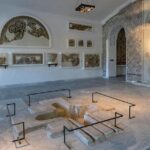
Bulla Regia has several excavated villas—seven so far—and they’re named after the mosaics discovered there. That means mosaics aren’t just a side note. They are central to how the site is interpreted, and they’re the reason many people come.
The mosaics add color and texture, and they give you a stronger sense of wealth and taste. More importantly, they make it easier to connect what you’re seeing with Roman domestic life—how people decorated the places they spent time.
Practical tip: mosaics can be easier to appreciate when you take a minute to stop, step back, and look rather than only leaning in. If the site is bright, shade your eyes and focus on patterns and figures.
Lunch and breaks that keep a long ruins day enjoyable
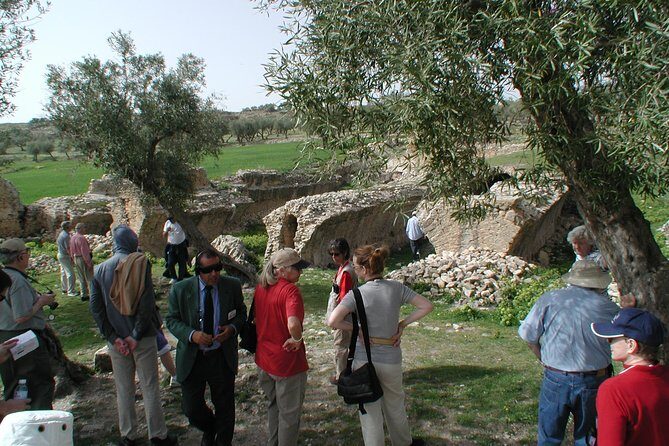
A day like this can go two ways: either it feels like a fun history outing, or it turns into a cranky march under the sun. The included meal helps a lot.
You’ll get lunch at a local restaurant, plus bottled water and coffee and/or tea. That’s exactly what you want on a day trip from Tunis. It means you’re not hunting for food in between sites, and you’re not gambling on what’s open at the right time.
One small but meaningful note: the tour includes water and hot drinks, but alcoholic beverages and soda/pop aren’t included. So if you like a beer with lunch or something fizzy, plan on paying separately.
For me, this is one of the best value levers. When transport is covered, tickets are covered, and lunch is covered, your day becomes predictable. That’s the opposite of a stressful sightseeing loop.
Time on site: enough to see it, not so much you burn out
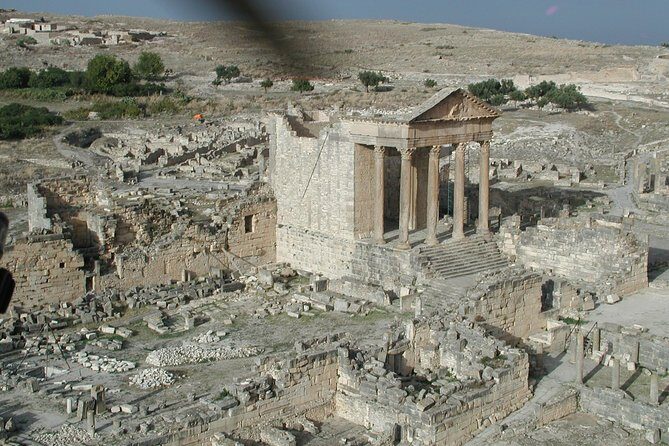
The schedule is built around two main site visits, each at about two hours. That’s a smart balance. Dougga is dense with monuments, and Bulla Regia has a specific “mosaic and villa” theme—so you want enough time to move, read, and notice details without spending the whole day in one spot.
Also, the tour notes a moderate physical fitness level requirement. With ruins, that usually translates to uneven surfaces and walking where shade isn’t guaranteed. Two hours per site is workable if you wear good shoes and take breaks when you need them.
If you prefer slow travel, you can still enjoy this day, but you’ll want to control your expectations. This isn’t designed for couch-potato sightseeing. It’s designed for a full Roman day that stays inside a realistic 8-hour window.
Price and value: what you’re really paying for at $175.29
The price is $175.29 per person, and the value comes from what’s included, not just the destination.
You’re getting:
- Private transportation with an air-conditioned vehicle
- Lunch plus coffee/tea and bottled water
- Admission tickets included for both Dougga and Bulla Regia
- All fees and taxes included
For a day trip, this is where costs can quietly add up. Tickets, transport, and food can become a budget puzzle if you plan it yourself. This tour bundles the essentials so you spend your energy on the ruins rather than the logistics.
Is it “cheap”? No. But it’s priced like a tour that removes friction and keeps your day on track, especially given the travel distance to Bulla Regia. For many visitors, that means more enjoyment per hour—less time waiting, searching, or reworking plans.
If you’re traveling with a small group and want a private feel, the private format can make the price feel more reasonable. If you’re solo and every shared expense matters, you might compare against other group-day options—but you’d likely lose some of the flexibility a private setup offers.
Who should book this Dougga & Bulla Regia private day trip
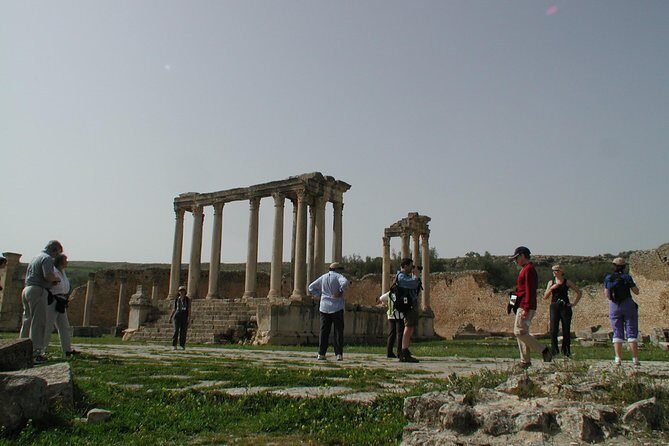
This works best if you want:
- UNESCO Dougga with a clear, logical sequence of Roman monuments
- The standout theme of Bulla Regia mosaics plus climate-adapted villa design
- A smooth private day trip with lunch and tickets already handled
- A guided explanation that helps you read the site layout
It’s a good fit for first-time visitors who want structure, and it’s also a strong choice for Roman history fans who appreciate seeing the city plan, not only isolated highlights.
If you’re traveling with older family members or anyone who struggles with uneven ground, you’ll want to be honest about comfort. Ruins are unpredictable. You can still enjoy them, but the moderate fitness note matters.
Should you book Dougga & Bulla Regia from Tunis?
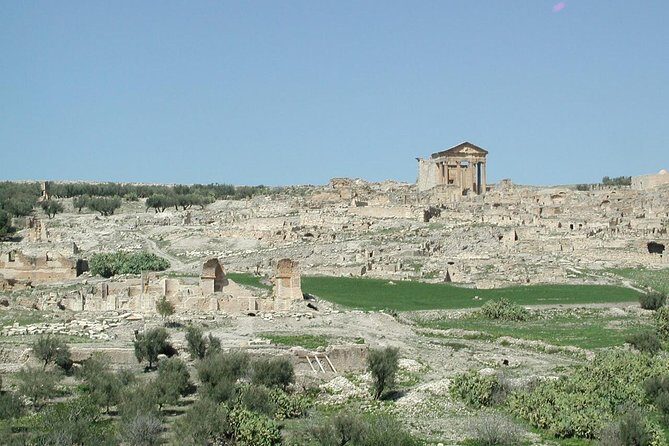
I’d book this if you want a day that feels organized, with the key Roman sights linked in a way that makes sense fast. The combination is especially smart: Dougga for public life and civic architecture, then Bulla Regia for domestic design, mosaics, and that clever above-and-below heat strategy.
Skip it if you hate long drives, want a no-walking sightseeing day, or plan to spend most of the day resting. But if you’re ready for a real, structured ruins day with lunch, tickets, and transport included, this is a strong choice.
FAQ
What time does the day trip start?
The start time is 8:00 am.
How long is the tour?
The duration is about 8 hours.
Where does the tour take place?
It runs from Tunis to Dougga and Bulla Regia in Tunisia.
How far is Bulla Regia from Tunis?
Bulla Régia is about 160 km from Tunis.
What’s included in the price?
Lunch, coffee and/or tea, bottled water, an air-conditioned vehicle, private transportation, and all fees and taxes are included.
What admission costs are covered?
Admission tickets for Dougga and Bulla Regia are included.
Is pickup included?
Pickup is offered.
What isn’t included?
Alcoholic beverages and soda/pop are not included.
Is the tour private?
Yes. It’s a private tour/activity, and only your group will participate.
Is the cancellation policy flexible?
There is free cancellation. You can cancel up to 24 hours in advance for a full refund. If you cancel less than 24 hours before the start time, the amount paid isn’t refunded.