REVIEW · TUNIS
Private Tour to Kairouan, El Jem & Monastir from Tunis_hammamet
Book on Viator →Operated by Didon tours · Bookable on Viator
Three holy cities and one Roman giant. From Tunis, you roll in air-conditioned comfort to Kairouan’s Great Mosque and the El Djem amphitheatre, with time to wander the medina and end at Monastir’s ribat. It’s a tight route, but the stops are built around major monuments that explain Tunisia in one long day.
I love the mix of set sights and breathing room. The spot-on guiding you’ll get—names like Yaya, Kimos and Caulios come up again and again—helps you make sense of what you’re seeing, instead of just snapping photos. A practical drawback: the sites are far enough apart that you’ll spend real time in the car during the 8 to 10 hour day, so it helps to start fresh and patient.
In This Review
- Key highlights worth marking on your map
- Kairouan’s Great Mosque: the Maghreb’s early masterpiece
- The Kairouan medina: souks, Mekroudhs, and craft work
- El Djem amphitheatre: why this Roman “Colosseum” matters
- Monastir’s Ribat: warrior monks, prayer rooms, and a sea view
- Aghlabid basins: the engineering break between big monuments
- Price and logistics: what you’re paying for (and what you’re not)
- How to get the most out of the car-and-site rhythm
- Who should book this tour, and who should think twice
- Should you book Didon Tours for Kairouan, El Djem & Monastir?
- FAQ
- How long is the private tour from Tunis to Kairouan, El Jem and Monastir?
- Is this tour private or shared?
- Does the tour include hotel pickup?
- Which entrances are included in the price?
- Is lunch included?
- What sites are visited during the day?
- Does the tour require good weather?
- How much is the tour per person?
- Is a mobile ticket provided?
Key highlights worth marking on your map
- Kairouan’s Great Mosque first: a 7th-century powerhouse of faith and architecture
- Medina time included: quick access to souks, Les Mekroudhs, and craft stalls
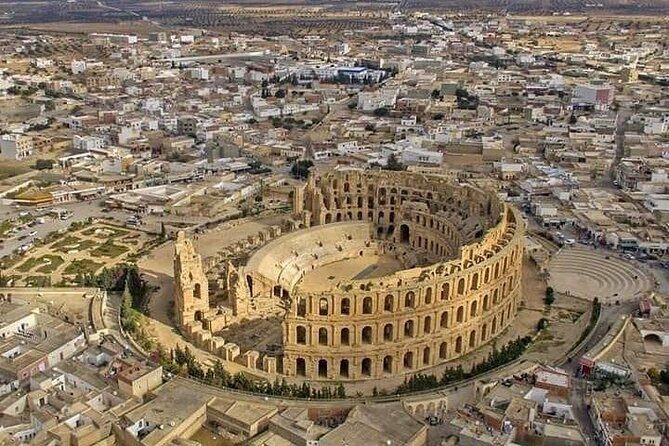
- El Djem’s Roman amphitheatre: a World Heritage Site that held 30,000 people
- Monastir’s Ribat of 796: warrior monks, prayer rooms, and a watchtower with spiral steps
- Aghlabid basins stop: major 9th-century hydraulic works outside the medina walls
- You travel in comfort with tickets handled: entrances are included; lunch is the only obvious missing piece
Kairouan’s Great Mosque: the Maghreb’s early masterpiece
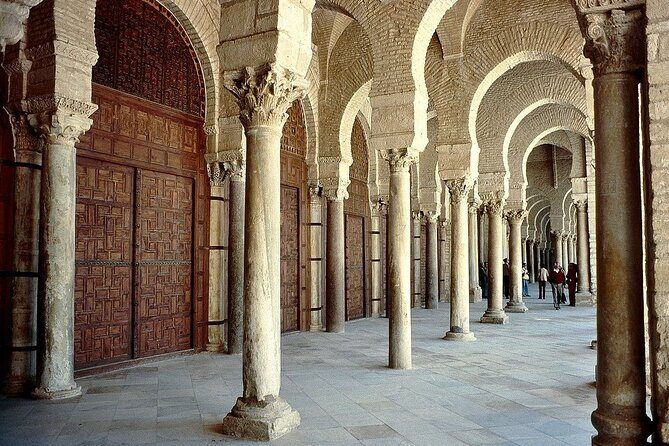
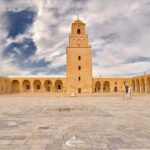
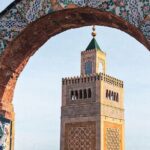
If you care about old architecture, this is your first big hit of the day. Kairouan’s Great Mosque is treated as the symbol of the city, and the scale matches the hype: it’s one of the oldest religious buildings in the Muslim West, linked to Kairouan’s role as the 4th holy city of Islam.
What you’ll notice fast is the structure. The courtyard is huge, bordered by arcades, and it even has a sundial. The main doors are richly carved cedar wood, and once inside, the prayer rooms feel supported by dozens of marble columns. The mosque was built in 670, and its look is described as adobe-fortress-like—mud-brick feeling, fortress mood, very different from what most people expect in a mosque.
Timing is also friendly. You get about 40 minutes here with an admission ticket included, which is enough time to look around without feeling rushed. Still, it’s a sacred space, so keep your pace respectful and steady.
You can also read our reviews of more private tours in Tunis
The Kairouan medina: souks, Mekroudhs, and craft work
After the mosque, the tour shifts gears. The medina of Kairouan is one of Tunisia’s more preserved old quarters, and you get a focused slice of it. You’ll have about 30 minutes for free time, which is the right length for a quick browse without turning the experience into a sprint.
This is where you’ll catch the everyday textures: souks with lots of small stalls, and the chance to try Kairouan pastries, Les Mekroudhs. There’s also artisanal carpet making in the mix, plus time to see how crafts get sold and shown up close.
Here’s the practical mindset I recommend. Use this segment for sensory things: food samples, a few minutes of bargaining talk (even if you don’t buy), and looking at workmanship. Save big purchases for a moment when you can compare and think calmly—because the day moves on quickly.
El Djem amphitheatre: why this Roman “Colosseum” matters
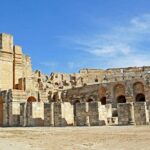
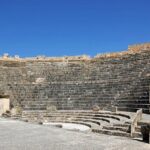
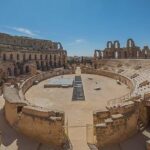
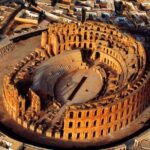
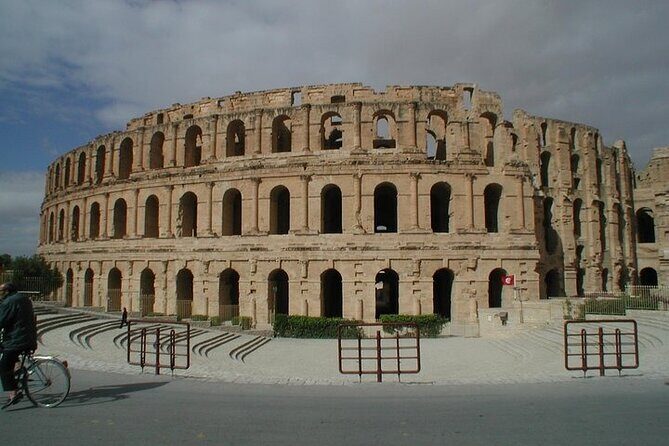
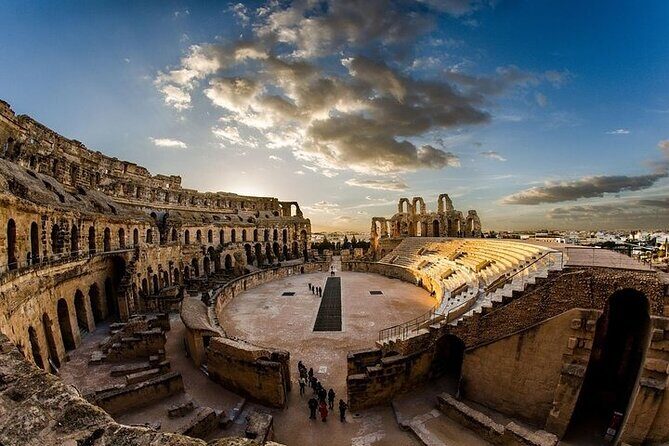
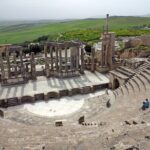
El Djem is the Roman stop that makes a lot of people’s day feel instantly worth it. The amphitheatre is a 3rd-century AD foundation and it’s UNESCO-listed since 1972. In plain numbers, it can hold around 30,000 spectators, and it’s described as the third-largest in the Roman world after Rome and Capua.
You don’t just get a wall view. You’re there to experience the amphitheatre as a space built for crowds—open seating lines, the sense of scale, and the engineering logic of where people would sit and gather. It’s called the most impressive Roman monument in Africa, and you’ll understand that label faster than you might expect.
Time is around 40 minutes, and there’s an admission ticket included. That’s enough to walk, look up, and take photos without feeling stuck. If you’re the kind of traveler who likes Roman history but hates the “museum only” feel, this is the version that actually lets you stand where the crowds once were.
Monastir’s Ribat: warrior monks, prayer rooms, and a sea view
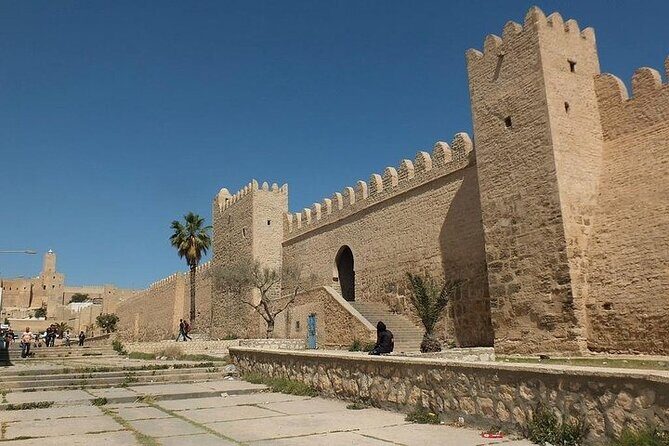
Then you head to Monastir for the ribat—another kind of monument, more military on the outside, spiritual on the inside. The Ribat of Monastir is described as the oldest and most important defensive work along the Maghreb coast erected by the Arab conquerors at the dawn of Islam.
The key year is 796. After that, it went through multiple medieval renovations. The building layout is a quadrilateral, made of four main buildings opening onto two interior courtyards. What’s interesting is the balance of functions: small cells for the “warrior monks” who handled military duties while devoting themselves to prayer and contemplation.
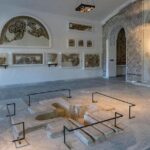
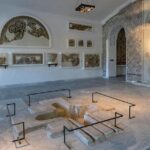
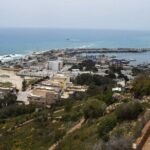
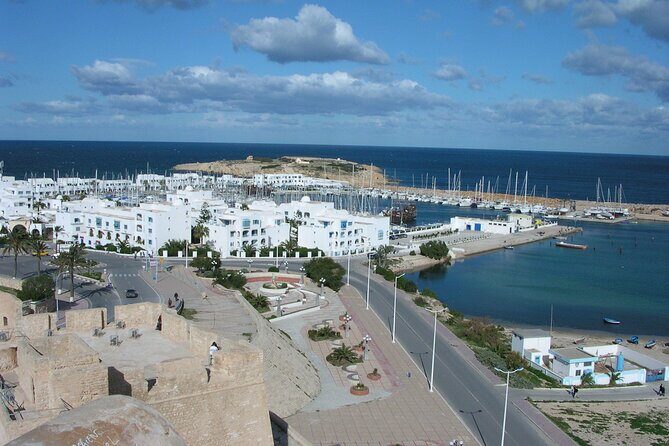
There are prayer rooms too, and the most spacious one now holds rare collectibles related to worship and medieval crafts. If you climb, you’ll earn the effort. A hundred spiral steps lead to the watchtower, and from the top you get a superb view over Monastir and the sea.
One detail I really like here is how the ribats connected. The watchtower is part of a system described as sending luminous messages at night to neighboring ribats. Even if you’re not doing it for the romance of history, it adds context for why these coastal structures were built where they were.
You’ll have about 40 minutes here, and the entrance is included.
Aghlabid basins: the engineering break between big monuments
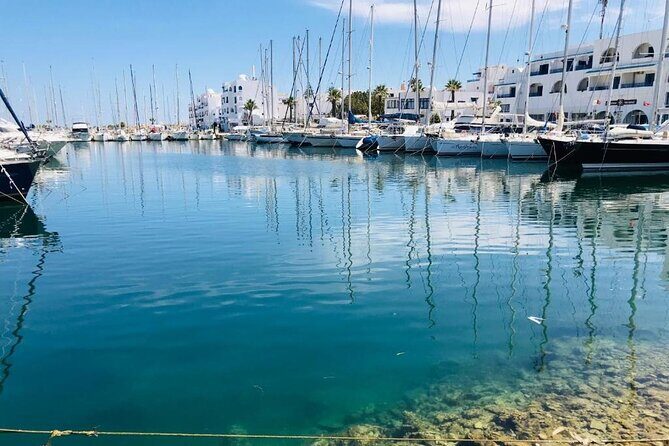
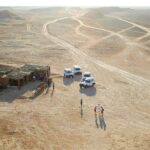
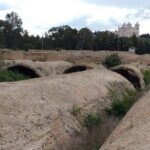
After the ribat, you get a calmer stop: the Aghlabid basins. These are located outside the ramparts of the medina of Kairouan, and they’re dated to the beginning of the second half of the 9th century.
The big idea is water. The basins are considered the most important hydraulic works in the history of the Muslim world. That’s a huge claim, and the value for you is that it puts Tunisia’s story beyond palaces and religious buildings. It shows how societies organized water supply and infrastructure.
You’ll spend about 20 minutes here with an admission ticket included. I like this stop because it gives your brain a reset before the day winds down. Even if you’re not an engineering person, you’ll likely appreciate the scale and purpose.
Price and logistics: what you’re paying for (and what you’re not)
The price is $98.48 per person, and the day is typically 8 to 10 hours. For a route that covers Kairouan, El Djem, and Monastir with several major sites, the value comes from what’s bundled.
You’re getting:
- a certified professional tourist guide
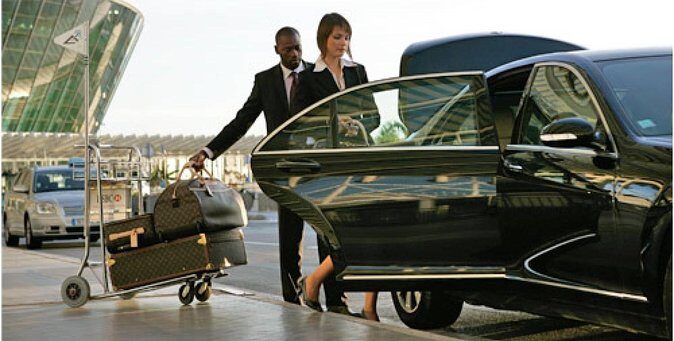
- an air-conditioned vehicle
- entrance tickets to the Great Mosque of Kairouan, the medina (entry covered), the El Djem amphitheatre, the Forte El Ribat, and the Aghlabid basins
- GST included
- pickup offered, plus a mobile ticket
Lunch is the only thing listed as not included. That matters because a full day like this needs a plan for eating. If you don’t want to figure it out on the fly, build in a simple lunch stop decision before you set out.
One more practical note: the day is private. That can be a big comfort advantage because you’re not stuck with other people’s pace, bathroom timing, or shopping habits. On the road, driving skills also matter, because the sites are spread out and you’ll be in transit for a while.
How to get the most out of the car-and-site rhythm
This route works when you treat it like a long guided “history loop.” Kairouan hits early with the mosque, then you get medina time. El Djem follows as the Roman shock. Monastir finishes with the ribat and views, and then the basins close the loop.
That rhythm is useful for your attention span. You get focused viewing windows—40 minutes here, 30 minutes there—so you’re not wandering all day. But it still stays an all-day commitment, and some of your energy will go into travel.
A small, smart trick: before you arrive at each main stop, decide your goal. At the Great Mosque, your goal might be architecture and layout. At El Djem, your goal might be scale and the crowd geometry. At the ribat, your goal might be the watchtower climb and the sea view.
Also, guides make a real difference on this kind of day. People mention guides like Bilal, Ahmed, Chaouki, Beligh, and Caulios, and the recurring theme is that they keep the day organized and explain what you’re seeing in a way that actually sticks.
Who should book this tour, and who should think twice
This is a great fit if you like:
- Islamic architecture and early North African history (Kairouan’s mosque and Aghlabid basins)
- Roman sites you can walk through (El Djem’s amphitheatre)
- coastal history with a military-and-spiritual angle (Monastir’s ribat)
It’s also a strong option if you want your day to feel safe and managed. Some guides and drivers are praised for arriving on time and keeping the experience smooth, which matters when you’re doing this from a hotel rather than assembling transport yourself.
Think twice if:
- you get worn out by long stretches of road time. The stops are worth it, but it’s still a long day.
- you want a slow travel pace with lots of free time. This plan gives you structured chunks, not hours and hours of wandering.
Finally, about shopping: there’s at least one cautionary story connected to carpet buying on similar outings. My advice is simple—if you get taken to a sales spot, treat it as optional. Ask direct questions and don’t feel rushed into buying anything that someone calls authentic.
Should you book Didon Tours for Kairouan, El Djem & Monastir?
If your goal is maximum landmark value in one day, I’d book it. You get major monuments across three eras—early Islamic North Africa, Roman imperial scale, and coastal defensive spirituality—plus tickets handled and a guide explaining the connections as you go.
The decision comes down to your tolerance for a long day. If you can handle 8 to 10 hours with plenty of driving, this tour is a very efficient way to see why Kairouan, El Djem, and Monastir are all on Tunisia’s “must” list.
One more practical reassurance: the experience depends on good weather, and there’s free cancellation up to 24 hours before start time. If conditions look rough, you won’t be forced to push through.
FAQ
How long is the private tour from Tunis to Kairouan, El Jem and Monastir?
It typically runs about 8 to 10 hours.
Is this tour private or shared?
It’s private. Only your group participates.
Does the tour include hotel pickup?
Yes, pickup is offered.
Which entrances are included in the price?
Admission tickets are included for the Great Mosque of Kairouan, the Medina of Kairouan, the Amphitheatre of El Jem, the Forte El Ribat, and the Aghlabid basins.
Is lunch included?
No, lunch isn’t included.
What sites are visited during the day?
You’ll visit the Great Mosque of Kairouan, have free time in the Medina of Kairouan, see the Amphitheatre of El Jem, visit the Ribat of Monastir, and stop at the Aghlabid basins.
Does the tour require good weather?
Yes. The experience requires good weather. If it’s canceled due to poor weather, you’ll be offered a different date or a full refund.
How much is the tour per person?
The price is listed as $98.48 per person.
Is a mobile ticket provided?
Yes, a mobile ticket is included.
If you want, tell me your travel month and whether you prefer more walking or more looking from fixed viewpoints, and I’ll help you pick the best pacing for this exact day.