REVIEW · DJERBA
The three desert and mountain oases
Book on Viator →Operated by Depart Travel Services · Bookable on Viator
Desert stars are the real headline here. This South Tunisia circuit strings together ksours, the Reg (desert of rocks), and the Erg (dune desert) with nights where the sky feels close. I like the way the trip mixes big scenery with real daily life—eating with people along the route and building context for what you’re seeing.
What I love most is the small-group feel and the way you’re not stuck on a rigid schedule. With a maximum of 15 travelers and a dedicated driver/guide team (approved by the Tunisian Tourist Office), you get clear explanations and the chance to match the pace to your interests.
One thing to consider: this is an outdoor desert-and-mountain itinerary, so comfort varies by night. You’ll sleep in hotel and guesthouse options, but also in tents, and the whole trip depends on weather working out.
In This Review
- Key things that make this tour stand out
- South Tunisia, stitched together by desert, salt, and oases
- Your ride: privatized vehicle, air-conditioned comfort, and less hassle
- Tataouine ksours: mud-brick fortresses with real purpose
- Reg (desert of rocks) to Erg (dune desert): two deserts, one attitude
- Salt lakes and dune crossings: where the route becomes the story
- Mountain oases: the cooler contrast you’ll want after the dunes
- Sleep in tents, then in different lodging: comfort expectations, honestly
- Meals with inhabitants: why included food matters on this route
- Star Wars filming sites: seeing movie locations with grown-up context
- The guide/driver team: clarity, punctuality, and good explanations
- Price and value: what $2,033.38 is really paying for
- Who should book—and who should think twice
- Should you book the three desert and mountain oases tour?
- FAQ
- What is the meeting point and start time?
- How long is the tour?
- How big is the group?
- What’s included in the price?
- What isn’t included?
- Do I get a private vehicle and a guide?
- Is the itinerary customizable?
- Is the tour dependent on weather or minimum group size?
Key things that make this tour stand out
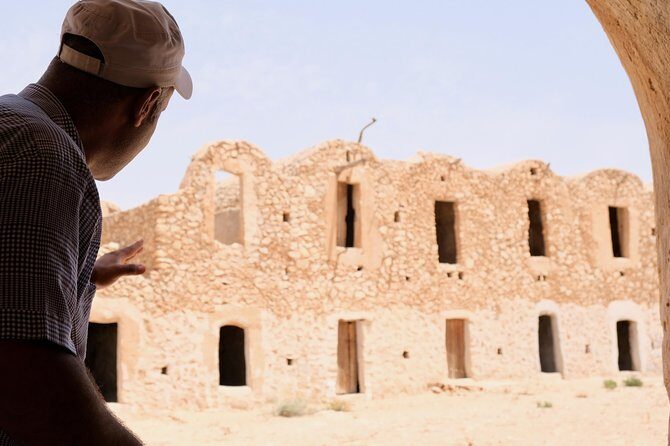
- A big South Tunisia loop: ksours of Tataouine, Reg rocks, Erg dunes, salt lakes, and mountain oases
- Starry-night potential: a camp night under tent skies where the Milky Way can feel within reach
- Local daily-life focus: you eat at the inhabitants, not just in set restaurants
- Small group logistics: maximum 15 travelers in a privatized, air-conditioned vehicle
- Star Wars filming sites included: you’ll see locations tied to the movies without turning it into a theme park
South Tunisia, stitched together by desert, salt, and oases
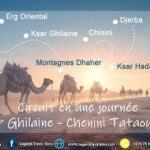
This is the kind of trip that doesn’t treat southern Tunisia like a checklist. You start from Djerba, then work your way deeper into the country’s desert heart—switching between rock desert, dune desert, salt flats, and cooler mountain oasis areas.
The most useful way to think about it: you’re seeing how people live when the environment changes fast. The ksours, the rock fields, the shifting dunes, and the palm-and-water pockets all have different logic. That’s why the variety matters. It turns photos into understanding.
You’ll also get a surprising cultural layer. The tour isn’t just about driving past sights; it’s built around meals with locals and time in places where daily rhythms still matter.
You can also read our reviews of more tours and experiences in Djerba.
Your ride: privatized vehicle, air-conditioned comfort, and less hassle
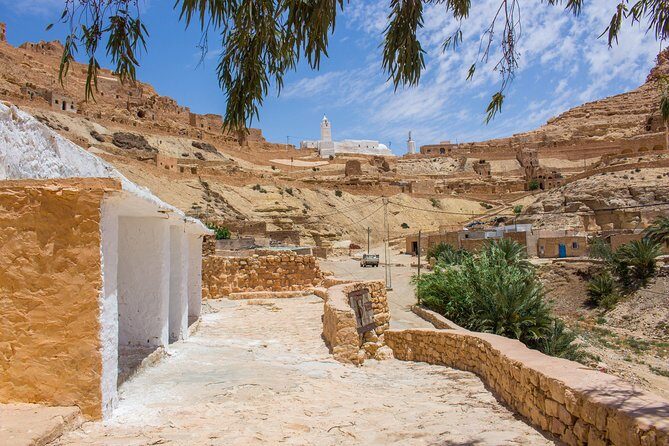
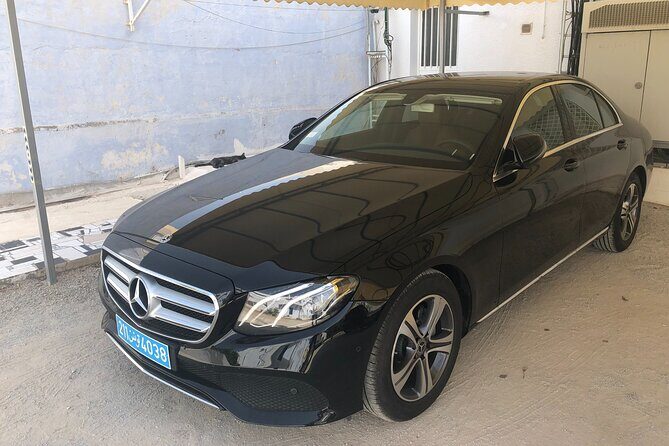
You’ll travel in a privatized vehicle with an air-conditioned interior. That’s not a minor detail in southern Tunisia. Long stretches between stops can be hot, dusty, and slow on the eyes—so having AC helps you stay human, not baked.
You also avoid the worst part of group travel: waiting around for everyone to shuffle in and out of public transport. With a dedicated driver and guide, timing tends to be smoother, and the day feels more continuous.
Small group size is another quiet win. With up to 15 travelers, you can actually hear explanations, ask questions, and learn names of places instead of just snapping pictures while moving on.
Tataouine ksours: mud-brick fortresses with real purpose
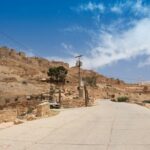
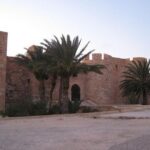
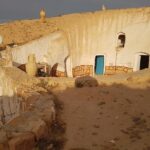
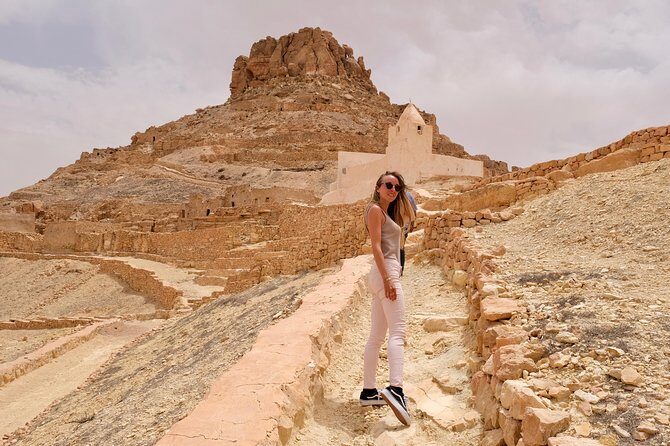
Tataouine’s ksours are where the “human” story kicks in. These mud-brick structures are built to make living possible in a harsh environment, and the details usually make more sense once someone points them out.
I like starting here because it gives you a reference point. When you later reach the desert of rocks and the dune desert, you understand that survival isn’t random—it’s architecture, water sense, and community planning. Tataouine is one of the places where you can feel that logic.
A practical note: ksours are best with time to walk slowly. You’ll get more from them if you wear shoes you trust on uneven ground and keep water handy.
Reg (desert of rocks) to Erg (dune desert): two deserts, one attitude
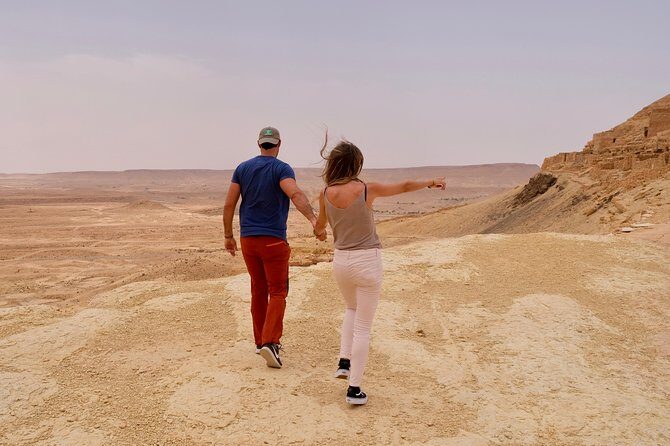
Southern Tunisia makes a clean argument: desert is not just one thing. The Reg—rocky desert—feels ancient and blunt. The ground isn’t soft and shifting; it’s gritty, solid, and full of texture.
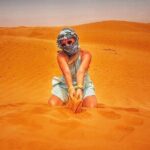
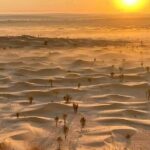
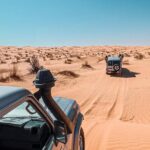
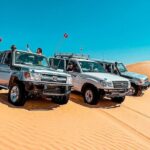
Then you move into the Erg, the dune sea. This is where light does its best work. Even without fancy thinking, dunes give you moving patterns as the sun changes. It’s one of those places where the scenery keeps rewriting itself, and it rewards patience.
What I’d tell you to bring mental energy for: both deserts can feel visually similar at first glance. The trick is to watch for how the terrain affects your sense of distance. In rocky areas, landmarks can show up differently than in open dune fields, and it changes how you judge the scale.
The tour’s value here is that you don’t treat Reg and Erg like two backdrops. You get a circuit that actually lets you compare them.
Salt lakes and dune crossings: where the route becomes the story
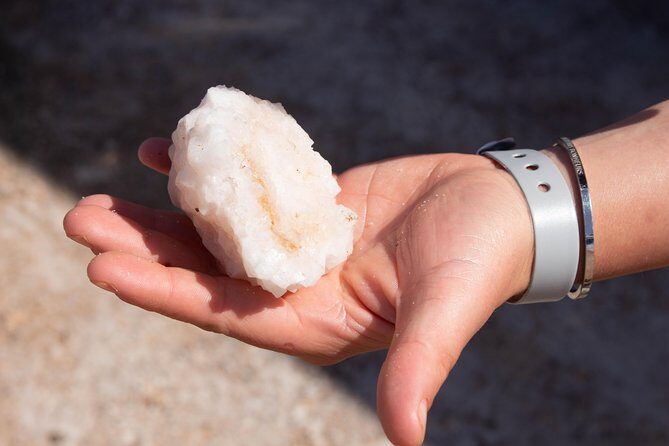
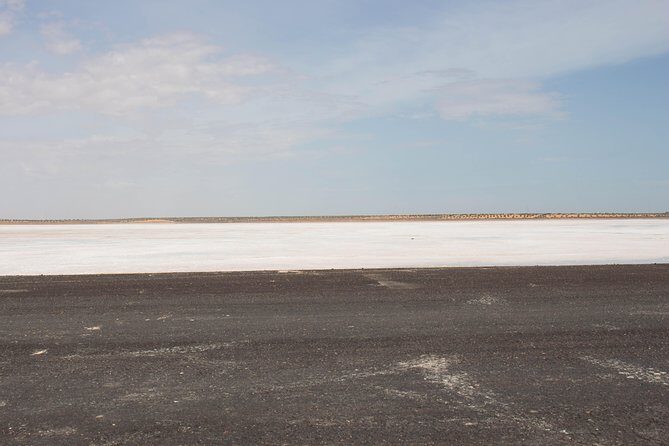
Crossing salt lakes and dune areas is where you really notice the environment working on you. Salt flats can look almost unreal, and the surface can feel different underfoot. Dunes add wind, glare, and that slow “everything is further than it looks” feeling.
This portion matters because it turns travel into observation. You start seeing how water disappears, how surfaces reflect light, and how routes make sense when the terrain is mostly open.
A small consideration: this kind of terrain can be hard on gear. Dust and salt don’t play fair with electronics, zippers, and anything you care about too much. If you’re bringing a camera or phone, keep it protected and expect to wipe it down at least once a day.
Mountain oases: the cooler contrast you’ll want after the dunes
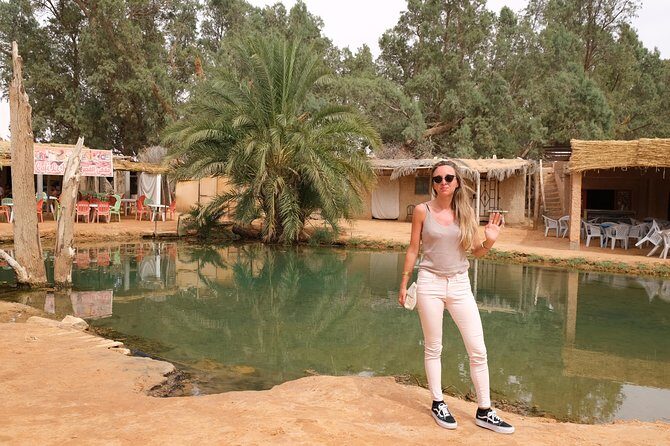
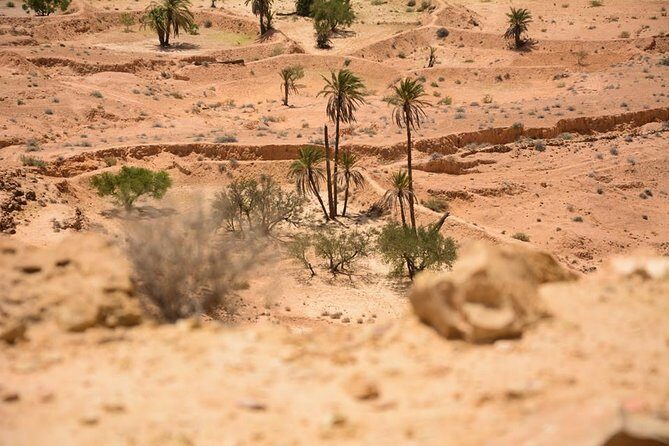
After the emptiness, mountain oases feel like a switch. These are the places where life concentrates around whatever water source exists, and you’ll see the change in how vegetation clusters and how people manage daily needs.
This contrast is part of why the itinerary works. If you only did dunes, the days could blur together. Adding oasis stops gives you a reason to pause, breathe, and reset.
I also like the way the tour describes exploration of mountain oases instead of just passing through. That’s usually what separates a good desert tour from a drive-by.
Sleep in tents, then in different lodging: comfort expectations, honestly
One of the big promises here is a night sleeping in tents, with a sky that can put the Milky Way close enough to feel real. That’s a powerful moment on any desert trip, because it changes how quiet feels.
But I want to set expectations fairly. Since the tour includes multiple accommodation types—hotel, guesthouse, and camp under tent—your comfort level will shift day to day. Some nights will feel easy. Some nights will feel more “adventure travel” than “hotel vacation.”
If you’re sensitive to cold at night, desert temperature drops can be significant. Bring layers you can actually use in wind and darkness. Even if days are warm, evenings can surprise you.
If you love the idea of sleeping outdoors but don’t love roughing it, you’ll still likely enjoy the mix. The whole point is that the itinerary doesn’t keep you in one comfort bubble.
Meals with inhabitants: why included food matters on this route
You’ll have meals included for multiple days—breakfast and dinner each listed as included seven times, plus lunch seven times. That matters because in desert-and-oasis routes, stopping for meals can turn into a big time-sink.
Even more important: the tour highlights eating with people in the area. That’s where you get the daily-life context you can’t Google. Shared meals help you understand what people grow, what they cook, and what hospitality looks like when you’re not just a passing car full of tourists.
Practical tip for you: with included meals, you still want to plan for drinks and personal needs, since beverages and personal expenses are not included. If you have dietary requirements, it’s worth discussing ahead of time with the provider so expectations line up.
Star Wars filming sites: seeing movie locations with grown-up context
This circuit includes sites where Star Wars was filmed. The key is how the tour handles it: not as a gimmick, but as a way to connect pop-culture geography to real places.
I like that approach because it makes the locations more than a photo stop. You’re already traveling through ksours, rock deserts, dunes, and oases—so the movie connection becomes an extra layer you can enjoy without losing the point of the trip.
If you’re a fan, you’ll probably spot the mood immediately. If you’re not, you’ll still get something out of it: a reminder that filmmakers chase the same light, scale, and emptiness you came here for.
The guide/driver team: clarity, punctuality, and good explanations
This tour runs with a driver and a guide team. The guide is approved by the Tunisian Tourist Office, and reviews praise strong communication and professionalism.
Names that show up in past feedback include Aymen (praised for kindness and professionalism), Fami and Mounir (praised for meeting requests and keeping the plan smooth), and drivers like Walid and Kaled (praised for punctuality, a clean vehicle, and excellent driving). Another guide name that appears is Zizou, specifically linked to an unforgettable desert experience.
You don’t need to memorize names—but it’s useful to know the team style you’re likely to get: on this route, good guidance is what turns long driving days into meaningful stops.
Price and value: what $2,033.38 is really paying for
The price listed is $2,033.38 per person for about 8 days, with group discounts. That number can look steep until you break down what’s included.
You’re paying for:
- a privatized air-conditioned vehicle
- a driver and a guide team
- multiple meals (breakfast, lunch, dinner)
- the logistics of moving through desert, salt flats, and mountain oases
- sleeping arrangements that include tents plus other lodging types
- planned time at major highlights, including Star Wars-related sites
If you tried to DIY this route, you’d quickly end up buying the same services separately: transport, guides, food stops, and accommodation juggling across multiple regions. The tour price is basically bundling the work into one plan, and that usually saves you stress as much as money.
My practical take: it’s best value when you want the route covered efficiently, with guidance that helps you understand what you’re seeing.
Who should book—and who should think twice
This tour fits best if you want:
- a small-group desert circuit with guiding and meals handled
- big variety: Reg + Erg + salt lakes + mountain oases
- the chance to sleep under tent skies and see the Milky Way
- Star Wars locations as an extra bonus, not the whole reason
You might think twice if you:
- want guaranteed hotel comfort every night (some nights are tent camping)
- hate long drives between remote areas
- have tight schedules where flexibility matters less than strict timing
On balance, it’s ideal for travelers who like getting out of the beach-and-bus routine and replacing it with real geography and daily-life encounters.
Should you book the three desert and mountain oases tour?
If your dream is a full South Tunisia loop—ksours, rocky desert, dune desert, salt flats, and mountain oases—this is one of the more coherent ways to do it. The small group size, included meals, and dedicated vehicle/guide team add up to real value, not just sightseeing.
Book it if you’re excited by tent camping in a desert setting and you’re comfortable with varying accommodations. Don’t book it if you need every night to be the same level of comfort.
If you decide yes, pack for dust and cool nights, and plan to stay curious. This trip rewards attention.
FAQ
What is the meeting point and start time?
The tour starts in Djerba, Tunisia, and it begins at 8:00 am. It ends back at the same meeting point.
How long is the tour?
The duration is listed as approximately 8 days.
How big is the group?
The tour has a maximum of 15 travelers.
What’s included in the price?
Included items are air-conditioned vehicle, breakfast (7), lunch (7), and dinner (7).
What isn’t included?
Beverages and personal expenses, flights, and optional activities offered on site are not included.
Do I get a private vehicle and a guide?
Yes. You travel in a privatized vehicle and are supervised by a driver and a guide approved by the Tunisian Tourist Office.
Is the itinerary customizable?
Yes. The tour is described as customizable according to your tastes and preferences, including possible duration adjustments.
Is the tour dependent on weather or minimum group size?
Yes. It requires good weather, and it can be canceled if minimum traveler numbers aren’t met. If canceled for weather, you’ll be offered a different date or a full refund.