REVIEW · DJERBA
Desert tours and adventurous camel trekking through the Sahara
Book on Viator →Operated by Wüstentour - Tunesien - Douz - Kameltrekking · Bookable on Viator
The dunes talk in whispers. On this 8-day private Sahara circuit from Djerba, the real draw is Sahara silence and camel trekking with a Bedouin team led by Mounir; you’ll also get the extra culture stops of Douz and Matmata. One thing to weigh: the price is high for some people’s budget, especially if you want the most time possible on the sand for the money.
I like how the trip is built around real desert life, not just quick photo stops. You ride or hike through fine dunes, spend evenings around the campfire with home-cooked food, and get that star-filled sky moment where your phone feels totally useless. If you prefer a tighter pace, you should know the route is slow by design, and comfort depends a lot on weather.
The upside is big. You’re also not locked into only desert: you finish with souks and cave dwellings, then head back by ferry to Djerba. The trade-off is that you need moderate physical fitness and you’ll be comfortable going without modern conveniences—this is a true break from the everyday.
In This Review
- Key highlights worth noticing before you go
- Price, time, and what you’re actually paying for
- Entering the Erg: first desert night from the Douz area
- What a day in the dunes feels like: El Hedan to Bir Abdhull
- Douz: souks, dates, and the Gate of the Desert feeling
- Matmata Troglodyte Houses: cave homes and good questions
- The ferry back to Djerba and the Mediterranean reset
- Food, comfort, and fitness: what to bring your body for
- Is this the right kind of Sahara adventure for you?
- Should you book this Sahara camel trek from Djerba?
- FAQ
- How long is the desert and camel trekking experience?
- Where does the tour start and end?
- Is pickup included?
- Is this tour private?
- What fitness level do I need?
- What happens if weather is poor or if I cancel?
Key highlights worth noticing before you go
- Mounir-led Bedouin crew: Friendly, multi-language guide, and care that feels hands-on rather than rushed.
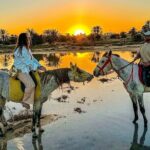
- Camel trekking plus on-foot dune hikes: You can mix riding and walking depending on the day and your comfort.
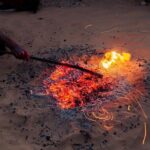
- Bedouin camp evenings: Campfire music, traditional home-cooked meals, and real downtime under the stars.
- Douz as the Gate of the Desert: Souks and a chance to connect with a desert crossing town.
- Matmata Troglodyte Houses: Berber cave dwellings where questions are welcomed.
- Djerba, via ferry: A short Mediterranean ferry ride that breaks up the journey and adds variety.
Price, time, and what you’re actually paying for
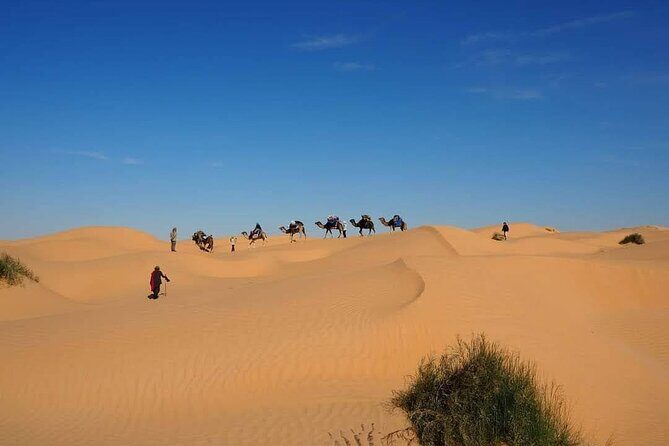
This is an 8-day desert experience based in Tunisia, starting in Djerba and ending back near the meeting point. The price is $1,110.18 per person, and it’s positioned as a private tour, meaning only your group goes with the guide and crew.
So what’s the value here? You’re paying for the full package: transport from Djerba, multiple desert nights, dromedary support, set-up and camp life with the Bedouin team, meals, and guided stops in Douz and Matmata. If you’re hoping for a deluxe hotel version of the Sahara, this isn’t that. If you want a real desert rhythm—silence, dunes, stars, and campfire dinners—this format can be worth it.
One caution: not everyone felt the price matched their expectations. If you’re price-first, compare what’s included (especially how many days you’ll spend in the dunes) and ask yourself if you’re okay paying for a private, guided, camp-based circuit rather than a cheaper group-style trek.
You can also read our reviews of more tours and experiences in Djerba.
Entering the Erg: first desert night from the Douz area
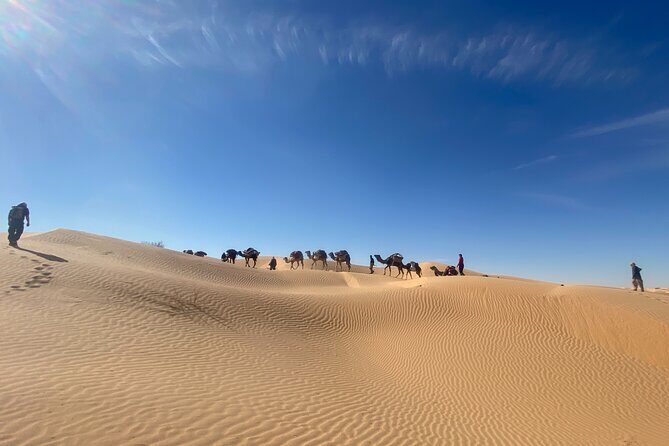
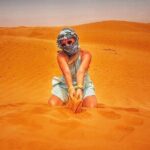
Your day starts from Djerba with pickup offered, then you head toward the desert zone tied to Douz, often called the Gate of the Desert. Douz is known as a typical nomadic village on the edge of the Erg Oriental, and it’s also famous for high-quality dates. You’ll share a meal together there, and if you want a souvenir, you can buy a turban.
After dinner, the desert drive is about 90 minutes into the dunes. Then the Bedouin team and dromedaries are already waiting, and the camp gets set up. This is where the trip changes gears from travel mode into desert mode. Tents go up, and you’re given the option to sleep outdoors under the stars if that sounds good to you—bring the mindset that the night sky is part of the show.
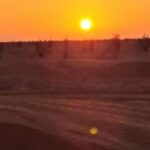
What I love about this start is that it doesn’t feel like a lecture. It feels physical and immediate: first contact with camp life, first taste of silence, first sunset over a sea of sand. You’ll feel the whole digital-detox thing quickly, even if you don’t plan it.
Possible drawback: the desert experience is weather-dependent. You’re going for that open-sky night sky and dune walking, so if conditions are rough, the trip can shift or be canceled and rescheduled.
What a day in the dunes feels like: El Hedan to Bir Abdhull
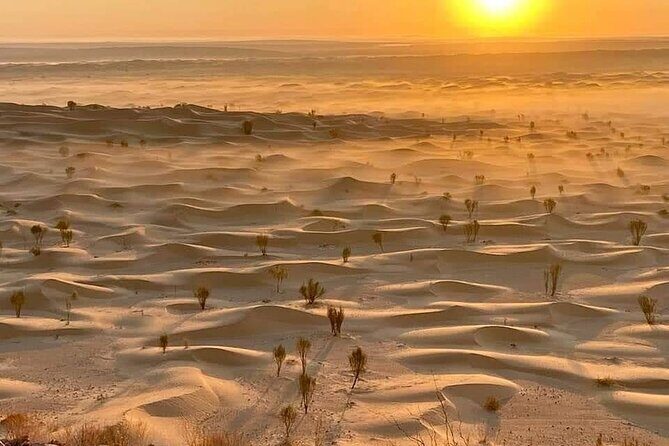
After the first night, the journey continues through several desert bases with stop names like El Hedan, La Ghuezza, Hashiat Erramal, Thuall Erbaier, and Bir Abdhull. These aren’t detailed cultural stops with museums or viewpoints listed; they function as the places where you move camp and keep the trekking going.
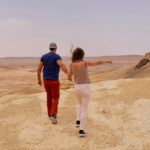
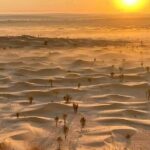
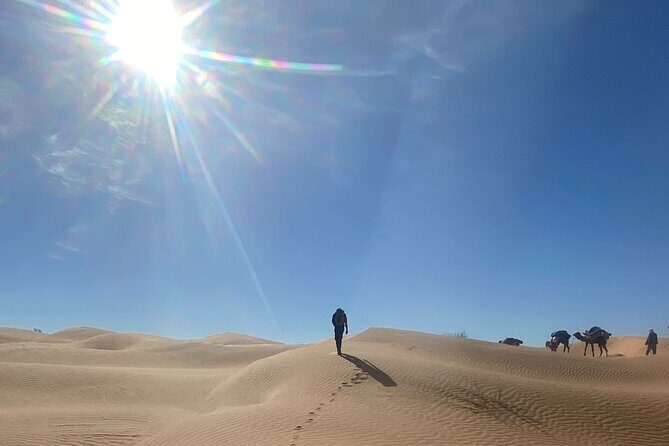
Here’s what you can count on, based on how the experience is described: you’ll spend days hiking through dunes on foot and on camel back, and you’ll close each day with the same desert rhythm—camp setup, dinner, and time outside as the light drops. Expect fine sand, big quiet, and sunsets that land in your memory longer than you think they will.
Look, desert walking isn’t always heroic. Some days you’ll feel like you’re doing sand math with every step. That’s normal. The trip’s advantage is that the Bedouin crew, including Mounir as the guide, helps make the movement practical—so it stays more adventure than suffering.
If you’re a solo person, or you’re traveling with specific comfort needs, it’s smart to ask about camp arrangement and night routines before you go. One piece of feedback flagged concerns about suitability for women traveling alone. That doesn’t mean the trip is unsafe, but it does mean you should do your due diligence and confirm what matters to you.
Douz: souks, dates, and the Gate of the Desert feeling
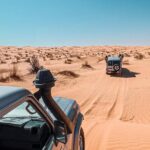
On the seventh day, you’re picked up from the Bedouin camp around 9:00 a.m. in a 4×4 off-road vehicle and driven toward Douz, still tied to the idea of a Sahara crossing point. This part matters because it brings you back to civilization in a controlled way—not a big city shock, but enough to reset.
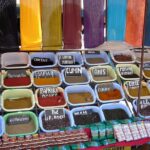
In Douz, you get about 4 hours to visit the city center and the traditional souks. This is where you can see how desert life meets daily trading: fabrics, small goods, and that practical energy of a town that lives close to the desert edge. Douz is also known for dates, and that connection shows up in how people talk about the place.
If you like your desert experience balanced with a bit of human routine, Douz is a great landing spot. It’s not just a stop for photos; you get time to move through markets at an unhurried pace.
Matmata Troglodyte Houses: cave homes and good questions
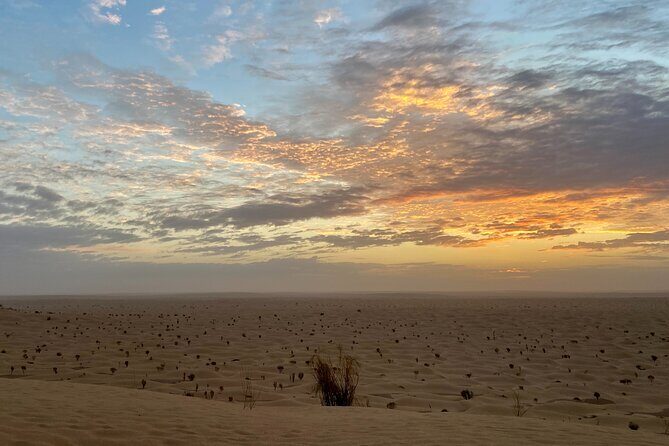
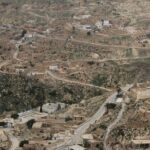
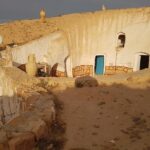
After Douz, it’s about 1.5 hours by drive to Matmata. Here, the highlight is the Troglodyte Houses, the cave dwellings associated with Berber (Amazigh) life. The tour includes a visit to one cave dwelling so you can get an idea of how people lived and how the spaces work.
One thing I really like about this kind of visit is the attitude: taking photos and asking questions is welcomed by the owners. That makes it feel like a conversation rather than a performance.
Practical note: cave homes can be cool and shaded compared to outside. Even if you’re dusty and sand-worn from the dunes, Matmata can feel like a breather—different environment, different pace, and a chance to connect desert life to human adaptation.

The ferry back to Djerba and the Mediterranean reset
Your route includes a short ferry crossing, about 20 minutes, across the Mediterranean where you leave the mainland and head back toward Djerba. This might seem like a small detail, but it helps break up the trip. After days of moving through desert space, it’s a relief to shift to a calmer crossing and then follow the coast back to the island.
Djerba is described as known for olive groves and that Mediterranean “Caribbean” vibe people associate with turquoise-blue sea and sandy beaches. Even if you don’t spend beach time, you’ll feel the difference when the island scenery takes over.
Then on the final day, you eat breakfast and, depending on flight time, you transfer to the airport. It’s a clean wrap, so you’re not stuck scrambling for your next plan.
Food, comfort, and fitness: what to bring your body for
This tour is designed for people with moderate physical fitness. That doesn’t mean you need athletic training, but you do need to be okay with walking on sand and spending time outdoors. Camel riding is part of the mix, which can make things more manageable, but you still won’t be sitting in a chair all day.
Sleeping can be the biggest wildcard. On the first desert night, if you prefer it, you can sleep outdoors under the stars and use your sleeping bag. That’s romantic on paper—and it can be wonderful—but it also means you should come prepared for outdoor conditions. If you’re the kind of person who gets cold easily, plan accordingly.
Food is a strong point. The experience description calls out traditional, home-cooked dishes, and at least one vegetarian option was included. That doesn’t mean you should expect a restaurant-style menu, but it does mean you’re not just eating whatever the crew found that day.
One more comfort reality check: desert trips don’t mean “roughing it” for everyone, but they do mean you trade predictable comfort for atmosphere. If you go in with that mindset, you’ll have a better time.
Is this the right kind of Sahara adventure for you?
This experience fits best if you want a mix of real desert time and hands-on cultural stops. You’ll enjoy it if:
- You like camel trekking and don’t mind dune walking as part of the fun.
- You value campfire evenings, camp meals, and the starry-sky payoff.
- You’re curious about Berber life in Matmata and prefer a real visit where questions are welcome.
- You want a private setting with a guide like Mounir, who’s described as friendly and organized.
You might want to rethink if:
- Price feels like a deal-breaker, since some people felt the value didn’t match the cost.
- You expect lots of modern comforts, frequent city stops, or short walks that avoid sand effort.
- You want extra reassurance about solo travel comfort—ask specific questions before you book.
Should you book this Sahara camel trek from Djerba?
I’d book it if you’re chasing that specific Sahara feeling: silence at night, dunes that change color fast, and a camp rhythm led by Mounir and the Bedouin team. The Douz souks and Matmata cave homes add real context, so it’s not only about sand—you get a human story layer too.
If you’re on a strict budget, or you mainly want the cheapest way to say you did the Sahara, you’ll probably feel the price more than the magic. In that case, compare options and look hard at how much time you’ll actually spend in the dunes for the money.
If you want the full desert circuit—camels, campfires, stars, and a couple of meaningful culture stops—this one is a strong match.
FAQ
How long is the desert and camel trekking experience?
It runs about 8 days.
Where does the tour start and end?
It starts in Djerba, Tunisia, and ends back at the meeting point.
Is pickup included?
Yes, pickup is offered.
Is this tour private?
Yes, it’s private, so only your group participates.
What fitness level do I need?
A moderate physical fitness level is recommended.
What happens if weather is poor or if I cancel?
The experience requires good weather, and if it’s canceled due to poor weather, you’ll be offered a different date or a full refund. You can cancel up to 6 days in advance for a full refund (with partial and no refunds for shorter timelines as listed in the policy).