REVIEW · DJERBA
One night under the tent: Tataouine – Chenini – Ksar Ghilane – Matmata
Book on Viator →Operated by Depart Travel Services · Bookable on Viator
Two days, three deserts, one starry night. I love the combo of chott salt flats and dune seas, and I love the built-in pause for a natural hot spring soak. The only catch is desert reality: it depends on good weather, and you should expect a bumpy ride and cooler nighttime temps.
I also like how human this trip feels. The guides behind it, such as Samir, Med, Ryad, and Mohamed, tend to explain what you are seeing while keeping things relaxed and well-run at camp. And because it’s private, it’s just your group, not a big parade of strangers.
You’ll have dinner and breakfast included, plus a folk evening for Christmas Eve and a Saharan vigil. Camel and quad rides are optional extra cost, and drinks are not included, so plan for that before you get thirsty in the middle of nowhere.
In This Review
- Key things that make this desert night trip special
- Why this route works: Reg, Erg, and Chott in one stretch
- Tataouine and Chenini: Berber villages and how daily life shapes the journey
- Ksar Ghilane: Hot spring bath, oasis stroll, and dunes you can feel
- The camp night: Dinner, Saharan vigil, and sleeping under real stars
- Folk evening for Christmas Eve: A cultural pause in the desert
- Matmata cave houses: Traditions you can actually see
- Camel or quad rides: Optional fun, with real tradeoffs
- Price and value: What $197.73 buys you (and what it doesn’t)
- Getting the most out of it: Simple prep that makes the desert easier
- Who this desert tent trip suits best
- Should you book? My straight answer
- FAQ
- How long is this Tataouine–Chenini–Ksar Ghilane–Matmata experience?
- Where does the tour take place?
- What desert types will I see?
- Is the overnight stay in a tent included?
- What meals are included?
- Are drinks included?
- Are camel or quad rides included?
- Is there any cultural or evening activity?
- Is this tour private?
- What is the cancellation policy?
- Will I get confirmation right away?
Key things that make this desert night trip special
- Reg, Erg, and Chott in 48 Hours: You’ll see three desert types fast, without feeling like you are doing an endurance test.
- Natural hot spring time: It’s one of the smartest stops on the route because it gives you a break from dust and sun.
- Matmata cave-house traditions: You get off the scenic loop and into how people live in southern Tunisia.
- Clean-feeling camp and a Saharan vigil: The night program is built for star time, not just sleeping.
- Private group pace: Your schedule feels tighter, and you spend less time waiting.
Why this route works: Reg, Erg, and Chott in one stretch
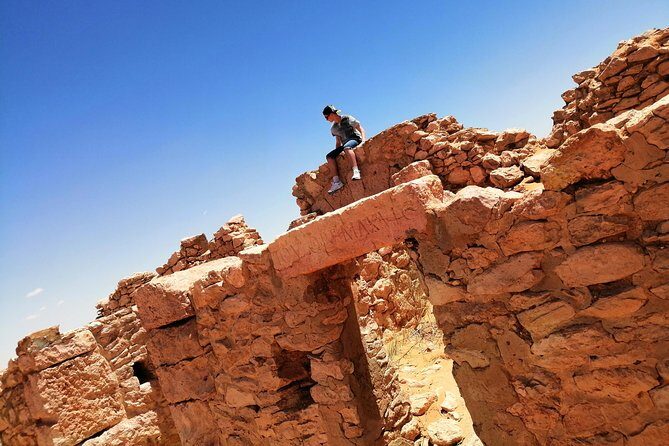
This tour packs a lot into two days, and the reason it works is variety. You are not just driving from one pretty photo spot to the next. You’re moving through different desert textures that change how the land feels underfoot and in the air.
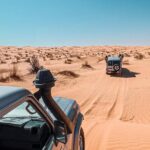
First, there’s the stony reg (think rockier, harder ground). Then you shift into erg dunes, where the sand becomes the main character, and the horizon stretches like it has no off switch. Between those two is the chott, a salt lake environment that looks flat, pale, and slightly otherworldly depending on the light.
For your day-to-day experience, this variety matters. If you hate monotony (and most people do after a while), you’ll appreciate how each leg feels distinct. It also keeps the photography interesting, because the colors and shadows change fast.
One practical note: three desert types in two days means the schedule will be active. You won’t be lying around all day, and you should plan your energy for sun hours. If you are the type who hates tight timing, bring a good attitude and a hat.
You can also read our reviews of more evening experiences in Djerba
Tataouine and Chenini: Berber villages and how daily life shapes the journey
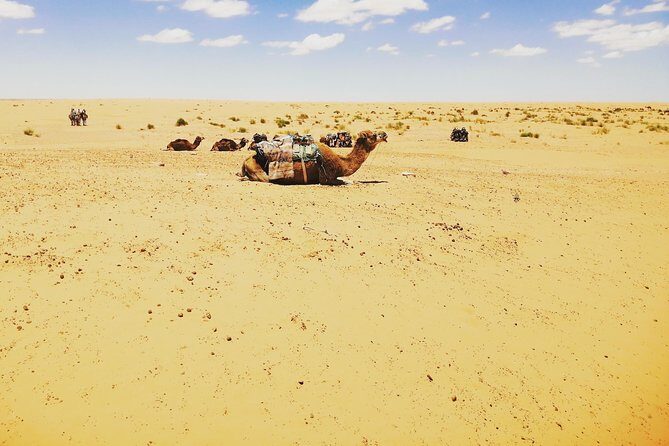
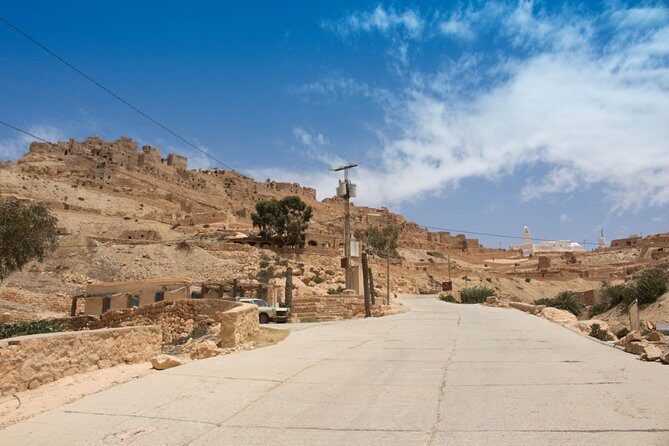
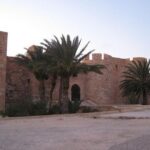
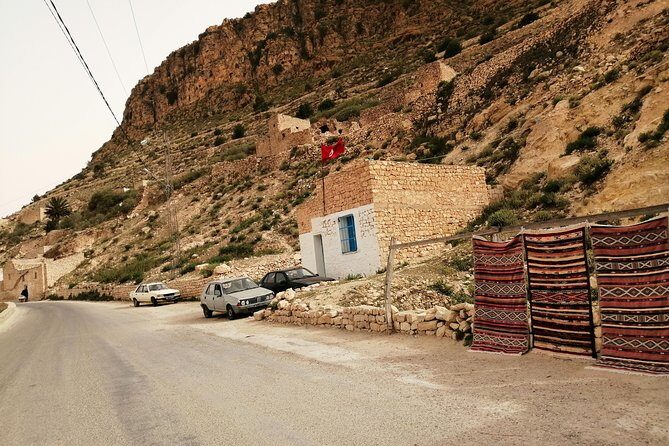
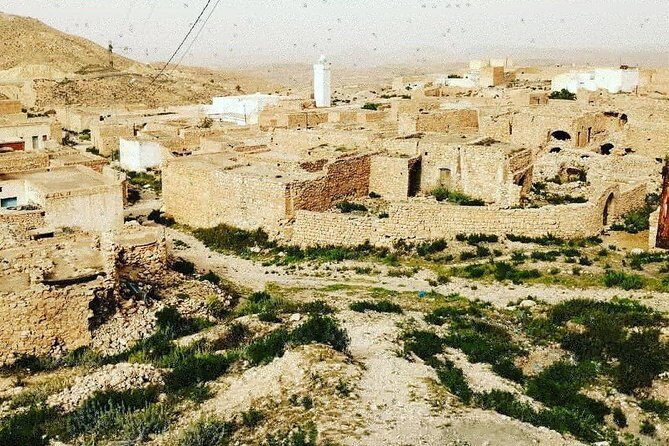
The route runs through Tataouine and Chenini, and the focus here is the people side: Berber village life and traditions in southern Tunisia. This is where the trip feels more like cultural travel than just a vehicle-and-sand tour.
What I like about this segment is that it reframes the desert. Instead of treating the desert as a backdrop, you start seeing it as home. That helps your brain shift from sightseeing mode to understanding mode, especially when the guide explains what you are looking at and how local life adapts to harsh conditions.
A possible consideration: village areas can be busy in ways that are different from European cities. You may spend time walking and standing where it’s hot, dusty, and uneven. That’s normal here, but it’s worth coming prepared with water, sunscreen, and shoes you can trust.
Ksar Ghilane: Hot spring bath, oasis stroll, and dunes you can feel
If you want one stop that makes this trip worth the effort, it’s Ksar Ghilane. This is where the itinerary turns from “look at the desert” to “experience the desert.”
You get time to bathe in a natural hot spring and then stroll in an oasis where greenery softens the aridity. That contrast is the whole point: you’re in a place that can feel brutal, and then suddenly you are surrounded by plants and warm water.
Two practical takeaways:
- The hot spring is one of your best chances to rest your body. After hours under sun, it’s a real relief.
- The water isn’t always pristine. One review noted the oasis water can be a bit dirty. I’d go in expecting natural conditions, not a spa pool.
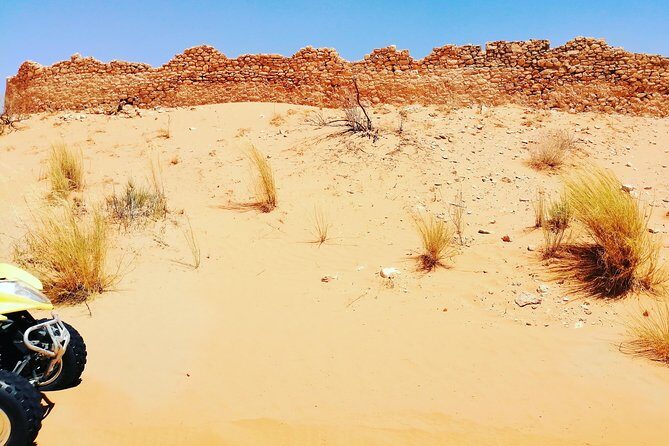
Then comes the fun terrain: the dunes around camp are the reason people sign up for this kind of trip in the first place. If you want motion, the itinerary offers optional camel and quad rides on site. More on that later, but the key is simple: this is where you can trade sitting still for a ride across the erg.
The camp night: Dinner, Saharan vigil, and sleeping under real stars
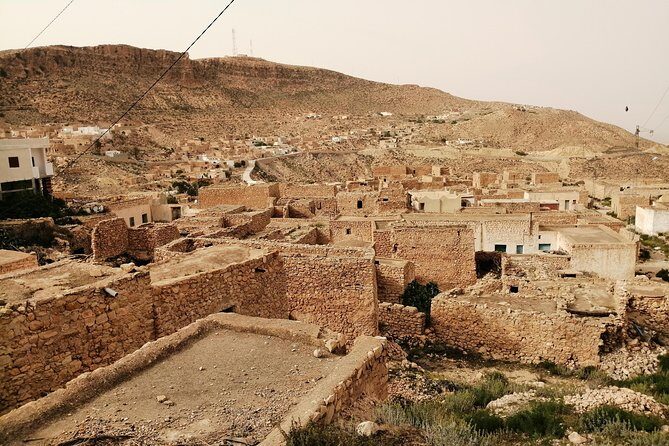
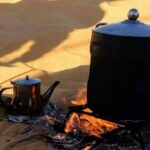
The heart of the experience is your one night in a tent under the stars. This is where the desert shifts from daytime spectacle to nighttime mood.
The camp experience includes dinner and a Saharan vigil, so the night isn’t just you wandering around hoping you get the right sky moment. The vigil is built for that slow, quiet feeling when the desert gets dark and your senses finally catch up.
From reviews, one theme comes up a lot: the camp setup feels organized and clean, not rough-for-the-sake-of-it. One review even called out how well the camp was prepared. That matters because a good night outdoors still needs basics like a workable setup and a comfortable way to pause.
Another thing I like about this part is timing. After meals and activities, you are not rushing to a hotel by a clock. You are allowed to watch the sky change. If you care about starry views, this is the segment you will remember most.
Folk evening for Christmas Eve: A cultural pause in the desert
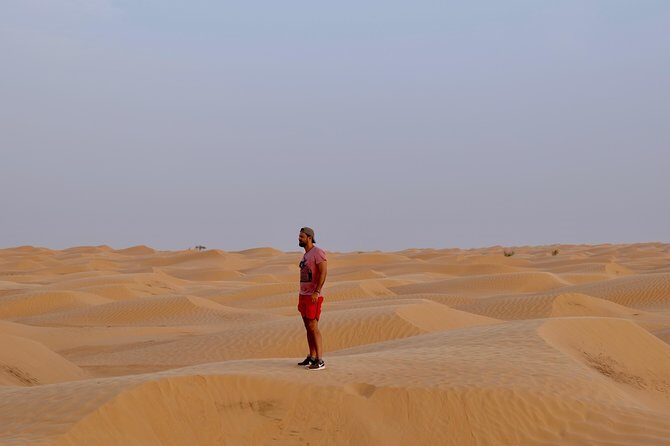
Included in the package is a folk evening for Christmas Eve. If you travel on the right date, you’ll see how celebrations look in this region, and you’ll get a break from the practical outdoors schedule.
This matters because it adds texture. Desert trips can become a one-note story. A folk evening gives you another angle: music, rhythm, and a sense of community—less nature-tour and more human celebration.
If you are traveling in a different season, you might still get an evening program as part of the experience structure. The key point for you: the itinerary is designed to include at least one cultural-style night element, not just bedtime.
Matmata cave houses: Traditions you can actually see
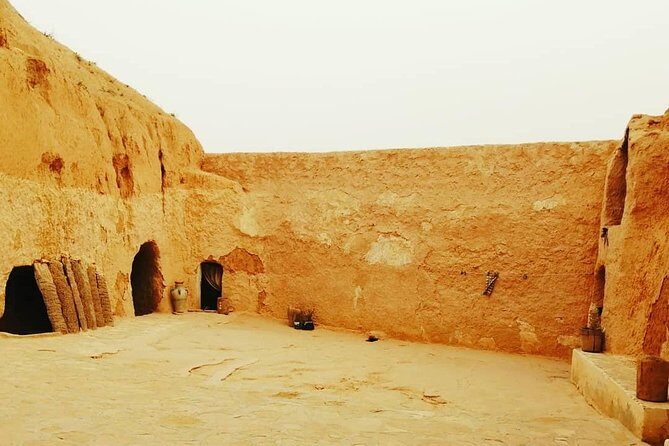
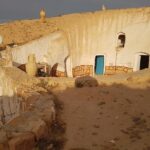
On day two, the route reaches Matmata, and this is the tradition-focused payoff: you’ll visit an inhabitant in his cave house and learn about traditions of southern Tunisia.
This is valuable because cave homes are not just a visual gimmick. They represent how people survive in a place with extreme heat and strong environmental demands. When you meet someone inside that life—however briefly—the whole desert story becomes more grounded.
For practical expectations: cave-house visits usually involve getting a feel for the interiors and learning from someone who lives with the realities of the environment. You should be ready to listen more than to photograph. Ask questions in a respectful way; your guide should help translate and frame things.
The potential drawback is also simple: these spaces can feel dim and cool compared with the outside. If you rely on warm lighting or can’t stand low light, bring patience and set your expectations for the camera.
Camel or quad rides: Optional fun, with real tradeoffs
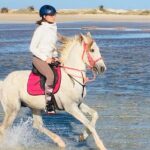
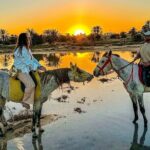
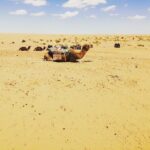
This tour offers optional camel and quad walks on site, but they’re not included in the base price. That’s a good setup for you if you want choice: do the ride if you feel like it, skip it if you’d rather spend the time soaking in the camp atmosphere.
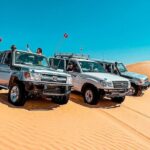
For most people, the camel option feels slower and more traditional. It’s a good way to see dunes without pounding your body. A quad ride is more energetic and can be more thrilling at sunset, but it comes with tradeoffs: more dust, more motion, and more chance you’ll feel worn out afterward.
One review specifically pointed out the quad sunset ride plus the hot spring experience. So if you’re considering both, plan to treat the day as active. It’s not a couch-and-coffee day.
My suggestion: decide based on your tolerance for roughness. Quad riding in desert conditions is not like cruising a paved track. If your back or knees don’t love vibration, go camel or just watch from the ground.
Price and value: What $197.73 buys you (and what it doesn’t)
At $197.73 per person for about two days, the value depends on what you’re comparing it to.
On the plus side, the package includes:
- Dinner and breakfast
- Lunch (2)
- A folk evening for Christmas Eve
- A Saharan vigil
- A full desert route with a tent night and the big nature/culture stops
For many travelers, that bundled structure is the whole benefit. You’re paying for the guided access and the timed stops, not just “a bed in a tent.” You also avoid the hassle of trying to stitch together desert transport, meal plans, and a proper night setup by yourself.
What’s not included:
- Drinks
- Camel and quad rides (optional)
- Tips for the guide and driver
So if you drink a lot of bottled water and sodas in the desert, budget for it. And if you decide you want quad time, add that cost too.
One more value clue: this tour is booked about 22 days in advance on average, which usually means demand is real. If you want a specific date—especially around holidays—don’t wait until the last minute.
Getting the most out of it: Simple prep that makes the desert easier
You can’t fully control desert comfort, but you can control your readiness.
Here are practical things that fit what this itinerary demands (desert heat, stony tracks, sand dunes, a tent night, and a natural hot spring):
- Bring light layers for the day and something warmer for after sundown.
- Wear shoes that handle uneven ground.
- Pack sunscreen and a hat. Shade is limited.
- If you care about the oasis and hot spring experience, go in knowing it’s natural water and conditions.
- Consider your ride choice: camel if you want calmer, quad if you want intensity.
Also, come with an open mind about “intimate” means being flexible. Private tours still run on desert timing, and the best experience usually comes from not treating every minute like a train schedule.
Who this desert tent trip suits best
This is a great fit if you want:
- A short, focused desert sampler (reg, erg, and chott plus salt flats)
- A real night outdoors under stars, not just a day trip
- Cultural learning through a Matmata cave-house visit
- A guided experience with named guides known for kindness and know-how (like Samir, Med, Ryad, and Mohamed)
It’s less ideal if you:
- Hate tight schedules and lots of moving time
- Need resort-level comfort all day
- Are sensitive to dust, uneven ground, or cold night air
Should you book? My straight answer
If you want one of those rare trips where two days feel long in the best way, I’d book this. The mix of desert types, the tent night with a Saharan vigil, and the cave-house tradition stop give you more than “just sand.” And because it’s a private group with included meals and camp structure, you’re not scrambling for logistics.
I’d think twice only if you know you struggle with desert conditions or if you’re traveling when weather might be unpredictable. The experience requires good weather, and that matters more than people expect.
If you’re still deciding, ask yourself one question: Do you want a guided desert night with culture built in, or do you just want pretty desert photos? If it’s the first one, this is a strong choice.
FAQ
How long is this Tataouine–Chenini–Ksar Ghilane–Matmata experience?
It lasts about 2 days.
Where does the tour take place?
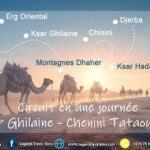
The tour is described as based in Djerba, Tunisia, and it includes stops across Tataouine, Chenini, Ksar Ghilane, and Matmata.
What desert types will I see?
In two days, you’ll see three desert environments: reg, erg, and a chott (a salt lake).
Is the overnight stay in a tent included?
Yes. You spend the night in a tent under the stars.
What meals are included?
Dinner and breakfast are included, and there are two lunches included as well.
Are drinks included?
No. Drinks are not included.
Are camel or quad rides included?
Camel and quad rides are optional, and they are not included in the base price.
Is there any cultural or evening activity?
Yes. There is a folk evening for Christmas Eve and a Saharan vigil.
Is this tour private?
Yes. Only your group participates.
What is the cancellation policy?
You can cancel for a full refund up to 24 hours before the experience’s start time.
Will I get confirmation right away?
You’ll receive confirmation at booking time unless you book within 2 hours of travel, in which case confirmation is received as soon as possible based on availability.