Two UNESCO stops, one long day. This private excursion packs Kairouan and El Jem into a single itinerary, so you get the sacred heart of Tunisia’s Islamic heritage and the scale of Roman North Africa without changing hotels. I especially like how the morning leans spiritual and local, then shifts to big ancient stone and detailed floor mosaics.
I also like the guide-driven pacing. With Ziadi Ilyes, the day has real explanations (and a sense of humor), plus practical help when you’re moving through crowded spots and trying to get the right photos. As a private format, your group only, so you’re not stuck listening to ten different side conversations while you’re trying to understand what you’re seeing.
The main drawback is timing pressure. Kairouan and El Jem are both “big ticket” stops, and if you want extra time in one place, you’ll need to ask. The itinerary covers a lot, so the day can feel fast if you don’t steer it a bit.
In This Review
- Key highlights worth planning for
- Two UNESCO stops in one private day: Kairouan and El Jem
- 8:00 departure and the timing that shapes the day
- Inside Kairouan: Great Mosque, Sidi Saheb, and the ancient medina souk
- Aghlabite basins: 9th-century water engineering you can still read today
- El Jem’s amphitheatre: Roman scale in the open air
- El-Djem Archaeological Museum and the mosaics of Thysdrus
- Guide style and private flexibility with Ziadi Ilyes
- Price and what you get at $205.55 per person
- Practical tips for a smoother day in Kairouan and El Jem
- Should you book this Kairouan and El Jem private tour?
- FAQ
- What time does the tour start?
- Is pickup offered from Tunis, Hammamet, or Sousse?
- How long is the private day trip?
- Is this tour private?
- Which UNESCO-listed sites will I visit?
- Are admission tickets included?
- Is lunch included?
- Do I get mobile tickets?
- What is the cancellation policy?
Key highlights worth planning for
- Great Mosque of Kairouan: one of the most important early Islamic monuments in North Africa
- El Jem amphitheatre: visit the Roman structure known as the 3rd biggest amphitheatre in the world
- Museum mosaics at El-Djem: see exceptionally intact Roman mosaic work tied to Thysdrus
- Aghlabite basins: 9th-century water basins that show how power managed daily life
- Private flexibility: a private setup lets you request time shifts, including skipping a stop if needed
Two UNESCO stops in one private day: Kairouan and El Jem
This tour is built for people who want Tunisia’s major “wow” sites in a single day, starting from Tunis, Hammamet, or Sousse. The route hits two UNESCO-listed destinations: Kairouan first, then El Jem. That sequencing matters, because Kairouan works best earlier in the day when you can get your bearings and still have energy for walking through the medina.
Kairouan is all about layers: early Islamic architecture, the Aghlabite dynasty’s mark on the city, and the daily rhythms of the old market. Then El Jem switches gears into Roman North Africa, where the amphitheatre is so large it changes how you imagine ancient crowds and entertainment. If you like history that shows up in real stone, not just in photos, this combination lands well.
Private format is the quiet advantage here. You’re not competing with a large bus group for guide attention, and you can ask for small adjustments. That matters when you’re trying to see religious sites respectfully or when you want your photos done quickly and correctly.
You can also read our reviews of more private tours in Tunis
8:00 departure and the timing that shapes the day
The tour meets at 8:00 am and runs roughly 9 to 11 hours. You’ll feel that range: drive time changes depending on where you’re picked up, and Kairouan’s medina can slow you down if you stop often for photos or questions.
The tour is organized into tightly connected stops. You start with the Great Mosque area and related sites, then move toward El Jem after lunch (lunch itself is excluded). The schedule includes admission for the major visits, which helps. You spend less time figuring out ticket lines and more time with your guide, learning what matters.
Here’s the practical reality: this is a “see a lot” itinerary. If you prefer slow travel, you’ll want to steer it. In a private tour, you can tell the guide what you care about most and ask for a bit more time where you want it.
Inside Kairouan: Great Mosque, Sidi Saheb, and the ancient medina souk
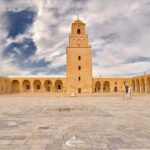
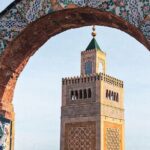
Kairouan starts in the right emotional mode: a mix of sacred architecture and everyday movement. Your first major stop is the Great Mosque of Kairouan, which the program treats as a central anchor of the city. You also get time for the surrounding sights tied to the Islamic tradition here—part of what makes Kairouan feel like a living landmark rather than a museum piece.
Along the way, the itinerary includes visits connected to local religious history and city life:
- Aghlabide basins
- Mausoleum of Sidi Saheb
- Carpet-making workshop
- Great Mosque
- Ancient Medina
Two hours and thirty minutes is enough time to see the highlights without turning every corner into a scavenger hunt. But it also means you should plan your “must-see” list before you arrive. If you’re serious about mosque photography, dress well and be ready to move with intention.
When the tour moves into the medina area, you’re not just looking at buildings. You’re walking through a traditional market and getting a sense of daily life. That’s the part I like most for texture: the sights and sounds feel like an actual place people live, not a theme park version of old Tunisia.
A small caution: medina walking can get slow fast in crowded lanes. Comfortable shoes matter more than you think, and you’ll want to keep a quick pace if you don’t want to lose time on every street turn.
Aghlabite basins: 9th-century water engineering you can still read today
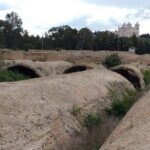
A key Kairouan stop is Bassins Aghlabites. This is one of those historical details that makes the whole day click. It’s easy to focus on mosques and big monuments, but water systems are what make a city function. The basins date to the 9th century AD, and visiting them helps you understand how power shaped daily survival.
Even with only about 15 minutes listed for this specific stop, it’s not wasted time. Think of it as a quick “how they lived” moment between architecture and market life. You’ll get a tangible sense of planning—water collection and distribution tied to the Aghlabid era.
If you like history that connects to infrastructure, this stop is a highlight. If you’re less into technical sites, it can still help you understand why Kairouan mattered beyond being a holy place.
El Jem’s amphitheatre: Roman scale in the open air
After lunch (not included), you head to El Jem, about 1 hour 15 minutes east of Kairouan. This drive shift is part of the appeal: the morning feels religious and urban, while El Jem feels monumental and open.
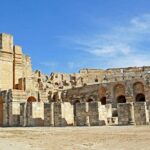
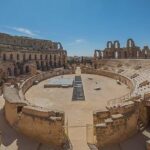
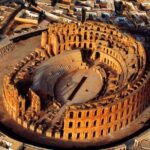
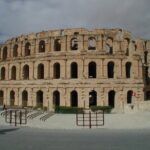
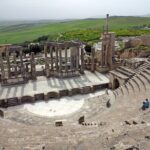
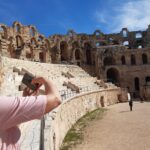
The centerpiece is the amphitheatre d’El Jem, described as the 3rd biggest Roman amphitheatre in the world. Even if you’ve seen other Roman ruins, this one hits differently because the structure is so prominent and the context is so “whole.” You can stand there and mentally place the scale of events that once filled the arena.
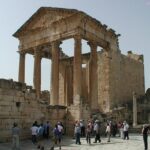
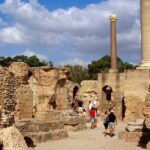
You also visit the broader Thysdrus area. Thysdrus is the Roman city name tied to El Jem, and your tour includes the museum and the remains of Roman villas. That combination matters because it links public entertainment (the amphitheatre) with private life and decoration (the villas and mosaics).
The amphitheatre visit is one of the best moments to ask your guide questions. If you get the timing right, you can learn what you’re looking at and then spend a little extra time taking photos without feeling lost.
El-Djem Archaeological Museum and the mosaics of Thysdrus
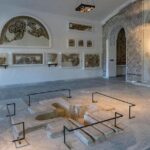
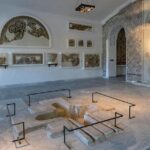
The other big reason to choose this tour is the museum stop at Archaeological Museum of El-Djem. The itinerary is designed around the mosaics, and it calls them some of the best Roman mosaics in the world, connected to the Roman villas of Thysdrus.
Even within a 40-minute slot, the museum time is purposeful. You’re not just walking past artifacts. You’re looking for the quality of the mosaic work and how it reflects the wealth and taste of Roman life. Mosaics can feel like “decoration” until you see enough of them in one place. Then you start noticing the skill, the storytelling, and the sheer labor.
If you’ve got a soft spot for Roman art, this museum stop is where your brain starts to compare periods and styles. And if you prefer modern details, you still get value: mosaics offer a visual language that’s easy to recognize even when you don’t speak the language of the site.
Guide style and private flexibility with Ziadi Ilyes
Your experience rises or falls on how you’re guided, and this tour has a clear pattern: people who like explanations tend to love it. Ziadi Ilyes shows up as the kind of guide who is both informative and relaxed, with humor that makes long days feel lighter.
He’s also described as accommodating and friendly, plus careful about safety in busy places. That’s worth taking seriously in sites like Kairouan and the medina, where crowds and narrow lanes can make it hard to move cleanly.
One practical note from how the day is structured: the itinerary covers multiple locations in Kairouan and then again in El Jem. If you want more time, ask. A private tour is supposed to adapt. The guide is flexible in the sense that you can request shifting time between sites, and the plan can handle small adjustments like skipping a stop.
So if your top priority is the Great Mosque, or if the mosaics are your main goal, tell the guide early. You’ll get a better version of the day.
Price and what you get at $205.55 per person
At $205.55 per person, this is not a budget pick. But it also isn’t just “a driver with a steering wheel.” You’re paying for a private full-day structure: pickup options, a guide for the day, and entry tickets included for key stops.
The best way to think about value here is cost-per-clarity:
- You get guided time at the Great Mosque area, including associated visits
- You get museum access and the amphitheatre visit in El Jem
- You avoid the mental load of coordinating transport, tickets, and navigation across two far-apart areas
If you’re traveling solo or as a couple, price-per-person feels higher. If you have a small group and want a single guided route with admissions handled, it can start looking like a smart trade for time and stress.
Also remember: Kairouan to El Jem is a long day. A private setup reduces friction, so you spend energy on the sites instead of logistics.
Practical tips for a smoother day in Kairouan and El Jem
These are the small things that make a big difference on a 9 to 11 hour schedule.
Dress for mosque and heat realities. You’re visiting the Great Mosque of Kairouan, so plan for modest clothing. Bring something that covers shoulders and knees, and consider a light layer for comfort.
Wear shoes you trust. Medinas involve uneven ground and lots of walking in tight areas. Comfortable support beats pretty sandals.
Plan for timing. The day has multiple short stops and a couple of longer ones. If something captures your attention, speak up early so your guide can adjust the flow.
Bring a basic photo strategy. In crowded religious areas, it helps to take a few wide shots first, then look for calmer moments for details. At the amphitheatre, you’ll get best results if you stand back to capture scale, then move closer for texture.
Don’t expect lunch to be included. Lunch is excluded, so build in your own decision-making. If you like to control food quality, this actually gives you freedom.
Should you book this Kairouan and El Jem private tour?
Book it if you want the highlights of Tunisia’s cultural timeline in one day: Islamic heritage in Kairouan, then Roman spectacle in El Jem with amphitheatre and mosaics. The private format helps you get explanations, not just sightseeing, and the guide (often Ziadi Ilyes) brings energy that makes the long schedule feel manageable.
Skip it or reconsider if your travel style is slow and you hate feeling rushed. This itinerary is built for coverage, not lingering. If you do book, set your priorities at the start and ask for time adjustments early.
If you want a day where you can come away understanding both sacred and Roman Tunisia without complicated planning, this private trip is a solid choice.
FAQ
What time does the tour start?
The meeting time is 8:00 am.
Is pickup offered from Tunis, Hammamet, or Sousse?
Yes, pickup is offered from Tunis, Hammamet, or Sousse.
How long is the private day trip?
The duration is listed as 9 to 11 hours (approximately).
Is this tour private?
Yes, it’s a private tour/activity, meaning only your group will participate.
Which UNESCO-listed sites will I visit?
You’ll visit Kairouan and El Jem, which are both highlighted as UNESCO-listed stops.
Are admission tickets included?
Yes. Admission tickets are included for the Great Mosque of Kairouan, the Amphitheatre d’El Jem, the Bassins Aghlabites, and the Archaeological Museum of El-Djem.
Is lunch included?
No. Lunch is excluded.
Do I get mobile tickets?
Yes. Mobile ticket is provided.
What is the cancellation policy?
You can cancel for free up to 24 hours in advance for a full refund. If you cancel less than 24 hours before the start time, it won’t be refunded.