REVIEW · MONASTIR
2 Hour Hergla Visit and Sousse Medina Heritage Tour
Book on Viator →Operated by TUI Tunisia S.A. · Bookable on Viator
Two towns, one quick shopping morning. This short tour packs the calm whitewashed streets of Hergla against the busy lanes of Sousse medina, with a guide to help you sort what’s worth stopping for.
I especially liked the contrast: you start high above the coast in Hergla, then you switch gears to Sousse’s maze of lanes and markets. I also liked that the guide’s commentary made the places easier to read, and you get breathing room to shop once you’re inside the medina.
One caution: two hours is fast. You’ll see a lot, but you won’t have time for a deep, slow wander through every corner. Go in with a plan for what you want to buy and how long you want to linger.
In This Review
- Key highlights before you go
- Two hours in Monastir area: what this tour really delivers
- Hergla’s clifftop streets: raffia work, old lanes, and sea-blue doors
- Horrea Coelia: the Roman thread you can actually follow
- Getting into Sousse medina: UNESCO streets on foot
- Bab Jadid and Bab il Gharbi: where to shop without getting lost
- Tunisian crafts you’ll see fast: what’s worth stopping for
- Guide and driver: why the human touch matters here
- Pickup, mobile ticket, and the group size reality
- Timing: the 8:30 am start and how to make it feel easy
- Price and value: is $41.66 a good deal for this 2-hour combo?
- Who should book this tour?
- Should you book this Hergla and Sousse 2-hour tour?
- FAQ
- Where does the tour start?
- How long is the tour?
- How much does it cost?
- What is included in the price?
- Do I need a paper ticket?
- Is pickup included?
- What’s the maximum group size?
- Do I get time to shop in Sousse medina?
- Can I cancel for free?
Key highlights before you go
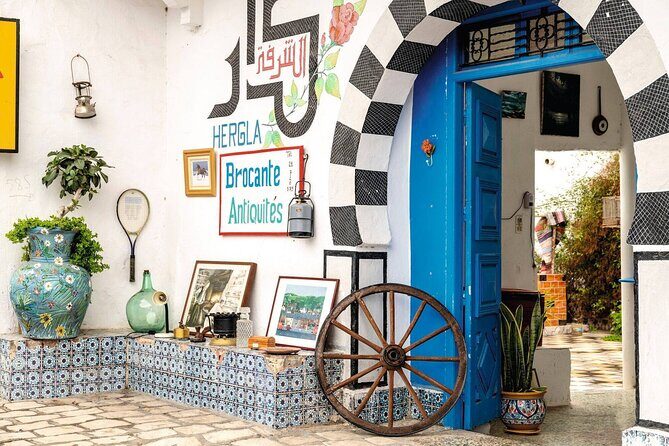
- Clifftop Hergla stroll with raffia artisans and sea views
- UNESCO Sousse medina walk focused on classic Arab architecture
- Time for shopping in the medina after the main guided walk
- Practical tour setup with pickup and an air-conditioned vehicle
- Good variety of crafts to compare in one morning
Two hours in Monastir area: what this tour really delivers
This is the kind of outing that works when you want the feel of Tunisia without giving up half your day. The schedule is built around two different vibes: the quiet, whitewashed cliff town of Hergla first, then Sousse’s medina second. You’re out for about two hours, starting at 8:30 am, so it’s a smart choice for couples, friends, or anyone combining this with beach time later.
The value is in what’s included. You’re not just dropped off and told to figure it out. You get a guide, plus air-conditioned transport with pickup offered. And the medina stop includes the admission ticket, which matters because it turns a guided walk into an actually paid-for entry experience rather than a free-for-all.
There’s also a practical limit to the group size: up to 50 people. That’s big enough to feel lively, but small enough that the guide can still move the group and keep you on track through narrow streets.
You can also read our reviews of more tours and experiences in Monastir.
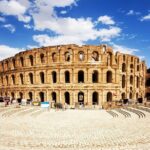
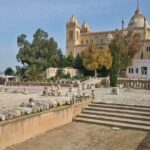
Hergla’s clifftop streets: raffia work, old lanes, and sea-blue doors
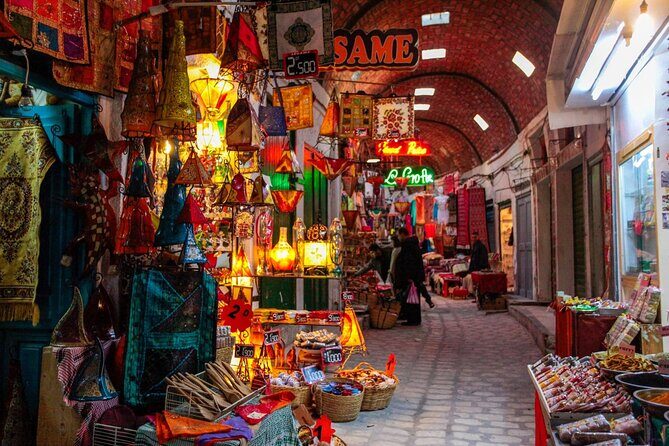
Hergla starts your morning with an easy, local-feeling walk. The town is described as whitewashed and set on coastal cliffs, and you really do get that visual rhythm: blue windows and doorways echo the sea below. It’s the kind of place where you can slow down without it feeling like you’re wasting time.
You’ll spend about an hour here, which is perfect for a first taste. The focus is on crafts. Hergla is known for raffia artisans who weave designs using dried raffia plant fibers. You’ll likely see baskets weavers at work, and you’ll get a chance to watch the craft process instead of just shopping at the end.
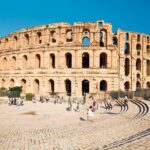
If you like your towns layered, Hergla also links back to a Roman-era site. During the Roman period, the area was home to Horrea Coelia, and your guide’s job is to point out what you can actually notice on the ground, not just give broad facts. Even if your Roman knowledge is limited, you’ll still come away with a stronger sense of how old this place is.
The trade-off: because this segment is short, you’re here for atmosphere and key stops—not a long craft workshop. Plan to ask questions while you’re there, especially if you want to understand what raffia items are best for gifts versus personal use.
Horrea Coelia: the Roman thread you can actually follow
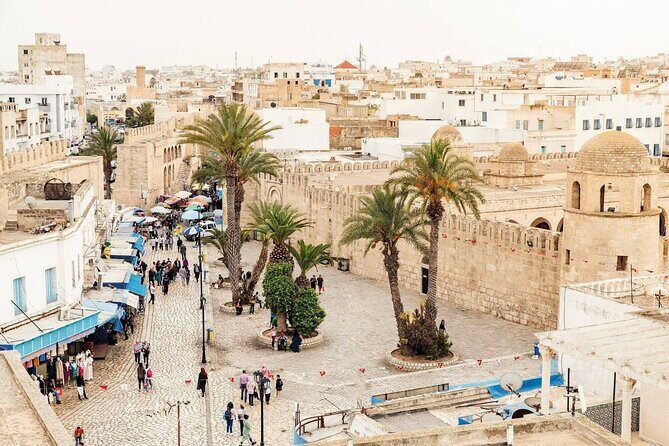
Even with only an hour in Hergla, the Roman connection gives the walk meaning. Horrea Coelia is tied to the Roman period, and it helps explain why some places feel older than they look. In practice, the value is not in a lecture. It’s in learning what to look for while you’re moving through the town: where the ancient story sits relative to the modern lanes.
Here’s how to get the most from this part. When your guide points out the Roman reference, treat it like a wayfinding tool. Mentally map the reference points to the streets you’re walking on. Then, later in the day, you’ll notice how Sousse feels even more layered because you’re switching from one kind of old to another.
One more practical note: Roman-era references can be easy to miss if you only glance at buildings. Stay close to your guide during this stop. If you fall behind for photos, you may lose the thread that turns a quick stop into a meaningful one.
Getting into Sousse medina: UNESCO streets on foot
After Hergla, you’ll head to Sousse and step into Sousse medina, which is recognized as a UNESCO World Heritage Site for fine Arab architecture that has remained largely unchanged for centuries. That wording matters because it tells you what the walking portion is aiming for: not just shopping, but an architecture experience.
Expect a maze of lanes. That’s not a marketing line; it’s the reality of moving through a medina. Your guide becomes extra valuable here because they help you avoid the classic problem: walking in circles with no clue which turn leads to the main market area.
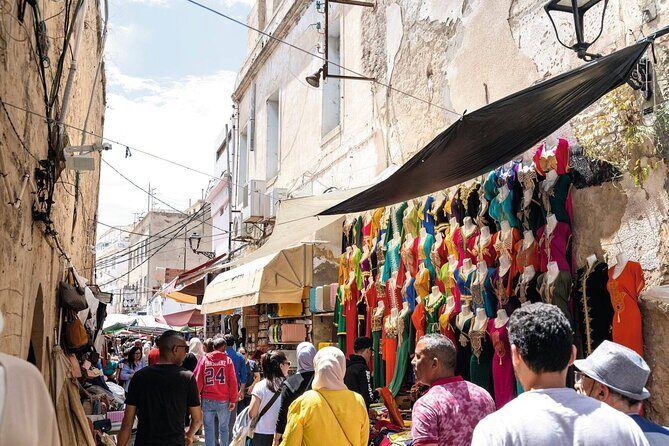
The medina segment is about an hour. Inside that time, you’re going to feel three things fast: the density of people, the variety of shops, and the way architecture and street life blend together. It’s also the moment when your shopping instincts kick in, because medina lanes are where Tunisian crafts are easiest to compare side by side.
Possible drawback: medina walking is not “slow sightseeing” by default. You may need to accept that you’ll move with the group for at least part of the time. If you want to linger, use the guide-led portion first to get oriented, then focus on the lanes that interest you once the group has time to breathe.
Bab Jadid and Bab il Gharbi: where to shop without getting lost
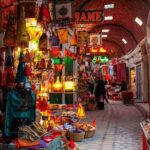
Sousse’s market areas are two names to keep in mind. Bab Jadid is described as the main market, and Bab il Gharbi is called out as another good area for shopping and watching local craftsmen work. This is helpful because it means you can divide your medina time into two mental zones.
Here’s what I find useful about this setup: you’re not only wandering randomly to hunt for items. You know the medina has distinct shopping energy in certain places. Bab il Gharbi also gets highlighted for options beyond shopping—street food, stopping at a café, and watching how craftsmen work.
So how do you use that time well? I’d do it in two passes. First pass: walk with the guide and take note of the types of items you keep seeing. Second pass: head to the market zones you prefer and compare.
You’ll want your shopping mindset ready. The tour focuses on classic Tunisian craft categories that show up in many shops, which makes comparison easier:
- Kairouan rugs
- Embroidered textiles
- Copper lamps
- Leather slippers
- Olive wood pieces
Even if you don’t buy, this is one of the fastest ways to learn what looks good and what’s practical for travel.
Tunisian crafts you’ll see fast: what’s worth stopping for
This experience is designed around tangible craft categories. That’s a plus because you can spot quality cues quickly when you’re looking for recognizable items. The tour description specifically calls out colourful Kairouan rugs, embroidered textiles, copper lamps, leather slippers, and olive wood pieces, and those categories tend to be easy to compare across different stalls.
A practical way to approach this without getting overwhelmed: pick one or two categories to treat like your main shopping goals. If you try to shop everything, you’ll spend your time bouncing between items instead of evaluating them.
For example:
- If you’re shopping for textiles, prioritize craftsmanship you can see close up—stitching, pattern consistency, and how the fabric lays.
- If you’re shopping for rugs, plan for size and weight realities. Rugs can be tempting because they look incredible, but practicality matters.
- If you’re considering copper lamps or olive wood pieces, look for details in the workmanship and how the item will be protected for transport.
There’s also an advantage to having time in the medina after the main guided walk. You can ask price questions and then decide whether you want to haggle harder or move on. I’d treat your first medina stop like a scan, not like a final checkout.
Guide and driver: why the human touch matters here
This tour is built on a guide-led format. That sounds basic, but it changes your experience in a medina because it helps you read what you’re seeing. In at least one recent Francophone outing, the guide provided excellent commentary, and that made the visit feel richer rather than rushed.
You’ll also appreciate having a driver who keeps things moving. One group highlighted the chauffeur as very good, and that’s exactly what you want on a short, timed excursion. When you only have two hours, getting stuck in traffic or losing time at pickup would hurt. A well-run transport plan protects your walking time.
Also, air-conditioned vehicle matters more than people expect. If you start at 8:30 am, you may still feel heat later. After you’ve finished your medina walking, getting back in and cooling off is part of the comfort value.
Pickup, mobile ticket, and the group size reality
From a logistics standpoint, this one is relatively easy to handle. Pickup is offered, and you’ll get a mobile ticket. That means less time spent hunting for paperwork and more time spent ready for the morning walk.
Group size is capped at 50. That’s big enough that you’ll see energy and motion, but it’s also small enough that your guide can keep a rhythm through two towns. In practice, this size makes it important to stay aware during the Sousse medina segment. The lanes can turn into a slow bottleneck if people stop randomly for photos.
If you like order, this tour is your friend. The guide’s job is to keep you oriented, and the limited time means they’ll likely move the group along efficiently. If you dislike crowds, just be honest with yourself: Sousse medina will always feel busy.
Timing: the 8:30 am start and how to make it feel easy
Starting at 8:30 am is a smart choice for this kind of route. It gives you a fresh start in Hergla and helps you reach Sousse while you still have energy for medina walking.
Because it’s only about two hours total, you’ll want to travel light and stay comfortable. Wear shoes that can handle uneven streets and tight lanes. Bring a hat or sunscreen, and keep water in mind. Those are basic moves, but they’re especially useful on a morning when you’re walking from clifftop lanes into a dense market area.
If shopping is on your mind, keep your plan simple. Set your category targets before you arrive in Sousse medina. Once you’re inside, you’ll see enough items quickly that narrowing your focus prevents buyer fatigue.
Price and value: is $41.66 a good deal for this 2-hour combo?
At $41.66 per person, you’re paying for more than sightseeing. You’re paying for:
- A guide
- Air-conditioned transport (pickup offered)
- Admission ticket included for the medina portion
- A short, structured route that combines two distinct locations
Hergla’s portion is free of admission, and the medina portion includes admission. That split matters. You’re not paying for two separate entries without benefit. Instead, you’re paying for guided time in Hergla and a ticketed experience in Sousse.
Is it cheap? Not necessarily. But it’s also not pretending to be an all-day deep exploration. For a two-hour morning that covers two towns and leaves you with time to shop inside the medina lanes, the value is solid.
One more value angle: this is often booked about 45 days in advance on average. That tells me demand is real for short excursions. If you’re traveling during a busy season, reserving earlier can save headaches.
Who should book this tour?
This fits best if you want a quick, guided snapshot of Tunisia’s seaside-town character without committing to a full day. I’d especially recommend it if you like:
- Craft shopping with guidance on where to focus
- Architecture and street-life walks (Sousse medina)
- A contrast between calm village atmosphere (Hergla) and market intensity (Sousse)
It may not be ideal if you:
- Want hours and hours of free wandering without structure
- Plan to buy multiple large items and need lots of time for decisions
- Prefer slow, unhurried museum-style pacing
If you’re the type who likes to get oriented first, then do your own thing with confidence, you’ll likely enjoy this format.
Should you book this Hergla and Sousse 2-hour tour?
I think you should book it if you want an efficient morning that mixes clifftop Hergla character with UNESCO Sousse medina energy. The guide-led approach plus pickup and air-conditioned transport make the short time feel well spent. And the chance to shop in Sousse with a bit of room to breathe is the kind of practical bonus that helps the visit pay off.
I’d skip it if you’re hunting for a long, slow experience. With only two hours, you need to accept the pace and choose your priorities quickly. If you can do that, this is a strong value way to get a real sense of these two very different places.
FAQ
Where does the tour start?
It starts in Monastir, Tunisia, with pickup offered. The tour starts at 8:30 am.
How long is the tour?
The tour is about 2 hours.
How much does it cost?
The price is $41.66 per person.
What is included in the price?
The tour includes a guide and an air-conditioned vehicle. The admission for the medina portion is included, and admission for the Hergla stop is free.
Do I need a paper ticket?
No. You’ll have a mobile ticket.
Is pickup included?
Yes, pickup is offered.
What’s the maximum group size?
The tour has a maximum of 50 travelers.
Do I get time to shop in Sousse medina?
Yes. The visit includes time in the Sousse medina area, including market areas for shopping and local crafts.
Can I cancel for free?
Yes. You can cancel up to 24 hours in advance for a full refund. If you cancel less than 24 hours before the start time, the amount paid isn’t refunded.