REVIEW · TUNIS
Private Walking Tour of Carthage Archaeological Site in Tunisia
Book on Viator →Operated by Le Lemon Tour · Bookable on Viator
Carthage is a place you can read with your feet. In just 2 to 3 hours, this private walking tour strings together the Punic story and the Roman chapter across major ruins near the sea, with a guide doing the explaining as you move. I especially like that it’s structured like a walk, not a lecture, so your eyes always have something to latch onto.
What I like most is the balance: you get both Punic sites (including the Tophet sanctuary) and big Roman landmarks (like the Antonine Baths). I also like the practical pacing—short stops where you can absorb the key idea, then a longer one where the scale really hits.
One drawback to keep in mind: communication can be inconsistent if you’re trying to add extra time. One real-world example: when someone asked to extend the day into Tunis, the company responded once but didn’t follow up the second message, so the extension wasn’t arranged on arrival. If you might want changes, plan early and confirm clearly.
In This Review
- Key highlights you’ll feel on the ground
- A private walk that keeps Carthage from feeling like random ruins
- The story arc: Punic sanctuary to Roman theatre
- Stop 1: Site Archeologique de Carthage (about 1 hour, ticket included)
- Stop 2: Tophet de Carthage (about 15 minutes, ticket included)
- Stop 3: Punic Ports & Museum (about 15 minutes, ticket included)
- Stop 4: Baths of Antoninus (about 40 minutes, ticket included)
- Stop 5: Villas Romaines (about 20 minutes, ticket included)
- Stop 6: The Roman Theatre of Carthage (about 10 minutes, ticket included)
- Price and value: what $61.94 buys you (and what it doesn’t)
- Timing in the real world: how long you’ll be out and when to go
- Meeting point to finish line: Le Lemon Tour to the Amphitheatre
- Guide quality can make or break a historical walk
- Who this tour is best for (and who should look elsewhere)
- Small practical tips that help you enjoy every stop
- Should you book this private Carthage walking tour?
- FAQ
- How long is the private walking tour of Carthage?
- Is this tour private?
- What’s included in the ticket price?
- Are hotel pickup and drop-off included?
- Where do I meet the guide?
- Where does the tour end?
- What sites are visited during the tour?
- What are the tour’s opening hours?
- Do I need a passport for the tour?
- What happens if the weather is bad?
Key highlights you’ll feel on the ground
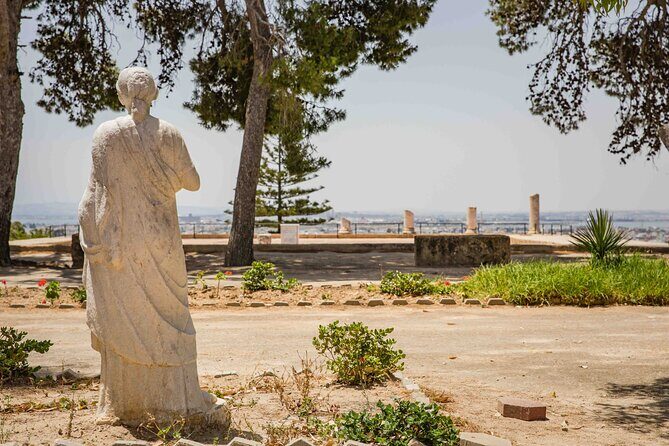
- Private group experience: only your group joins, so you can ask questions and move at a comfortable tempo
- Tickets built in: admission is included for every stop, so you’re not hunting for lines or adding costs on the spot
- A clear Punic-to-Roman route: sanctuary, ports, baths, villas, and theatre in a logical sequence
- Sea-close walking: you’ll spend the tour moving between points with that coastal light and atmosphere
- A guide who matters: examples include Mohammed (strong guide) plus Chedi (prepared and attentive) and Rania’s helpful local taxi support
- Reasonable duration: plan on about 2 to 3 hours, ideal for a half-day without burning your whole day
A private walk that keeps Carthage from feeling like random ruins
Carthage has a way of overwhelming you if you show up alone. Streets, stones, sea breeze, and a dozen “important” spots can blur together fast. This tour keeps it readable. You walk site to site with a professional guide who connects what you’re seeing to the culture that made it.
I like the fact that you’re not just parked at one viewpoint. The route moves through the Site Archeologique de Carthage, then into specific Punic and Roman landmarks like Tophet de Carthage and the Antoninus Baths. That flow helps your brain build a timeline instead of collecting photos.
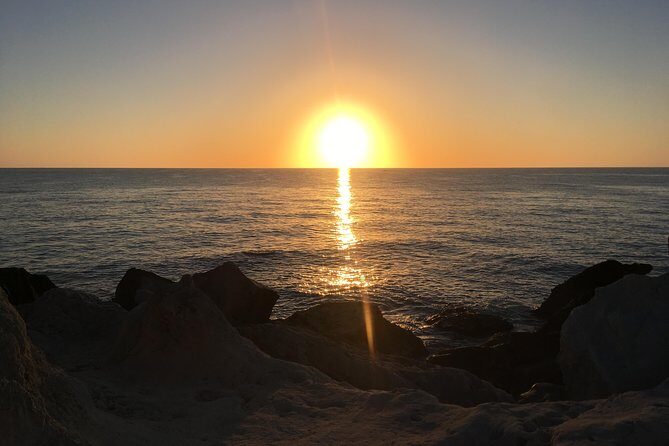
The other big win is the “close to the see” vibe. Even when you’re focused on ruins, the air and light keep the place from turning into a museum basement. It feels more like exploring a landscape than touring a checklist.
You can also read our reviews of more walking tours in Tunis


The story arc: Punic sanctuary to Roman theatre
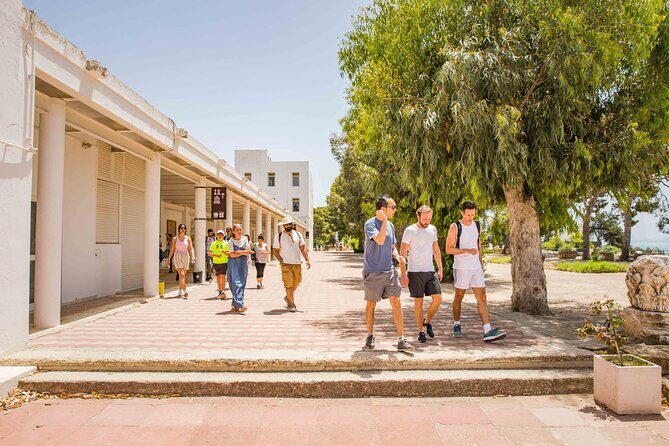
This is a 2 to 3 hour walk with multiple short stops, plus a couple longer moments where scale really lands. You’ll need moderate physical fitness since it’s walking between locations.
Stop 1: Site Archeologique de Carthage (about 1 hour, ticket included)
This is your main orientation stop. You’ll walk between points of interest inside the archaeological complex, including:
- the Punic sanctuary
- the Magon quarter
- the ancient Punic ports
- the Antonin baths
Why it’s valuable: this is where the guide sets your mental map. You’ll start seeing how different parts of Carthage connect—religious life, daily quarters, trade infrastructure, and Roman redevelopment. If you only do one thing first, do it here, because it gives context for the rest of the route.
A practical consideration: since it’s an active walking segment, come prepared to pay attention while moving. If you’re the type who stops for every photo, you may want to keep one or two “must-captures” and save the rest for later.
Stop 2: Tophet de Carthage (about 15 minutes, ticket included)
Tophet is the stop that puts Punic culture front and center. You’ll learn about the sanctuary and what it represented in Punic life.
Why it matters: this site can be emotionally heavy if you don’t have context, and a good guide can help you understand the significance without turning it into vague storytelling. A short stop like this works well because you get the key explanation while the site is still right in front of you.
What to watch for: because the time here is tight, you’ll want to ask one clarifying question if something doesn’t click. That’s the advantage of a private setup.
Stop 3: Punic Ports & Museum (about 15 minutes, ticket included)
Next is the port story—one of the Mediterranean’s big historical themes. You’ll discover a major port of Mediterranean history and you’ll include time at the Punic Ports & Museum.
Why it’s useful: ports are where you can connect culture to real movement—goods, people, and ideas traveling through the Mediterranean network. Even if you’re not a history fanatic, seeing the maritime angle helps you understand why Carthage mattered.
Practical note: this is short. Treat it like a focused primer. If you’re the kind of person who could spend hours in a museum, you may want to plan extra time on your own after the tour.
You can also read our reviews of more private tours in Tunis

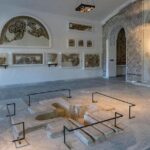
Stop 4: Baths of Antoninus (about 40 minutes, ticket included)
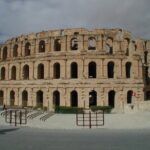
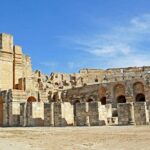
This is the long anchor. The Baths of Antoninus are the Roman big-stage ruins, including the baths facing the sea. They were among the largest of the Roman Empire, and you can feel that scale in how the complex is laid out.
Why you’ll appreciate this stop: Roman bath complexes are not just “water rooms.” They show how Roman society organized leisure, architecture, and urban life. When you pair this with the Punic stops earlier, the contrast becomes clearer: new power, new design, new uses for the same landscape.
Possible drawback: 40 minutes is great for depth, but sun and wind can be a factor. Bring something for shade and water, even if you’re not planning a long hike.
Stop 5: Villas Romaines (about 20 minutes, ticket included)
Then you shift to something more intimate: Roman villas with mosaics and good sightseeing.
Why this works in the route: after the grand Roman bath stop, villas let you slow down and appreciate decoration and domestic space. The mosaics are the kind of visual detail that makes the whole Roman chapter feel more human.
What to watch for: this stop is only about 20 minutes, so you’ll likely see the highlights rather than every corner. If mosaics are your thing, arrive mentally ready to take in a few key visuals and move on.
Stop 6: The Roman Theatre of Carthage (about 10 minutes, ticket included)
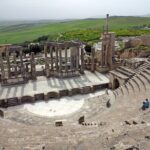
Finally, you wrap with the Roman Theatre of Carthage. It’s a compact ending, but theatre spaces are another “power map” moment—Roman cities invested in public entertainment and built stages for civic life.
Why it’s a good close: after sanctuary, ports, baths, and villas, the theatre signals the shift into Roman public culture. The day ends with a sense of how Romans gathered communities.
Practical consideration: with only about 10 minutes here, this is best for a quick, guided orientation. If you want longer theatre time, plan to come back later.
Price and value: what $61.94 buys you (and what it doesn’t)
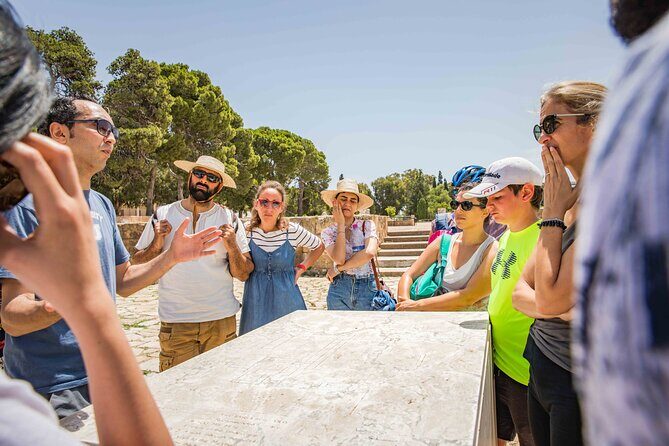
At $61.94 per person, you’re paying for a guided, private, ticket-included walk that runs about 2 to 3 hours. For this kind of route, the key value is the combination of:
- professional guide for context at each site
- admission tickets included for every stop
- a route that covers multiple major anchors without you having to figure out logistics between them
If you’re comparing it to doing this on your own, the hidden savings are time and mental effort. You’re not guessing which sites matter most for understanding the Punic and Roman layers, and you’re not paying separate admission while trying to keep your day moving.
What’s not included is also important: hotel pickup and drop-off. The tour meets at Le Lemon Tour on Rue Hannibal in the Carthage archaeological area and ends at the Amphitheatre of Carthage. If you’re staying elsewhere in Tunis, you’ll need a plan for getting there and back.
One more value note: private means you’re not negotiating with a large group pace. In places like Carthage, that can be the difference between “rushed photos” and actually learning what you’re looking at.
Timing in the real world: how long you’ll be out and when to go
The tour runs daily, Monday through Sunday, roughly 9:00 AM to 4:00 PM, within the overall operating window listed for the provider. Your experience time is about 2 to 3 hours, so it fits well as a morning or early afternoon plan.
It also helps that the experience requires good weather. If conditions are poor, it can be canceled, and you’ll be offered another date or a full refund. With a coastal route, weather can change quickly, so picking a calm-looking day matters.
Weather and daylight also affect ruins. Even if the sites don’t change much, your comfort does. If you go too late in the day, sun glare can make viewing details harder, and heat can make longer Roman stops less pleasant.
Meeting point to finish line: Le Lemon Tour to the Amphitheatre
The start point is Le Lemon Tour, 9 Rue Hannibal, Site archéologique de Carthage 2025, Tunisia. The tour ends at the Amphitheatre of Carthage (address code provided: V847+CXG).
Why that end point matters: you’re not trapped at the same spot you started. When you finish at the amphitheatre, the guide helps you reach a cab or a train station. That can save you from scrambling on your own after you’re done walking.
If you’re using public transit, the listing says it’s near public transportation. Still, I’d treat the walk as a “destination day.” Get there with enough margin that you can start on time, especially since confirmation is received at booking.
Guide quality can make or break a historical walk
This is one of those tours where the guide isn’t a bonus. It’s the main event.
In real examples tied to this experience, I’ve seen Mohammed praised as a good guide. Another example highlighted Chedi as prepared and attentive, and Rania showed up in a practical way by helping with taxi logistics. That combination of interpretation plus real-world help is exactly what you want at a site like Carthage.
The one caution comes from communication issues around schedule changes. If you want to extend your day into Tunis in the afternoon, don’t wait until arrival day. Message early, and if it matters to you, get confirmation clearly. Otherwise, you could end up turning up with no extension arranged.
Who this tour is best for (and who should look elsewhere)
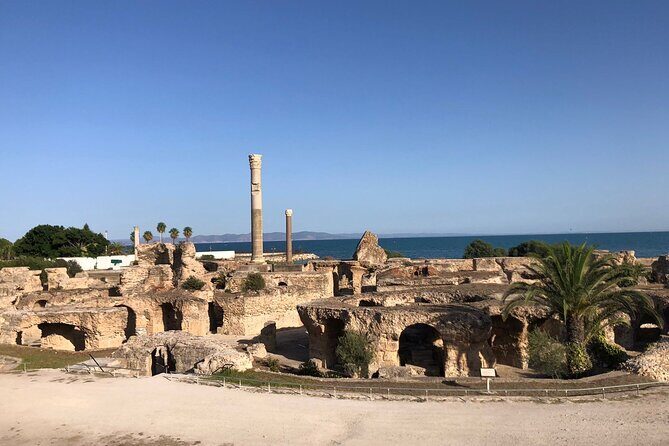
This tour is a strong match if you want:
- a private format where you can ask questions
- a structured route through Punic and Roman Carthage
- tickets included so your day stays simple
- a walk that’s not an all-day grind
It’s also a good pick if you’re visiting with kids or family who can handle moderate walking and still like learning, as long as you keep expectations realistic about short stop durations.
You might want to consider a different approach if:
- you want to spend long, unhurried time in museums or one single site
- you dislike walking and prefer one indoor museum setting
- you’re counting on adding extra hours last-minute without confirming first
Small practical tips that help you enjoy every stop
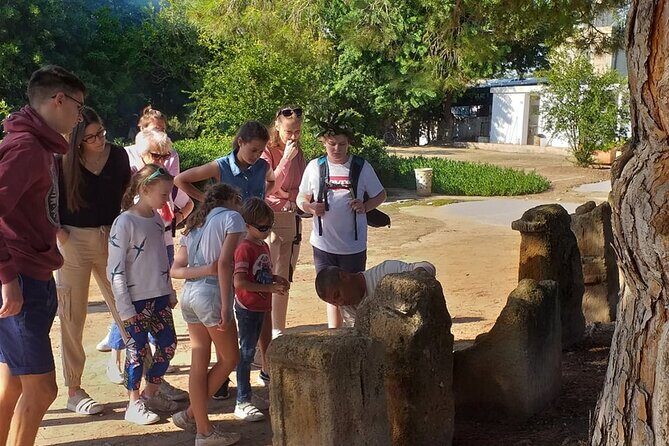
- Bring a small bottle of water. Even a 2 to 3 hour walk can feel longer in coastal sun.
- Wear shoes with grip. You’ll be moving between ruins and uneven ground.
- Have your passport with you. A current valid passport is required on the day of travel.
- Use the mobile ticket when you check in, since it’s part of the experience.
- Think of each stop as a chapter. Don’t try to master everything at once—let the sequence teach you the big picture.
Should you book this private Carthage walking tour?
I’d book it if you want a guided, efficient way to understand Carthage’s Punic and Roman sides without turning your day into logistics. The value is strong because tickets are included and the route covers multiple major anchors in a short window, all while you walk in a sea-close setting.
I would be cautious if you’re planning schedule changes on the fly or expecting an easy afternoon extension into Tunis without clear confirmation. If that’s your situation, message early, confirm in writing, and keep a Plan B for how you’ll spend the rest of your time.
If you like clear stories, good guiding, and a practical half-day, this one fits.
FAQ
How long is the private walking tour of Carthage?
It lasts about 2 to 3 hours.
Is this tour private?
Yes. It’s a private tour/activity, and only your group participates.
What’s included in the ticket price?
Admission tickets are included for each stop, and the tour includes a professional guide and all taxes/fees/handling charges.
Are hotel pickup and drop-off included?
No. Hotel pickup and drop-off are not included.
Where do I meet the guide?
You start at Le Lemon Tour, 9 Rue Hannibal, within the Site archéologique de Carthage area.
Where does the tour end?
The tour ends at the Amphitheatre of Carthage, and the guide helps you reach a cab or a train station.
What sites are visited during the tour?
You visit the Site Archeologique de Carthage, Tophet de Carthage, Punic Ports & Museum, Baths of Antoninus, Villas Romaines, and the Roman Theatre of Carthage.
What are the tour’s opening hours?
Tours run Monday through Sunday from 9:00 AM to 4:00 PM.
Do I need a passport for the tour?
Yes. A current valid passport is required on the day of travel.
What happens if the weather is bad?
The experience requires good weather. If it’s canceled due to poor weather, you’ll be offered a different date or a full refund.