A good Medina tour is about more than monuments. It’s how you learn a city’s shortcuts, its rhythms, and its stories, piece by piece, on foot. This one is built around real Tunisian contrast: university life, newer neighborhoods like El Manar, then the Medina’s maze.
I especially like the way the route is split between Tunis today and Tunis long ago. You also get solid anchor stops inside the old city—Zitouna Mosque, Tourbet el Bay, Foundouk al Attarine, and the Central market area—so the walk doesn’t feel random.
One thing to consider: despite the billed route, the experience is still a walking-heavy Medina tour with a moderate fitness requirement, and there have been a few reports of communication or scheduling issues. If you’re the type who hates last-minute uncertainty, build in extra time and keep your booking confirmation handy.
In This Review
- Key things to know before you go
- Walking Tunis from University area to the Medina maze
- The meet-up spot: Royal Victoria Hotel as your navigation anchor
- University of Tunis and El Manar: how to read modern growth
- Entering the Medina: the switch from open streets to tight alleys
- Zitouna Mosque: your key orientation point
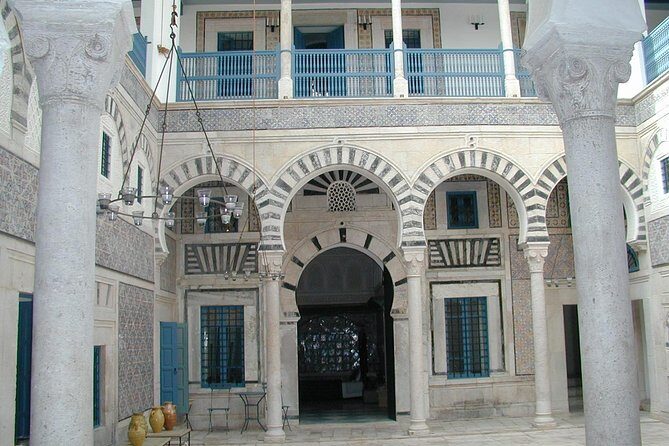
- Tourbet el Bay: walking history with a strong visual payoff
- Foundouk al Attarine and the souk logic
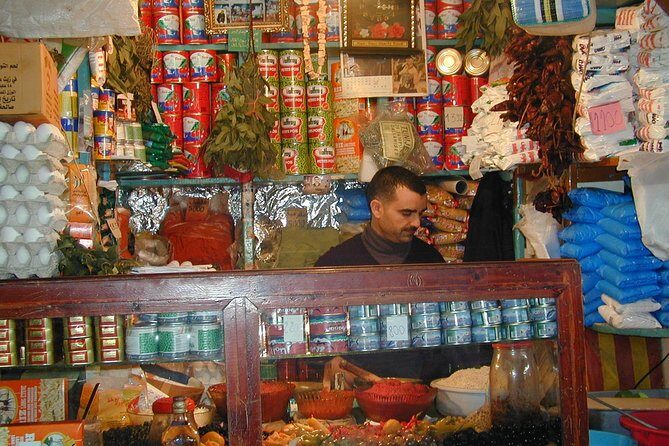
- Central market: a sensory checkpoint (not just a stop)
- The guides: why people keep praising specific names
- Price reality: is $92 worth it for what you actually get?
- Who should book this walk—and who might want a different style
- Should you book this Tunis walking tour?
- FAQ
- How long is the walking tour?
- How much does the tour cost?
- Is the tour private?
- What’s the meeting point and where do you end?
- Is a mobile ticket provided?
- What’s included in the price?
- Is there an air-conditioned vehicle?
- Is free cancellation available?
Key things to know before you go
- 4 hours on foot (mostly), with time walking through the Medina’s tight streets
- A route with contrast: University area, then El Manar, then down into the Medina
- Major anchor sights: Zitouna Mosque, Tourbet el Bay, Foundouk al Attarine, Central market
- Bottled water included, plus all fees and taxes in the price
- Private tour format is advertised, and some guides have strong repeat mentions (Youssef, Hassan, Su)
- A few red-flag complaints exist around no-shows and private-tour expectations
Walking Tunis from University area to the Medina maze
Tunis has two speeds. There’s the faster, outward-moving city—schools, neighborhoods, commerce—and then there’s the Medina, where everything slows down because the streets force you to.
This tour starts with the modern side first. You’ll visit the university, one of the most important on the African continent, then move to El Manar, the nearby neighborhood that reflects how the country has expanded over roughly the last two decades. That sequence matters. It keeps you from treating the Medina like a separate island. Instead, you understand it as the same city that grew outward and then kept a very old core.
After that, you approach the Medina, and you step out on foot to enter its labyrinthine streets. Expect guided wandering, not a quick drive-by. You’ll be guided through the Medina of Tunis, stopping at some of its most important monuments and temples, while also getting time around local life—souks and markets are part of the point, not just decoration.
You can also read our reviews of more walking tours in Tunis

The meet-up spot: Royal Victoria Hotel as your navigation anchor
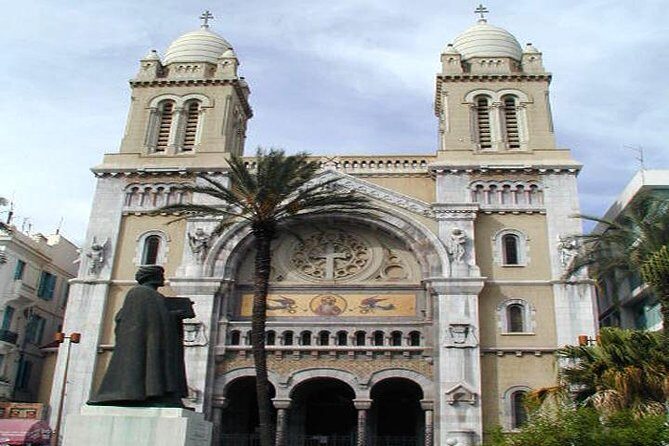
You’ll start at the Royal Victoria Hotel, at 5 place de la Victoire in Port de France, Tunis. The tour ends back at the same meeting point.
That hotel matters more than you might think. In Tunis, it can be easy to get disoriented once you’re in older streets. Having a clearly identified start/end gives you a “home base” even if the Medina feels like a puzzle box.
The tour also notes that you’re near public transportation, which is handy. If you’re coming in from elsewhere in Tunis, you won’t be forced into a complicated taxi rhythm just to get there.
Practical tip: arrive a few minutes early and keep your phone set to show your mobile ticket. If you’re traveling with WhatsApp or similar messaging, save the operator contact from your booking details too—there are a handful of no-show complaints in the feedback set, and being ready to message quickly is worth it.
University of Tunis and El Manar: how to read modern growth
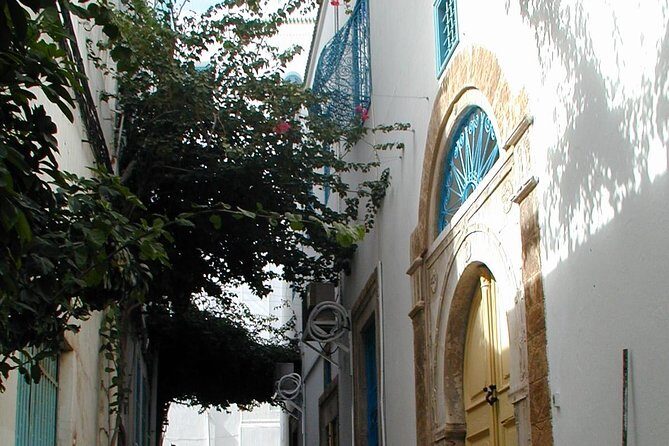
The university visit isn’t just a “look, a campus” stop. It’s your first clue about what makes Tunis tick now. When you see a major education center early in the walk, it sets context for the rest of the city: you get a sense of young energy, jobs, and movement that continues to shape everything nearby.
Then you head to El Manar, which the tour describes as the adjacent neighborhood that best reflects Tunisia’s economic and demographic expansion in the last couple of decades. Even if you’re not doing a deep architectural checklist, you’ll feel the difference in how streets, buildings, and daily life are organized compared with the older core.
This part is one reason I think the pacing works. You’re not only collecting old stones. You’re also learning the newer city’s logic before you compress into the Medina.
Entering the Medina: the switch from open streets to tight alleys
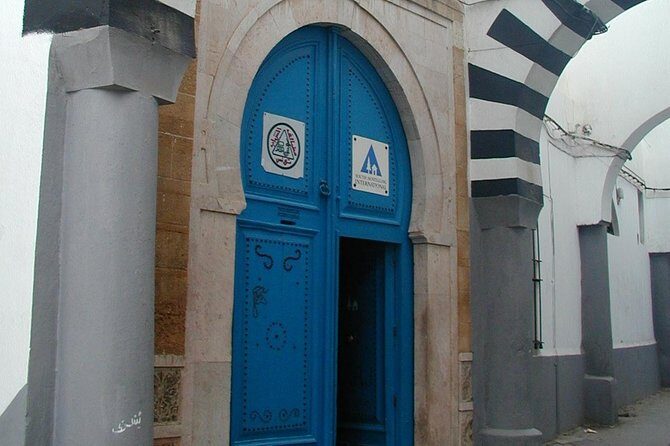
When the tour approaches the Medina, you descend from the vehicle and transition into walking mode. This is the turning point: the experience becomes about small distances, frequent turns, and the kind of street-level detail you can’t see from a bus window.
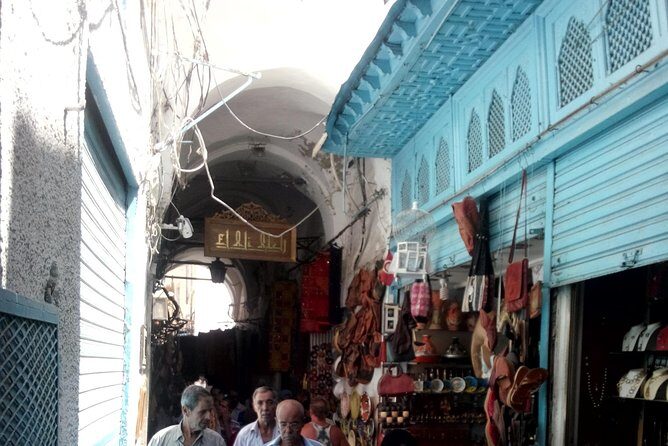
Inside the Medina, you’re guided through major sites with breaks to absorb the atmosphere—then you move through souks and markets where local life is the main show. The route is designed so you don’t just see monuments behind ropes. You see them next to daily routines.
What to expect in your body: Medina streets can mean uneven ground and sudden slope changes. If you have moderate mobility limits, it’s better to plan for extra time moving slowly and keep your energy for photos later.
Zitouna Mosque: your key orientation point
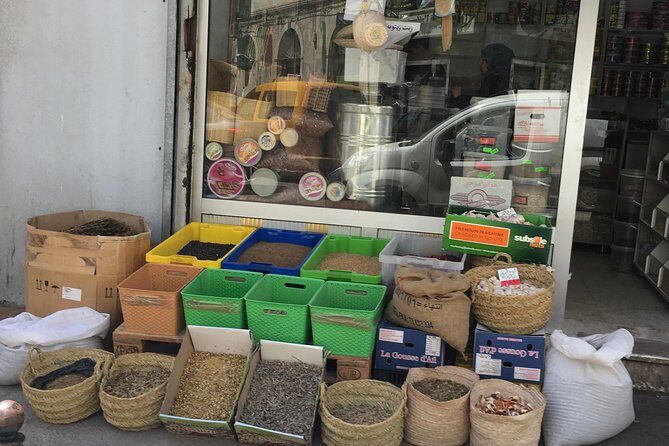
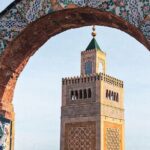
The itinerary calls out Zitouna Mosque as a major stop, and I’d treat it like a compass. This is one of the big symbolic places in Tunis’ old city, and when you pause here with your guide, the whole Medina starts to “make sense” spatially and historically.
Even if you only catch glimpses while passing through, your guide’s explanations help you see what you’re looking at: why this mosque matters, why it’s positioned as it is, and how it anchors the Medina’s identity.
This stop also helps with photo timing. The area around major religious sites often has changing light depending on time of day. If you’re the type who likes to shoot without rushing, ask your guide when you should slow down.
You can also read our reviews of more city tours in Tunis

Tourbet el Bay: walking history with a strong visual payoff
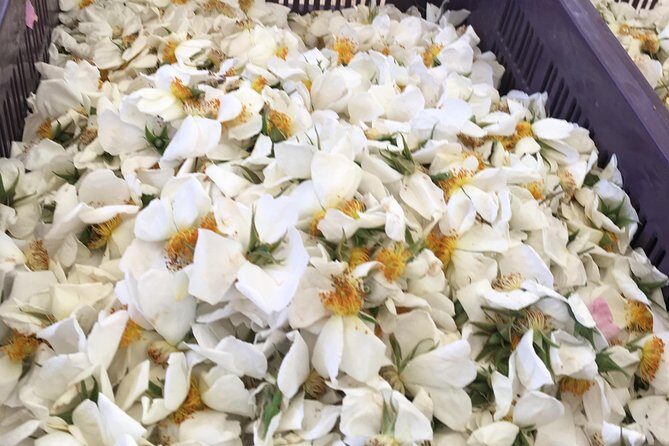
Next up is Tourbet el Bay. This is the kind of stop where the exterior details can pull you in, but the real value is what your guide connects it to. It’s not just a site you pass; it’s a place where the guide can help you read symbolism and design choices.
In practice, this stop breaks the walking into a more human rhythm: you get a clear landmark, you pause, you learn, then you move on. That matters on a Medina walk because it’s easy to lose track of what’s important when every turn looks like a photo opportunity.
If you care about details like inscriptions, architecture, and funerary monuments, this is the part where your attention will click into place.
Foundouk al Attarine and the souk logic
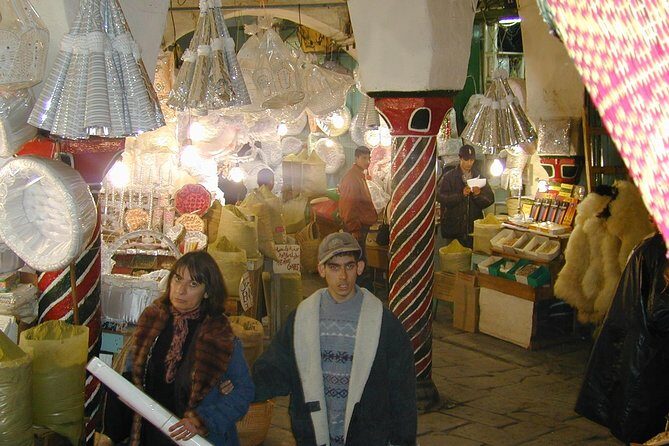
The tour includes Foundouk al Attarine, which is a great “bridge stop” between monuments and commerce. Foundouks were historically linked to trade, storage, and the flow of goods, and they sit in the middle of the market geography.
That’s what I like about this stop. It explains the Medina’s layout in a way you can feel under your feet. You start to notice how market streets connect, how small corridors funnel movement, and how trade spaces shaped the streets you’re walking.
Then you continue into markets and souks where the point is the daily buzz—shopfronts, bargaining moments, smells of food, and the steady motion of people. It’s less about shopping and more about understanding how the Medina functions as a living system.
If you’re worried about crowding, this is where you’ll want to slow down and keep one small buffer for stopping to look. Don’t hold your breath for perfect photo angles. Instead, look for the moments that show how people actually use the space.
Central market: a sensory checkpoint (not just a stop)
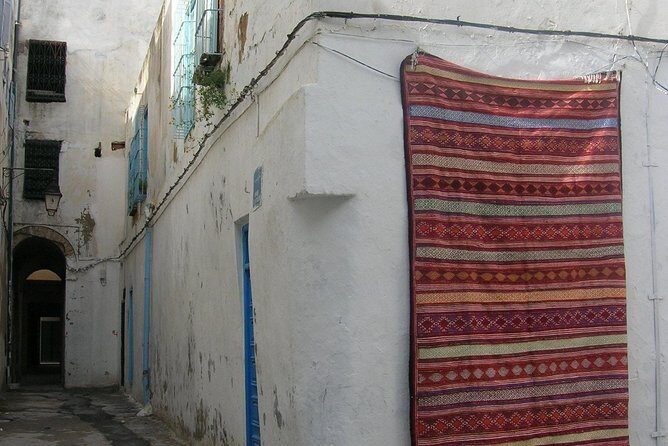
The itinerary specifically includes the Central market. This isn’t framed as a museum-style visit. It’s more like a sensory checkpoint at the end of the monument-and-history arc.
Expect lots of human scale: stalls, product displays, and tight pathways where your guide can help you not only see what’s for sale, but also understand why that area matters for the city’s routines.
A practical note: markets can get warm and busy, especially on clear days. Since the tour includes bottled water, that’s one less thing to worry about. Wear breathable shoes and plan to dress for heat and sun even if you think you’ll be in the shade.
The guides: why people keep praising specific names
A big part of why a walking tour works is the guide. In the feedback, certain names show up with strong praise—Youssef, Hassan, and Su. The common theme is personal, place-based storytelling and the ability to guide you through less obvious lanes rather than only the most camera-friendly spots.
That matters because the Medina can feel confusing fast. With a good guide, you start recognizing patterns: where the streets widen, where they channel into market corridors, and how the monuments connect to the market grid.
Also, one of the nicer bits from the feedback: the guide can make Tunis feel like a city someone loves, not just a city someone describes. You’re not only hearing facts—you’re learning the emotional geography of the place.
Price reality: is $92 worth it for what you actually get?
At $92 for about 4 hours, the value depends on two things: (1) whether the group size and private setup match what you expect, and (2) how good your guide is at turning walking time into meaningful stops.
On the plus side, you do get all fees and taxes included, and you get bottled water. The tour is private by advertised format, which usually means you can ask more questions and move at a pace that fits your group.
On the downside, there are complaints in the feedback set about no-shows and about private-tour expectations not matching reality. That’s not something to ignore. So, I’d treat this as a book-worthy experience only if you’re comfortable checking your confirmation details and being ready to contact the operator quickly if anything feels off.
If you want a high-confidence choice, pick the option and date that gives you the best chance of good weather, since the experience is noted as weather-dependent.
Who should book this walk—and who might want a different style
This tour fits best if you want:
- A focused Medina orientation rather than a drive-through bus route
- A mix of modern Tunis (university and El Manar) plus old-city monuments
- A guided walk where stops like Zitouna Mosque and Tourbet el Bay are explained in context
- Time around souks and the Central market, where the city’s daily life is the point
It might be less ideal if:
- You need a fully comfortable, car-assisted experience throughout (the tour notes that an air-conditioned vehicle is not included)
- You can’t do moderate walking or uneven pavement
- You strongly depend on schedule perfection and hate any possibility of communication issues (there are some bad reports to keep in mind)
Should you book this Tunis walking tour?
If you’re coming to Tunis for the first time and you want to understand how the Medina connects to the rest of the city, I think this tour is a good bet. The route has enough structure—University area, El Manar, then major Medina anchors like Zitouna Mosque and Tourbet el Bay—that you’ll leave with real mental maps, not just photos.
But I’d book it with eyes open. The price feels fair for a guided 4-hour private walk when everything runs smoothly, yet there are a few serious complaints about no-shows and private-tour expectations. If you choose to go, make it easy for yourself: confirm the meeting details, save your ticket, and stay ready to message quickly if your guide isn’t where expected.
If you can handle a bit of street-level walking and you enjoy learning from a guide who knows the city’s lanes, you’ll likely find this an excellent way to get oriented in Tunis.
FAQ
How long is the walking tour?
The tour duration is about 4 hours.
How much does the tour cost?
The price is $92.
Is the tour private?
It is advertised as a private tour/activity, with only your group participating.
What’s the meeting point and where do you end?
You meet at Royal Victoria Hotel, 5 place de la Victoire, Port de France, Tunis 1001, Tunisia. The activity ends back at the meeting point.
Is a mobile ticket provided?
Yes, the tour offers a mobile ticket.
What’s included in the price?
All fees and taxes are included, and bottled water is provided.
Is there an air-conditioned vehicle?
An air-conditioned vehicle is not included.
Is free cancellation available?
Yes. You can cancel up to 24 hours in advance for a full refund. If you cancel less than 24 hours before the start time, you won’t get a refund.