REVIEW · TUNIS
Tour of Tunis Carthage and Sidi Boussaid with local lunch
Book on Viator →Operated by Tunisia cultural tours · Bookable on Viator
Tunis stacks centuries in one day. I love the combo of Carthage’s ancient ruins and the Medina souks, all without feeling like you’re sprinting from one ticket line to the next. You also get a guided route through Sidi Bou Said, including Ennejma Ezzahra Palace and panoramic viewpoints. One thing to watch: the schedule is full, so shopping time in the Medina can feel rushed, especially when streets are busy.
What makes this tour work so well is the way it connects eras—Punic and Roman Carthage right up to the living, still-used neighborhoods of Tunis. I also like that several key sights have free or included admission, which keeps the day from turning into a spend-fest. The main drawback is simply pace: in about 7 hours, you’ll see a lot, but you won’t linger all day at any single stop.
Key points that matter before you go
- Private group, up to 2 people, so you’re not stuck with a huge crowd rhythm
- Sidi Bou Said time block includes Ennejma Ezzahra Palace and time for bazars and galleries
- Carthage archaeological highlights like the Antonius Baths, Theatre, and aqueduct
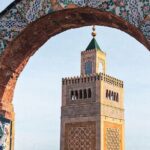
- Medina Tunis route covers Ezzaitouna Grand Mosque and several souks (perfume, wool caps, jewelry, herbs)
- Local lunch at La Goulette gives you a proper mid-day break
- Highly praised guides like Muhammad and Ahmed keep the day organized and informative
In This Review
- Why This Tunis Tour Feels Like a Real Timeline
- Price and Value: What $187.53 Covers
- Getting Around in 7 Hours: Pace, Pickup, and Timing
- Sidi Bou Said: Architecture, Ennejma Ezzahra, and a Big View of Tunisia
- Mosque and mausoleum, then the artsy center
- Ennejma Ezzahra Palace: a standout stop
- Souks and browsing reality
- Carthage: Antonius Baths, Theatre, and the Aqueduct Story
- The big Roman set pieces
- Admission is free, but don’t think it’s casual
- Medina of Tunis: Ezzaitouna Mosque and Souks You Can Still Use
- Ezzaitouna Grand Mosque: the anchor
- Souks with a clear purpose
- Panorama Café and La Kasbah viewpoint time
- A practical note: shopping can be hard here
- La Goulette Local Lunch: Your Midday Reset
- Guides Matter: Muhammad and Ahmed Keep It Organized
- What to Pack and How to Prepare for a Full Day
- Should You Book This Tunis, Carthage, and Sidi Bou Said Tour?
- FAQ
- How long is the Tunis, Carthage, and Sidi Bou Said tour?
- Is pickup included?
- Is this a private tour?
- What stops are included?
- Is lunch included?
- Are admission tickets included?
- How much does it cost?
- Is cancellation free?
- Are service animals allowed?
Why This Tunis Tour Feels Like a Real Timeline
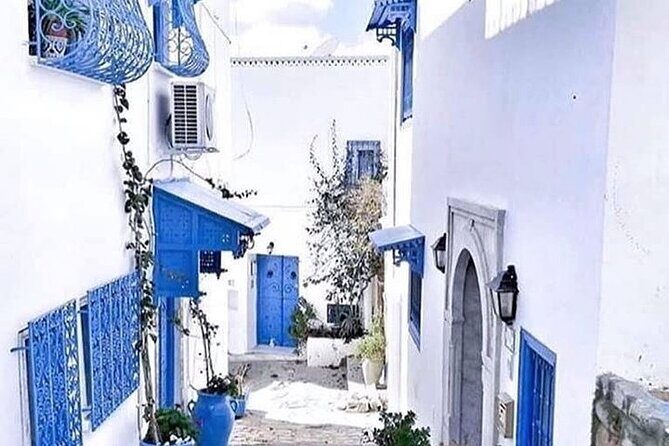
Tunis can be a little confusing on your own. The city is thick with layers—ancient, medieval, modern—and it’s easy to wander into the wrong kind of day: lots of walking, not much context.
This tour solves that. You start with the picture-postcard world of Sidi Bou Said, then pivot to Carthage’s long, dramatic timeline, and finally end in the Medina of Tunis, where you can still feel how people live and trade. It’s not just sightseeing; it’s interpretation. The route ties places together so the names you hear—Phoenician navigators, Romans, Byzantine periods, Crusader history—make sense.
I also appreciate that the day doesn’t rely on one single attraction. You get views and architecture in Sidi Bou Said, major archaeology at Carthage, and everyday culture in Tunis—then you reset with local lunch in La Goulette.
Price and Value: What $187.53 Covers
At about $187.53 per group (for up to 2), this isn’t a budget backpacker deal. It is, however, good value for the structure you’re buying: a guided, timed route across multiple major areas of greater Tunis, with pickup offered and a private setup.
Here’s where the money feels justified:
- Several admissions are listed as free (Sidi Bou Said, Carthage, and La Goulette), so you avoid surprise add-ons.
- The Medina visit includes an admission ticket, which helps if you’re trying to see the sights that usually require entry.
- You’re not sharing your day with strangers. That matters in the Medina, where timing and crowd flow can make or break your experience.
If you’re the kind of traveler who wants a guided day you can actually plan around, this price looks reasonable. If you’re comfortable navigating alone and you’re saving every dinar, you might compare it to DIY with taxis and individual tickets. But if you want the day handled—route, pacing, and explanations—this is the kind of guided format that usually pays off.
A few more Tunis tours and experiences worth a look
Getting Around in 7 Hours: Pace, Pickup, and Timing
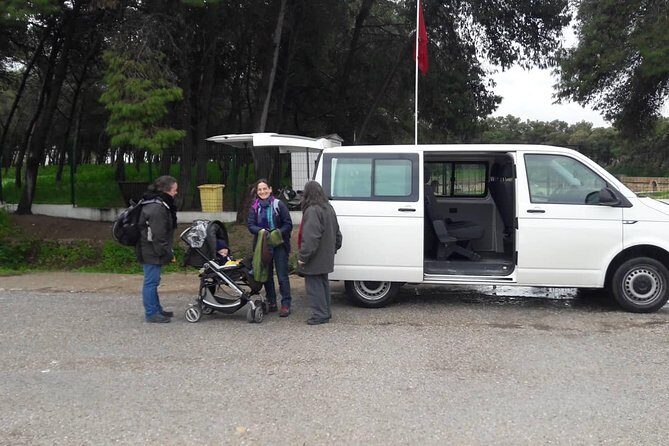
This is a private tour/activity lasting about 7 hours. Pickup is offered, and the meeting point is described as near public transportation, which is helpful if you’re staying somewhere central and want easier logistics.
The itinerary naturally creates a pace that feels like a greatest-hits tour, not a slow study session. That’s not bad—it’s part of the value. You’re seeing four distinct areas in one day:
1) Sidi Bou Said (around 2–3 hours)
2) Carthage (about 2 hours)
3) Medina of Tunis (about 2 hours)
4) La Goulette for local lunch (about 1 hour)
The practical takeaway: wear comfortable walking shoes and plan for stops that are time-boxed. In the Medina, especially, the time you spend on souks and old houses will depend on how quickly you can move through lanes.
Sidi Bou Said: Architecture, Ennejma Ezzahra, and a Big View of Tunisia
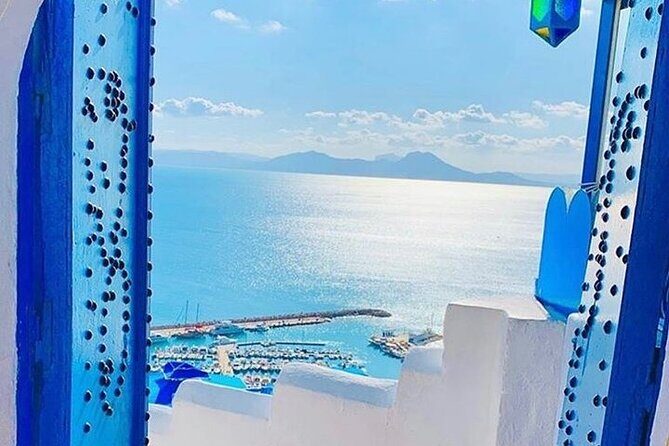
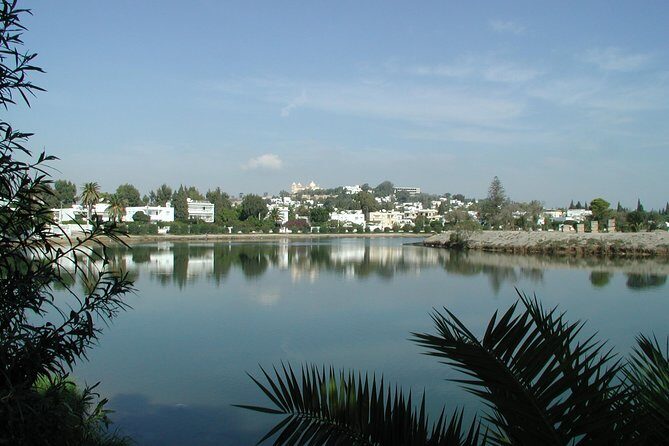
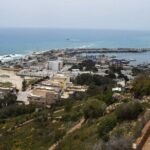
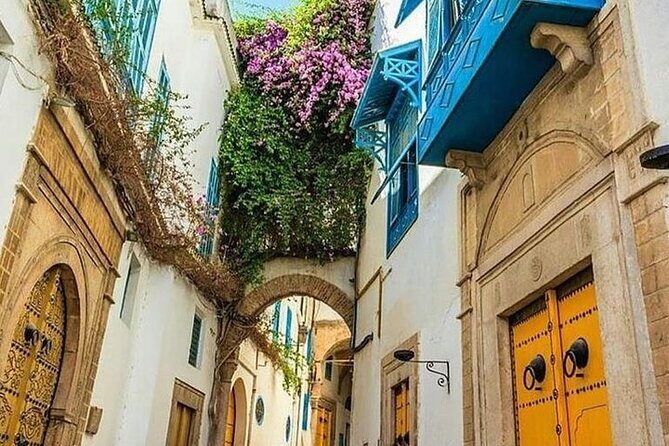
Sidi Bou Said is the kind of place you understand instantly. It’s art and spirituality, and it’s built for slow looking—white-and-blue character streets, art spaces, and viewpoints that pull you up and out over the coast.
Mosque and mausoleum, then the artsy center
This tour includes time at the Sidi Bou Said mosque and mausoleum, plus time for bazars and art galleries. That mix matters because it keeps the day from becoming only decorative. You get the spiritual landmark first, then you shift into the local economy and creative side of the neighborhood.
Ennejma Ezzahra Palace: a standout stop
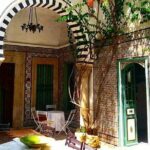
The highlight here is Ennejma Ezzahra Palace, with admission listed as free and time allotted around 2 hours. This palace is considered an important early monument listed since Tunisia’s independence, and it’s also the museum of Arab Mediterranean music.
Even if you’re not a music-history nerd, this is a smart inclusion. The palace setting gives context: you’re not only looking at architecture; you’re also hearing and learning how music traditions connect to culture.

Souks and browsing reality
Sidi Bou Said also has bazars where you can browse. Just remember: on a fixed-time tour, your best move is to treat shopping as a maybe. If you want to buy something, go in with a plan so you don’t burn time deciding.
Carthage: Antonius Baths, Theatre, and the Aqueduct Story
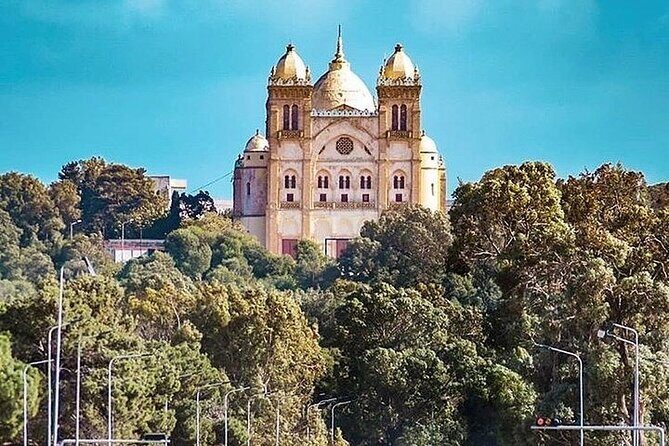
If Sidi Bou Said is about atmosphere, Carthage is about scale and timeline.
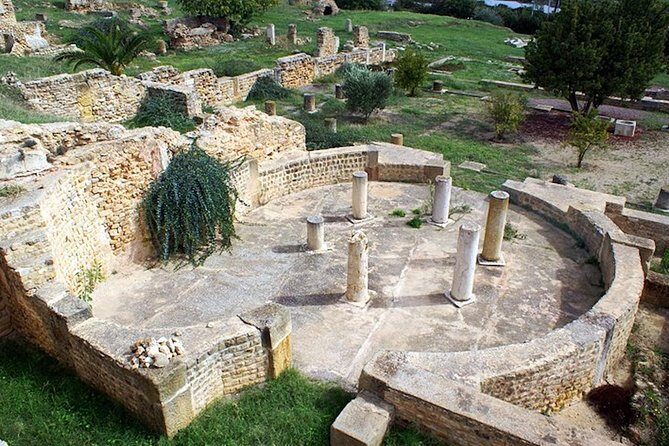
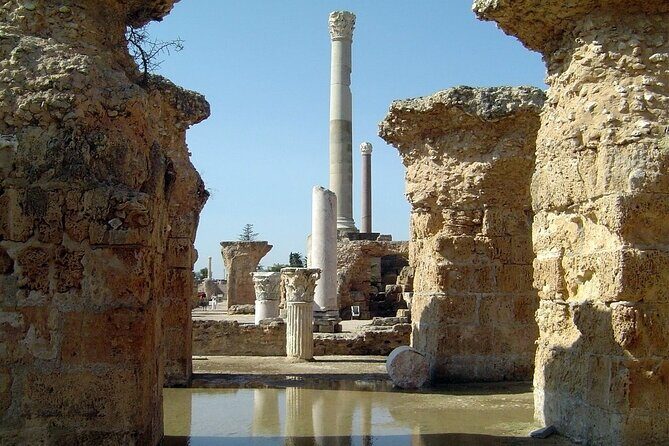
The stop is built around the archaeological park and the way it traces Punic and later layers. You’re given a route that moves through major highlights tied to Phoenician navigation stories and the Roman era.
The big Roman set pieces
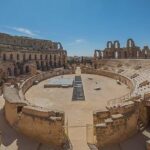
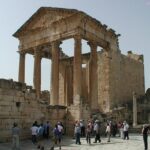
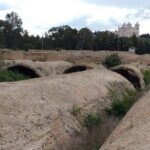
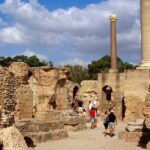
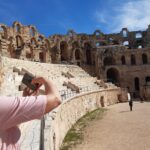
You’ll see the Antonius Baths, the Theatre, and the aqueduct. These aren’t small ruins. They’re the kind of structures that make you understand why Carthage mattered.
The Antonius Baths are impressive because they show how “public life” in the Roman world could be engineered and maintained at a huge scale. The Theatre helps you visualize gatherings and performance culture, not just government and war. And the aqueduct is the practical proof behind all that urban life—water made it possible.
Admission is free, but don’t think it’s casual
Admission is listed as free here, which is great. But free entry doesn’t mean casual. Carthage is a real archaeological site, so you’ll want to stay alert, follow the route your guide recommends, and take your time with key viewpoints.
Medina of Tunis: Ezzaitouna Mosque and Souks You Can Still Use
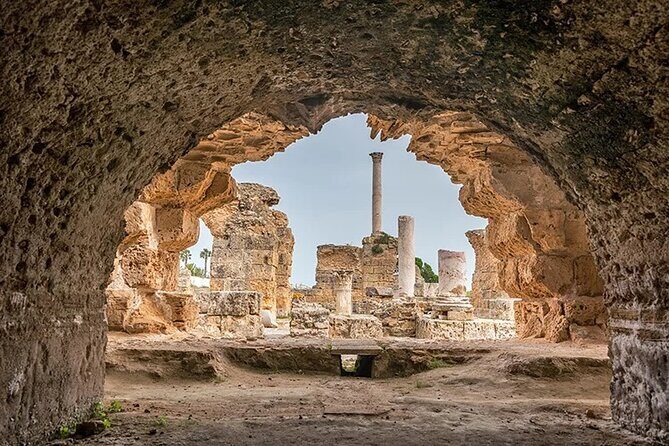
The Medina of Tunis is where this tour becomes more than monuments. It’s a working neighborhood, and that changes everything.
You’re guided through the Grand Mosque Ezzaitouna, then you move into souks with specific specialities, not just general browsing. That specialization is what makes the Medina route feel focused instead of random.
Ezzaitouna Grand Mosque: the anchor
The Grand Mosque Ezzaitouna is the anchor point for this part of the day. It’s the sort of place that gives meaning to everything else around it. Even if you’re not going deep into religious history, the scale and central role make it obvious why it’s a must.
Souks with a clear purpose
You also visit multiple souks, including:
- Souk El-attarine (perfumer’s souk)
- Souk Ech-chaouchiya (traditional wool caps)
- Souk El Berka (jewels market)
- Souk El Blat (herbal medicine)
You’ll also see the Medressa Souleymenia, Dar Bach Hambah, and the Mausoleum Sidi Ben Arous. These stops matter because they connect trade and education and civic life. You’re not only shopping; you’re seeing how the city was organized.
Panorama Café and La Kasbah viewpoint time
The Medina route also includes a viewpoint stop at Panorama Café, and it ends with La Kasbah – The Government Yard. This is a smart pacing move. You’re in dense lanes for a while, and then you get a chance to look outward and reset your bearings.
A practical note: shopping can be hard here
From what I’ve learned in the way people get through this day, the Medina can be crowded, and the time window is tight. So if shopping is a big priority, be ready to choose one or two souks you really care about. Otherwise you’ll spend the whole visit weighing options instead of absorbing the place.
La Goulette Local Lunch: Your Midday Reset
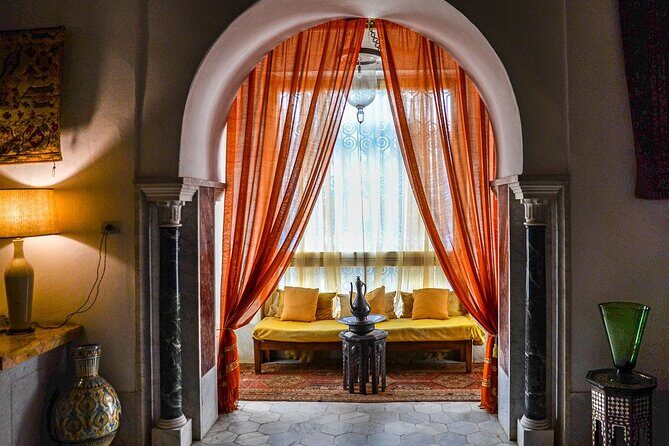
You end with La Goulette, with local lunch and about 1 hour on the stop.
Even if you’re not picky, this is a valuable part of the day because it breaks the pattern of nonstop walking and sightseeing. After Carthage and the Medina, food and a calmer pace are more than a comfort. It’s how you keep the day from turning into pure exertion.
What you can expect here is straightforward: you’ll eat locally, and then you’ll be ready for the rest of your day with fewer decision points.
Guides Matter: Muhammad and Ahmed Keep It Organized
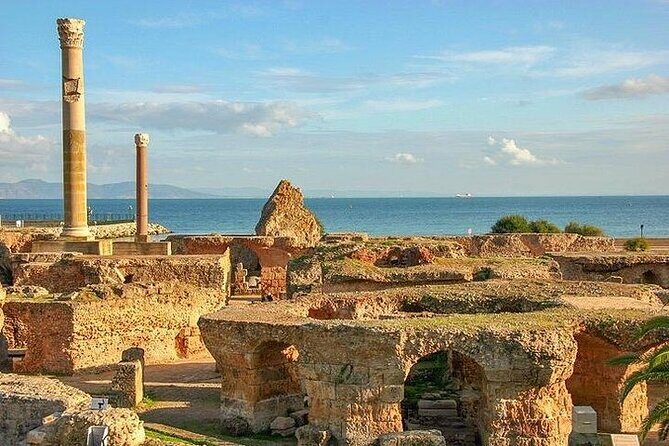
One of the strongest signals from this experience is the guide quality. Guides like Muhammad and Ahmed are repeatedly praised for being friendly, extremely knowledgeable in their way of explaining things, and genuinely good at keeping the route moving.
The practical benefit of a strong guide is not just facts. It’s that the day stays coherent. You don’t bounce between places with no thread connecting them. You understand what you’re looking at, and you leave with names and logic that you can recall later.
I also like that the guidance feels thorough. People describe seeing everything on the list and then some. In one case, the guide even took the group toward the Africa American cemetery during the day. That’s a good reminder that flexible, respectful additions can happen when the guide knows how to pace and prioritize.
What to Pack and How to Prepare for a Full Day
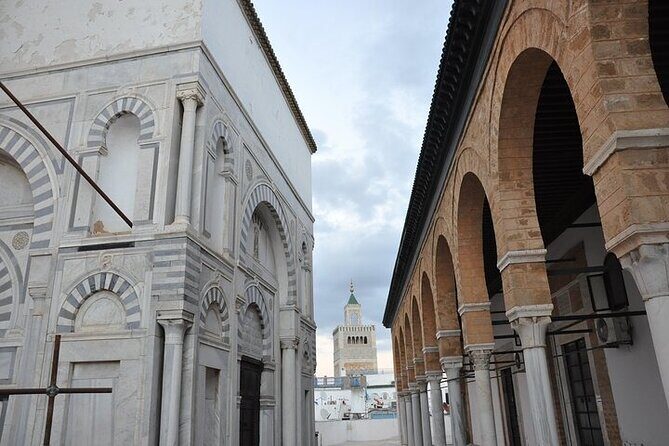
This tour covers architecture, archaeology, and market streets. So you’ll want to prepare for mixed walking.
Here’s what I’d do before you go:
- Wear comfortable shoes you can handle on uneven surfaces at archaeological sites and in older Medina lanes.
- Bring sun protection since several stops are open-air and bright.
- Have a plan for photo breaks, especially in Sidi Bou Said and around panoramic spots.
- If you care about shopping, decide what you’re targeting before you arrive, because time in the Medina is limited and the lanes can slow you down.
Also, this is listed as a tour where most travelers can participate, and service animals are allowed. If you have any mobility concerns, tell your operator so they can help manage pacing.
Should You Book This Tunis, Carthage, and Sidi Bou Said Tour?
Book this tour if you want a structured day that connects Tunisia’s eras: Sidi Bou Said’s architecture and Ennejma Ezzahra Palace, Carthage’s Antonius Baths, Theatre, and aqueduct, and the Medina souks and Ezzaitouna Mosque—plus local lunch at La Goulette.
I’d skip it or reconsider if you’re hoping for a slow, unhurried wander with lots of shopping time. This is a full-route tour, and the Medina portion is designed for coverage, not an all-day browse.
If you’re traveling with a small group (or just you and a friend), the private format is a real advantage. You’ll get a cleaner pace, fewer navigation headaches, and a guide who can keep the timeline coherent.
FAQ
How long is the Tunis, Carthage, and Sidi Bou Said tour?
The tour lasts about 7 hours.
Is pickup included?
Pickup is offered.
Is this a private tour?
Yes. It is a private tour/activity, and only your group participates.
What stops are included?
You’ll visit Sidi Bou Said, Carthage, the Medina of Tunis, and La Goulette (for lunch).
Is lunch included?
Yes. There is local lunch in La Goulette.
Are admission tickets included?
Admission is listed as free for Sidi Bou Said, Carthage, and La Goulette. The Medina portion includes an admission ticket.
How much does it cost?
It’s $187.53 per group, up to 2.
Is cancellation free?
Yes, free cancellation is available. You can cancel up to 24 hours in advance for a full refund.
Are service animals allowed?
Yes, service animals are allowed.