REVIEW · DJERBA
Tozeur and the mountain Oasis
Book on Viator →Operated by Depart Travel Services · Bookable on Viator
Desert mornings start early here. I loved the Chebika–Tamerza–Mides mountain oases for their cool green contrast against the desert, and I really enjoyed the tent camp night under the stars with two sunsets that feel like they were made for photos. One drawback to plan for: the tour starts at 6:00 am, and it asks for a moderate fitness level because you’ll be doing walking around sites and moving through rough terrain.
Over 3 days with an approved driver and guide, you’ll stitch together salt flats, sand dunes, rock desert, Berber villages, and even the big Star Wars sets at Mos Espa. It’s a lot, but it’s paced with an air-conditioned vehicle and included meals—just remember beverages and optional activities like quad or dromedary are on you.
In This Review
- Key Highlights You’ll Feel in Your Bones
- 6:00 am Start From Djerba: How the Day Gets Set Up
- Matmata Homestay: Real Dwelling, Not Just a Photo Stop
- Chott, Erg, and Reg: Salt, Sand, and Rock Desert in Context
- Chebika, Tamerza, and Mides Oases: The Green Contrast That Changes the Mood
- Mos Espa, Nefta Basket, and an Old Medina: Pop Culture Meets Daily Life
- Chott Djerid: The Largest Salt Lake Experience That Feels Bigger Than It Looks
- Ksar Hadada and Berber Villages: Chenini and Guermassa’s Cliffside Feel
- Two Sunsets and One Tent Night: The Sahara Part You’ll Remember
- Price and Value: What You Pay for a Private Desert Circuit
- Who This Tour Fits Best (and Who Should Rethink It)
- Should You Book This Tozeur and the Mountain Oasis Tour?
- FAQ
- How long is the Tozeur and the Mountain Oasis tour?
- Where does the tour start and when does it begin?
- Is this tour private?
- What meals are included?
- Do I need to pay for quad or dromedary rides?
- Where do we sleep during the trip?
- Is the tour suitable for everyone in terms of physical activity?
- What is the group size?
- What’s the cancellation policy?
Key Highlights You’ll Feel in Your Bones
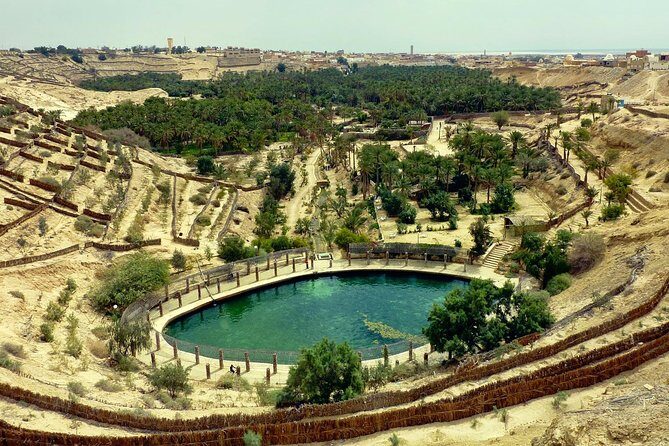
- Chebika, Tamerza, and Mides oases: lush pockets that make the desert feel even bigger
- Three desert types in one stretch: Chott (salt), Erg (sand), and Reg (rock)
- Mos Espa’s Star Wars sets in Tunisia: movie magic with real-world Berber culture nearby
- Nefta basket + local medina time: a more hands-on taste of daily life
- Chott Djerid salt lake + two sunsets: dramatic light over the largest salt lake in northern Africa
- One night in a tented desert camp: stars, calm, and that long Sahara quiet
6:00 am Start From Djerba: How the Day Gets Set Up
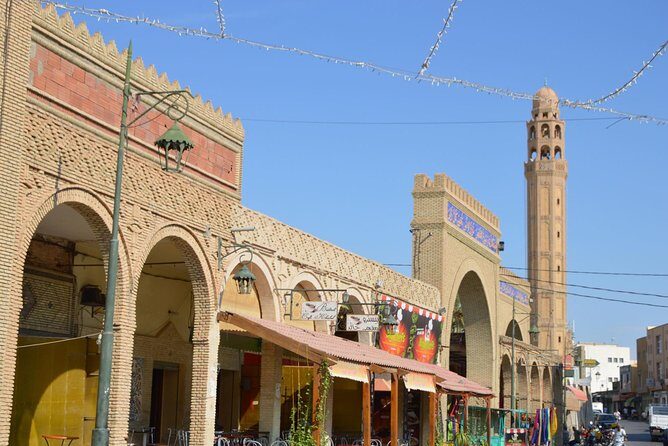
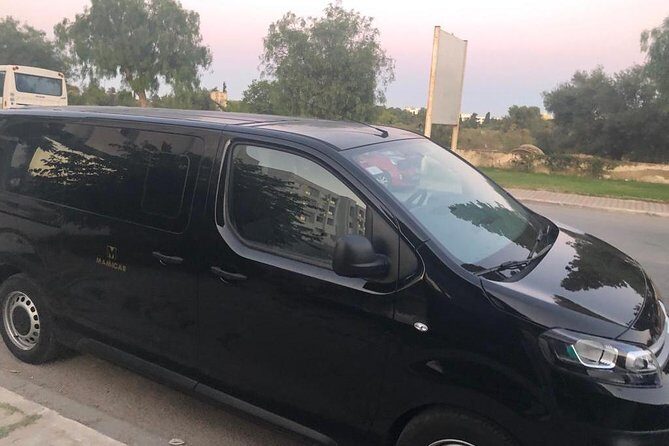
This tour is built around a big idea: you can’t fully appreciate the South Tunisian desert if you start late. You depart at 6:00 am, which means you’ll get driving done while the morning is still comfortable and before the hottest parts of the day settle in. The ride is done in an air-conditioned vehicle, so the heat doesn’t control your trip.
Because it’s a private tour for your group (up to 6), you’re not stuck in that awkward situation where the schedule follows the slowest person. Instead, your driver and guide keep the flow moving between very different settings: rock villages, oasis valleys, salt flats, and dunes.
The only real “consideration” is logistics in your body, not in your plan. You should be ready for moderate walking and uneven ground around viewpoints, village areas, and desert edges. If you’ve got knee trouble or you hate being on your feet for stretches, plan carefully.
You can also read our reviews of more tours and experiences in Djerba.
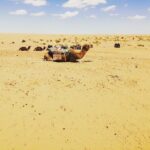
Matmata Homestay: Real Dwelling, Not Just a Photo Stop
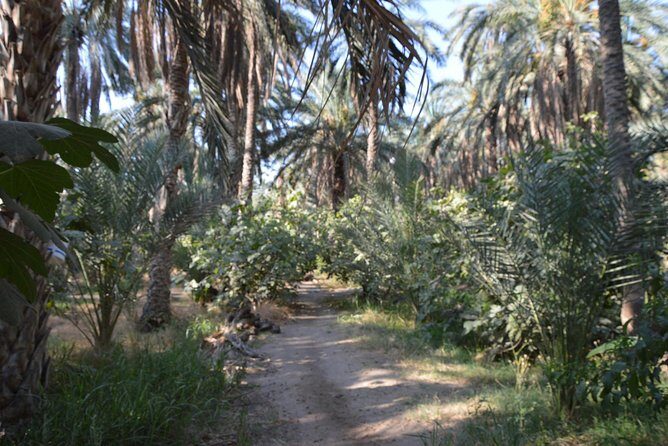
One of the most memorable parts of the experience is the homestay visit in Matmata. This is the kind of place where you get more than a quick look—you see how people actually live with their landscape. Matmata is known for its troglodyte homes, and that setting helps you understand why the South feels so different from the coast.
What I like about including this early in the mix is that it gives you context. After you’ve seen how homes are shaped by the ground, the rest of the trip feels less like a checklist. You start noticing how people adapt to climate and terrain—how shade, earth, and distance matter.
A practical tip: wear something comfortable you can move in. You may be stepping in and out of areas that don’t behave like a smooth museum floor. Keep your camera handy, but also slow down. The best moments tend to be the quiet ones.
Chott, Erg, and Reg: Salt, Sand, and Rock Desert in Context
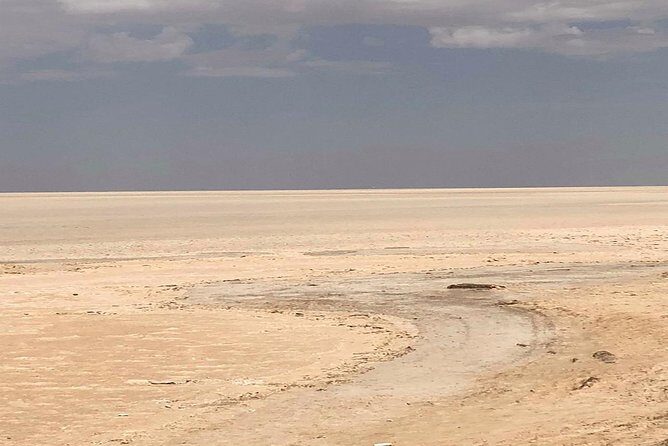
Most desert trips focus on one type of desert. This one deliberately brings you through three: Chott (salt desert), Erg (sand desert), and Reg (rock desert). That’s the difference between seeing a “generic desert” and actually understanding the Sahara’s variety.
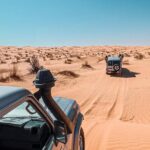
Here’s why it matters for your experience. Salt deserts like Chott Djerid surroundings can look flat and pale, with a kind of reflective stillness. Sand deserts (Erg) bring dunes, wind-carved shapes, and that feeling of movement even when you’re standing still. Rock desert (Reg) feels more harsh and exposed, with a different texture underfoot and different lighting across the day.
You also get a natural visual scale-up as you go. At first, the desert looks like “just empty.” Then it becomes layered: color changes, ground texture changes, and the light turns dramatic in ways you can’t fake with a postcard.
If you’re doing the optional desert rides (quad or dromedary), this is where you’ll feel the payoff. On the sand and around dunes, quad rides tend to offer the most adrenaline. Dromedary rides can be calmer, and they match the slow rhythm of the desert better.
Chebika, Tamerza, and Mides Oases: The Green Contrast That Changes the Mood
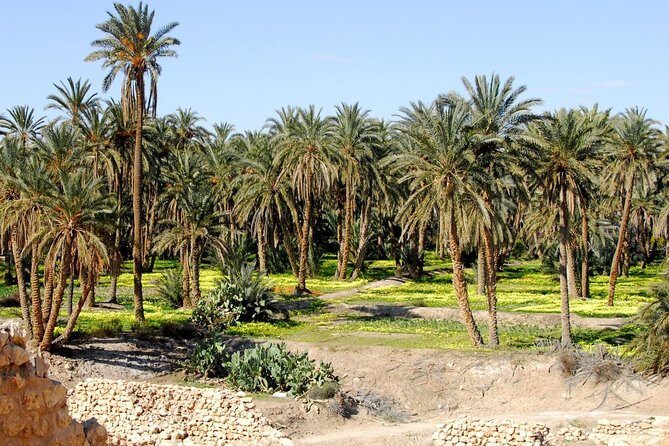
When the itinerary reaches the mountain oases—Chebika, Tamerza, and Mides—the whole mood shifts. These places act like a pressure release after salt and sand. You go from wide, open emptiness to water and greenery tucked into rocky terrain, and your brain finally gets a different kind of “wow.”
I also appreciate that these oases aren’t treated like a quick walk-and-go. You’re meant to notice how the environment works—how water supports life in a harsh region, and how people have built communities around those pockets.
There’s a practical angle too. Oasis stops often feel cooler than surrounding desert areas, which makes it easier to enjoy the sightseeing without burning out early. Still, wear sun protection. Even in greener spots, the light can be strong.
If you love travel photography, aim your schedule around the light. The oases will look different depending on the sun angle, and that’s before you even get to the later sunset moments.
Mos Espa, Nefta Basket, and an Old Medina: Pop Culture Meets Daily Life
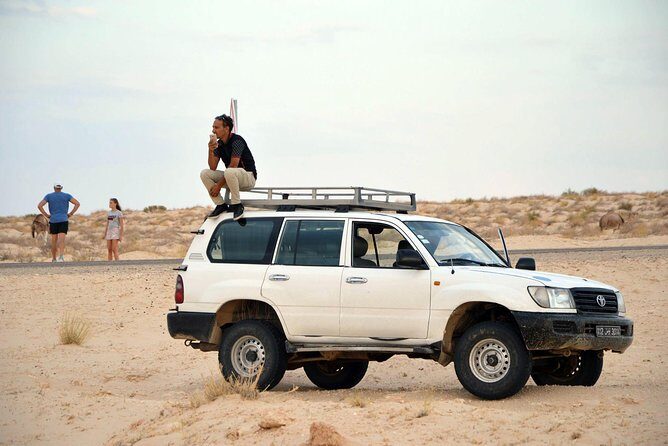
Yes, there’s Mos Espa, the Star Wars village set in Tunisia. It can feel surreal: cinematic sets in real desert air. But for me, the best part is what happens when you treat it as a gateway, not the destination. The village sets pull you in, and then the tour reality makes it stick—this is still a region with people, crafts, and older rhythms.
Near there you’ll also visit the basket of Nefta, plus time in an old medina. That’s where the trip turns more grounded. Crafts and market life show you what locals do with time and skill, beyond the movie references.
A simple way to get more out of these stops: ask your guide questions about daily routines and the region’s culture. With an approved guide from the Tunisian Tourist Office, you’re not left guessing. In the reviews I saw, guides like Sliem were praised for answering questions about the land and the people—exactly what makes these stops feel personal instead of scripted.
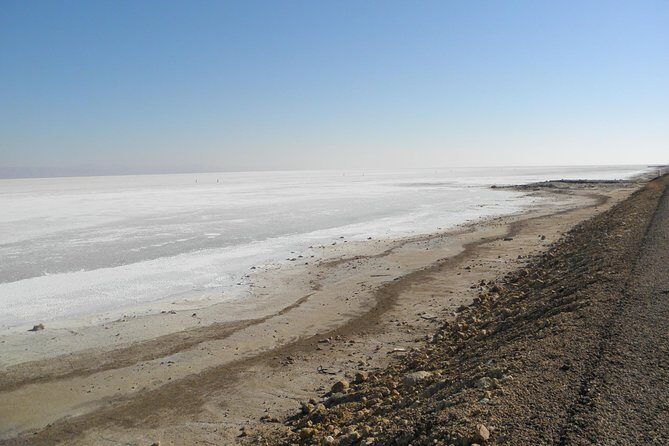
Chott Djerid: The Largest Salt Lake Experience That Feels Bigger Than It Looks
The tour includes a visit to Chott Djerid, described as the largest salt lake in northern Africa. This isn’t just a “see it once” moment. Salt lakes often play tricks with distance and reflections, and the visual effect changes as the sun moves.
What makes Chott Djerid valuable is that it connects the three desert types you learned about earlier. You start to understand the broader system: the salt flats and open emptiness aren’t random. They’re part of how the region works.
Also, this is a place where two things help you enjoy it more:
- Bring your patience. It’s not a place that “does things” to entertain you. It’s a place you watch.
- Plan your light. If your schedule gives you sunset time here (and the tour does include two sunsets overall), you’ll see why this area is famous. The color shifts are real, and the sky does most of the work.
Ksar Hadada and Berber Villages: Chenini and Guermassa’s Cliffside Feel
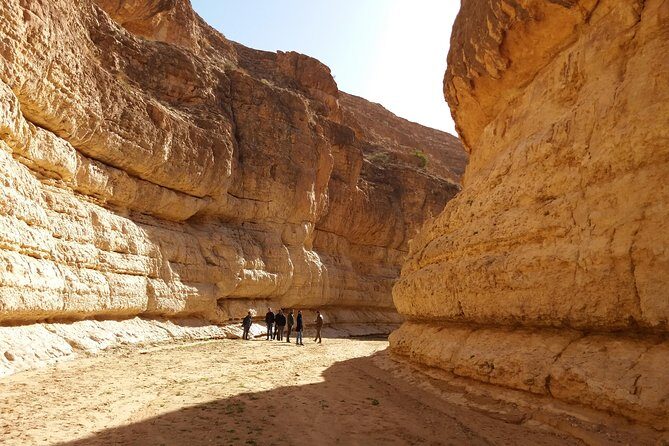
You’ll also visit Ksar Hadada, plus Berber villages of Chenini and Guermassa. Even without adding “extras,” these stops are powerful because they show you architecture adapted to place.
Ksar sites tend to give you a sense of how communities organized life around shelter and defensible spaces. Chenini and Guermassa are especially interesting if you like seeing living culture, not just heritage buildings. You get a clearer picture of Berber village life and how families and traditions shaped the local environment.
One practical note: village visits are usually where you’ll walk the most slowly. That’s good. Slow time is how you notice details like the layout of homes, the feel of courtyards, and how viewpoints connect neighborhoods to the surrounding desert.
If you’re the type who loves talking to locals, these villages are the best match. Your guide can translate what you’re seeing into something meaningful—how people used the land, how they shaped daily life, and what matters most.
Two Sunsets and One Tent Night: The Sahara Part You’ll Remember
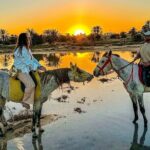
One included night is spent in a tented camp in the desert, and the tour includes two sunsets considered among the most beautiful. This is where the trip turns from sightseeing to something more emotional.
Camping in the Sahara changes how the night feels. You go from heat and movement during the day to stillness after dark. You’ll likely notice the way sounds travel in the desert—quiet gets louder, and stars don’t look like they do back home.
In the reviews, this part came through strongly. People loved the feeling of camping under the stars, and they also mentioned that the included meals were a big deal, not just a checkbox. If food is your comfort, you’ll be glad meals are included: lunch (3), breakfast (2), and dinner (2). Just remember beverages aren’t included, so plan for that if you want water, juice, or other drinks during longer stretches.
Optional activities like quad or dromedary can add extra fun, but they’re not part of the base price. If you do ride, pick what matches your energy:
- Quad: best if you want speed and the dune experience
- Dromedary: best if you want a slower, more traditional desert feel
Either way, the main event is the light after sunset. Stay present. That’s when the tour’s whole theme clicks.
Price and Value: What You Pay for a Private Desert Circuit
The price is listed as $1,509.89 per group (up to 6). On a simple per-person basis, it can look steep—until you break down what’s happening.
You’re paying for:
- an air-conditioned vehicle across a full 3-day circuit
- approved driver and guide services
- 2 nights of lodging (1 in a 4-star hotel in Tozeur, 1 in a tented desert camp)
- included meals (breakfasts, lunches, and dinners)
- entry/access to a wide set of major stops: Matmata homestay, multiple oases, desert types, Mos Espa, Nefta area, Berber villages, Ksar Hadada, Chott Djerid, and the sunset/camp experience
Also, the private format matters. If you’re traveling as a small group, you’re not sharing the itinerary with strangers who might slow things down. Reviews praised drivers and guides—Mounir, Sliem, and Karim were mentioned as standout professionals—so you’re not just buying seats in a van. You’re buying direction and context.
My advice: this tour is best value if you’ll actually use the inclusions. If you care about desert camping, oases, and cultural stops, it’s a strong match. If you only want one or two headline moments, you might compare against shorter desert day tours.
Who This Tour Fits Best (and Who Should Rethink It)
This is a good fit if you want a true South Tunisia sampler: oases, salt lake, desert types, Berber villages, and even Mos Espa. You’ll also like it if you prefer guided interpretation and want to avoid the stress of planning between far-flung sites.
You should think twice if you don’t like early starts or you’re not comfortable with a moderate physical fitness level. Desert experiences often involve uneven paths and standing for viewpoints. Also, since optional desert rides and beverages aren’t included, you’ll want a little spending flexibility on top of the base price.
If you’re traveling with a group of up to 6, this private tour setup is a sweet spot. Everyone gets the same pace, the schedule stays coherent, and you get the benefit of an experienced guide throughout.
Should You Book This Tozeur and the Mountain Oasis Tour?
I’d book it if you want a tightly connected route where the desert isn’t just one day—it’s a theme that changes as you go. The combo of oases (Chebika, Tamerza, Mides), Chott/Erg/Reg desert types, and the tent night with two sunsets is the core reason. Add in Matmata homestay and Mos Espa, and you get both culture and that movie-set wonder without feeling like you’re skipping the real place.
Book it if you’re okay with an early 6:00 am start and you’re ready for moderate walking. And if you’re the type who likes understanding what you’re seeing—asking questions, listening to explanations—this tour’s guide-driven style is a real advantage.
If you’d like, tell me your travel month and your comfort level with walking. I can suggest what to pack (layers, sun protection, and whether quad or dromedary is the better choice for you).
FAQ
How long is the Tozeur and the Mountain Oasis tour?
It lasts about 3 days.
Where does the tour start and when does it begin?
It starts at 6:00 am from the meeting point. The tour ends back at the same meeting point.
Is this tour private?
Yes. It’s a private tour/activity, and only your group participates.
What meals are included?
The tour includes breakfast (2), lunch (3), and dinner (2).
Do I need to pay for quad or dromedary rides?
Quad and dromedary rides (and other optional activities like caleche) are not included, so you’d pay for them separately if you choose them.
Where do we sleep during the trip?
You’ll have 1 night in a 4-star hotel in Tozeur and 1 night in a tented camp in the desert.
Is the tour suitable for everyone in terms of physical activity?
It’s listed as suitable for travelers with a moderate physical fitness level.
What is the group size?
The tour price is per group for up to 6 people.
What’s the cancellation policy?
You can cancel for a full refund up to 24 hours before the experience’s start time. Free cancellation is offered under that rule.