REVIEW · HAMMAMET
Carthage, Sidi Bousaid, and La Médina
Book on Viator →Operated by Tekiki Tours · Bookable on Viator
Carthage in the morning, photos all day. This one-day circuit strings together UNESCO sights and a picture-perfect seaside village in Sidi Bou Said, plus the twisting lanes of Tunis’s Medina. It’s built for a full introduction to Tunisia’s big “wow” places, starting early from Hammamet.
I like the way the itinerary hits three different moods fast: ancient ruins from the hill of Byrsa at Carthage, the crisp white-and-blue streets of Sidi Bou Said, and then the medieval architecture of the Medina. I also like that it’s set up for convenience—pickup is offered and you get a mobile ticket, with the stops designed to run about two hours each.
One thing to think about: language and timing can vary by group. Some departures have run with multiple languages, but there are also complaints about not getting the English experience promised, and about shorter-than-expected time at Carthage or longer waiting within a large group.
In This Review
- Key Highlights You’ll Notice Fast
- A One-Day Tunisia Sampler From Hammamet
- UNESCO Carthage: Byrsa Hill Views and That Big-Scale Feeling
- What you should expect on the ground
- A practical drawback to plan for
- Sidi Bou Said’s White-and-Blue Village and Café des Délices Tea
- The tea stop is more than a break
- A note on how much you’ll enjoy it
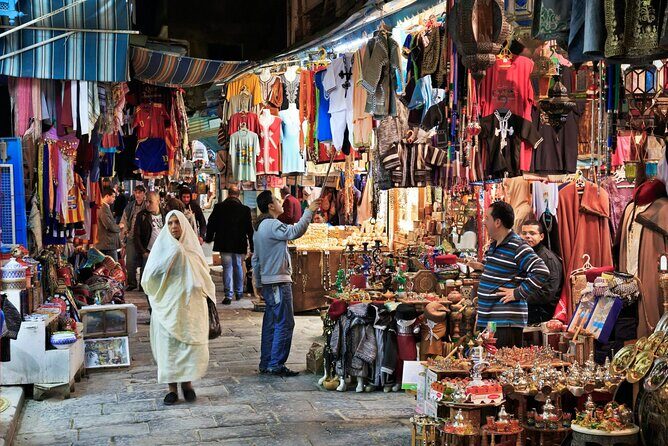
- La Médina of Tunis: Medieval Architecture on a World Heritage Walk
- What you can do with your time
- The tradeoff: this is also where shopping happens
- Bus Time, Waiting, and Why Your Shoes Matter
- My practical advice for a smoother day
- Language Quality: English Can Work, But Confirm It
- What to do before you go
- A balanced reality check
- Shopping Pressure and Bargaining Tips in the Souk
- How I’d handle it
- Value and Price: Is $75.96 Worth It?
- Who gets the best value?
- Who This Tour Suits Best (and Who Should Skip)
- Should You Book Tekiki Tours for Carthage, Sidi Bou Said, and the Medina?
- FAQ
- What time does the tour start?
- How long is the experience?
- Is pickup offered?
- Do I need to pay admission for Carthage, Sidi Bou Said, and the Medina?
- What’s the maximum group size?
- Do I get a mobile ticket?
- What happens if the weather is poor?
- Can I cancel for a full refund?
Key Highlights You’ll Notice Fast
- Byrsa Hill at Carthage: the cradle of Carthaginian civilization with views that feel like the payoff.
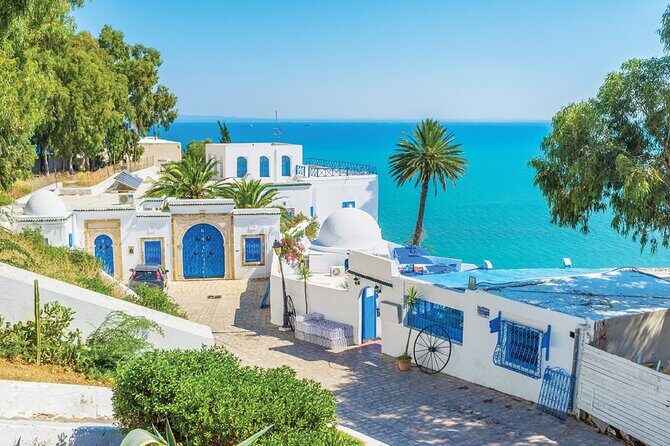
- Sidi Bou Said’s signature look: white walls, blue accents, and that classic postcard vibe.
- Café des Délices pine nut tea: a simple stop that turns into a memorable break.
- UNESCO Medina of Tunis: medieval monuments and architecture in a compact, walkable maze.
- Pickup + mobile ticket: less hassle before you even start sightseeing.
- A range of group sizes: it can feel intimate or a bit slow, depending on the day.
A One-Day Tunisia Sampler From Hammamet
If you only have one day and you want the “best of” without picking between ancient ruins and city life, this route is made for you. You start at 8:00 am and you’re out for roughly 8 to 9 hours, with three main stops that each aim for a slow, meaningful look rather than a quick drive-by.
This works especially well if you’re the kind of traveler who wants context: Carthage gives you the deep-time story. Sidi Bou Said gives you the coastal beauty and local café rhythm. The Medina brings you back to everyday Tunisia—busy, historic, and full of small details.
The tour caps at 50 travelers, which means it’s not a tiny private day, but it can still feel manageable if the group keeps moving.
You can also read our reviews of more tours and experiences in Hammamet.
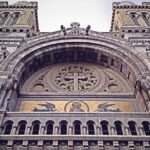


UNESCO Carthage: Byrsa Hill Views and That Big-Scale Feeling
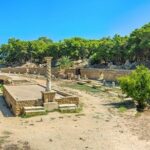
Carthage is the anchor stop here. You’ll head to the hill of Byrsa, described as the cradle of the Carthaginian civilization, and you’ll have time for the vestiges and the view.
What makes this stop special is the way it connects geography to story. From a hill viewpoint, ruins stop being just “rocks with plaques” and start feeling like a place people once lived, built, and defended. Even if you’re not a hardcore ruins person, this is the kind of place where your brain goes quiet for a second—just looking.
What you should expect on the ground
The stop is planned for about two hours. That’s enough time to see the highlights, take photos without sprinting, and read your guide’s explanation at an unhurried pace.
A practical drawback to plan for
Timing can wobble. One common complaint is that Carthage time can shrink sharply compared with the advertised plan. If Carthage is the reason you booked, treat it like your priority: keep track of time, and if your guide is running late, gently ask whether you’ll still cover the core viewpoints.
Admission is listed as free for this stop, which helps the value a lot. Still, free entry doesn’t mean your experience is automatically “long.” Your time on-site matters more than you’d think.
Sidi Bou Said’s White-and-Blue Village and Café des Délices Tea
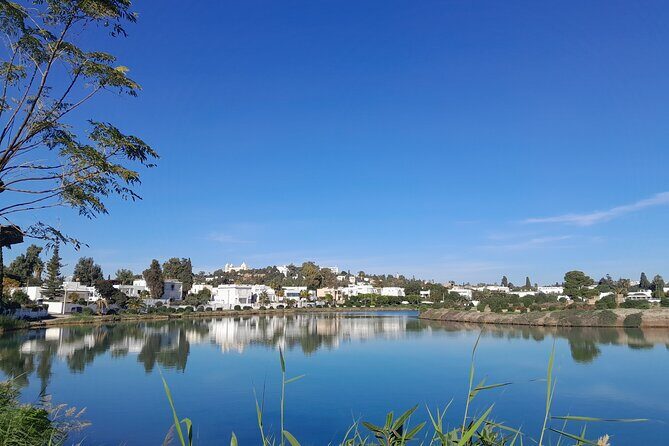
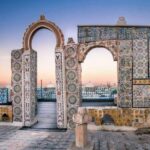
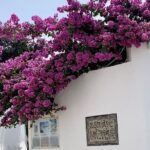
After Carthage, the mood switches. Sidi Bou Said is the classic Andalusian-style village look—white buildings with blue accents—built for slow walks and photos that actually turn out.
You’ll also get a smart viewpoint: the itinerary notes you can admire the area from the Tunis golf course. Even if you’re not into golf, the higher perspective helps you understand the village’s layout before you start wandering.


The tea stop is more than a break
One specific highlight here is the pine nut tea at the Café des Délices. This is the sort of “small” cultural moment that makes a day tour feel real. You’re not just passing through; you’re taking in a local ritual tied to the place.
A note on how much you’ll enjoy it
Sidi Bou Said tends to land well when you don’t rush it. If your schedule feels tight elsewhere on the day, this stop is where you’ll still be happy because it’s visual and relaxing. Even a shorter visit can still feel satisfying because the village’s color scheme and views do a lot of the work for you.
That said, there have been complaints about not enough time for other parts of Carthage, so if you care most about Carthage, you may want to watch your time balance. If Sidi Bou Said is your main attraction, this is the stop that most consistently delivers the “wow” factor.
La Médina of Tunis: Medieval Architecture on a World Heritage Walk
The finale is the Medina of Tunis, a UNESCO World Heritage Site. The focus is on architecture and important monuments dating from medieval times, and the vibe is all about walking through history rather than standing outside a fenced viewpoint.
This is where your guide’s interpretation matters. The Medina can feel like a maze if you only go in with your phone map. With a guide, you get a sense of what you’re seeing—how the buildings connect, and which monuments are worth slowing down for.
What you can do with your time
This stop is also planned for about two hours. That’s a practical amount of time to:
- get your bearings,
- see the key areas without burning your legs,
- and still have room for a little exploring on your own.
The tradeoff: this is also where shopping happens
The Medina and the route around it can come with sales pressure. Some people like the shopping time; others find it distracts from history. If you’re not into bargaining, still go in with a plan: look, compare, and set a hard limit on time and spending so you don’t lose your sightseeing focus.
Bus Time, Waiting, and Why Your Shoes Matter
Eight to nine hours sounds straightforward until you factor in road travel, check-in timing at each stop, and group coordination. The biggest “felt” issue in the feedback isn’t the sites. It’s the time between sites and the number of people moving together.
Some days run with a larger group—around 39 people is mentioned in one account—so you’ll likely experience some waiting. Other accounts describe smaller groups, which usually means faster movement and fewer gaps.
My practical advice for a smoother day
- Wear comfortable shoes. You’re on hills and then you’re walking in the Medina.
- Bring water if you can. The itinerary doesn’t spell out hydration stops, and breaks can be short.
- If the day starts to feel draggy, remind yourself this is the trade: big-time efficiency for a day tour.
Also note that Ramadan can change the rhythm of what’s open. One account mentioned that during the first day of Ramadan, everything was closed at the time of the visit. If your trip overlaps Ramadan, don’t assume the schedule will match your expectations.
Language Quality: English Can Work, But Confirm It
This tour can be a mixed bag when it comes to language. Some descriptions highlight multilingual guiding—French, English, and even Italian depending on the group. That can be a real win because you’ll still understand the story even if your first language isn’t the only one.
But there are also strong complaints about English not being honored, including situations where a non-English guide served an English booking. That’s a red flag if you want history explained clearly rather than guessed from signs.
What to do before you go
When you book, make sure your language request is explicit. If the operator offers a way to confirm the guide language or the language you’ll hear on the day, use it. One email now can save disappointment later.
A balanced reality check
Even when language is handled well, translations can slow things down. That’s why you may feel extra waiting in a multilingual group. If you’re okay with that, the tradeoff is often worth it because you still get guided context at each stop.
Shopping Pressure and Bargaining Tips in the Souk
There’s a lot of opportunity to buy things during this kind of day tour, and it doesn’t always feel neutral. Some feedback calls out pressure to sell during shop stops, including time spent at shops instead of strictly sightseeing.
At the same time, there’s a helpful side: a good guide can coach you on dealing with souk negotiations. One key tip that shows up is advice on how to avoid getting swayed and how to negotiate in the market area.
How I’d handle it
If you want to shop, treat it like a mini mission. Walk with a target product in mind. Decide your budget early. If you don’t care about souvenirs, stay polite, browse quickly, and spend more of your attention on the Medina streets themselves.
Shopping doesn’t have to ruin the day, but you need boundaries—especially in a larger group where the schedule is harder to control.
Value and Price: Is $75.96 Worth It?
At $75.96 per person (with pickup offered and a mobile ticket), this is priced like a classic “big highlights” day. The biggest value driver is that admission is listed as free for the main stops.
Here’s how I judge value on a route like this:
- You’re paying for transport and a guided sequence across three major destinations.
- You’re likely getting a structured explanation that makes UNESCO sites easier to read.
- You’re also paying for convenience—less planning, less driving, fewer decisions.
The risk to value is time. If Carthage time gets cut short or if the day turns into lots of waiting and shop stops, the same price can feel steep. The day still has real appeal—Carthage and Sidi Bou Said are strong anchors—but you should expect the experience to depend heavily on how smoothly your group runs.
Who gets the best value?
You’ll likely feel like you got your money’s worth if:
- you want a first-time introduction to Tunisia’s big landmarks,
- you’re happy with a guided overview rather than a slow, deep dive in one place,
- you don’t mind bus transfers and some waiting.
If you only want Carthage, or you hate shopping interruptions, you may want to compare with a more focused option.
Who This Tour Suits Best (and Who Should Skip)
This is a great fit for first-timers and casual history fans who want an efficient, memorable arc: Carthage for ancient context, Sidi Bou Said for beauty and tea, Medina for UNESCO city atmosphere.
It’s less ideal if:
- you require guaranteed English interpretation and can’t risk language mismatch,
- you dislike group pacing and waiting time,
- you want lots of free wandering in the souks without being pulled into shop stops.
One last note that’s important: there is at least one very negative report citing discrimination and poor treatment. That’s not something to brush off. If inclusivity matters to you, I’d contact the provider before booking and ask what steps they take to ensure everyone is treated respectfully and comfortably throughout the day.
Should You Book Tekiki Tours for Carthage, Sidi Bou Said, and the Medina?
If your goal is a one-day highlights pass—UNESCO Carthage, the white-blue charm of Sidi Bou Said, and a guided walk through the Medina—this tour can be a smart buy. The setup is convenient, the sites are legitimately important, and the pine nut tea stop gives it a human touch.
But I’d book with eyes open. Confirm the language you’ll actually hear. If Carthage is your top priority, mentally plan for the possibility that time might run tighter than advertised. And if you don’t want shopping pressure, set your personal rules before you start negotiating your way through the Medina.
If you want, tell me what month you’re going and what language you need, and I can help you decide whether this day trip sounds like a good match or if you’d be happier with a more focused alternative.
FAQ
What time does the tour start?
The tour start time is 8:00 am.
How long is the experience?
It lasts about 8 to 9 hours.
Is pickup offered?
Yes, pickup is offered.
Do I need to pay admission for Carthage, Sidi Bou Said, and the Medina?
Admission tickets are listed as free for each of the three stops.
What’s the maximum group size?
The maximum is 50 travelers.
Do I get a mobile ticket?
Yes, the tour uses a mobile ticket.
What happens if the weather is poor?
If it’s canceled due to poor weather, you’ll be offered a different date or a full refund.
Can I cancel for a full refund?
Yes, you can cancel for a full refund if you cancel up to 24 hours in advance of the experience start time.