REVIEW · HAMMAMET
From Hammamet or Tunis: Carthage, Bardo, Sidi Bou said and Medina
Book on Viator →Operated by SAHARANSKY · Bookable on Viator
Four stops, one day, serious history.
This full-day circuit from Hammamet (or Tunis) strings together Carthage UNESCO ruins, the Bardo Museum, and the blue-and-white calm of Sidi Bou Said, then finishes inside Tunis’s old medina lanes. It’s a smart way to see the big hits of central Tunisia without spending your whole trip in transit.
I especially like the way the itinerary keeps you moving between time periods: Punic and Roman Carthage sites, then Roman mosaics at the museum, then living culture in Tunis. I also appreciate that it’s a private tour for just your group, which usually means you can go at your pace and ask more questions, whether you get a driver like Haythem or Momo and a guide like Boutheina, Bouhdid, Haudi, or Saïf (names show up repeatedly in guest feedback).
One consideration: the schedule is packed, and you only have about 1 hour at the Bardo Museum. Some people end up wanting more time there, while others prefer extra time back at Carthage or Sidi Bou Said, so be ready for a quick-but-clear hit of everything.
In This Review
- Key things to know before you go
- One Eight-Hour Day: How This Route Makes Sense
- Carthage Archaeological Site: More Than One Photo Spot
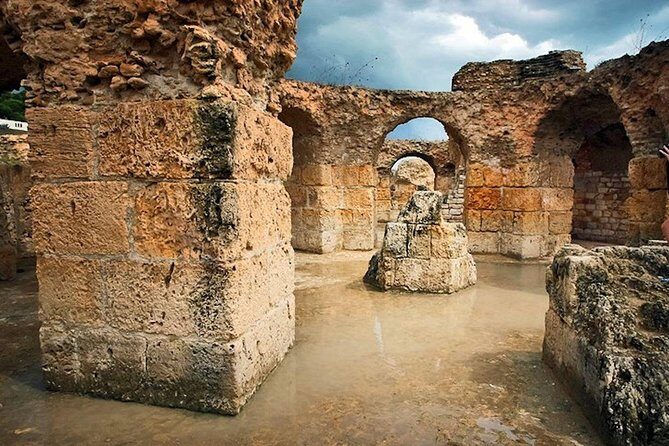
- Antoninus Baths, Tophet, and Carthage Aqueduct: The Short Roman Stops
- Sidi Bou Said Center (Centro Storico): Blue Streets With Sea Air
- Bardo Museum: Roman Mosaics in One Focused Hour
- Inside Tunis Medina: Beb Bhar, Zitouna Mosque, and Market Stops
- Price and Value: What $35 Buys You
- Guides and Drivers: Why the Day Feels Smooth
- Vegetarian Option and Other Planning Notes
- Should You Book This Hammamet to Tunis Heritage Tour?
- FAQ
- Where does the tour start?
- How long is the tour?
- Is pickup included?
- Is the tour private?
- Which stops have admission tickets included?
- Is the Bardo Museum open every day?
- Can I get a vegetarian option?
- What if I need to cancel?
Key things to know before you go
- Carthage gets multiple stops: the archaeological site plus nearby Roman-era highlights like the Baths of Antoninus and Tophet
- Bardo Museum is included with Roman mosaics as the headline, but you’ll be on a clock
- Sidi Bou Said is built for strolling with classic blue-and-white streets and Mediterranean views
- Tunis medina is short and focused: key doorways, then Zitouna Mosque area plus markets
- Pickup and a mobile ticket help keep the day smooth, especially if you’re staying in Hammamet
- Bardo Museum closes on Monday, so plan around that if your dates land there
One Eight-Hour Day: How This Route Makes Sense
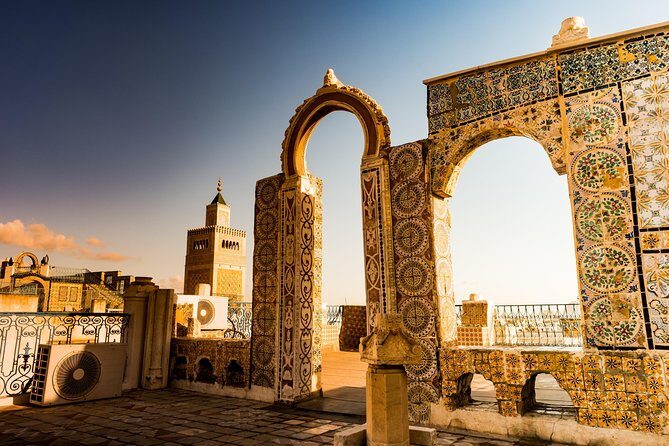
This tour is designed as a full-day “greatest hits” loop with an approximate 8-hour duration. That’s long enough to feel like a real day out, but not so long that you’ll be exhausted before the medina part.
You’re going from the coast area around Hammamet into Carthage and Tunis, then back through Sidi Bou Said and the old city. The value here is not just seeing famous names—it’s seeing how the region layers cultures: Punic-era Carthage, Roman Carthage, and then the daily life of Tunis.
Because it’s private, I’d expect the day to run in a tighter, more controlled way than a large-group bus tour. That matters when you’re walking through archaeological paths and then switching gears to busy market streets.
You can also read our reviews of more tours and experiences in Hammamet.


Carthage Archaeological Site: More Than One Photo Spot
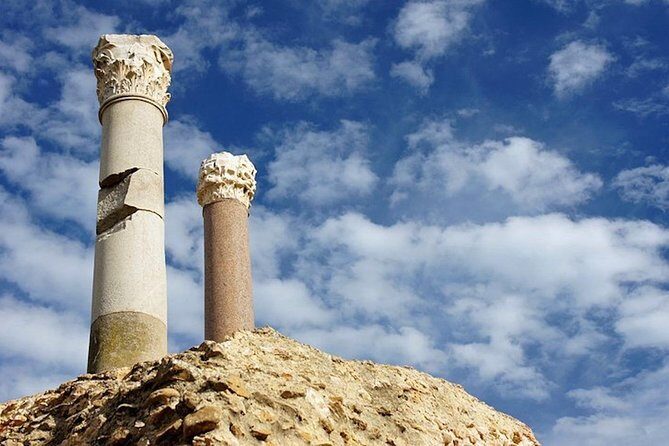
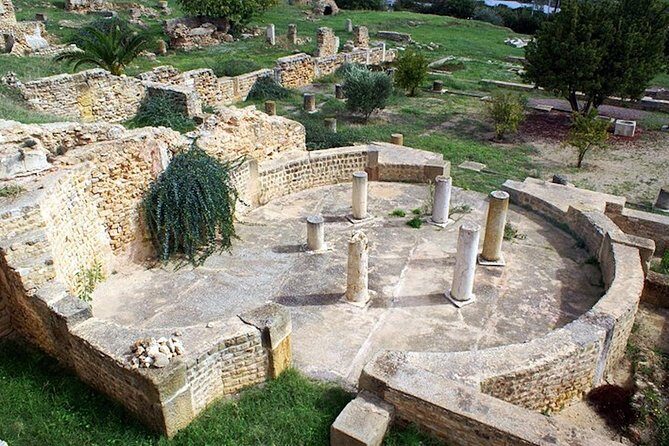
Your day starts at the Site Archeologique de Carthage for about 2 hours, and it’s the kind of place where the time feels justified. You’re there for major remains tied to a city that mattered in the ancient Mediterranean.
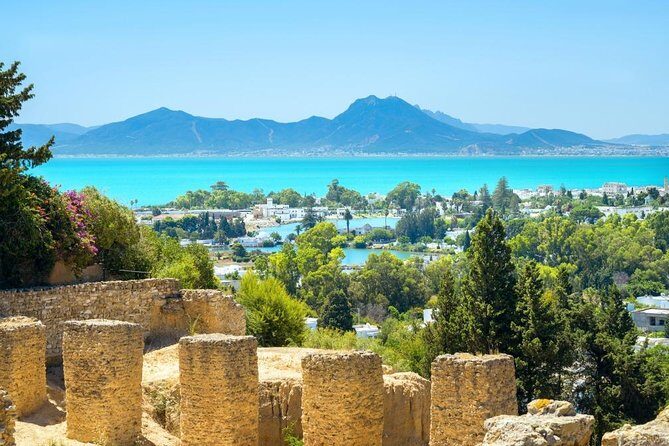
Carthage was famously destroyed by the Romans in 146 BC, but what survives (and what’s been excavated) helps you picture daily life, not just a monument. The site description you’ll hear points to features like city walls, sewage systems, and evidence of large multi-story homes on Byrsa Hill. It’s the “how people actually lived” angle that tends to stick with people.
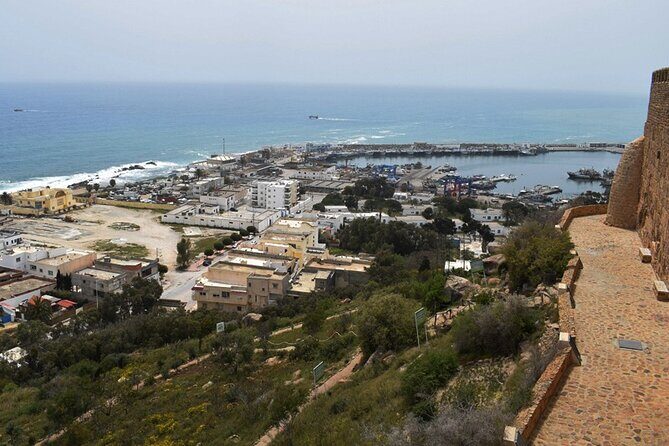
You’ll also get sweeping views of the coastline from the area, which is a big part of why Carthage is such a visual stop. If you care about geography—how the sea and hills connect—you’ll like this start.
Good to know: Carthage time is structured into several chunks. That’s helpful if you want variety without sprinting from one far-apart ruin to the next.
Antoninus Baths, Tophet, and Carthage Aqueduct: The Short Roman Stops
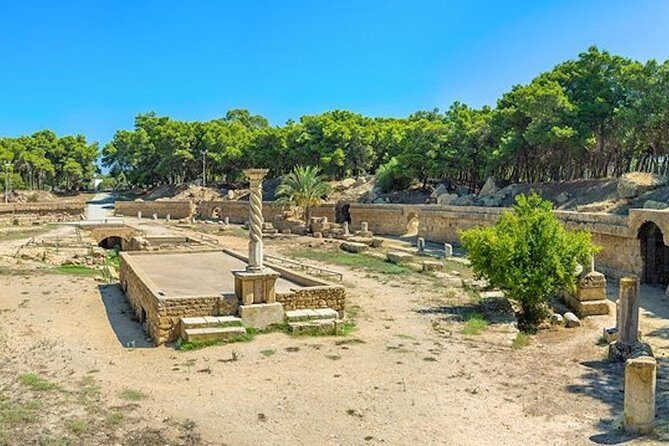
After the main Carthage site, the tour continues with smaller, targeted stops:
- Baths of Antoninus (about 30 minutes)
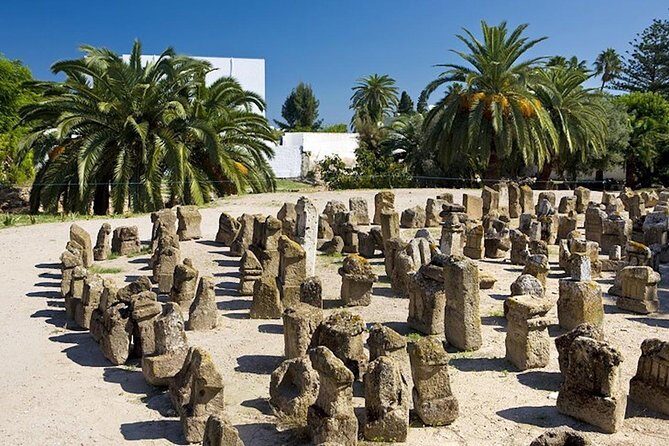
- Tophet de Carthage (about 1 hour)
- Carthage Aqueduct (about 30 minutes)
These are not “see everything” visits. They’re more like museum labels that you can walk around. In other words: you don’t just learn the name; you get the physical context.
The Baths stop is quick but it helps you connect Carthage’s Roman period to how people used public architecture. The Tophet stop is longer, which signals that it’s treated as an important component of understanding ancient Carthage. And the aqueduct visit gives you a practical feeling for infrastructure—water systems, engineering, and how a city functioned.
If your priority is deep museum-like study, you might wish these were longer. If your priority is seeing more of the overall day’s mix, the time splits work.
Sidi Bou Said Center (Centro Storico): Blue Streets With Sea Air
Next comes Sidi Bou Said, the blue-and-white coastal village with a relaxed atmosphere. You’ll have about 1 hour in the Centro storico, and that hour is the right size for strolling and taking in views without turning it into a “how long can we walk” situation.
This stop is all about sensory contrast after archaeological ruins. Instead of stone walls and Roman layouts, you get street views, sea air, and a postcard-like setting that still feels like a real place rather than a theme park.
What I like about the way this is slotted in is the pacing. It gives your brain a breather. You’re not switching to shopping immediately; you’re switching to scenery and a lighter rhythm.
One practical tip: in a day like this, treat the Sidi Bou Said portion as your chance to stop, look, and reset your energy before you enter Tunis’s old city lanes.
Bardo Museum: Roman Mosaics in One Focused Hour
The National Museum of Bardo is one of the biggest reasons people do this tour. It’s included for about 1 hour, and the museum is known for a major collection of Roman mosaics and other artifacts tied to Tunisia’s past.
This is where the “value” of the itinerary shows up. Carthage gives you the city-in-ruins feel. Bardo gives you the artifacts view—objects that let you slow down visually, even if the visit itself is time-limited.
You should also plan around a key date: Bardo Museum is closed on Monday. If your travel days include a Monday, you either need a different day tour or an alternate plan for the museum portion.
The 1-hour format can feel short, and some people do wish they had more time here. But if you treat it as a targeted highlights visit—mosaics first, then move on—the hour becomes efficient rather than rushed.



Inside Tunis Medina: Beb Bhar, Zitouna Mosque, and Market Stops
You’ll finish with the heart of the city in the Medina of Tunis, with key stops that help you get your bearings fast.
First is Beb Bhar, a famous gateway/doorway area in the medina zone. You’ll have about 15 minutes here, which is enough time to orient yourself and understand why it matters in the old-city layout.
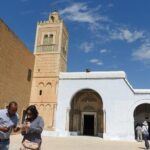
Then the itinerary includes a stop connected to the Zitouna Mosque area. After that, you’ll have about 1 hour in the medina proper, with time with your guide through narrow streets and stops tied to everyday crafts and shopping culture—specifically including places like a cap-makers market and a perfume market.
This part is where the day turns from “heritage facts” to “human scale.” The streets are narrower, the pace is different, and you’re more dependent on your guide to keep you moving confidently. That’s also where having an English-speaking guide with a strong personality pays off. Names like Boutheina and Haudi come up in feedback for exactly this reason: they help history feel like a story you can walk through, not a list you memorize.
Quick caution: medina lanes can be a lot in terms of crowd energy. If you’re someone who gets tired easily, keep your plan simple here—pick a couple of market stops you care about most, then let the rest be “nice to see.”
Price and Value: What $35 Buys You
At $35 per person for roughly 8 hours, this tour is positioned as an affordable way to cover big sites in central Tunisia. The real question isn’t the sticker price—it’s what’s included and how much you get done without logistics stress.
Here’s what boosts the value:
- You get pickup offered, which saves you from juggling local transport during a long day.
- Admission tickets are included for major components at Carthage and at the Bardo Museum.
- The tour includes multiple major stops instead of one or two far-away sights.
- It’s private, so the cost is spread across your group size rather than only benefiting a mass-market tour model.
Also worth noting: the tour includes a mobile ticket, and it’s listed as being near public transportation. That usually means fewer headaches when you’re coordinating arrival and departure.
If you’re traveling with someone and you want structure—transport, timing, guiding—this price tends to make sense. If you already have your own car and you’re comfortable building your own route, it might feel like you’re paying for convenience. But for most visitors, the convenience is the point.
Guides and Drivers: Why the Day Feels Smooth
In a packed heritage itinerary, the quality of the human layer matters as much as the ruins. Guest feedback consistently points to guides and drivers who keep things calm and clear.
You’ll see names like Haythem and Halim highlighted as drivers who made the ride safer and smoother. Guides like Bouhdid, Boutheina, Haudi, and Saïf show up for giving explanations that feel fun, not dry, and for adjusting to the group’s needs.
One review mentioned traveling with a 7-month-old, and the driver took extra care to keep things smooth. Even if you’re traveling solo or as a couple, that tells you something important: the operator seems to think about real-world comfort, not just route math.
If you care about a relaxed pace inside the schedule, this is a good sign.
Vegetarian Option and Other Planning Notes
If food matters to you, you’ll be glad to know there’s a vegetarian option available. Just advise at booking so the day doesn’t include surprise detours.
Also, this tour is marked as suited to most travelers can participate, which is helpful if you’re trying to keep the day inclusive. And since you’re doing a mix of ruins and city streets, it helps to wear comfortable walking shoes and stay hydrated, especially in warmer seasons.
Finally, it’s important to remember the museum closure: Bardo is closed on Monday. That single fact can decide whether this tour fits your dates.
Should You Book This Hammamet to Tunis Heritage Tour?
I’d book this tour if you want a first-time, high-impact day that covers Carthage, Sidi Bou Said, Bardo Museum, and central Tunis without forcing you to plan routes between all of those points. It’s especially worth it when you like the idea of a guide walking you through the story at each stop—Roman engineering here, mosaic artistry there, and everyday market culture at the end.
Skip or swap it only if you strongly care about spending lots of time in one place, especially the museum. The schedule gives you highlights, not full immersion, and the 1-hour Bardo portion may feel short if mosaics are your one big passion.
If you’re trying to make the most of limited time in Tunisia, this is a solid way to do it.
FAQ
Where does the tour start?
The tour is described as running from Hammamet or Tunis, depending on where you’re coming from.
How long is the tour?
The duration is listed as 8 hours (approx.).
Is pickup included?
Yes. Pickup is offered as part of the tour.
Is the tour private?
Yes. This is a private tour/activity, meaning only your group participates.
Which stops have admission tickets included?
Admission tickets are included for the Site Archeologique de Carthage and its listed stops (including Baths of Antoninus, Tophet de Carthage, and the Carthage Aqueduct) plus the National Museum of Bardo. Other stops like Sidi Bou Said (Centro storico) and parts of the medina are listed as admission free.
Is the Bardo Museum open every day?
No. The National Museum of Bardo is closed on Monday.
Can I get a vegetarian option?
Yes. A vegetarian option is available, and you should advise at the time of booking.
What if I need to cancel?
Cancellation is free, and you can cancel up to 24 hours in advance for a full refund.