REVIEW · HAMMAMET
3-Day Private Excursion to the Sahara departing from Hammamet
Book on Viator →Operated by Caravane du sahara · Bookable on Viator
A night under Sahara stars, minus the chaos. This 3-day private excursion from Hammamet strings together Kairouan, dramatic oasis valleys, and a real desert night with nomads at a cool pace that avoids the constant back-and-forth feeling. You also get the underground world of Matmata plus a major Roman stop at El Jem, so the trip feels like a fast but solid introduction to Tunisia.
I especially like the private setup: you’re not waiting on strangers, and your guide can slow down for the details that interest you. The experience is also powered by a guide team that feels organized and friendly—Ali (guide) and Walid (driver) stand out for clear communication and getting you where you need to be.
One thing to think about is the price. At $697.39 per person for a private tour, it’s best value if you’ll genuinely use the included meals, admissions, and dedicated time rather than treating it like a quick taster.
In This Review
- Key highlights that make this Sahara trip worth it
- Why the Hammamet-to-Sahara pace feels smarter than rushing
- Day 1 in Kairouan: the Great Mosque and Aghlebites pools
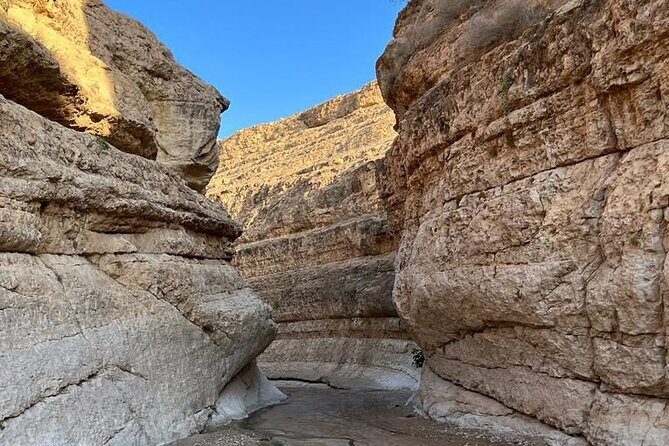
- Day 1 in the Mides Valley: canyon views and a living oasis style
- Tamaghza Oasis waterfall: cooling off in an arid setting
- Chebika Oasis: the abandoned village story plus a short trek
- Tozeur medina on foot and horse-drawn carriage time
- Day 2: Nefta and Corbeille, plus the Mos Espa and Star Wars connection
- Date palm oasis stop at a hotel pool, then city streets and souks
- Chott El Jerid: the Great Salt Lake crossing and mirage effects
- Douz craft time: camel-skin shoes and Berber carpets
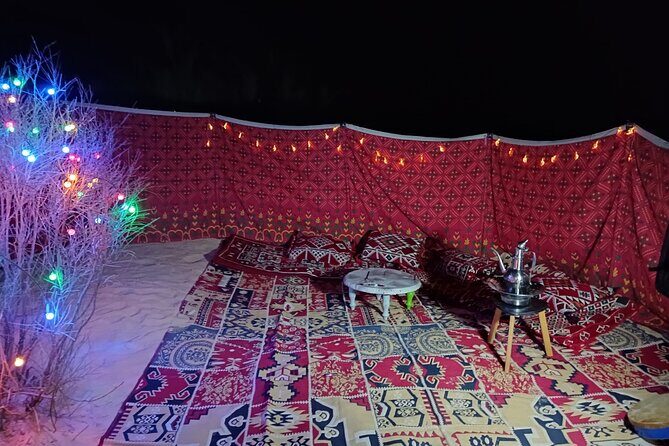
- Sahara desert night: 25 km inside, private tent, campfire dinner
- Day 3: Tamazret café stop with herbal tea and mountain views
- Matmata troglodyte homes and Sidi Driss Star Wars sets
- El Jem amphitheater: 238 AD power with galleries and three levels
- What’s included, and how to plan for the rest
- The value question: what you’re really paying for
- Who this private Sahara trip is best for
- Should you book the Hammamet Sahara private excursion?
- FAQ
- FAQ
- Is pickup from Hammamet included?
- Is this a private tour?
- What meals are included?
- Do I visit the Sahara desert for an overnight stay?
- Are entrance fees included?
- What’s not included in the price?
Key highlights that make this Sahara trip worth it
- A full desert night in your own tent with dinner prepared at the campfire
- Kairouan and the Aghlebites pools: architecture plus water systems you can actually see
- Oasis valleys with short hikes at places like Chebika and Tamaghza
- Star Wars film locations in the south tied to Mos Espa and Sidi Driss
- A hands-on stop at Matmata’s troglodyte homes including bread-making and tastes
- El Jem’s amphitheater with underground galleries and seating on multiple levels
Why the Hammamet-to-Sahara pace feels smarter than rushing
Most long Tunisia routes feel like a trade: either you move fast and feel harried, or you move slow and run out of vacation. This one tries to split the difference. You’re still on the road plenty, but the plan is built so you’re not doing an all-day grind from north to south just to reach the Sahara. Instead, you collect landmarks in a logical order: Islamic heritage first, then oasis nature, then the salt lake and desert, and finally the Roman anchor at El Jem.
What helps is the private rhythm. When you’re not sharing your timing with a bigger bus crowd, you can enjoy the stops on foot—at markets, in medinas, and on the short treks—without losing your place every few minutes.
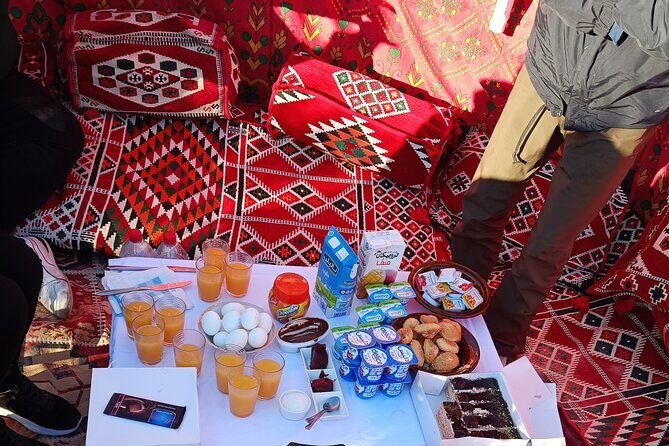
Also, the included pieces matter. This tour covers breakfast plus multiple lunches and dinners, and it includes entrance fees at the key sites. That turns the price into something you can actually measure, because you’re not adding a pile of small extras one by one.
You can also read our reviews of more private tours in Hammamet
Day 1 in Kairouan: the Great Mosque and Aghlebites pools
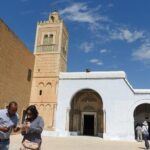
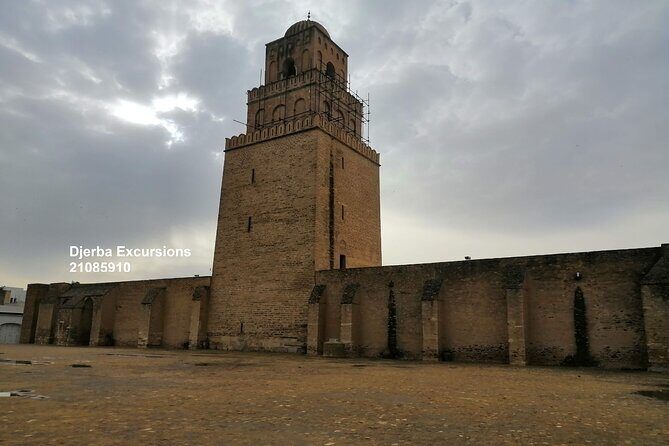
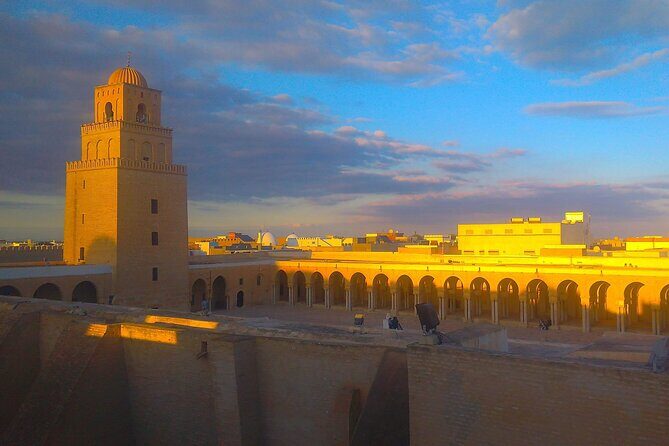
Your first major stop is the Great Mosque of Kairouan. If you’ve never seen Kairouan’s sacred architecture up close, this is a great way to get oriented. You’ll spend time in the courtyard with its pillars, and you’ll also see the Aghlebites pools, including the courtyard’s underground water reserve.
I like this stop because it’s not only about pretty walls. It gives you a practical feel for how water storage and sacred spaces were linked in a hot climate. Even if you’re not a history fanatic, the idea becomes instantly clear once you’re standing there.
Practical tip: plan to take your time inside. Courtyards, shaded corridors, and water features reward a slower pace more than a checklist sprint.
Day 1 in the Mides Valley: canyon views and a living oasis style
Next comes Mides Valley with a local guide. You’ll see the Mides canyon and an old abandoned village, then continue to a nearby oasis that’s described as primitive with three-level cultivation.
Three levels of farming isn’t just a quirky detail. It’s a reminder that these oases aren’t decorative. They’re engineered survival systems—layered to manage water and growing conditions. You’ll also pass ancient palm trees along with orange trees and olive trees, which helps you understand why this region can support agriculture when the surrounding areas look dry.
The best part here is having a local guide for the canyon and village pieces. It turns the place from scenery into a story.
Tamaghza Oasis waterfall: cooling off in an arid setting
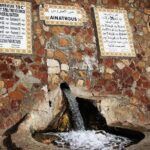
Tamaghza Oasis is built around the Temegza Waterfall. The setup is simple and memorable: you’re in an arid desert area, then water forms a small river and springs that create a waterfall where people cool off in summer.
This is one of those stops that feels like a reset. After walking and viewing villages and valleys, you get a sensory break—sound of water, cooler shade, and a quick change of mood.
Watch your time: the stop is shorter, so bring comfortable shoes and expect a quick but satisfying visit rather than a long linger.
Chebika Oasis: the abandoned village story plus a short trek
Chebika Oasis adds drama. The village here was abandoned after floods in the 1960s, and you’ll see an oasis tucked into the valley. You’ll also take a 25-minute trek to reach the viewing areas.
This is a good balance of effort and payoff. You’re not signing up for a huge hike, but you do get movement, fresh air, and that moment where the valley opens in front of you.
Practical tip: wear grippy footwear. A short trek still means uneven ground, and you’ll be glad you didn’t pack only sandals.

Tozeur medina on foot and horse-drawn carriage time
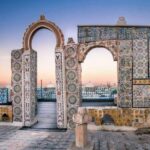
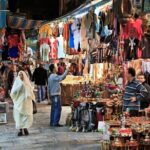
After the desert-edge nature stops, you’ll shift into a market and walking experience in Tozeur. You’ll explore the medina on foot, see souks and bazaars, and you’ll also have horse-drawn carriage time linked to the oasis-and-market vibe.
Food is part of this stop too. You’ll eat in typical restaurants with local culinary specialties, which is exactly what I like to build into longer tours: one meal that feels like part of the culture rather than just a fuel stop.
This is also a nice place to reset your shopping instincts. When you’re already surrounded by spices, crafts, and everyday local life, you naturally learn what’s worth paying attention to and what’s mostly for show.
Day 2: Nefta and Corbeille, plus the Mos Espa and Star Wars connection
Day 2 starts with La Corbeille and Nefta, described as the land of marabouts and tied to the famous Corbeille. From there, you’ll go into the desert to discover the site of Mos Espa and the Star Wars settings. On the way, you may see herds of camels, which makes the route feel less like a film set detour and more like a real working desert journey.
I like this day because it doesn’t treat pop culture as the main event. The Star Wars reference is a fun hook, but the real value is seeing how the desert and villages sit in the broader geography of southern Tunisia.
Practical tip: take the camera out early and late in the day. The desert can change fast, and the lighting is where photos really improve.
Date palm oasis stop at a hotel pool, then city streets and souks
Later you’ll stop at an installation in a typical hotel with a swimming pool in the middle of a date palm oasis. After that, there’s time to discover the lively streets of the city on foot and browse the souks.
This is one of those moments that feels small on paper but big in real life. After hours of salt flats, sand, and road time, having a comfortable pause in the date palm environment can make the rest of the day feel easier.
Chott El Jerid: the Great Salt Lake crossing and mirage effects
Then it’s on to Chott El Jerid. You cross the Great Salt Lake across 60 km, seeing an immense salt desert stretching as far as the eye can see. The effect is noted as changing by season, and in summer you can clearly see mirage.
Even if you’ve seen salt flats before, this stop is worth it because it’s tied to a moving route. You’re not stuck in one place staring; you’re traveling across it, which helps you grasp the scale.
Practical tip: keep water on hand and be ready for strong sun. Salt areas reflect light, and you’ll feel the glare faster than you expect.
Douz craft time: camel-skin shoes and Berber carpets
Douz is where you get focused on crafts. Local shoes made from camel skin are part of the story, along with Berber carpets sold on site. If your dates align, Thursday morning is the big market day in Douz.
I find Douz useful because it gives you a concrete shopping target. You’re not randomly wandering; you’re seeing what’s produced locally and why certain materials get used.
If you love markets, this is a great stop for that mix of everyday goods and desert-related crafts.
Sahara desert night: 25 km inside, private tent, campfire dinner
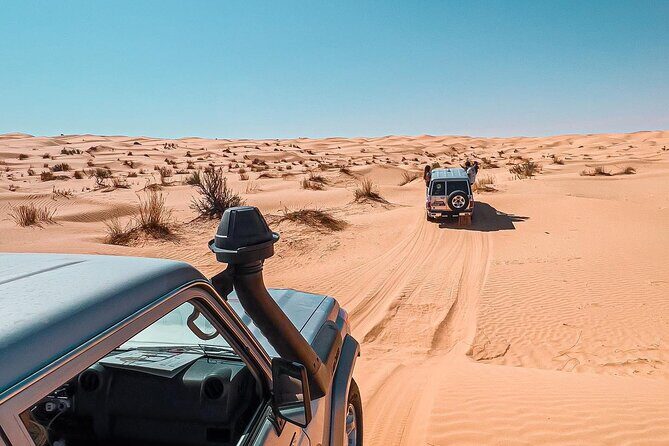
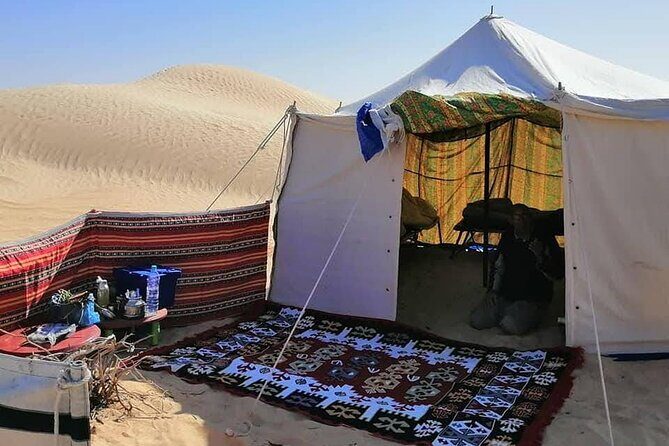
The main event is the Sahara night. You’ll go about 25 km deep into the desert to spend the evening in a tent, described as being alone in the middle of nowhere with sand dunes around.
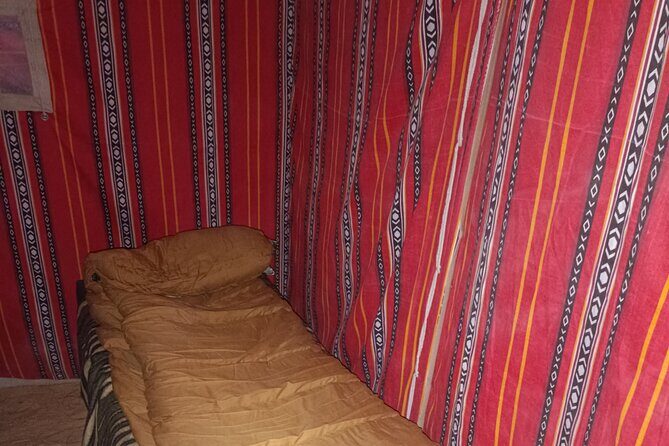
You’ll have a private tent with a bed and bedding, and dinner is prepared on site at the campfire. This is the part of the trip where you stop thinking in museum hours and start thinking in night sounds, stars, and simple living.
One helpful mindset: treat it like a night in the wilderness, not a hotel stay. You’ll likely be active in the day and then enjoy a slower, quieter evening.
Practical tip: bring a small flashlight or phone light if you have one you trust. Moving around at night is easy when you’re prepared.
Day 3: Tamazret café stop with herbal tea and mountain views
Day 3 begins with Tamezret, also tied to the Berber village of Tamazret. You stop at a café to admire the older village, sip aromatic herbal tea, and enjoy views including the Daher mountains in the distance.
This is a gentle start after the desert night. It gives you a calmer human-scale stop—more conversation and quiet than trekking.
Practical tip: take the herbal tea moment seriously. It’s one of the easiest ways to feel the region’s pace on a long multi-day tour.
Matmata troglodyte homes and Sidi Driss Star Wars sets
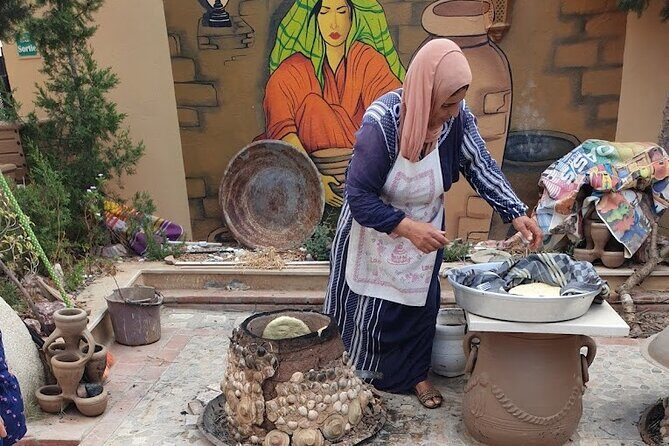
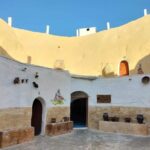
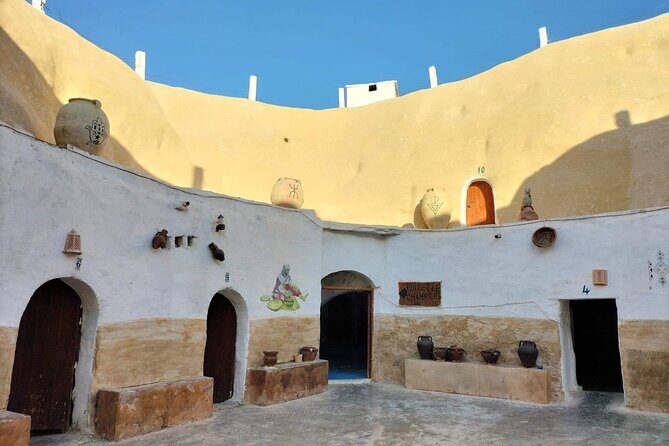
Then comes Matmata, one of Tunisia’s most distinctive experiences. You’ll visit a family living in troglodyte dwellings and see life underground for the Berbers. You’ll also see women who weave and how bread is prepared, and you’ll taste olive oil and honey.
This is where the tour earns its place beyond the name recognition. Underground living isn’t just an oddity—it’s practical adaptation, and watching daily tasks and food traditions gives you a real sense of what those homes mean.
You’ll also visit the Star Wars sets located at the Sidi Driss hotel, including a typical hotel underground with its ghorfas.
I like how this stop works from two angles: home life first, then film-location curiosity second. You’re not forcing one narrative over the other—you get both.
Practical tip: ask questions while you’re there. When people are explaining weaving or bread, you’ll learn more than you will from photos.
El Jem amphitheater: 238 AD power with galleries and three levels
The day ends with the amphitheater at El Jem. Founded in 238 AD, it has underground galleries, the arena, and three floors with seating for about 30,000.
If you want one “wow” moment that’s not desert-related, El Jem delivers. It’s huge, it’s intact enough to imagine the event, and it’s structured in a way that makes you walk and look from different angles.
The underground galleries are a standout because they explain how the building worked, not just how it looked. Even if you’re not a Roman-history person, this stop is easy to appreciate because you can physically move through it.
What’s included, and how to plan for the rest
This tour includes breakfast plus multiple meals across the days: dinner is included twice, and lunch is included three times. Entrance fees are covered for the listed stops, and you’ll also have local guides where needed, plus horse-drawn carriage and dromedary/camel elements as part of the experience.
What’s not included is just tipping. That’s fairly standard, and it keeps your budgeting simple.
The value question: what you’re really paying for
$697.39 per person sounds like a splurge until you break down what’s covered. This isn’t just a single-site entry ticket. You’re paying for a private multi-day route that handles transportation, guides, entrance fees, and meals. You’re also getting two very high-cost-feeling experiences rolled into the plan: a full Sahara night and visits to major cultural sites spread far apart.
The best value is for people who want a structured introduction without doing all the coordination themselves. If you want to see Kairouan, oasis valleys, the salt lake, Matmata troglodytes, and El Jem in one go—with private time to explore on foot—this price becomes easier to justify.
If you only care about one or two stops, you’d be better off building a smaller day trip or choosing a shorter focus. The strength of this one is the breadth.
Who this private Sahara trip is best for
I think it’s a great fit if:
- you want a first real taste of southern Tunisia without feeling lost
- you enjoy mix-and-match travel: mosques, oases, desert nights, underground homes, and Roman ruins
- you prefer a private guide experience where names like Ali and Walid matter, not just a generic driver
It may not be ideal if you’re the type who hates moving from place to place. This trip is busy by design, even though the pacing is meant to feel calmer than a simple north-to-south dash.
Should you book the Hammamet Sahara private excursion?
Yes, if you want an organized, thoughtful route that delivers the Sahara night plus strong cultural anchors. I’d book it for the combination of Matmata underground life, the Sahara tent night with campfire dinner, and the way the day-to-day structure keeps you from guessing.
If you’re on a strict budget, consider whether you’ll actually use the included admissions and meals. If not, the price might feel heavy. But if you’re treating this as your Tunisia highlight trip, it makes sense.
FAQ
FAQ
Is pickup from Hammamet included?
Yes. Pickup is offered, and the tour departs from Hammamet.
Is this a private tour?
Yes. It’s a private excursion, meaning only your group participates.
What meals are included?
Breakfast is included. You also have lunch three times and dinner two times during the 3 days.
Do I visit the Sahara desert for an overnight stay?
Yes. You go about 25 km into the desert and spend the night in a tent, with dinner prepared on site at the campfire.
Are entrance fees included?
Entrance fees to the listed sites are included.
What’s not included in the price?
Tipping is not included.