REVIEW · HAMMAMET
Tour to the Medina of Hammamet and the Spice Market of Nabeul
Book on Viator →Operated by Tekiki Tours · Bookable on Viator
Hammamet and Nabeul make a smart half-day combo. You get a guided walk through the Medina of Yasmine Hammamet, then head to Nabeul for the daily spice market scene, and finish at a ceramics workshop in the pottery heartland. I love that the tour is built around living crafts and everyday shopping, not staged photo stops, and you’ll also get a guide who can explain the logic behind the buildings and the trade. One thing to consider: the format is a group outing with timed stops, so pace can feel a bit tight if you like to linger.
The best part is how the day connects themes: architecture and social codes in the medina, then food culture via spices and regional specialties, then hands-on craft at the pottery workshop. In other words, you’re not just seeing places, you’re learning how people make life happen there. The possible drawback is that some people report the guide doesn’t always walk with the group for every chunk of free time, and the spice stop can feel more kiosk-like than market-wide depending on where you land that day.
In This Review
- Key things to know before you go
- A Half-Day Circuit That Actually Makes Sense
- Walking the Medina of Yasmine Hammamet Like You Have a Map
- Nabeul’s Spice Market: Harissa, Neroli Water, and Real Daily Life
- Kerkenis Ceram: Watching Pottery Craft Up Close
- Price and Value: Is $29 for Four Hours a Good Deal?
- Logistics That Matter: Timing, Pickup Stops, and Group Pace
- What to Buy (and How Not to Get Burned)
- Who This Tour Is Best For
- Should You Book Tekiki Tours’ Hammamet and Nabeul Medina-Spice-Ceramics Tour?
- FAQ
- How long is the tour?
- What time does the tour start?
- Do you get hotel pickup?
- Where are the main stops?
- Is admission included for the stops?
- Is the tour guided?
- How big is the group?
- Is a mobile ticket used?
- Is the tour dependent on weather?
- Can I cancel for a full refund?
Key things to know before you go
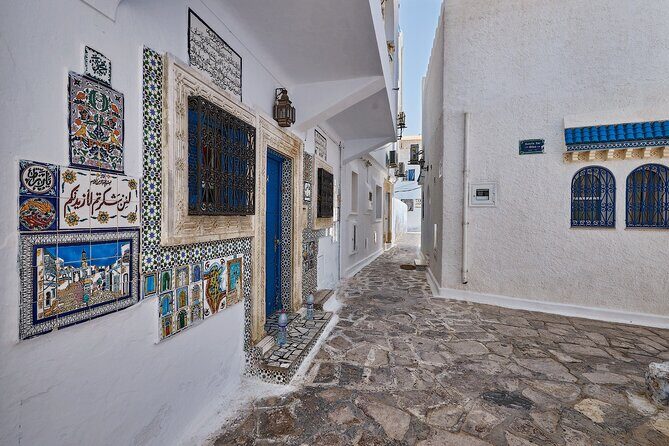
- Seafront Medina focus in Yasmine Hammamet: expect a guided look at architecture and the social rules that shape the streets
- Nabeul spice market with local specialties: look out for the region’s harissa culture and neroli water
- Ceramics stop at Kerkenis Ceram: you’re meant to see the craft process, not only shop
- Small-ish group feel: up to 50 travelers, with hotel pickup offered
- Guides often work in multiple languages: English support has been reported, even when the group is mostly French
A Half-Day Circuit That Actually Makes Sense
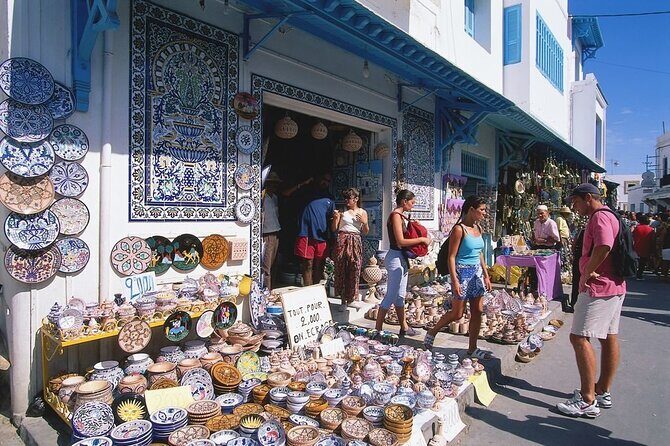
This is a 4-hour outing that strings together three very different textures of Tunisia: a medina walk by the sea, a Nabeul market morning vibe, and a ceramics workshop focused on the making of things. It’s the kind of route you choose when you want more than beach time, but you don’t want to lose a full day to driving and logistics.
The route is also set up for practical sightseeing. You start in the early morning (8:00 am), and the tour includes pickup, so you avoid the hassle of figuring out local transport for a short itinerary. You’ll also have a mobile ticket, so you’re not dealing with printing paper in the heat.
You can also read our reviews of more tours and experiences in Hammamet.


Walking the Medina of Yasmine Hammamet Like You Have a Map
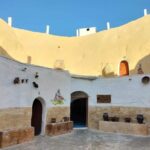
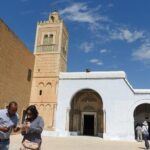
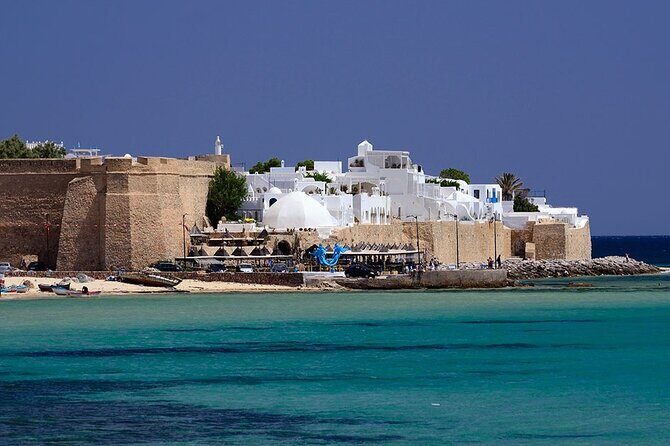
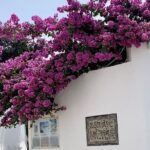
The Medina of Yasmine Hammamet is the first big stop, and it’s positioned as a guided walkthrough rather than a free-for-all. You’ll spend about 1 hour 30 minutes getting context for what you’re looking at: the history, the architecture, and the social codes that shape how space works. That’s valuable because the medina can otherwise feel like a maze of pretty streets and shops. With commentary, you start spotting patterns instead of just reacting to sights.
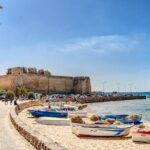
You’re also in the part of Hammamet that’s tied to the seafront. That matters. The views from roof terraces and the sense of the town hugging the sea are part of the appeal, and a good guide helps you clock where those perspectives come from.
Two practical tips for the medina portion:
- Wear shoes you can walk in for 60–90 minutes on uneven pavement.
- Keep an eye on how much you’re being pulled toward shops. It’s not a museum; it’s a neighborhood, so curiosity and shopping pressure often happen side by side.
Nabeul’s Spice Market: Harissa, Neroli Water, and Real Daily Life
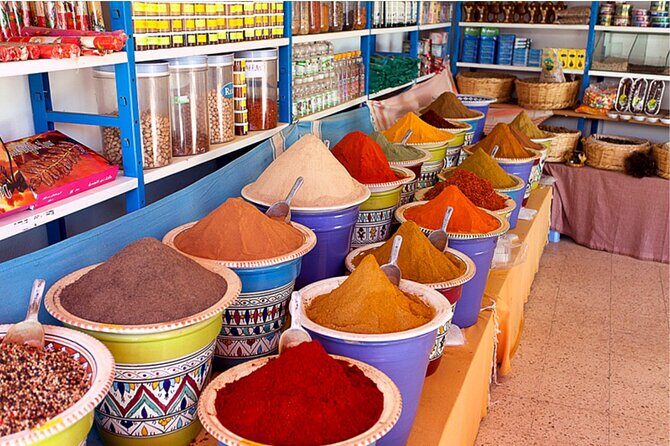
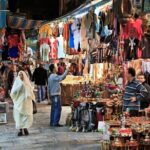
After Hammamet, the tour heads to Nabeul for the spice market stop. This is described as the daily market of Tunisians, which is a big deal. It’s not only tourists buying souvenirs. You’re seeing how locals shop and what aromas and ingredients define the region’s cooking.
Plan for about 1 hour 30 minutes here. That’s enough time to look, ask questions, and do some tasting-style browsing if your guide encourages it. The key specialties to watch for are harissa (the region is known for it) and neroli water. Even if you don’t cook much at home, these are good items to understand the local flavor world.
One honest consideration: a couple of people felt the spice stop didn’t match expectations, describing it more like a smaller kiosk-style selling area than a wide open market. That doesn’t mean it’s bad. It just means you should adjust your mindset. Think “smell-and-browse stop” more than “full market immersion for ages,” especially if you love large, sprawling market streets.
Also, expect sales energy. In the souks, bargaining and pitching can get pushy. Your best move is simple:
- Decide what you want before you start walking.
- Keep your replies short.
- If you feel cornered, step back and let other vendors work their rhythm.
Kerkenis Ceram: Watching Pottery Craft Up Close
The ceramics workshop stop is the final major component, lasting about 1 hour. It’s called Kerkenis Ceram, and it’s positioned as a place to see ancestral know-how in action. In plain terms: you’re there to watch how pottery is made, then (yes) you’ll have a chance to buy items directly.
This is where the tour tends to score high with people, because it’s visual and hands-on in a real way. Even if you don’t plan to purchase, seeing craft steps and how the workshop operates gives the whole day context. You’re not just looking at objects; you’re understanding how they become objects.
What to do during the workshop hour:
- Watch the process first, then shop second. It’s easier to judge quality after you understand how it’s made.
- Ask basic questions if your guide is available in your language that day.
- Don’t let your first impulse be the loudest sales pitch. Craft quality shows up in details—shape consistency, finish, and how pieces sit together.
Price and Value: Is $29 for Four Hours a Good Deal?
At $29.04 per person for an approximately 4-hour tour, the value is mostly about what you get for that time. You’re not paying for a long transfer day or a museum-like entrance ticket. The stops are described as admission ticket free, and the cost is built around guided access and coordinated timing.
For me, the value equation looks strongest if you:
- want a structured route with pickup,
- enjoy explanations (architecture, daily market life, craft processes),
- and plan to do some shopping thoughtfully rather than randomly.
If you’re the type who wants total freedom—lots of time to wander without someone steering the day—this format can feel limiting. And if your main goal is a very large, traditional market street experience, the spice stop might not feel expansive enough. In that case, you might prefer spending more time on your own after the tour, or choose a different half-day focused more heavily on medina-only wandering.

Logistics That Matter: Timing, Pickup Stops, and Group Pace
This tour starts at 8:00 am and includes pickup, with the vehicle commonly described as a small minibus with air conditioning. That’s a comfort plus in Tunisia’s morning heat.
But group pickup is where your schedule can shift. Multiple stops to collect and drop off passengers is common for this type of tour, and some people reported a late arrival compared to the stated start time. If you have another plan right after 12:00-ish, keep a buffer. A half-day outing can still run like a rolling schedule when hotels are scattered.
Also, note the group size cap: up to 50 travelers. That’s not huge, but it can still mean the guide has to manage attention and time. If the group is large or multilingual, you might not get a guide walking next to you at every minute.
What to Buy (and How Not to Get Burned)
You’ll likely see lots of ceramics and a heavy focus on market goods. Here’s the approach I recommend:
- Buy after you watch the craft process. It helps you spot what’s handmade versus mass-produced.
- Decide your budget before you arrive at the busiest selling area.
- For spices and related items, consider packaging and smell. If containers aren’t well sealed, plan for how you’ll carry them home.
- If you’re sensitive to sales pressure, set your boundary early. A firm no is usually easier than negotiating under stress.
A few people reported that offers of tea or coffee didn’t happen as expected. Don’t build your morning around a free drink. If a beverage matters to you, treat it as a bonus rather than part of the plan.
Who This Tour Is Best For
This works really well for:
- families who want a compact cultural route without an all-day commitment,
- travelers who like getting context for what they see in the medina,
- people interested in ceramics or Tunisian food culture (harissa, neroli water),
- and anyone who wants pickup and a guide to make the timing easy.
It might feel less satisfying for:
- shoppers who want one long, fully flexible shopping block at a huge market,
- people who hate any sales pressure,
- and travelers who strongly prefer a guide to walk with the group continuously at every stop.
If you want a guide-to-you-one-one feel, consider booking a more private format. For a group half day, this is a solid mix.
Should You Book Tekiki Tours’ Hammamet and Nabeul Medina-Spice-Ceramics Tour?
Yes, I’d book it if your goal is a well-rounded taste of Hammamet plus Nabeul in a short window. At $29.04 and with pickup, it’s a practical way to add culture and local trade to your schedule without eating your whole day.
My decision rule:
- Book if you want guided medina context, a focused spice specialty stop, and a ceramics workshop that’s more than just shopping.
- Skip or adjust expectations if you’re expecting a sprawling spice market tour experience for the entire 1.5 hours, or if you need very slow pacing with constant guide walking.
If you go in with the right mindset—comfortable shoes, curiosity for crafts and food, and a quick shopping strategy—you’ll come away feeling you used your time well.
FAQ
How long is the tour?
The tour is listed at about 4 hours.
What time does the tour start?
It starts at 8:00 am.
Do you get hotel pickup?
Yes, pickup is offered.
Where are the main stops?
You’ll visit the Medina of Yasmine Hammamet, the Nabeul market area (spices), and Kerkenis Ceram (pottery/ceramics workshop).
Is admission included for the stops?
The tour lists admission ticket free for the included stops.
Is the tour guided?
Yes, it’s described as a guided tour with stops and explanations.
How big is the group?
The tour has a maximum of 50 travelers.
Is a mobile ticket used?
Yes, you’ll receive a mobile ticket.
Is the tour dependent on weather?
Yes. The experience requires good weather, and if it’s canceled for poor weather, you’ll be offered another date or a full refund.
Can I cancel for a full refund?
Yes. You can cancel up to 24 hours in advance of the experience for a full refund.