REVIEW · HAMMAMET
Cap-Bon Self-Guided Excursion from Hammamet
Book on Viator →Operated by taximami · Bookable on Viator
Cap-Bon is a long day, in a good way. It strings together Punic sites, pottery towns, and a proper hot-spring finale. You get an air-conditioned ride and enough free time at each stop to actually look, not just pose for a photo.
What I like most is the way the itinerary covers the peninsula’s big themes: ancient ruins and everyday crafts. I also like that the format is practical—your group stays together (private) and you’re not stuck waiting on a scripted lecture.
One thing to keep in mind: it’s self-guided, so a professional guide isn’t included. If you want someone to explain every site in depth, plan to ask what help is available on the day.
In This Review
- Key highlights at a glance
- A Full Cap Bon Day from Hammamet: What You’re Really Buying
- Tour Logistics: Pickup, Private Group, and Self-Guided Time
- Hammamet’s Medina of Yasmine: Pupput and the Fort Walls
- Nabeul Market for Pottery and Painted Tiles: Neapolis to Souks
- Kelibia’s Fort: Sea Views, Fishing Port Energy, and Muscatel Country
- Kerkouane UNESCO Ruins: Walking a Punic City and Necropolis
- Haouaria and Ghar el Kebir Caves: Artificial Caves with Carthaginian and Roman Links
- Korbous Natural Hot Springs: When You Actually Feel the Heat
- Price and Value: Is $257.80 per Group a Good Deal?
- Who This Excursion Suits Best (and Who Should Consider Alternatives)
- Should You Book This Cap-Bon Excursion?
- FAQ
- FAQ
- How long is the Cap-Bon excursion?
- What time does the tour start?
- Where does the excursion take place?
- Is pickup included?
- How many people are in a group?
- What’s included in the price?
- Are meals included?
- Are entrance fees included?
- Can I cancel for a full refund?
Key highlights at a glance
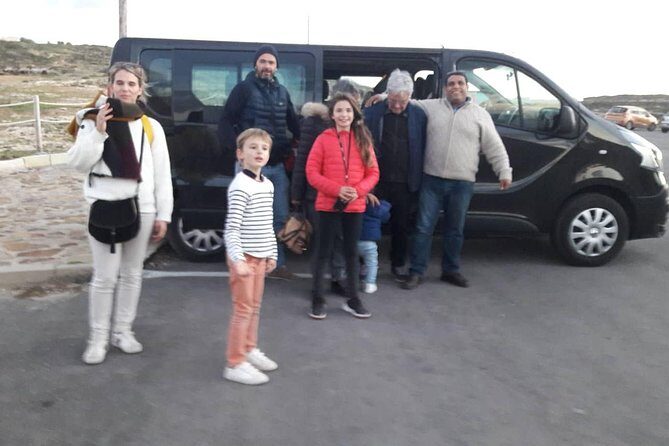
- Private group up to 3: You move as your own small unit, starting 8:30 am from Hammamet.
- UNESCO-listed Kerkouane: Punic city and necropolis as a real, walkable stop.
- Nabeul for ceramics and painted tiles: Neapolis first, then the medina souks for pottery and faience.
- Haouaria’s Ghar el Kebir caves: Man-made caves tied to Carthaginian and Roman periods.
- Korbous hot springs: Finish in a spa setting; one visit notes water around 59°C.
- Flexible touring time: A driver can help keep things moving while still letting you linger where you care.
A Full Cap Bon Day from Hammamet: What You’re Really Buying
This excursion is basically a “Cap Bon greatest hits” route, done in one long slice of time. You start in Hammamet and spend the day working your way across the peninsula: Medina of Yasmine Hammamet, Nabeul’s pottery world, Kelibia’s fort and sea, Kerkouane’s UNESCO ruins, Haouaria’s cave system, and then Korbous hot springs.
The value is in the logistics. You’re paying for transport plus the structure that gets you from site to site without the hassle of renting a car, figuring out routes, and timing everything. And because it’s private (just your group), you can move at a pace that doesn’t feel like a cattle line.
The tradeoff is that it’s self-guided. That can be totally fine—if you’re the type who likes to read a few signs, look around, and ask one or two smart questions—then you’ll enjoy the freedom. If you want deep commentary at every stop, you may want to arrange extra help ahead of time.
You can also read our reviews of more guided tours in Hammamet


Tour Logistics: Pickup, Private Group, and Self-Guided Time
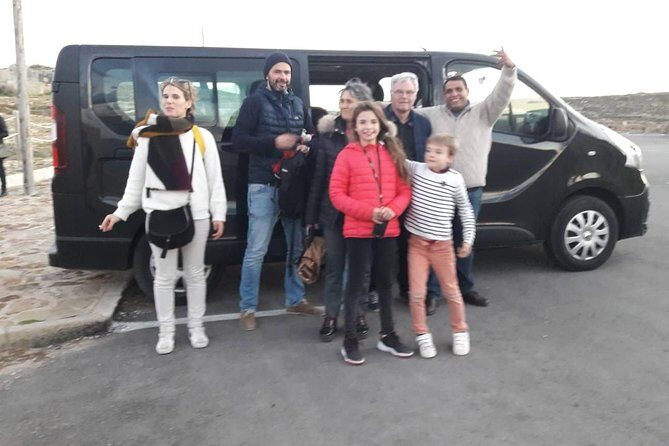
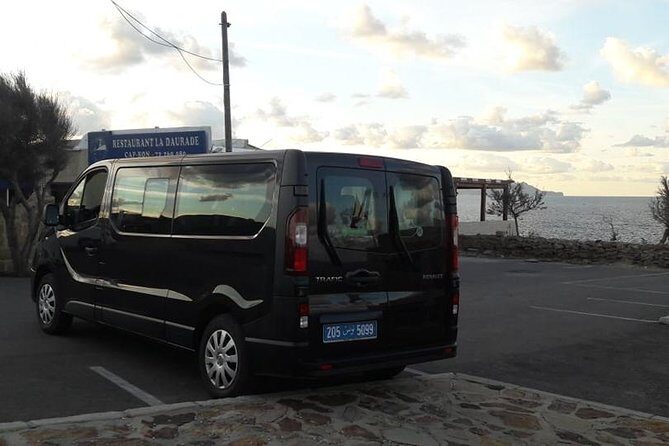
The day runs roughly 10 to 14 hours, starting at 8:30 am. Pickup is offered, and you’ll ride in an air-conditioned vehicle with bottled water included. There’s also a fuel surcharge built in, which removes one annoying “surprise cost later” question.
You’ll have a mobile ticket, and the tour is set up for a small group: up to 3 people per group. That means you can spread out your interests. One person can focus on ruins, another on ceramics, and nobody has to pretend they care about the same thing for ten hours straight.
Because it’s self-guided, your best tool is prep. Bring a translation app, download a map offline, and have a simple plan for each stop: one “must-see,” one “quick look,” and one “if we have time.” That way, you don’t spend the day deciding where to stand.
One practical note from real-world experience: the company’s driver can be flexible. In one case, the driver named Mamicar helped keep things easy and allowed enough freedom during visits. That’s not the same as a full professional guide, but it can make the day feel less rigid.
Hammamet’s Medina of Yasmine: Pupput and the Fort Walls
Hammamet kicks off your day with the Medina of Yasmine Hammamet, starting at the cultural center located in the villa of Romanian billionaire George Sebastien. That villa is tied to a major summertime festival, so even if you’re not there during the event, you get a sense of how Hammamet stages culture.
From there, you move to the Punic archaeological site of Pupput. Pupput is one of those places where you’ll feel the layers of time the moment you start walking—Carthaginian/Punic-era presence, then later Roman influence in the broader region. It’s not just “old stones.” It’s a reminder that people lived, built, and organized their world here long before modern Tunisia.
Then comes the Fort of Hammamet (La Medina). The fort’s construction is dated to 893–914. If you like views, this is your stop. Even without a guide, the fort walls make it easy to understand the defensive logic of the place.
Plan around time: this stop is about 1 hour, and admission tickets are not included. So use the hour well. I’d rather you spend 45 minutes inside the fort doing a slow loop and then 15 minutes at the best viewpoints than sprint around hoping you caught everything.
Nabeul Market for Pottery and Painted Tiles: Neapolis to Souks
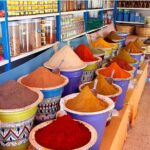
Nabeul is where the peninsula shifts from stone-and-ruins to hands-on craft. The day starts here at the archaeological site Neapolis, then you finish in the medina of Nabeul and its souks for potteries, painted plates, and faience.
This is a smart sequencing choice. Neapolis gives you the “place” first—how the city sat in the past—then the medina shows you what people do today. You’ll likely notice the difference immediately: ruins make you look inward at time; souks make you look outward at color, patterns, and daily life.
The stop lasts around 2 hours, and again, entrance fees aren’t included. If you’re shopping, keep your expectations grounded. Ceramic markets can be fun, but they can also be tiring if you want to compare prices like a spreadsheet. Decide early what you want:
- one or two standout pieces
- smaller souvenirs that don’t crush your luggage
- gifts you’ll actually use
Also, remember this is a full-day tour. If you spend Nabeul browsing for ninety minutes like you’re on vacation-only shopping, you’ll regret it when you’re hungry at the next stop. I’d set a “shop checkpoint” in your head: 30–40 minutes for searching, then buy or move on.
Kelibia’s Fort: Sea Views, Fishing Port Energy, and Muscatel Country
Kelibia is a change of pace. You’re here for Fort de Kelibia, plus the broader vibe of a fishing port town. The area is also associated with fruitier wines and dry muscatel, which matters even if you’re not planning a tasting—because it signals what the local economy and tastes revolve around.
This stop is about 1 hour. It’s short enough that you don’t want to overthink it: get to the fort, take the climb at a comfortable pace, and aim for at least one good viewpoint. If you love photos, this is one of your best windows of the day.
Entrance fees aren’t included, so keep an eye on what costs money versus what’s free to roam. And because the day is already getting warm, try not to save your sunscreen for the last minute. A fort in midday sun can turn into a “why am I sweating” moment.
A few more Hammamet tours and experiences worth a look
Kerkouane UNESCO Ruins: Walking a Punic City and Necropolis
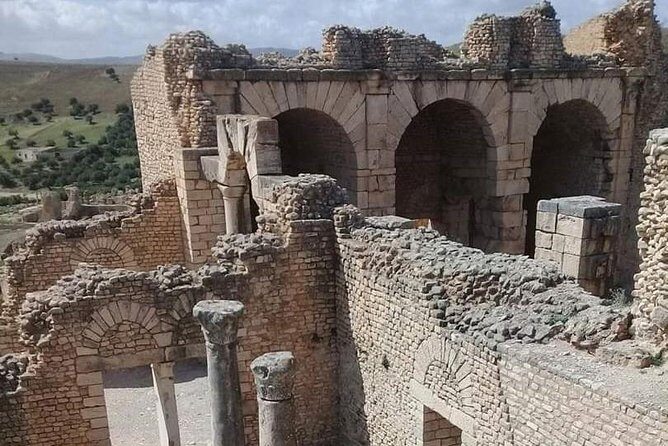
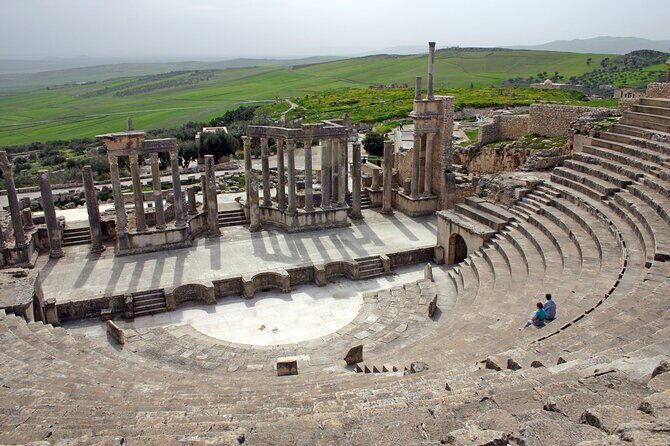
If you want one stop that feels like the day’s backbone, make it Kerkouane. The ruins include a Punic city and necropolis and are listed as a UNESCO World Heritage site.
Kerkouane is special because it’s not just one monument. It’s a whole settlement atmosphere—remains that help you picture how a city functioned: where people lived, how the necropolis fits the broader story of community, and how the built environment shaped daily life.
You’re scheduled for around 2 hours here, which is a great amount of time. At many sites, you only get a quick glance. Here, you can do a slow walk. If you like understanding spaces rather than just collecting photos, this is your moment.
Entrance fees aren’t included, so budget a bit extra for whatever the site requires on the day. I also suggest wearing shoes you don’t mind getting dusty. Ruins days are rarely carpet-cleaning days.
Haouaria and Ghar el Kebir Caves: Artificial Caves with Carthaginian and Roman Links
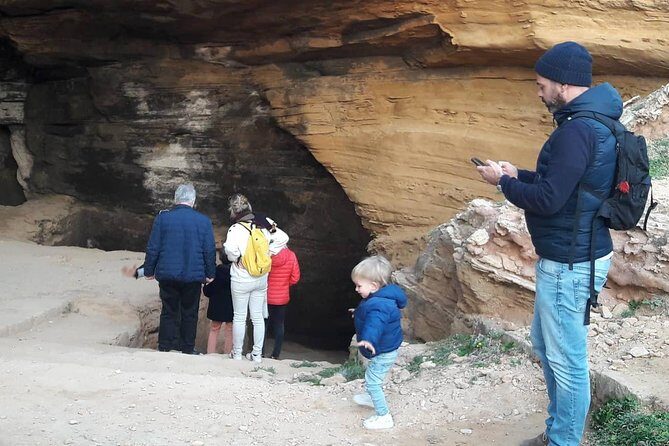
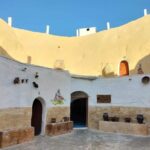
Next up: Ghar el Kebir at El Haouaria, a place known for its hawks. The big attraction is the artificial caves, dug by prisoners or slaves under the authority of Carthaginians, later used under Romans as well.
This stop is only about 1 hour, so your job is to focus. Caves can be tricky in heat because you want to keep moving, but you also want to look closely. I’d suggest this rhythm: enter, take a first scan, then pick two or three spots to study carefully. Think about how the space was carved and what purpose it might have served.
Admission isn’t included. Depending on the exact ticket rules at the time, you might need to pay on arrival. Keep some flexibility in your phone battery too—some sites prefer you have data-free maps.
Korbous Natural Hot Springs: When You Actually Feel the Heat
You end in Korbous, known since antiquity as a high-quality spa. The real reason this is memorable is simple: it’s a place where you can let the day’s walking catch up with you, and you can feel the heat of the thermal waters.
The tour allots about 1 hour here. Entrance fees aren’t included, and meals aren’t included, so consider what you’ll do before you arrive. If you want to use the springs properly, you’ll likely want a swimsuit plan and quick-dry clothing.
One visit noted hot springs at around 59°C, with blazing sun also reported at 47°C. That’s not a small detail. If the water is truly that hot, treat it like a controlled experience. Don’t jump in like you’re cooling off in a pool. Start slow, test the temperature, and give your body a minute to adjust.
Also, bring water habits with you. Even at the end of a long day, dehydration sneaks up fast.
Price and Value: Is $257.80 per Group a Good Deal?
The price is $257.80 per group, up to 3 people. That pricing model matters. You’re not paying per person and you’re not paying for a big shared bus full of strangers. You’re paying for a private vehicle day plus the included basics: bottled water, air-conditioning, and fuel surcharge.
What you should budget on top:
- Meals (not included)
- Entrance fees at museums/exhibitions (not included)
- Professional guide (not included)
So the real value depends on how you like touring. If you’re happy being self-guided and you’re okay paying entrances as you go, the transport-only portion can be a solid deal for three people. If you want a guide who explains everything in real time, the costs can climb depending on what you arrange.
One smart approach: plan your must-pay stops ahead of time. Then let the smaller sites be quick looks. That way, you’re not overspending because you’re standing in a ticket line while already hungry and tired.
Who This Excursion Suits Best (and Who Should Consider Alternatives)
This works best for you if you:
- like mixing ancient sites with everyday culture (souks and crafts)
- want a private small group day without the stress of driving
- prefer some freedom rather than constant guided talking
- enjoy ruins at a walking pace you control
You might want a different format if you:
- need nonstop interpretation to understand what you’re seeing
- hate shopping browsing even for 30 minutes
- want shorter travel days (this one is long: 10 to 14 hours)
And if you care about explanations, here’s the practical move: ask what help is available on the day. Even with a self-guided format, a driver like Mamicar (as seen in one experience) can still make the day smoother by keeping time flexible and helping you prioritize.
Should You Book This Cap-Bon Excursion?
I’d say book it if your dream day looks like this: you start early in Hammamet, spend the morning moving between Punic remains and a medina fort, transition into Nabeul’s ceramic world, take in Kelibia’s views from a fort above the fishing port, walk through Kerkouane UNESCO ruins, cool off in the idea of caves at Haouaria, then end in the hot springs at Korbous.
Skip it only if you know you’ll be disappointed without a professional guide. But if you’re comfortable reading signs, using a translation app, and asking your driver one or two questions, this type of self-guided route can be a great way to see a lot of real Cap Bon without paying for a full-day lecture.
FAQ
FAQ
How long is the Cap-Bon excursion?
The duration is approximately 10 to 14 hours.
What time does the tour start?
The start time is 8:30 am.
Where does the excursion take place?
It starts in Hammamet, Tunisia, and visits sites across the Cap Bon peninsula.
Is pickup included?
Pickup is offered (so you should expect pickup as part of the experience).
How many people are in a group?
It’s priced for a group up to 3 people, and it’s private—only your group participates.
What’s included in the price?
Included items are air-conditioned vehicle, private transportation, bottled water, and fuel surcharge.
Are meals included?
No. Meals are not included.
Are entrance fees included?
No. Entrance fees to museums or exhibitions are not included.
Can I cancel for a full refund?
Yes. You can cancel up to 24 hours in advance for a full refund.