REVIEW · HAMMAMET
Ancient Carthage and Sidi Bou Said Half Day Tour with Lunch
Book on Viator →Operated by TUI Tunisia S.A. · Bookable on Viator
Ancient sights with sea-blue charm. This half-day tour bundles Carthage ruins with a guided walk and a break for a traditional Tunisian lunch before you head to Sidi Bou Said’s blue-and-white streets. I like the way the guide sets the stage for the clash between Rome and Carthage, and I like that you get real time on your own in both places to wander and take photos. One thing to consider: the day is listed as about 4 hours, but the schedule can run longer depending on how the route is handled.
You’ll start in Hammamet with pickup offered and a mobile ticket, then spend the morning (or early day) moving between big Roman-era landmarks and a clifftop village where artists have long found inspiration. The best moments are the site-specific details: the Baths of Antoninus and the Tophet at Carthage, plus Sidi Bou Said’s sky-blue door-and-shutter look against the sea.
In This Review
- Key Highlights You’ll Actually Notice
- Hammamet Pickup and Timing: a 4-hour listing with real-world traffic
- Carthage Ruins: Baths of Antoninus, Amphitheatre, and the Tophet
- What can feel rushed here?
- Why the Guide Changes Carthage (Especially for First-Timers)
- Guide names to listen for
- Lunch in Tunisia: included, efficient, and not always perfect
- A note on the restaurant stop
- Sidi Bou Said: blue doors, cobbled alleys, and art gallery wandering
- What you’ll want to do with your free time
- The main drawback to plan for
- Value for $76.38: what’s included and what you should compare
- The group factor
- Practical Tips Before You Go
- Wear and pack for mixed terrain
- Photo strategy
- Ask about the route focus
- Lunch expectations
- Who This Tour Fits Best
- Should You Book This Ancient Carthage and Sidi Bou Said Tour?
- FAQ
- How long is the Ancient Carthage and Sidi Bou Said tour?
- What’s included in the price?
- Do they pick you up from your hotel in Hammamet?
- Are tickets required for Carthage and Sidi Bou Said?
- How big is the group?
- Can I cancel and get a full refund?
Key Highlights You’ll Actually Notice
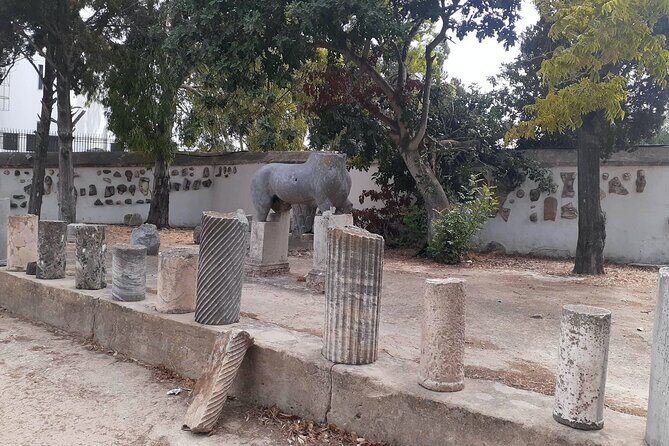
- Guided Carthage context that makes the ruins feel like a story, not just stones
- Baths of Antoninus and the Tophet area, two stops that anchor the Roman-to-Carthage timeline
- Free time at each location so you can pace yourself and photograph at your speed
- A traditional lunch included, though it’s a set meal with limited flexibility
- Sidi Bou Said’s iconic blue-and-white streets plus time to browse art galleries
Hammamet Pickup and Timing: a 4-hour listing with real-world traffic
This tour starts at 8:00 am in Hammamet with pickup offered, and it’s built for travelers who want a strong dose of sights without the hassle of planning. You’ll travel by coach with a guide and you’ll have admissions covered, which matters in Tunisia where line-ups and ticket stops can eat into your limited time.
The listing says about 4 hours, but consider this a “half-day style” outing, not a strict clock-watch plan. The route involves travel time between Hammamet, Carthage, and Sidi Bou Said, plus walking in ancient sites and cobbled streets. If your schedule is tight back at your hotel, you’ll be safest by assuming you could be out longer than you expect.
Group size tops out at 50, so it’s not a tiny private tour, but you should still get explanations at the key moments. I also like that the tour is described as suitable for most travelers—meaning it’s designed to be manageable rather than a full hiking mission.
A few more Hammamet tours and experiences worth a look
Carthage Ruins: Baths of Antoninus, Amphitheatre, and the Tophet
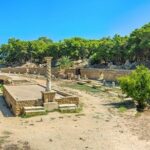
Carthage is one of those places where even the silence feels loud. You’re stepping into the ancient capital of Rome’s greatest rival, and the ruins help you see how that conflict played out across centuries.
The itinerary focus at Carthage is clear and practical. You’ll get a guided visit that includes:
- Baths of Antoninus (the largest thermal baths in the Roman Empire)
- The amphitheatre area
- The Tophet sacrificial site
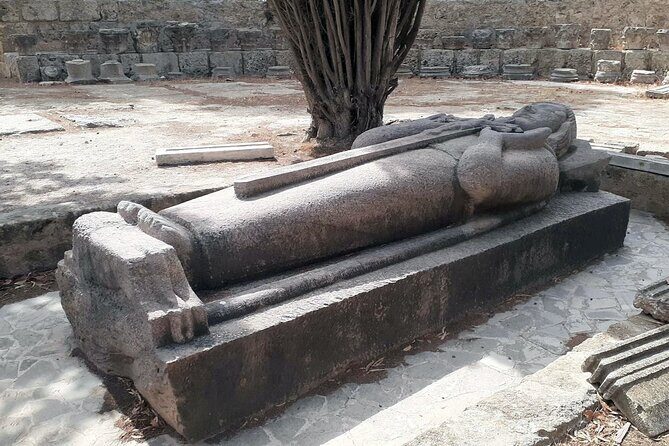
The Baths of Antoninus are the kind of ruins that surprise you. Even if you know Roman baths from other places, this scale is bigger—and the guide’s explanation helps you understand why baths mattered so much: not just hygiene, but social life, status, and city power.
Then there’s the amphitheatre, where you can stand in a spot and feel how performances would have played to packed crowds. It’s a good transition moment—ancient everyday life after the big political conflict story.
And finally, the Tophet: a site you can’t treat casually. It’s the part that makes you pause, because it ties directly into Carthage’s religious practices and how later powers framed them. If you’re the type who likes context, this is where your guide’s wording really matters.
What can feel rushed here?
Even with a generous plan on paper, Carthage is spread out and you’ll be walking over uneven ground. The tour does include time to explore on your own, but if you want to linger at every viewpoint or take lots of photos, plan to keep your pace steady during the guided blocks.
Why the Guide Changes Carthage (Especially for First-Timers)
Carthage can be confusing if you show up with only a map and a vague timeline. What makes this tour work is the explanation layer. The guide gives you the background for the Rome vs. Carthage rivalry and frames what you’re seeing from the local angle—so the ruins connect to a larger story.
I also think you’ll appreciate the style of sightseeing here: you’re not just being walked past stones. You get points of focus, like the largest Roman bath complex detail, and then you’re released to walk and absorb.
That mix—guided structure plus self-paced time—is one of the best ways to tour ancient sites. It’s how you avoid the trap of hearing everything and remembering nothing.
Guide names to listen for
In feedback connected to this tour, Mohamed Ali comes up as an outstanding guide—clear explanations, friendly manner, and good answers to questions. If you’re lucky enough to get him, you’re in good hands.



Lunch in Tunisia: included, efficient, and not always perfect
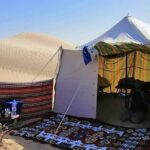
After Carthage, you’ll take a break for lunch with a traditional Tunisian local meal included. This is one of those “small but important” inclusions. Food can be expensive and time-consuming if you have to hunt for something good right after a major sightseeing block, so having lunch pre-planned helps you keep your day stress-free.
Now the reality check: lunch is included, but it’s not described as a menu with choices. Some feedback points to a fixed, set-style meal and limited ability to customize.
What you can expect based on the overall pattern:
- It’s simple and filling, and it gets you moving again.
- The pacing can feel like part of the schedule machine (you may feel you have less time than you want).
- Quality can vary a bit by the restaurant stop.
If you care a lot about food variety, go in with the mindset that lunch is fuel, not a culinary highlight. If you’re okay with that, you’ll be fine.
A note on the restaurant stop
One specific restaurant name mentioned in feedback is La Victoire (Razgalla), and it didn’t land well for one person. Another feedback mentioned lunch as simply good, even if it felt a bit rushed. Translation: treat lunch as included convenience, not a guaranteed feast.
Sidi Bou Said: blue doors, cobbled alleys, and art gallery wandering
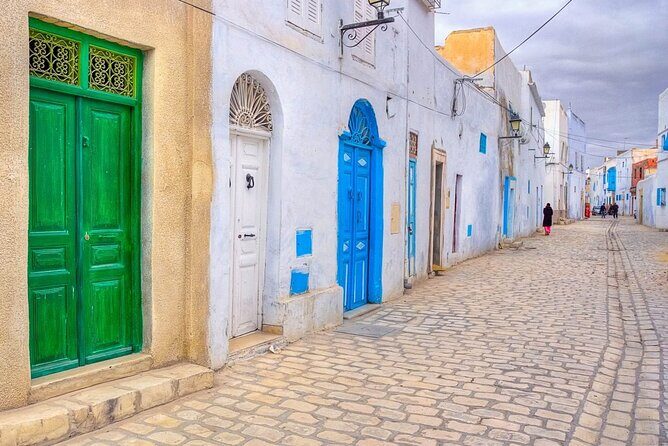
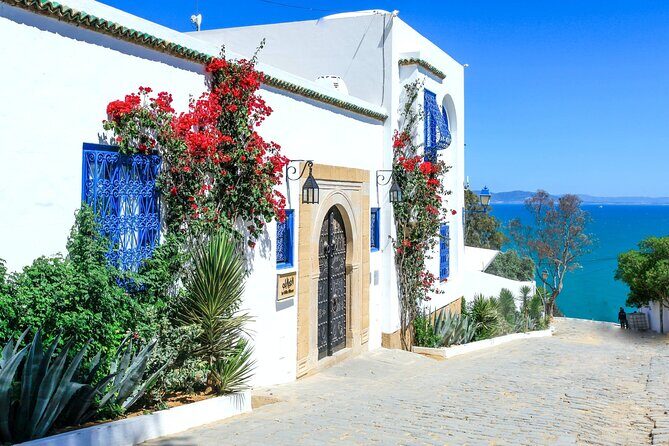
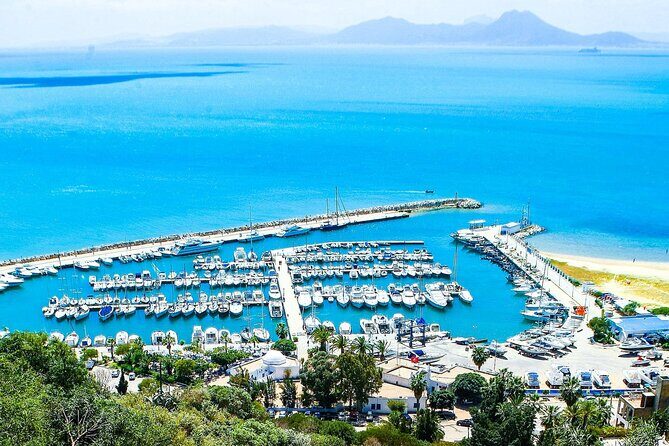
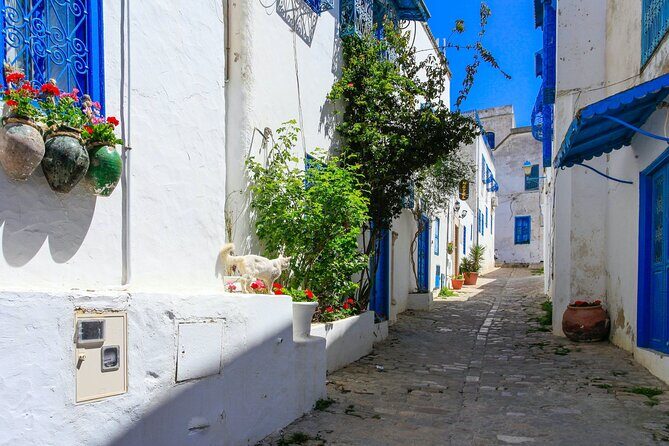
After lunch, you’ll head to Sidi Bou Said, a clifftop village known for its signature look: whitewashed houses with sky-blue doors and window shutters, all connected by cobbled alleys. The blue-and-white theme can feel familiar if you’ve seen Greek islands, but in Tunisia it has its own mood—especially with the sea air and the coastal light.
This is where your camera roll starts doing overtime. You’ll get about 2 hours to explore, and the best part is that you can slow down. Unlike Carthage, where you’re watching a ruin map come to life, Sidi Bou Said is about atmosphere: walking, peeking into art galleries, and soaking up the view.
What you’ll want to do with your free time
- Wander without a strict route so you can catch those small street-photo moments
- Stop inside art galleries if that’s your thing (the visit includes time to browse)
- Take in sea views from the village edges when you get the chance
The main drawback to plan for
Sidi Bou Said is beautiful, but the streets are cobbled. Comfortable shoes matter. If you have fragile feet or you hate uneven surfaces, this is the section most likely to test you.
Value for $76.38: what’s included and what you should compare
At $76.38 per person, you’re paying for more than just a seat on a coach. The price includes:
- Transport
- Guide
- Admission fees
- Lunch
- A mobile ticket
- Pickup offered
For many travelers, that combination is the value. You’re not piecing together admissions and transit after already spending time getting to Hammamet. You show up, you get guided context at the big ticket stops, and you’re fed.
Where the value math can wobble is timing. If the day runs longer than expected, that can change how good a deal it feels compared to a true half-day. Still, Carthage plus Sidi Bou Said in one structured outing is efficient.
Also, Carthage is the kind of place where a guide helps you understand what you’re looking at. If you planned to do it alone, you’d be paying for transport, entry, and then time spent figuring out the best route across the ruins.
The group factor
Max 50 keeps it from being overwhelming, but it’s not private. If you prefer whisper-quiet pacing and one-on-one attention, you might feel the group rhythm. If you’re happy with organized touring and a chance to wander on your own, it fits.
Practical Tips Before You Go
Here’s how to make the day feel easy instead of rushed.
Wear and pack for mixed terrain
- Wear comfortable walking shoes for ancient uneven ground and cobblestones in Sidi Bou Said
- Bring a light layer. Morning starts early, and coastal air can be cool
Photo strategy
Carthage is all about angles and scale. Sidi Bou Said is about details—doors, shutters, alleys, and sea views. Plan to switch your photo style after lunch so you don’t feel stuck trying to get the same type of shot everywhere.
Ask about the route focus
The official plan is Carthage plus Sidi Bou Said. But there’s one caution from feedback: some people experienced an additional stop connected to Tunis, the Bardo Museum, which wasn’t made clear ahead of time. If you’re the type who likes strict plans, ask your operator ahead of departure whether any museum stop is added on top of the two main sites.
Lunch expectations
Go in knowing lunch is included and traditional, but it’s not framed as a gourmet choice buffet. If you’re the picky-eater type, eat lightly before you go so you don’t feel disappointed by a set meal.
Who This Tour Fits Best
This is a smart pick if you:
- Want a first intro to Carthage without hours of independent planning
- Like guided storytelling at ancient sites, then free time to roam
- Want to pair Carthage with a very different mood in Sidi Bou Said
- Prefer a day that includes transport + admissions + lunch in one price
It’s also a good family option. Feedback includes mention of a nice family day, helped by a guide who explained things well and answered questions.
If you only have a very strict schedule, double-check timing before you book. If you hate group pacing and want a slow, careful museum-style experience, you might prefer a private or custom format.
Should You Book This Ancient Carthage and Sidi Bou Said Tour?
I’d book it if your goal is a structured, efficient day that hits two of Tunisia’s most memorable contrasts: Roman-era ruins that change how you view the ancient Mediterranean, and a clifftop village where color, crafts, and viewpoints take over.
You should think twice if:
- You need a strict half-day timeline back in Hammamet
- You’re food-obsessed and need restaurant flexibility for lunch
- You strongly prefer not to add extra stops beyond Carthage and Sidi Bou Said
If you’re flexible on lunch quality and okay with a day that may run a bit longer than the label, this tour is a solid value for $76.38—especially because the guide helps Carthage make sense fast, and the Sidi Bou Said time lets you enjoy the village at your own pace.
FAQ
How long is the Ancient Carthage and Sidi Bou Said tour?
It’s listed as about 4 hours. The start time is 8:00 am, and the actual time on the ground can vary because of travel and time spent at each stop.
What’s included in the price?
The tour includes transport, a guide, admission fees, and lunch. Extras are not included.
Do they pick you up from your hotel in Hammamet?
Yes. Pickup is offered.
Are tickets required for Carthage and Sidi Bou Said?
Admission fees are included. The itinerary also indicates admission ticket entry is free for the listed stops.
How big is the group?
There’s a maximum of 50 travelers.
Can I cancel and get a full refund?
Yes. You can cancel for a full refund if you do it at least 24 hours before the experience start time. Free cancellation is available.