REVIEW · TUNIS
Daytrip to Kerkouen Unesco Site Kelibia and Houaria Caves
Book on Viator →Operated by Tunisia Guided Tours · Bookable on Viator
Cape Bon has a way of slowing you down. This day trip strings together UNESCO-grade ruins, big coastal views, and a few quietly special stops across the peninsula. You’ll see why Kélibia and Haouaria are such a known pairing: history inland, sea air at the end, and a route that’s mostly easy by car.
I really like the mix of Punic-era archaeology at Kerkouane plus the Ottoman-era strength of Fort de Kelibia. I also like that the day isn’t just sitting at sites—the route gives you real “Cape Bon” context, from vineyards and fruit trees to headlands and caves.
The main thing to consider is time and cost: it’s a 7 to 9 hour day, and if you’re only two people, a private tour can feel pricey versus splitting with others. Also, at the coastal stop, crowds can be an issue in peak season.
In This Review
- Key things to know before you go
- Why Cape Bon works as a 1-day escape from Tunis
- The private vehicle, Wi‑Fi, and the pace of a 7–9 hour day
- Stop 1: Fort de Kelibia and those 150-meter sea views
- Stop 2: Kerkouane UNESCO ruins and why the Punic plan feels different
- Stop 3: Echraf’s ancient olive tree and the tiny oil ritual
- Stop 4: Ghar el Kebir in Haouaria—coves, caves, and bird season
- Price and logistics: is $141.36 worth it?
- What to pack so the day stays pleasant
- Who this day trip fits best
- Should you book this tour?
- FAQ
- What’s the duration of the Kerkouen, Kelibia, and Haouaria day trip?
- Is pickup included?
- Are entrance tickets included?
- Is lunch included?
- What’s the tour price per person?
- Does the tour involve private transportation and a guide?
Key things to know before you go
- Kerkouane is UNESCO and unusually Punic: a foundation dating back to the 6th century BC, with a city plan unlike later Roman rebuilds.
- Fort de Kelibia sits high above the sea on a rocky promontory about 150 meters up, with centuries of layered defenses.
- Echraf olive tree is ancient and still producing; the tree is protected and kept alive for ongoing small production.
- Haouaria’s Ghar el Kebir is a cave-and-coves stop with crystal-clear water and bird-life in the right season.
- Tickets are mostly included, so you’re not scrambling at every stop—Echraf is free on site.
- Private transport with air-conditioning makes the long drive from Tunis feel manageable.
Why Cape Bon works as a 1-day escape from Tunis
If your Tunisia trip is heavy on cities and medinas, Cape Bon is the counterweight. The peninsula pushes into the Mediterranean and mixes a lot of “Tunisia variety” in one day: plains and fruit country, rocky headlands, and small villages that feel more lived-in than touristy.
This tour’s value is the way it stitches together three different types of payoff. You get archaeological meaning at Kerkouane, a high-view “you’re really somewhere” moment at Fort de Kelibia, and then a coastal finish at Haouaria / Ghar el Kebir where caves, clear water, and bird activity belong to the place itself.
It’s also one of the easier ways to do this region if you don’t want to manage directions and parking. The route is designed for a car day: long enough to feel like an outing, short enough that you’re not giving up your whole vacation.
You can also read our reviews of more tours and experiences in Tunis.
The private vehicle, Wi‑Fi, and the pace of a 7–9 hour day
This is a private tour, so it’s just your group riding in an air-conditioned vehicle. You’ll have Wi‑Fi on board, and pickup is offered, which matters in Tunis where timing and distance can quietly eat your day.
The stops are spaced with realistic time blocks: about 45 minutes for Fort de Kelibia, about 1 hour for Kerkouane, 30 minutes for Echraf, and roughly 3 hours for Ghar el Kebir. That totals a solid touring day without rushing you through everything like a checklist.
A possible drawback is that the drive can be long. The good news is that the day isn’t one big slog: it breaks the travel with real moments—views, ruins, and then sea caves. If you hate long car rides, bring something to make the time pass comfortably, because Cape Bon requires getting out of central Tunis.
Stop 1: Fort de Kelibia and those 150-meter sea views
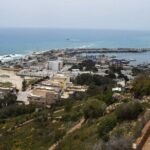
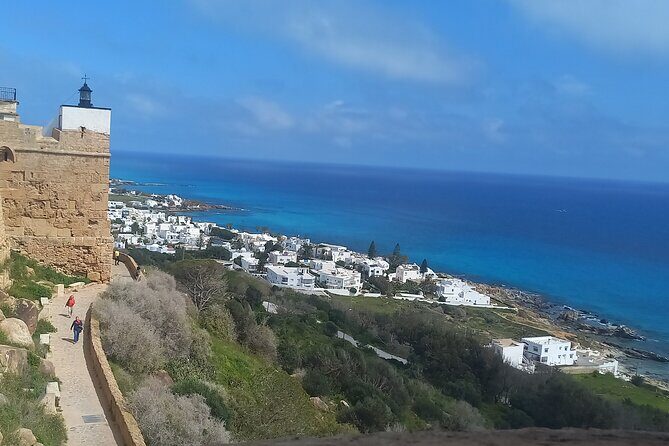
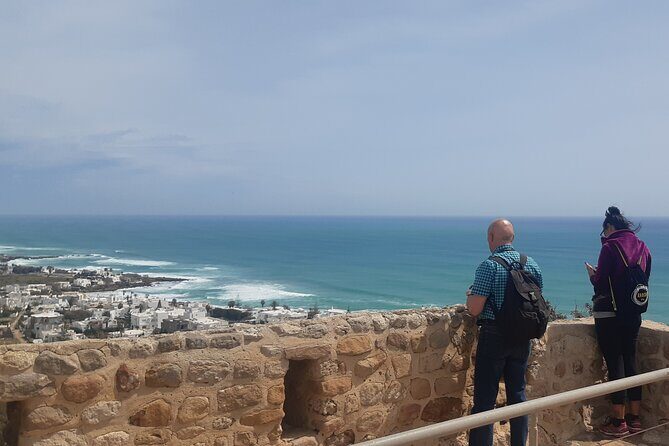
Fort de Kelibia is a 16th-century citadel built on a rocky promontory about 150 meters above the Mediterranean and the town. Even though the main fortress phases are later, the site tells a layered story: there were defenses here during the Punic period, and later Romans dismantled and then new fortification work continued under the Byzantines before Ottoman-era rebuilding and enlargement.
For you, the practical win is simple: you’re going up to see the coastline in one glance. From the fort, the Mediterranean stops being a “background” and turns into part of the story. You can connect what you’re seeing down on the waterline with the strategic reason fortresses were built here—control of movement, sightlines, and natural defensive height.
In about 45 minutes, you should have enough time to take in the view, walk around, and understand the structure without feeling trapped inside a museum-only stop. If you’re the photo type, this is one of the strongest spots in the day.
Tip: Wear shoes with decent grip. You’re on a rocky outcrop, and footing matters more than it does on flat ground.
Stop 2: Kerkouane UNESCO ruins and why the Punic plan feels different
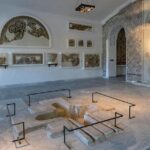
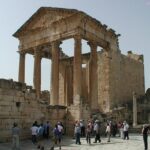
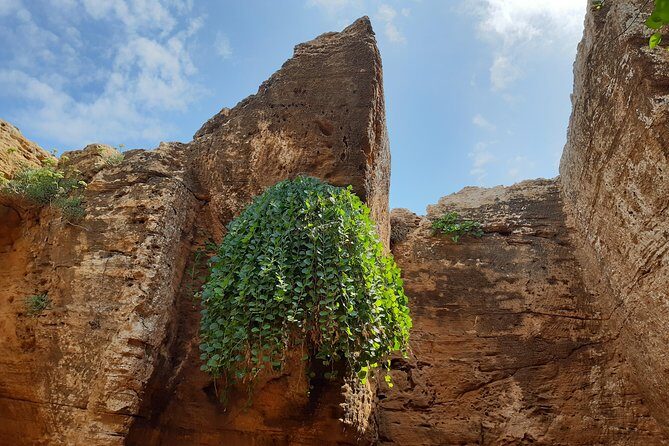
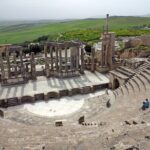
Kerkouane is one of Tunisia’s most precious archaeological sites because it’s a case where the “Roman rewrite” didn’t fully erase the earlier city. The foundation dates back to the Punic era (around the 6th century BC), and the Romans did not rebuild the urban core after Africa became part of the Roman Empire. What you see today is the plan of a small Punic city—something rare.
The site is also tied to an abrupt historical ending: it appears to have been abandoned after destruction by the Roman consul Atilus Regulus in 256 BC. Then the ruins were basically leveled until they were rediscovered in the early 1950s.
What this means for your visit: you’re not just looking at stones. You’re reading a layout—houses and the logic of how the city worked. That’s where a guide helps, because it’s easier to understand the “why” of the streets and building patterns when someone explains what’s visible and what was likely happening at the time.
You’ll have about 1 hour, and that’s a good length for Kerkouane. It’s enough to see the structure and absorb context without your legs taking over the experience.
Small consideration: since this is UNESCO-grade archaeology, it can get hot and the surfaces can be uneven. If you come from Tunis in midday sun, plan on sun protection and a water bottle.
Stop 3: Echraf’s ancient olive tree and the tiny oil ritual
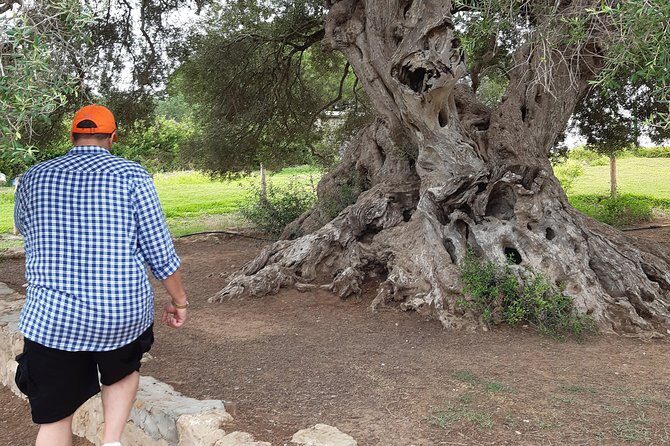
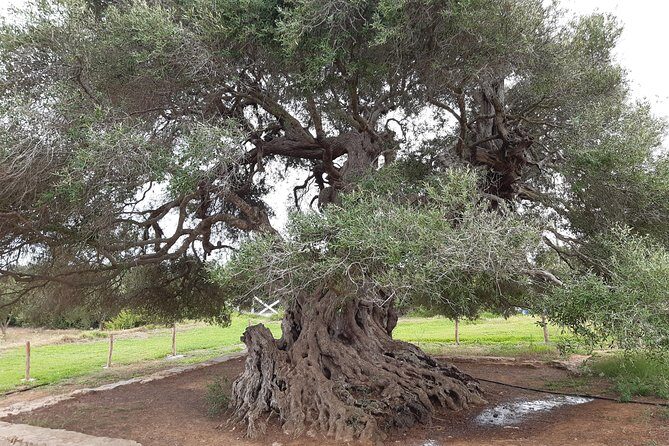
Echraf is brief—about 30 minutes—but it’s one of those stops that makes you feel like you’re touching the living side of local tradition. The Echraf olive tree is described as the oldest of Tunisia’s olive trees, with an age exceeding 2,500 years. The roots cover about 16 meters, and the trunk circumference is around 6 meters.
It isn’t just an old tree on display. It’s protected, maintained, and it continues to produce olives. The tour info also describes a small annual production of olive oil from the Echraf olive tree. That oil is distributed in small vials, described like something sacred—an elixir-like detail that turns a quick stop into a story.
This is the kind of cultural pause that balances the harder archaeology at Kerkouane. The ruins show you how people built cities; Echraf shows you how long people can keep caring for something rooted in place.
Practical note: because it’s a protected tree stop, don’t treat it like a random viewpoint. Follow posted guidance and keep your attention on the guide’s explanation so the time feels meaningful.
Stop 4: Ghar el Kebir in Haouaria—coves, caves, and bird season
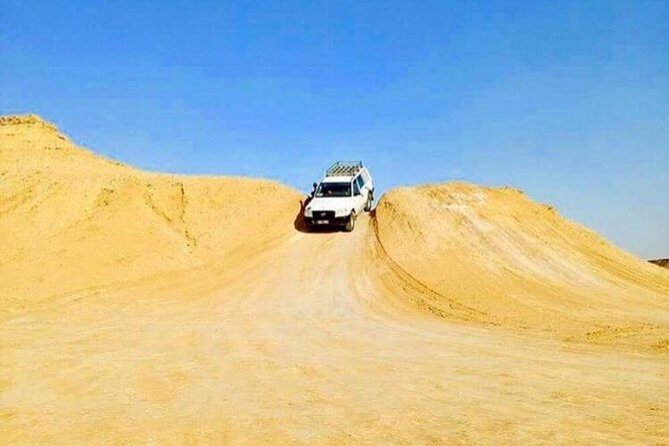
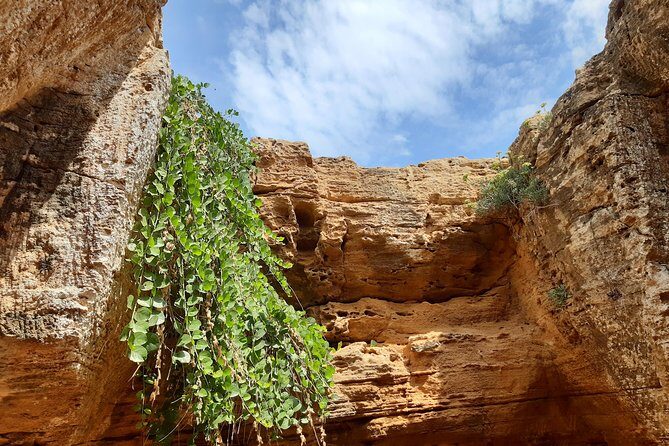
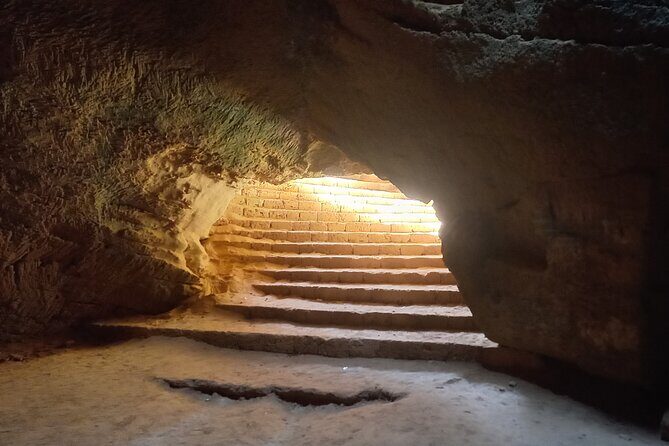
This is where Cape Bon shifts from history to coastline. El Haouaria is at the northeast end of Cap Bon near the entrance to the Gulf of Tunis. The area is known for crystal-clear waters, coves, and caves—plus a birdlife angle that adds depth beyond the shoreline.
The Roman connection is also part of the story: Romans reportedly nicknamed the place Aquilaria, or land of the eagle.
If you’re there in spring, you’ll learn about a striking figure: 40,000 raptors from 24 species stop at the tip of the cape each spring before crossing the Mediterranean. The information also notes thousands of storks and other smaller birds. Even if you’re not going during peak migration, it gives the place a reason to feel “alive” rather than just scenic.
The duration here is about 3 hours, which suggests the stop is meant to be flexible. You’ll likely get time to appreciate the caves and water, plus the coastal viewpoint feel. Just remember one caution included in the tour description: during summer, crowds and poor behavior can threaten the area’s wild feel and local peace. If you’re sensitive to that, aim for a visit outside the busiest weeks if your schedule allows.
Also, this stop is where you’ll want to dress for sun and sea air. Bring a hat, and if there’s any chance you’ll get near the water, pack a light layer so you’re not miserable when the breeze picks up.
Price and logistics: is $141.36 worth it?
At $141.36 per person, this is not a “cheap and cheerful” excursion, but it does include real built-in value for how Cape Bon is laid out. You’re paying for:
- Private transportation in an air-conditioned vehicle
- A certified professional tourist guide
- Wi‑Fi on board
- Mobile ticket convenience
- Admission tickets included for multiple stops (and Echraf is free)
Lunch isn’t included, so you’ll need to plan your own meal timing around the day’s pacing.
Here’s the balanced way to judge value: you’re spending money not just for the sites, but for eliminating the most annoying parts of a day trip—figuring out the route, coordinating timing, and paying a guide to make sense of what you’re seeing. Kerkouane especially benefits from interpretation. Without that context, it can still be beautiful, but the meaning is harder to grab quickly.
If you’re traveling as a solo or as a pair, private pricing can feel steep. If your tour setup allows group discounts, that can help. Since the tour is private for your group, the per-person cost is largely about how many people share it.
One more practical consideration: keep an eye on entrance-ticket inclusions. The tour info says they’re included, but I’d still ask your provider what’s covered for each stop before you depart, just to avoid any last-minute misunderstandings about payment at ticket desks.
What to pack so the day stays pleasant
You’ll be outside for several hours total, and the day includes both ruins and coastal viewpoints.
Bring:
- Water (especially if you hit Kerkouane in warm conditions)
- Sun protection: hat and sunscreen
- Comfortable walking shoes for rocky terrain at the fort and uneven ground at ruins
- A light layer for the coast, since sea breeze can change how you feel
- A plan for lunch (since it’s not included)
If you’re the kind of person who likes photos, this itinerary gives you multiple “camera moments”: the fort outlook, the Punic city feel at Kerkouane, and the cave-and-cove coastal scenery.
Who this day trip fits best
This tour fits best if you want:
- A car-friendly Cape Bon day without route stress
- A mix of archaeology plus scenery
- A guide-led explanation of how Punic and later periods shaped what’s there
- A longer stop at the coast so you don’t feel rushed
It’s also a good choice if you like the idea of Tunisia beyond the big-ticket sites. Kerkouane and Echraf offer a more specific regional identity than you’d get from a generic coast-and-market day.
If you strongly prefer only beach time and don’t care about history, you might feel the day is too site-heavy. On the other hand, if you want a calm but meaningful day, the pacing works.
Should you book this tour?
Book it if you want a day that actually connects the dots: Punic city planning at Kerkouane, a fortress view over the Mediterranean at Fort de Kelibia, a living cultural detail at Echraf, and then a coastal finale at Haouaria / Ghar el Kebir.
Skip or rethink it if:
- You know you dislike long car days and can’t handle a 7 to 9 hour outing.
- You’re traveling during peak beach crowds and you hate dealing with that kind of energy near the water.
- You’d rather spend the money on a different day with less driving and fewer structured stops.
FAQ
What’s the duration of the Kerkouen, Kelibia, and Haouaria day trip?
The tour runs about 7 to 9 hours.
Is pickup included?
Pickup is offered.
Are entrance tickets included?
Admission tickets are included for Fort de Kelibia, Kerkouane, and Ghar el Kebir. The Echraf olive tree stop is free.
Is lunch included?
No, lunch is not included.
What’s the tour price per person?
The listed price is $141.36 per person.
Does the tour involve private transportation and a guide?
Yes. You get private transportation, an air-conditioned vehicle, Wi‑Fi on board, and a certified professional tourist guide.
If you tell me your travel month and whether you’re going as a solo or a pair, I can help you judge whether this timing (and the likely crowd level near Haouaria) will feel worth it for your day.