REVIEW · TUNIS
North Africa Tour Bizerte Cape Angela and Ichkeul Unesco park
Book on Viator →Operated by Tunisia Guided Tours · Bookable on Viator
North Tunisia has a watery side. This 7-hour outing links Utica’s Phoenician past with Ichkeul’s UNESCO wetlands, so you get history and real nature in one go. You’ll also see Bizerte’s old port area (Qsiba) and have the kind of Cape Angela views that make you pause for a picnic.
I like the practical setup: private, air-conditioned transport with pickup and onboard WiFi keeps the day moving without stress. One thing to watch: if access roads are temporarily closed, the Cap Angela stop (and even parts of Ichkeul routes) can be adjusted.
In This Review
- Key highlights at a glance
- Why this North Tunisia day trip works (and who it suits)
- Price and logistics: what you’re really paying for
- Utica: Phoenician trade to Roman-era consequences
- Qsiba in Bizerte: old port energy and fort-adjacent views
- Cap Angela: picnic views and the northernmost point brag
- Ichkeul National Park: UNESCO wetlands and birdwatching with specialist help
- The human factor: guides, pacing, and communication
- How to plan your own day: comfort tips that actually help
- Value check: is $150.99 per person a smart move?
- Who should book this tour (and who should skip it)
- Should you book Bizerte, Cape Angela, and Ichkeul?
- FAQ
- How long is the tour?
- What does the tour cost?
- Is pickup included?
- Is lunch included?
- Are admission tickets included?
- Does the vehicle include WiFi?
- Is this a private tour?
- What will we look for at Ichkeul National Park?
- Is Ichkeul visit authorization handled by the provider?
- What happens if roads to Cap Angela are closed?
Key highlights at a glance
- UNESCO Ichkeul with a guided bird-watching hike and professional zooming
- Utica archaeology tied to Phoenician trade, Carthage, and the Rome power shift
- Bizerte’s Qsiba old-port maze next to the historic fort atmosphere
- Cape Angela picnic potential plus the cool bragging right of continental Africa’s northernmost point
- Private day with your group and a guide who can shift the flow to your pace
Why this North Tunisia day trip works (and who it suits)
This is a day where you stop thinking in checklists and start thinking in scenery. You move from ancient trading routes at Utica, to the working-waterfront mood of Bizerte, to a rock headland over the Mediterranean, and then into a protected wetland system at Ichkeul. It is a lot to fit into one day, but that mix is exactly the point.
If you like trips that feel local—ports, archaeology sites, and a real nature preserve—you’ll probably enjoy it. If your idea of a perfect day is only big-ticket monuments with minimal walking, you might feel a bit like you’re sampling rather than staying put.
You can also read our reviews of more tours and experiences in Tunis.
Price and logistics: what you’re really paying for
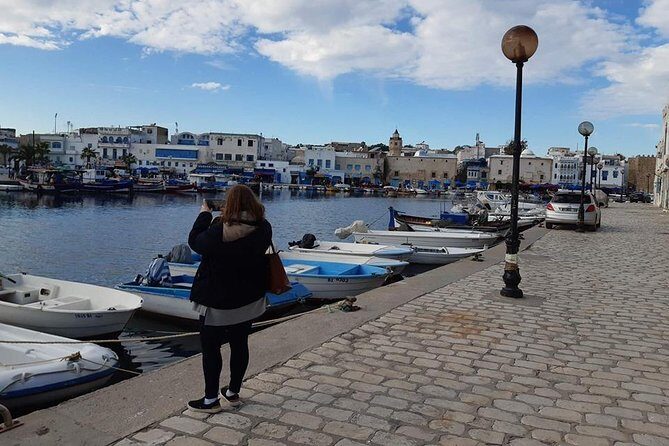
At $150.99 per person, this is not a bargain-bucket tour, but it also isn’t just a car ride. The price covers private transportation, air-conditioned comfort, WiFi onboard, and all fees and taxes. Admission is also included for the major paid stops (Utica, Qsiba, and Ichkeul), which matters because fees add up fast when you build a DIY day.
Lunch is not included, so plan for that mentally. You’ll want either a picnic at Cap Angela (if you’re able to go there) or a nearby lunch stop you can enjoy without rushing. The good news: the tour runs about 7 hours, so it’s long enough to feel like a full outing, but short enough that you won’t burn an entire day doing logistics.
One more practical point: there can be weather dependence. If conditions are poor, the experience can be swapped to another date or refunded. That’s normal for a day with an outdoor bird-watching component.
Utica: Phoenician trade to Roman-era consequences
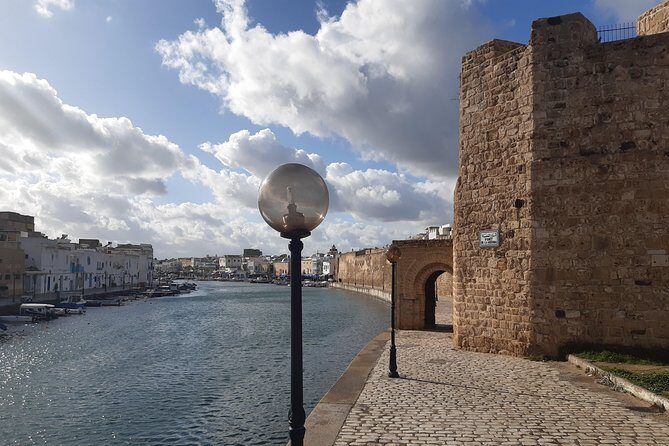
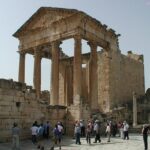
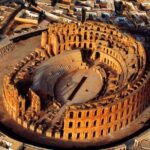
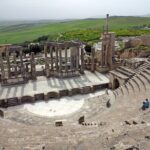
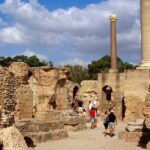
Utica is one of those places where you can feel layers of power changing hands without needing a lecture hall. The site traces back to around 1100 BC as one of the early Phoenician trading posts in Africa. It later became a prominent capital linked to Carthage, and then it got overshadowed by a neighboring city founded in the late 9th century BC.
Here’s what makes the story click: Utica made a major political decision during the conflict between Carthage and Rome. It aligned with the side that won, and after the turning point in 146 BC, Utica was revived as the capital of Africa for the next 130 years. That kind of choice helps explain why the archaeological footprint matters today.
When you visit, you’ll see why the site feels a bit inland now. Utica is about 12 kilometers from the coast because sediment from the Medjerda River built up over time. It’s a neat reminder that geography changes as much as empires do.
What to expect on the ground:
- You’ll have time at the archaeological area (about 40 minutes).
- You’ll focus on major structures, including the remarkable waterfall house mentioned for the site.
Potential drawback: time is tight. With only about 40 minutes, you’ll want your guide to point out what matters most quickly—so ask questions early and use the site time efficiently.
Qsiba in Bizerte: old port energy and fort-adjacent views
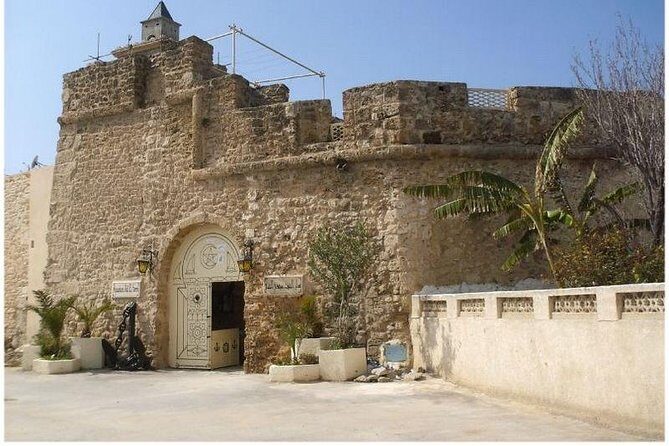
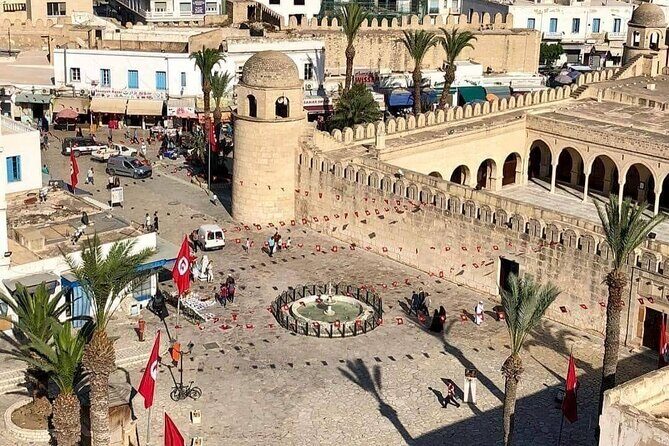
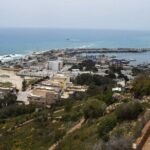
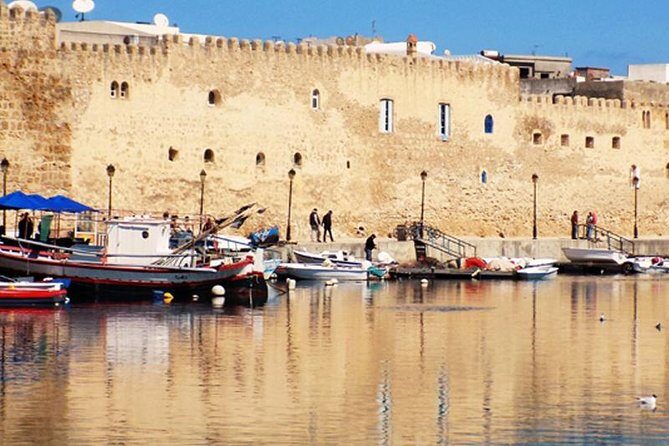
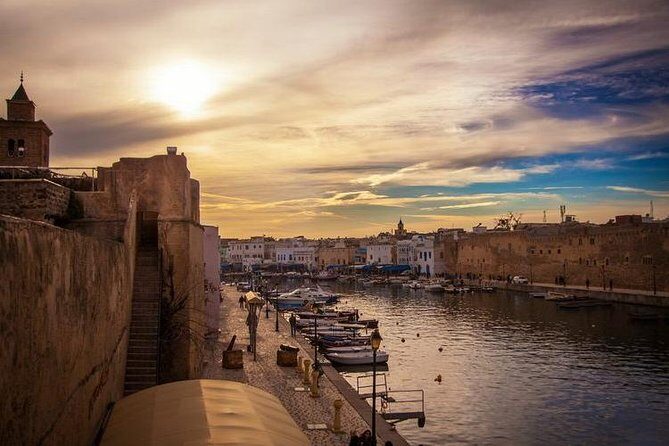
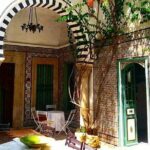
Bizerte’s Qsiba is where the day gets more human-scale. Instead of sweeping ruins, you’re in an older port-and-fort zone where boats, alleys, and views of the historic Medina area come together.
The area is described as having an enchanting feel that’s often compared to Venice, which makes sense once you’re thinking about water-level pathways and the way the harbor shapes everyday movement. It’s also known for a blend of typical Muslim and Arab architectural styles, so it doesn’t feel like a staged tourist set.
One of the best parts of Qsiba is that it reads differently depending on the light. If you catch it in late-day light, the stone and sea reflections can change the whole mood.
What to expect:
- Short stop time (around 30 minutes).
- Admission included.
- You’ll see the old port area close to the historic fort feeling of the Medina.
Small consideration: 30 minutes is enough for a first taste, but not enough for slow wandering. If you have strong preferences—photography, architecture details, or just soaking up port life—tell your guide what you care about so they can steer you to the best angle fast.
Cap Angela: picnic views and the northernmost point brag
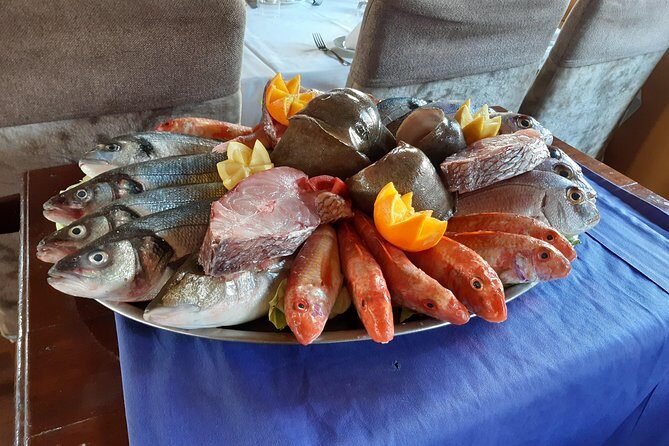
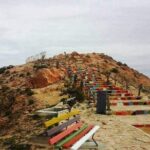
Cape Angela, also called Ras Angela, is a rocky headland extending into the Mediterranean. This is where the day turns scenic in a hurry. The views are the whole point, and it’s specifically framed as a great place for a picnic.
It also comes with a special detail that many travelers love: Cape Angela is considered the northernmost point of continental Africa. That’s a fun fact to carry with you as you look out at the water—especially because the coast there feels rugged and real, not manicured.
How the stop can change: there’s one catch. If the road to Cap Angela is temporarily closed for restoration, the guide may have to skip the stop and adjust your route. That has happened before, and it’s not the operator trying to rush you—it’s road work outside their control.
So, if Cape Angela is the headline for you, keep your expectations flexible. On days when the road is open, you’ll get the full payoff; on other days, the driver may redirect you.

Ichkeul National Park: UNESCO wetlands and birdwatching with specialist help
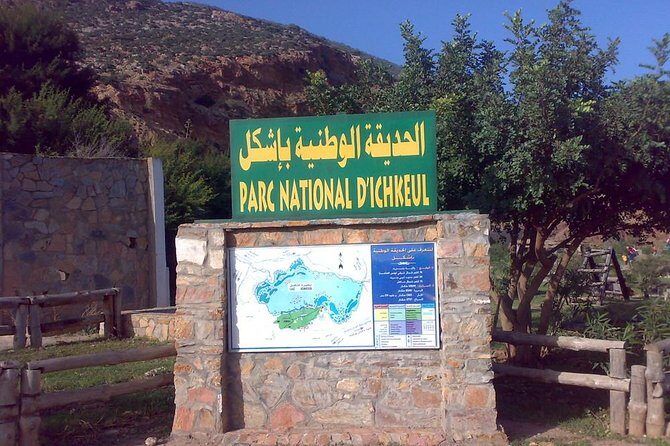
Ichkeul is the reason many people choose this day trip, because it’s not just a landscape stop. It’s a living wetland system tied to migration patterns across North Africa.
The park is a UNESCO World Heritage site, and you’ll go with guidance that’s set up for wildlife viewing. The experience includes a 1-hour hike walk tour with guided birdwatching, supported by professional zooming and a specialist guide focused on fauna and flora. The tour also notes that special authorization is required for this kind of visit, and the provider handles it for you.
What you’re likely to notice:
- The bird presence is the big draw. You’re looking out for migrating birds such as ducks, geese, storks, and pink flamingos.
- You’ll be looking at Ichkeul Lake and the surrounding wetland habitat—described as the last remnant of a once larger system spanning North Africa.
Why that matters: wetlands can feel abstract until you see them with a guide who knows where to look and how to read the habitat. The inclusion of professional zooming is practical. It saves time and reduces the need for everyone to fight for binoculars or guess at distances.
Time check: the park portion is about 1 hour. That’s enough time to get moving, scan for birds, and learn what you’re seeing, but it’s not enough for long, slow trails. If your top priority is birdwatching for hours on end, you may prefer a longer dedicated nature outing.
Possible drawback: like Cap Angela, access can be affected if routes are closed. There’s an explicit history of the road toward a part of the park being closed, which can limit what you see. That said, when conditions allow, Ichkeul is a strong match for nature lovers.
The human factor: guides, pacing, and communication
This is one of those tours where the guide choice can make a noticeable difference. In the information you’re given, multiple names show up—Ghassen/Ghassem, Rafik, and Refik—often described as patient, kind, and full of explanation.
I’d frame it like this: you’ll get the most out of the day if you’re comfortable asking quick questions and guiding your guide toward your interests.
A couple of points to keep in mind:
- Some guide feedback includes comments about English level being a limitation. If you’re traveling with someone who wants very detailed explanations in English, ask in advance about language comfort.
- There’s also evidence the provider can adjust the itinerary based on your preferences. That’s a plus when you have a specific priority—archaeology, ports, or birdwatching.
And yes, the guide details matter. A strong day-trip guide makes the same stops feel more meaningful, especially at archaeological sites where the visuals need a bit of context to click.
How to plan your own day: comfort tips that actually help
Because this is a packed day, your personal comfort will matter more than usual.
Bring:
- Comfortable shoes for the Ichkeul walk portion (you’ll be moving).
- Sun protection and water. Even if the weather looks fine at pickup, wetland days can still get warm.
- A light layer. Coastal and nature areas can cool down later.
Also, plan your lunch strategy early. Since lunch is not included, decide how you want to handle it:
- If Cap Angela is accessible, a picnic can work well.
- If Cap Angela is skipped due to road repairs, you’ll want a backup lunch plan near Bizerte or along the route.
Finally, if your priority is birdwatching, don’t treat Ichkeul like a photo-op only. Slow down in your scan and let the guide show you where to look.
Value check: is $150.99 per person a smart move?
For $150.99 per person, you’re paying for:
- Private transport in an air-conditioned vehicle
- WiFi onboard
- Admission and fees for key stops (Utica, Qsiba, Ichkeul)
- A guided wildlife component at Ichkeul with professional zooming
- Pickup offered, and it’s a private activity for your group
DIY is possible, but it’s usually more complicated than people expect when you factor in timing across three regions plus the wetland access rules at Ichkeul. The authorization handling is also a big deal—you don’t want to spend your time hunting paperwork while you’re in Tunisia for limited days.
Where the price might feel harder:
- If Cap Angela is skipped due to temporary closures, your day loses one scenic highlight.
- If you want lots of time per stop, the shorter windows (like 30 to 40 minutes) may feel rushed.
Even with those risks, the mix of archaeology, port medina atmosphere, and UNESCO wetland birdwatching makes the value feel strong for the right kind of traveler.
Who should book this tour (and who should skip it)
Book it if you:
- Want a one-day taste of North Tunisia beyond the usual big-city sites
- Care about birdwatching and habitat, not just seeing a “park” from a road
- Enjoy archaeology with story context (Utica’s Carthage-to-Rome turning point is the kind of plot that sticks)
Skip or consider something else if you:
- Need long, unhurried time at just one place
- Are traveling during a period when road/weather conditions could affect access, and you’d be upset if Cap Angela is adjusted
Should you book Bizerte, Cape Angela, and Ichkeul?
I’d recommend booking if your ideal day mixes real nature viewing with meaningful history, and you’re happy with a full but structured schedule. The best reason to choose it is the Ichkeul setup: UNESCO wetland viewing with specialist guidance and professional zooming, done in a time window that fits a day trip.
If Cape Angela is your top priority, book with flexibility in mind. Roads can be closed for restoration, and the provider can’t control that. Still, even when routes shift, the day remains focused on major value stops: Utica, Bizerte’s Qsiba area, and Ichkeul’s wetlands.
FAQ
How long is the tour?
It’s about 7 hours.
What does the tour cost?
The price is $150.99 per person.
Is pickup included?
Pickup is offered, and the tour uses private transportation.
Is lunch included?
No, lunch is not included.
Are admission tickets included?
Admission tickets are included for Utica, Qsiba, and Ichkeul. Cape Angela is listed as free.
Does the vehicle include WiFi?
Yes, WiFi is included onboard.
Is this a private tour?
Yes. It’s a private tour/activity with only your group participating.
What will we look for at Ichkeul National Park?
The park stop focuses on wetland habitat and migrating birds such as ducks, geese, storks, and pink flamingos.
Is Ichkeul visit authorization handled by the provider?
Yes. Ichkeul requires special authorization, and the provider handles it.
What happens if roads to Cap Angela are closed?
If the road is temporarily closed for restoration, the guide may have to skip the Cap Angela stop and adjust the route. The information provided also notes that access can reopen on other dates.