REVIEW · TUNIS
El Jem and Monastir Full-Day Tour with Lunch from Tunis or Hammamet
Book on Viator →Operated by SAHARANSKY · Bookable on Viator
Roman ruins in Tunisia feel shockingly alive. This full-day outing threads together El Jem’s colossal amphitheater, the Monastir ribat fortress, and a museum stop that’s famous for its mosaics, all with lunch included. You start at 8:00am and return the same day, with pickup offered, so you spend your time seeing instead of negotiating.
I especially love how well El Jem holds up in real life: the mid-3rd-century arena is the kind of place that makes scale click fast. I also like that you finish with a mix of Roman and early Islamic sites, plus a relaxed museum visit, and you’re guided by people who can explain what you’re looking at. One thing to plan for: it’s an all-day drive (about 8 hours), so comfort matters, and English ability can vary a bit by guide.
In This Review
- Key Highlights at a Glance
- Entering El Jem’s Amphitheater: The Roman World at Full Volume
- El Jem Museum: Why the Mosaics Are the Real Memory Hook
- Monastir’s Ribat: A Fortress That Explains the City
- Bourguiba Mausoleum: Short, Free, and Flexible
- Lunch and Timing: How to Survive an 8-Hour Day Without Rushing
- Pickup, Private Groups, and the Driver-Gauge of Comfort
- Tickets Included: What You’ll Pay for (and What You Won’t)
- Value Check: Is $105 Worth It?
- Who This Tour Fits Best
- Should You Book This El Jem and Monastir Day Tour?
- FAQ
- What is the start time of the tour?
- How long is the El Jem and Monastir tour?
- How much does the tour cost?
- Is lunch included?
- Are tickets included for the amphitheater and ribat?
- Is the Bourguiba Mausoleum admission included?
- Is this tour private?
- What if the weather is bad?
Key Highlights at a Glance
- El Jem amphitheater scale and preservation: Built around 230–240 AD, it’s one of the best-preserved big arenas in the Roman world.
- Museum stop with mosaic focus: This is the place where the details of El Jem really stick.
- Monastir’s ribat fortress history: The oldest ribat built by Arab conquerors during the Muslim conquest of the Maghreb (8th century).
- Bourguiba mausoleum is free and paced: Admission is free, and you browse at your own speed for about an hour.
- Lunch is included: A practical lifesaver on a long day out inland.
- Private group experience: It’s only your group, with a professional guide and driver.
Entering El Jem’s Amphitheater: The Roman World at Full Volume
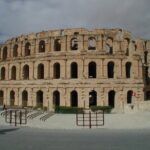
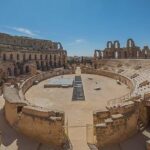
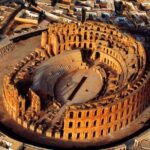
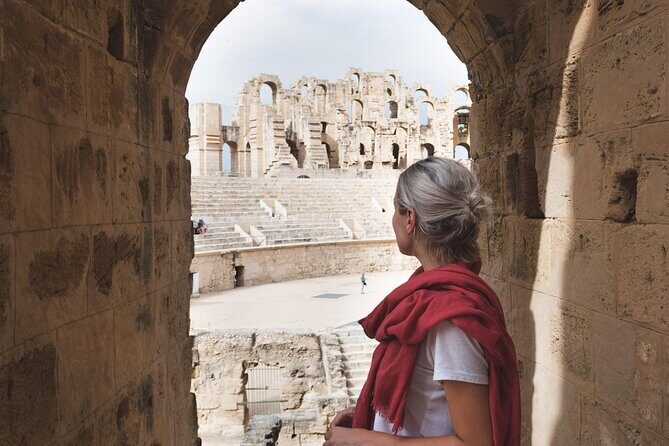
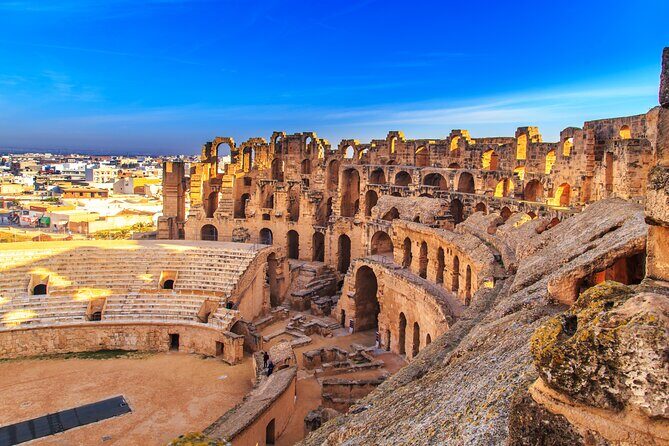
If you’ve seen Roman ruins on postcards, El Jem can still surprise you. The amphitheater is the main event, and it’s hard not to feel the “stadium effect” the moment you’re inside. This is the third-biggest and among the best-preserved Roman amphitheaters in the world, and it was built in the mid-3rd century AD (around 230–240 AD).
Here’s what makes it more than just an old arena. You’re not only looking at size; you’re looking at design. The guide can point out how it represents improvements over the Coliseum of Rome, because it’s one of the last large amphitheaters built during the Roman era. In other words, it’s not a random survivor. It’s a strong example of how Roman architecture matured.
The visit slot is about 2 hours, and admission is included. That timing works well because El Jem isn’t a “blink and move on” stop. You’ll want time to walk sections, look back and forth across levels, and understand how spectators would have experienced events from different parts of the seating.
Practical tip: wear shoes you can trust on uneven surfaces. You’ll be walking and standing more than you might expect for a “just sightseeing” day.
A few more Tunis tours and experiences worth a look
El Jem Museum: Why the Mosaics Are the Real Memory Hook
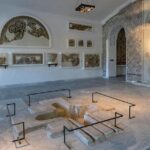
After the amphitheater, the itinerary turns toward the Museum of El Jem. This is where the day can go from impressive to unforgettable—because mosaics don’t just look good. They teach you how people lived, worked, and celebrated in Roman Thysdrus.
The museum is famous for its mosaic collections, and if you want a quick rule: pay attention to the patterns and the craftsmanship. These are the kind of floors that make you slow down. It’s not only about seeing art; it’s about seeing evidence—tiny pieces of a city that once had wealth, taste, and daily routines.
Even if you’re not a “museum person,” the mosaics tend to win people over because they’re vivid and close-up. You also get a break from constant walking outdoors, which is useful on a day that’s already long.
One note to keep expectations realistic: the amphitheater is the anchor and the museum is part of the payoff, but you should still plan for fatigue. This trip is about one big anchor site plus two other major monuments, not a slow, leisurely countryside wander.
Monastir’s Ribat: A Fortress That Explains the City
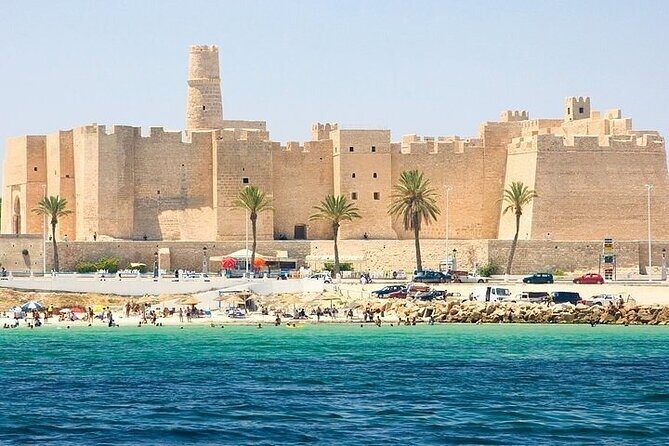
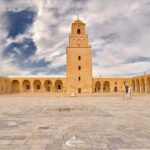
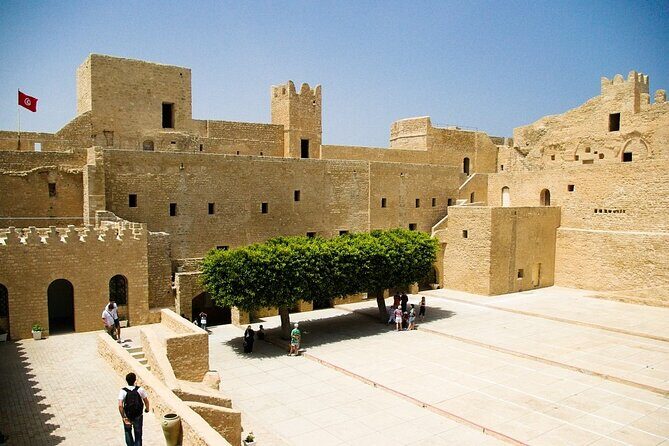
Then you shift eras, and Monastir hits with a completely different mood. The Ribat of Monastir is an Islamic defensive structure and, importantly, it’s described as the oldest ribat built by Arab conquerors during the Muslim conquest of the Maghreb (8th century). That’s the headline fact, but the building’s feel is what makes it worth your time.
A ribat isn’t just a fort in the generic sense. It connects architecture with early frontier life, where communities needed both defense and a visible statement of presence. You’ll get about 1 hour here, and admission is included.
What I like about this stop is the way it balances the Roman story. El Jem shows you Rome through stone and scale. Monastir’s ribat shows you the region’s later story through a defensive, purpose-built structure. Together, they help you see Tunisia not as a single-era destination, but as a place that layers centuries instead of replacing them.
Practical tip: bring a light layer. Coastal cities and inland drives can mean temperature shifts even when the day starts sunny.
Bourguiba Mausoleum: Short, Free, and Flexible
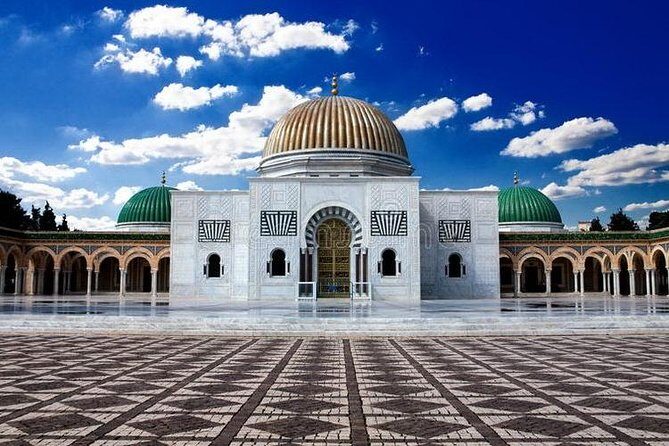
Next comes the Bourguiba Mausoleum, which is part of the plan for about 1 hour. Admission is free, and the visit is paced so you can browse at your own speed before heading back.
This stop is less about ancient architecture and more about understanding modern Tunisian identity. It also gives your legs a breather compared with the longer walking focus of the amphitheater and ribat.
Because it’s scheduled at the end of the main “must-see” cluster, it works like a calmer finish. You’re not sprinting between sites; you’re taking your time, looking around, and resetting before the long ride back.
Lunch and Timing: How to Survive an 8-Hour Day Without Rushing
This is an 8-hour day tour, starting at 8:00am. On paper, that’s simple. In practice, it’s a full chunk of your day, with real driving time involved.
The good news is that lunch is provided. That matters more than most people think, because if your meal plan is loose, the day’s energy can collapse by mid-afternoon. With lunch included, you can keep your pace and focus on the sites instead of searching for food during transit.
Based on how the trip plays out, you should expect:
- a morning departure from Tunis or Hammamet-area pickup
- a major morning/early afternoon Roman focus at El Jem
- a switch to Monastir with the ribat
- a final monument stop at Bourguiba’s mausoleum
- the return drive
One thing to plan for: if you’re sensitive to long road time, this isn’t the kind of outing you can treat like a short hop. It’s built for people who are okay spending time in the car in exchange for two well-chosen cultural stops plus lunch.
A few more Tunis tours and experiences worth a look
Pickup, Private Groups, and the Driver-Gauge of Comfort
This tour offers pickup, and it runs as a private tour/activity, meaning only your group participates. That’s a meaningful difference. In a private format, you’re less likely to get stuck waiting while other groups shuffle around. You also tend to get a smoother flow between the amphitheater, museum, and monuments.
I also like that the experience includes a professional guide and a driver. In this kind of itinerary, the guide isn’t just translating words. They’re helping you connect the “what” (a Roman amphitheater, a ribat, a mausoleum) to the “why” (why El Jem ranks high, why the ribat matters in the 8th century, and how the museum ties everything together).
The driver element matters here because you’re crossing distances. One review highlighted a safe, smooth drive into the inland, and the overall sentiment around driving professionalism came through clearly.
Guide language is the only variable worth flagging. One person felt the guide’s English wasn’t great, while others praised guides for clear, friendly, strong English. If you want the best experience, pick a time and group setup that lets you ask questions. And bring curiosity—when the guide can explain well, the day becomes more than sight-seeing.
Tickets Included: What You’ll Pay for (and What You Won’t)
The trip includes admissions where stated:
- Amphitheatre D’el Jem: admission ticket included (about 2 hours)
- Ribat of Monastir: admission ticket included (about 1 hour)
- Bourguiba Mausoleum: admission free (about 1 hour)
So you’re not doing mental math all day. You can focus on moving through the sites and listening to the guide.
It also uses a mobile ticket, which is convenient. And since it’s near public transportation, the meeting point area is generally easy to reach if you’re not using pickup.
Value Check: Is $105 Worth It?
At $105 per person, this tour isn’t a budget impulse buy, but it also isn’t trying to be. What makes it feel like good value is that you’re paying for a full-day structure: pickup, a full itinerary, lunch, and multiple sites with included admissions.
You’re getting:
- one heavyweight UNESCO-level Roman stop in terms of scale and preservation
- one major early Islamic monument in Monastir
- a modern heritage stop at Bourguiba’s mausoleum (free admission)
- a museum visit that’s known for mosaics
- all of it packed into one efficient day plan
Also, it’s often booked far in advance (around 80 days on average). That’s usually a sign that demand is real, not just “marketing noise.”
If you’re the type of traveler who wants to see the key sites without arranging two separate trips and timing admissions yourself, this price starts making sense.
Who This Tour Fits Best
This outing is a strong match if you:
- want one full day to cover El Jem plus Monastir
- enjoy Roman ruins but also want a change of era
- like guided context while walking through monuments
- prefer private-group comfort and less hassle
It may be less ideal if you:
- hate long drives and constant movement
- need very polished English interpretation at all times
- prefer to go at your own pace with no schedule at all
The good news: the itinerary includes a mix of walking and flexible time, especially at Bourguiba’s mausoleum.
Should You Book This El Jem and Monastir Day Tour?
I’d book this if you want a well-paced day that hits the most memorable parts of El Jem and follows it with Monastir’s ribat and a quick, free finale at Bourguiba’s mausoleum. The combination of amphitheater + museum mosaics is the main reason. Lunch included and included admissions make it feel organized instead of stressful.
I would think twice only if you’re highly sensitive to long road time or if language quality is a must-have for you. Even then, you can often solve the concern by asking questions early and letting the guide set the tone.
One more practical note: the experience depends on good weather. If conditions are poor, you may be offered a different date or a refund, so don’t treat it like an unbreakable plan.
FAQ
What is the start time of the tour?
It starts at 8:00am.
How long is the El Jem and Monastir tour?
The duration is about 8 hours.
How much does the tour cost?
The price is $105.00 per person.
Is lunch included?
Yes, lunch is provided during the trip.
Are tickets included for the amphitheater and ribat?
Yes. Admission tickets are included for the Amphitheatre D’el Jem and the Ribat of Monastir.
Is the Bourguiba Mausoleum admission included?
Admission to the Bourguiba Mausoleum is free.
Is this tour private?
Yes. It’s listed as a private tour/activity, so only your group participates.
What if the weather is bad?
The experience requires good weather. If it’s canceled due to poor weather, you’ll be offered a different date or a full refund.