REVIEW · TUNIS
Half-Day Traditional Tunisian Cuisine Cooking Class in Tunis
Book on Viator →Operated by SAHARANSKY · Bookable on Viator
A Tunis cooking class starts with the market, not the menu. This half-day experience pairs a Tunisian chef in her home with a private setup, so you can learn classic techniques without guessing what matters most to Tunisian flavor. I like that the class is led with real warmth from Fatma, with support from English-speaking guide Boutheina.
I also love the personal choice element: you can pick the dishes you want to cook, and the instruction can be shaped to your ability. The hands-on lunch is the payoff, too—you cook, eat, and go home with a clearer sense of how Tunisian cooking works, not just what it tastes like. One consideration: you’ll want to share dietary needs up front, because the class is built around the menu you choose.
In This Review
- Key things I’d plan around
- Why Cooking at a Chef’s Home Feels More Like Tunis
- The main tradeoff to know
- The Market Stop: Where Tunisian Flavor Begins
- Choosing Your Menu: How the Class Stays Personal
- A practical note about learning fast
- Inside the Kitchen With Fatma: Hands-On Technique Time
- Break time and sweets
- Eating What You Cook: Lunch as Part of the Lesson
- Pickup, Timing, and the Meeting Point in Tunis
- What to wear and bring
- Price and Value: What $65 Buys You Here
- Who This Cooking Class Fits Best
- Who might want a different style
- Should You Book This Half-Day Tunisian Cooking Class?
- FAQ
- How long is the Tunisian cooking class?
- Is the class private?
- Is lunch included?
- Do they offer pickup from Tunis or Hammamet?
- What’s the meeting point?
- Are vegetarian meals available?
- What should I tell them about my food needs?
- What’s included in the class?
Key things I’d plan around
- Market visit first: you start by shopping for fresh ingredients, so cooking makes sense once you’re at the stove
- Private home setting with Fatma: you learn techniques in a real Tunisian kitchen, not a classroom
- Dishes chosen by you: you steer the menu toward what you actually want to eat
- Boutheina’s on-the-ground support: English-speaking guidance helps if your French or Arabic is rusty
- A full meal with sweets: lunch (or dinner), coffee/tea, water, and Tunisian sweets during a break are included
Why Cooking at a Chef’s Home Feels More Like Tunis
If you care about Tunisian food, the biggest win here is context. You’re cooking where the meal would normally happen, with a local chef, at her home in Tunis. That means the tips you get aren’t just about recipes—they’re about habits: how people build flavor, keep things moving, and judge timing by smell and texture.
I also like that it’s private in the real sense. Only your group participates, so you’re not stuck watching someone else’s pace while you wait your turn. Even better, the class is described as adaptable to your preferences and cooking ability, which helps if you’re comfortable at the stove—or if you’re not.
From the reviews, the vibe matters. People describe Fatma and Boutheina as friendly and welcoming, with a feel-good energy that turns the day into more than instruction. One guest even called it like gaining a Tunisian family, which tracks with the fact you’re shopping, cooking, and sharing lunch with your host.
You can also read our reviews of more tours and experiences in Tunis.

The main tradeoff to know
Because it’s at a private home, the experience follows the chef’s rhythm. If you prefer very formal, restaurant-style explanations or a super-structured “show only” format, this may feel more casual and personal than you’re used to. It’s still easy to join—just expect a lived-in environment and active participation.
The Market Stop: Where Tunisian Flavor Begins
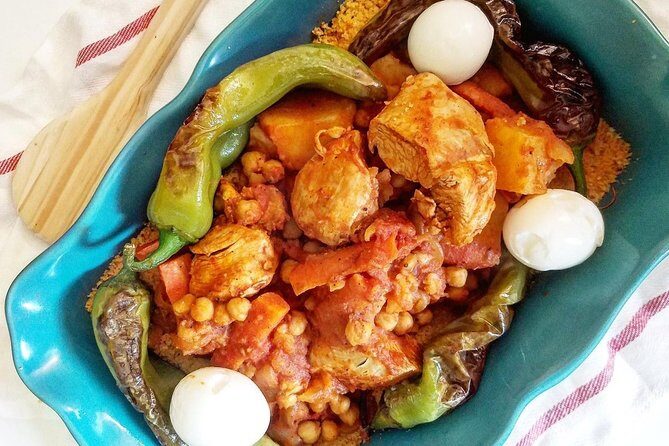
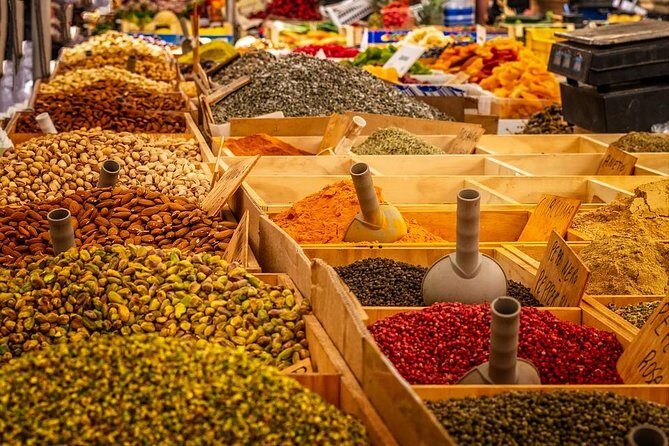
The day starts with shopping for ingredients at a local market. That’s not a “nice extra.” It’s the part that makes the rest of the class easier to recreate later.
Here’s what the market component changes for you:
- You learn what fresh ingredients look like before you buy them at home.
- You start understanding why certain spices and produce matter for Tunisian dishes.
- You can ask questions while choosing items, instead of trying to translate them later.
The class is designed as a full cooking session, not a lecture. You’re guided through what to look for, and then you return to the kitchen to work with the ingredients you chose. In Tunisian cuisine, the small choices—what you pick, how much you use, and when you add it—are where results come from.
One review mentioned a cactus fruit snack that helped break the day up right from the start. Even if your menu choices differ, expect some small welcome-style moments that make the market-to-kitchen transition feel smooth.
Choosing Your Menu: How the Class Stays Personal
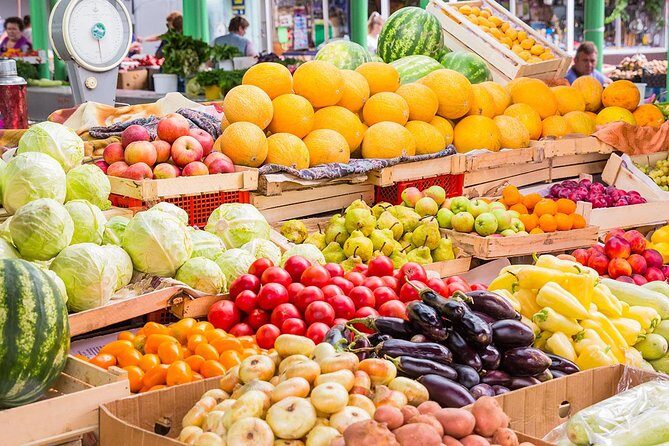
This cooking class is private, and you don’t have to cook a fixed set of dishes. You get freedom to choose what you want to prepare, and the instruction is tailored to your preferences and ability.
That’s especially useful because Tunisian cooking covers a lot of territory. The class focuses on classic courses and salads, which gives you range without turning the day into chaos. If you want something more savory and hearty, you can lean that way. If you’d rather focus on salads, you’ll have that option.
You can also request a vegetarian option if you let the provider know when booking. The key here is timing: share dietary needs at the time of booking so the chef can plan around them. If you wait until the last minute, there’s no guarantee the menu shift will work as smoothly.
A practical note about learning fast
The best cooking classes don’t just teach you steps. They teach you decision-making. Because you’re picking dishes, you’re more likely to remember what matters:
- why an ingredient is chosen,
- what changes when you adjust it,
- and what “done” looks like in Tunisian cooking.


Inside the Kitchen With Fatma: Hands-On Technique Time
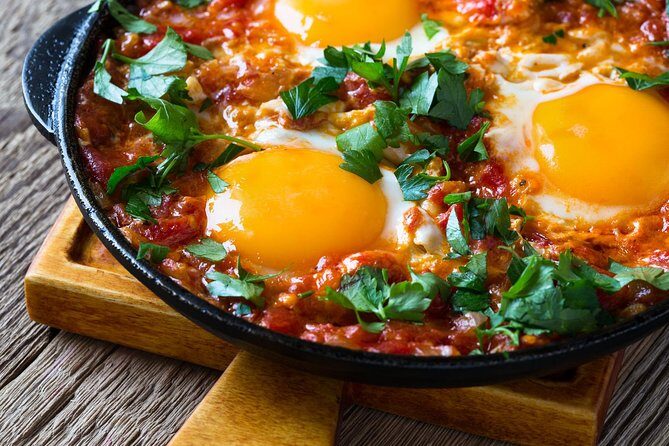
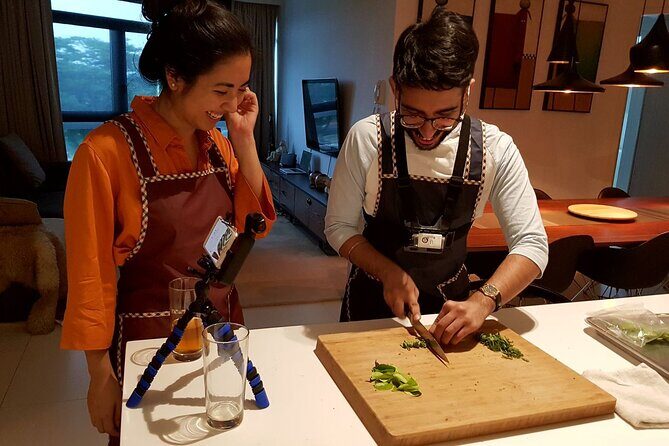
Once you’re in the kitchen, you get hands-on tuition from a local chef. The experience includes all ingredients and cooking tools, which is a big deal for value. You don’t need to shop for gear, hunt down hard-to-find spices, or bring anything except yourself.
The class includes learning traditional Tunisian cooking through practical work. While the exact dishes you choose will set the agenda, expect to practice core kitchen actions—mixing, chopping, seasoning, assembling, and timing. The point isn’t to speedrun cooking. It’s to understand how Tunisian flavor builds, then apply that to the dishes you selected.
What makes this class feel different from a generic cooking workshop is the teacher’s role. Fatma isn’t just running a demo; the setup is described as private instruction in her home. Reviews mention she participates in the class with guests, which can help you ask questions in the moment and correct technique before it goes off track.
Boutheina’s role also stands out in the reviews. Guests specifically mention English support and a friendly, knowledgeable approach. If you’re worried about language barriers, that’s worth paying attention to. You’ll be able to ask what you need as you cook, not just translate on your way home.
Break time and sweets
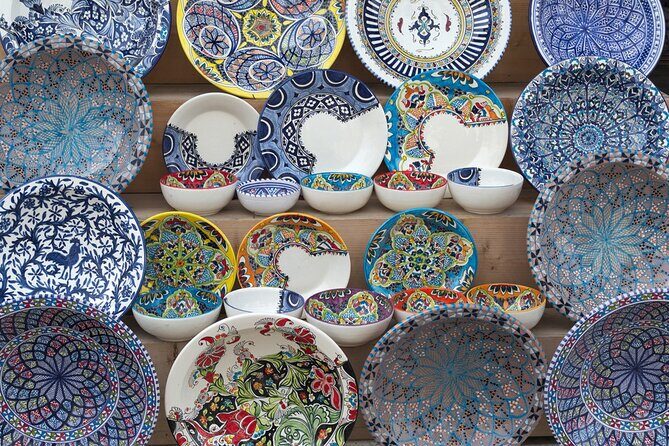
During the session there’s a break with traditional Tunisian sweets. That’s a nice rhythm check, and it also gives you a taste of what families might serve between course steps. Coffee and/or tea are included, plus bottled water, so you can focus on cooking rather than tracking drinks.
Eating What You Cook: Lunch as Part of the Lesson
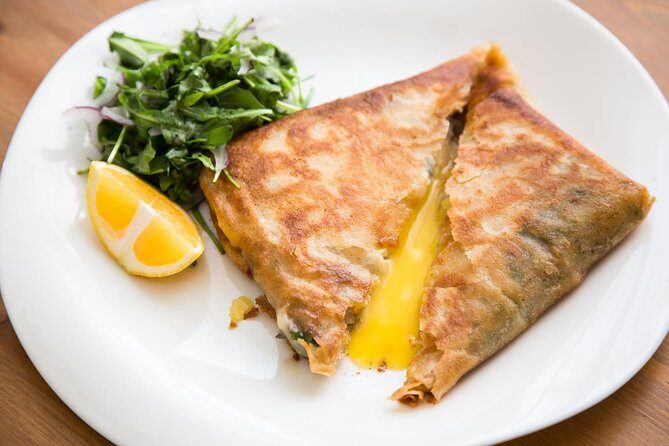
The best part of a cooking class is the meal, because it tells you if your choices were right. Here, lunch (or dinner) is part of the experience, and you sit down to savor what you made.
That “eat what you made” moment matters more than you might think. It reinforces key ideas:
- seasoning balance,
- texture cues you can’t see on paper,
- and how salads and classic courses work together as a real plate, not a single component.
From the reviews, guests describe the meal as delicious and memorable. One review praised the full flow: market ingredients, then cooking, then eating in a warm home setting. Another guest specifically called the experience one of the top trips on their list, which is usually how you know the meal landed.
Also, because this is private, the lunch portion tends to feel less like a production line. You’re eating with your host, which makes the class feel social. Even if you’re shy, asking a few questions over the meal can turn the day into a living food lesson.
Pickup, Timing, and the Meeting Point in Tunis
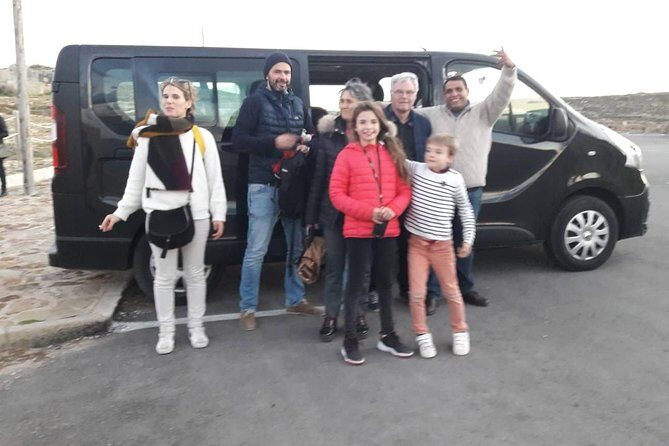
This is a half-day class lasting about 5 hours. It also includes hassle-free pickup and drop-off from your Tunis hotel. There’s also an option for pickup and drop-off in Hammamet, if you select that option.
If you’re staying in Tunis, this matters because it removes the hardest part of “doing it yourself”: getting to a local home kitchen on time. Once you’re picked up, the day runs without you needing to coordinate transport during the market and cooking blocks.
The meeting point is listed as Mosquée Al Hamd (Rue El hamd, Tunis). The activity ends back at the meeting point. The provider uses a mobile ticket, so you’ll want to keep that available on your phone.
The tour is near public transportation, which is useful as a backup if you’re not using the hotel pickup option. And it’s a private activity for your group only, so you’re not waiting on strangers with different schedules.
What to wear and bring
You won’t need special clothing, but I’d plan to wear comfortable shoes and sleeves you don’t mind getting a little food-splattered. Cooking is hands-on, and Tunisian home kitchens are still kitchens—things move fast.
And bring your appetite. You’re not just tasting a bite or two—you’re eating a meal that’s part of the class.
Price and Value: What $65 Buys You Here
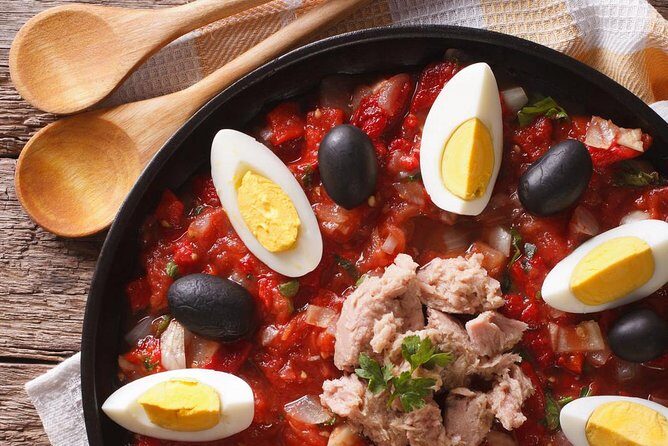
At $65 per person, this class sits in the “worth it if you’ll actually use what you learn” category. The price isn’t just for a recipe. You’re paying for multiple value blocks that add up:
- a private setup with your group only,
- instruction with a local chef at home,
- a market visit for ingredient selection,
- lunch (or dinner),
- coffee and/or tea,
- bottled water,
- welcome drink,
- traditional Tunisian sweets during a break,
- and all ingredients and cooking tools.
When a class includes the meal and drinks, the cost feels more reasonable. You’re basically paying for a guided cooking day plus a full table meal at the end. If you tried to replicate it on your own, you’d still need to coordinate market shopping, find a cooking mentor, and figure out tools and ingredients.
Also, the fact that you can choose dishes increases value. You’re not forced into a menu that doesn’t match your tastes. And if you’re traveling with someone who has different food preferences, tailoring helps keep the day satisfying for both people.
One small planning thought: this experience is typically booked around 58 days in advance on average. That suggests it’s popular, especially for people who want something more personal than a standard tour.
Who This Cooking Class Fits Best
This is a great fit if you:
- want Tunisian cuisine that feels local and hands-on,
- enjoy market experiences and cooking together,
- like instruction in a small, private setting,
- and want to bring home practical technique, not just photos.
It’s also a good option for all abilities, since the class is described as adaptable to your cooking skill and preferences. If you’re a beginner, focus on learning the “why” behind each step. If you’re more confident, ask for technique tips you can repeat later.
Family-wise, children must be accompanied by an adult. If you’re bringing kids, make sure you’re comfortable with an active, participatory cooking day.
Who might want a different style
If you’d rather watch from the sidelines, or you’re looking for a large-group show with lots of sightseeing, this won’t be the same experience. This one is built around doing the cooking.
Should You Book This Half-Day Tunisian Cooking Class?
If you want a Tunis experience that’s strongly food-focused and genuinely local, I’d say book it. The biggest reasons are simple: you cook what you choose, you learn from a Tunisian chef in her home, and you finish with lunch that ties it all together.
Do it if Tunisian cooking is on your “must learn” list, or if you just want a memorable day that goes beyond bus tours. If you have vegetarian needs or any dietary requirements, send those details when you book—this class works best when the menu plan is ready ahead of time.
If you’re unsure, this is still one of those rare activities where the included meal, drinks, and full hands-on tuition make it feel like a complete experience rather than a short workshop.
FAQ
How long is the Tunisian cooking class?
It runs for about 5 hours.
Is the class private?
Yes. It’s a private tour/activity, so only your group participates.
Is lunch included?
Lunch or dinner is included in the experience.
Do they offer pickup from Tunis or Hammamet?
Pickup and drop-off are included in Tunis, and pickup/drop-off in Hammamet is available if you select that option.
What’s the meeting point?
The meeting point is Mosquée Al Hamd (Rue El hamd, Tunis, Tunisia).
Are vegetarian meals available?
Yes. A vegetarian option is available if you advise the provider when booking.
What should I tell them about my food needs?
If you have dietary requirements, you should advise them at the time of booking.
What’s included in the class?
Ingredients and cooking tools are supplied, along with bottled water, coffee and/or tea, a welcome drink, and traditional Tunisian sweets served during a break.