REVIEW · TUNIS
Tunis: Carthage, Bardo Museum, Sidi Bou Said & Medina Group Tour
Book on Viator →Operated by SAHARANSKY · Bookable on Viator
A good Tunis day has rhythm. This one stacks Carthage with a guide and free time in Sidi Bou Said so you get meaning plus views, not just car stops. I like how the day is built around the big landmarks that define Tunis, including Roman-era ruins and classic blue-and-white streets. One watch-out: it’s a long, mostly outdoors day that can feel strenuous if weather turns or you dislike uphill walking.
What makes this tour practical is the flow: hotel pickup and drop-off, then timed entry where it matters. I also like that most sites are handled with included entry fees, which cuts down ticket hassles and keeps you moving. And when the guide is strong (names like Boutheina Derouiche, Mohamed, Luce, and Younis show up a lot), the ruins and streets get explained in a way that actually helps you see what’s in front of you.
The main consideration is stamina. Expect 7 to 8 hours with a fair bit of walking, plus extra time outside in sun, wind, or rain at times.
In This Review
- Key highlights worth planning for
- Entering Carthage: why a guide is the real value
- From 8:00 pickup to a full-day pace that actually works
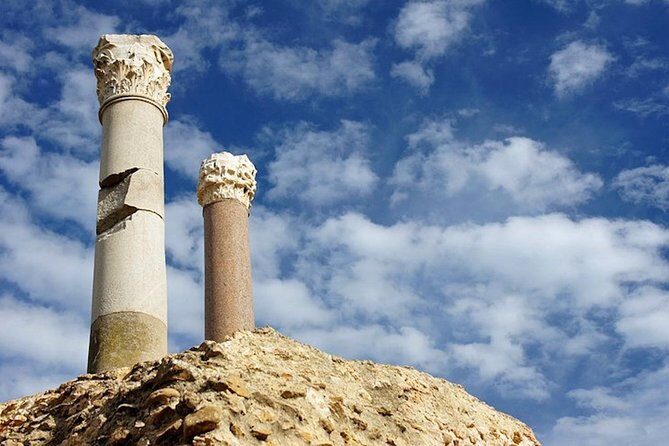
- Carthage Archaeological Site: Byrsa Hill, Punic ports, and the Roman layer
- Baths of Antoninus and the aqueduct: the Roman tech you can still see
- Sidi Bou Said: blue streets, sea views, and the uphill tax
- The Bardo Museum block: when you need a break from the outdoors
- Bab Bhar and Zitouna Mosque: how to see old Tunis without getting lost
- Lunch expectations: included, but plan for real-world timing
- Price and logistics: what $45 buys you in a day
- The guide makes or breaks it: names that popped up for a reason
- Should you book this Tunis Highlights tour?
- FAQ
- Is pickup included?
- How long is the tour?
- What time does the tour start?
- Are entry fees included?
- What places do we visit in a single day?
- Is lunch included, and can I request vegetarian?
- Can non-Muslims visit Zitouna Mosque?
- Is this tour refundable if I cancel?
Key highlights worth planning for
- Carthage overview that hits the big names: Byrsa Hill, Baths of Antoninus, and the Punic ports area, explained in plain terms
- Roman engineering stops: the Baths of Antoninus and the Carthage aqueduct segment
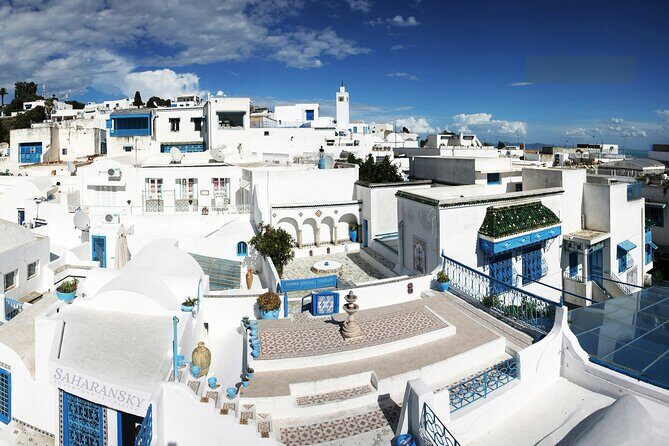
- Sidi Bou Said time for photos and wandering: blue-and-white streets plus sea views, with a short café stop
- Bardo Museum block: about 2 hours at the National Bardo Museum, when it’s open
- Old Tunis on the Medina route: Bab Bhar and Zitouna Mosque from the outside, plus souk-style wandering
- Small-group handling: up to 19 travelers, with pickup and a scheduled pace
Entering Carthage: why a guide is the real value
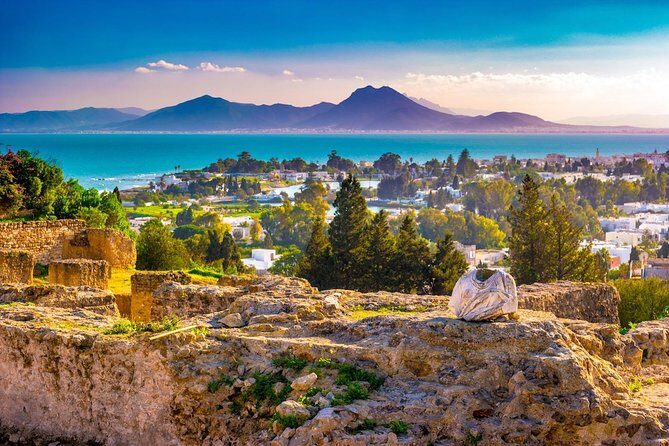
Carthage is the kind of place where you can stand in front of stones and still miss the point. With a guide, you start noticing urban planning choices—where power sat, how neighborhoods worked, and why this city mattered beyond a single empire. You also get the political drama in context, including Carthage’s rise and its destruction by the Romans in 146 BC.
I like that the day doesn’t treat Carthage as one stop and done. It gives you a structured walkthrough that includes major anchors: the Baths of Antoninus and Byrsa Hill within the broader archaeological zone, plus time that lets you look rather than just march.
Also, Carthage is UNESCO-listed, and that matters for how you should prepare. You’re not just sightseeing; you’re reading layers of history that overlap in physical space. A guide helps you keep the eras straight so you’re not seeing random ruins.
You can also read our reviews of more museum experiences in Tunis
From 8:00 pickup to a full-day pace that actually works
The tour starts at 8:00 am, with hotel pickup offered and a driver who gets you between neighborhoods without you wrestling transit. If you’re staying in or near Tunis, this is a big deal: you save time and energy for the walking parts instead of spending your morning figuring out logistics.
The schedule is built for efficiency: roughly 7 to 8 hours total, with short, timed stops plus a couple of longer blocks at the major sites. That means you get to see more than one “headline” attraction, but you also need to go in knowing this is not a slow, meandering day.
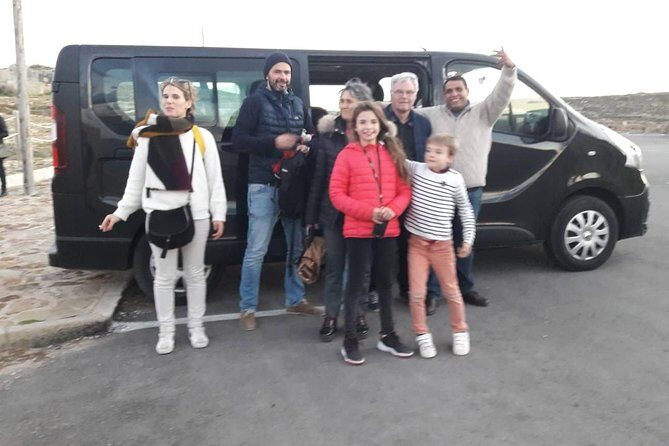
On the people side, you’re capped at 19 travelers. That size is usually comfortable for a day tour: it’s not a tiny private bubble, but it’s small enough for a guide to manage the group and keep everyone on track.
Carthage Archaeological Site: Byrsa Hill, Punic ports, and the Roman layer
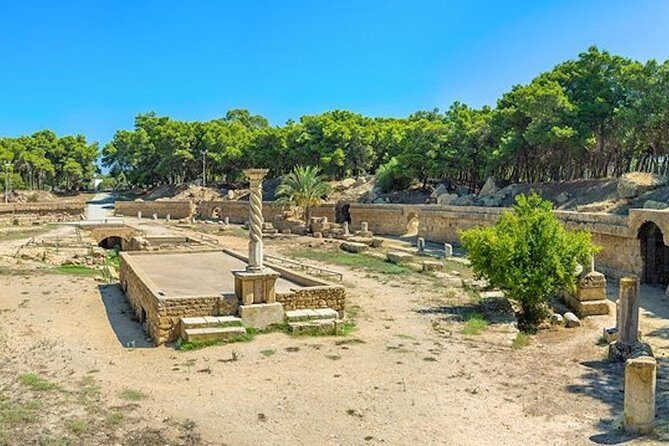
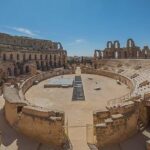
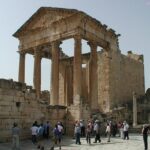
You begin at the Site Archeologique de Carthage with about 2 hours on the ground. This is your foundation stop. You’ll get guided context around the Phoenician empire, how the city functioned, and what to look for as you move between landmarks.
The time includes major highlights like:
- Byrsa Hill, often tied to the most dramatic historical associations in Carthage
- The Punic ports area, which helps you picture Carthage’s role as a maritime power
- The Baths of Antoninus area as part of the overall Roman presence
- A sense of how the city’s layout reflects its importance
What I like here is the “translation” effect. Carthage isn’t hard to visit, but it’s hard to understand without someone turning history into something you can point at. When guides such as Boutheina Derouiche or Mohamed are on the route, the stories land fast—so you’re not just looking at remains, you’re seeing why they’re important.
Drawback to consider: Carthage can cover more than one lifetime. Even with a great guide, you won’t see every corner the way a multi-day Carthage plan might. The goal here is a smart overview that gives you a mental map.
Baths of Antoninus and the aqueduct: the Roman tech you can still see
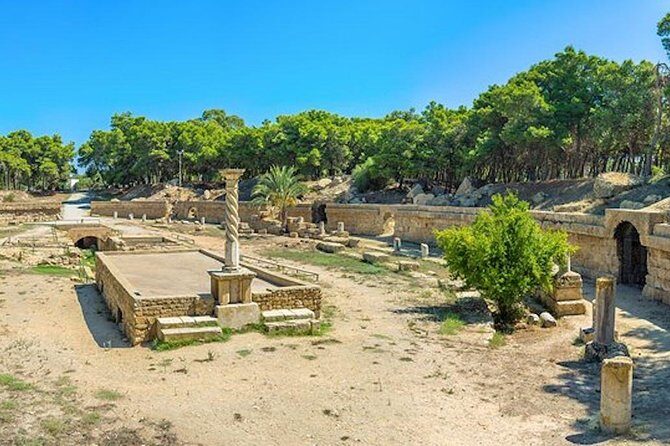
After the main Carthage walk, the tour targets two engineering-heavy stops that make Roman presence feel real.
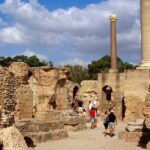
First up is the Baths of Antoninus, about 20 minutes with admission included. These are described as among the largest and best-preserved Roman baths complexes in North Africa. When you look closely, you can spot architectural scale—massive arches and the kind of communal space designed for daily life.
The point isn’t just Roman “cool factor.” Baths help you understand how Romans built routine: heating systems, courtyards, and shared social areas. Even on a time-limited day, this stop adds a layer that pure ruins sometimes miss.
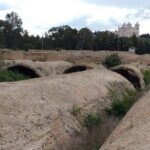
Then you get the Carthage aqueduct for about 20 minutes. You’ll hear how the Romans built it to transport water to the city, with stretches over 130 kilometers cited for the broader system. In practice, the best part is seeing a functional infrastructure that survived long enough to become a landmark.
If you like architecture and practical history, this is where the tour rewards you. It turns Carthage from a “wow, ruins” moment into a “how did they live and run the city?” moment.
Sidi Bou Said: blue streets, sea views, and the uphill tax
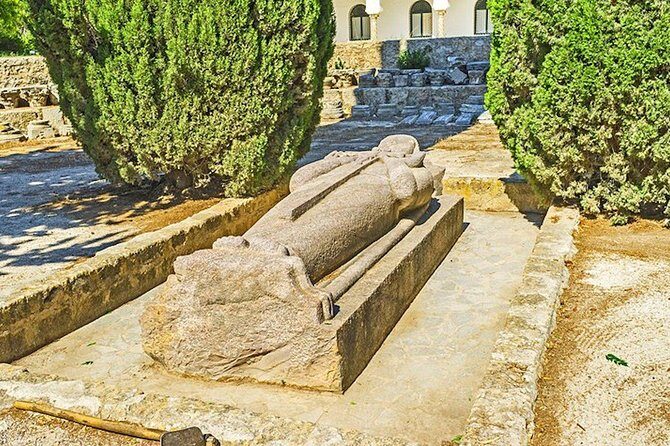
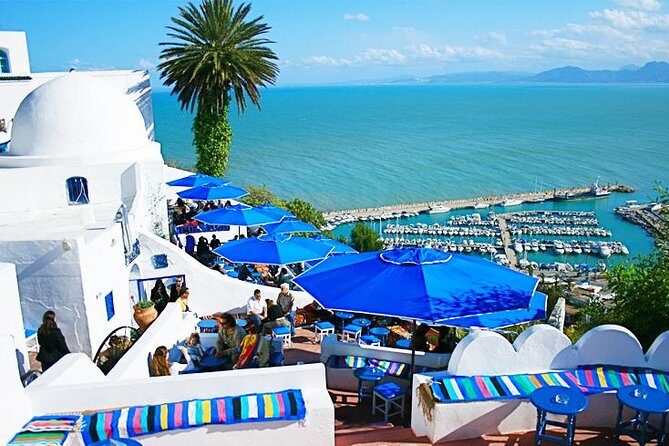
Next comes Sidi Bou Said for about an hour, with admission listed as free. This is the softer side of the day: blue-and-white streets, photo-friendly corners, and a Mediterranean view that makes you stop walking more than once.
The trade-off is physical. Expect uneven streets and some uphill sections. One review called out how Sidi Bou Said can be quite strenuous—so bring shoes that handle steps and slight inclines. If wind or dust kicks up, it can make the walk feel longer than it sounds on paper.
There’s also a short pass at Café des Délices (around 25 minutes) where you can grab tea or a drink and take photos. It’s a good moment to slow down, rehydrate, and reset before the museum and old city.

The Bardo Museum block: when you need a break from the outdoors
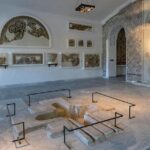
The National Bardo Museum takes about 2 hours, with admission included. This is a smart pairing with Carthage: you shift from outdoor ruins into curated artifacts and historical context.
One important reality check: museum hours can change day to day. If the museum is closed on your date, the tour may still keep your day moving with a full schedule. That flexibility came up in real experiences, so don’t assume the museum visit is guaranteed no matter what—just know the operator plans to work around problems when they happen.
If you’re the type who wants your history with objects you can see up close, the museum hour makes the whole day click. It also gives your legs a breather after Sidi Bou Said’s walking.
Bab Bhar and Zitouna Mosque: how to see old Tunis without getting lost
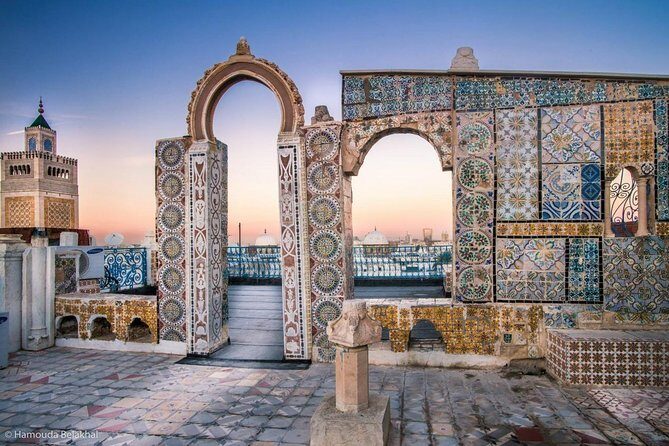
After the museum, you head into the old city world with stops that help you anchor what you’re seeing.
You pass Bab Bhar, a historical city gate tied to entry into the Medina of Tunis. It’s described as dating to the 16th century with Ottoman architectural elements. Even from the roadside, gates like this act as a threshold: you feel the transition from modern streets into the old layout.
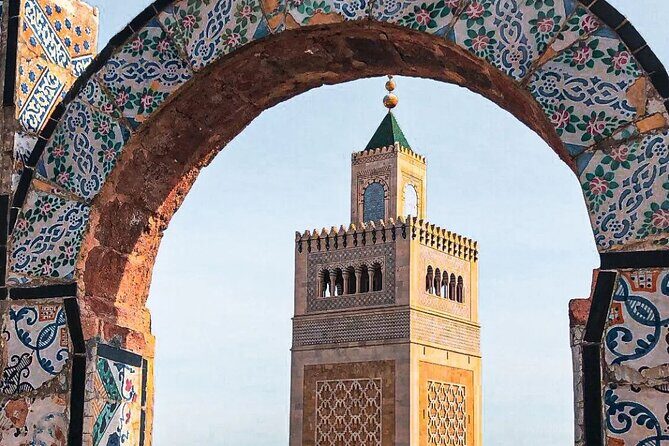
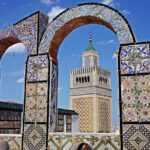
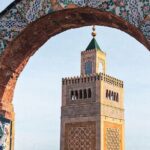
Then there’s Zitouna Mosque from the outside. Non-Muslims can’t enter, but the exterior is part of the experience. Muslims may enter to view the interior. Either way, seeing the façade from outside gives you a point of reference as you walk through the surrounding area.
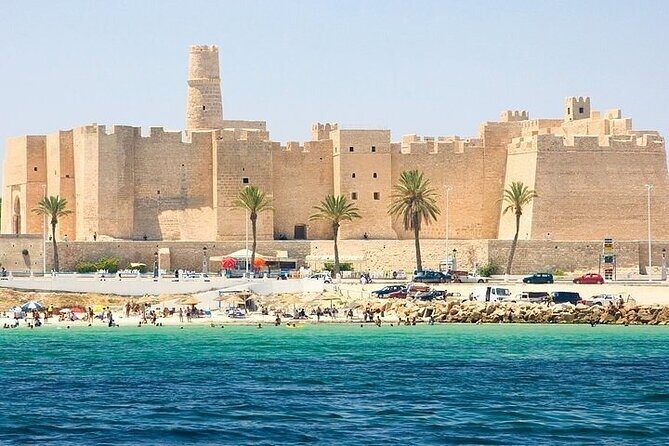
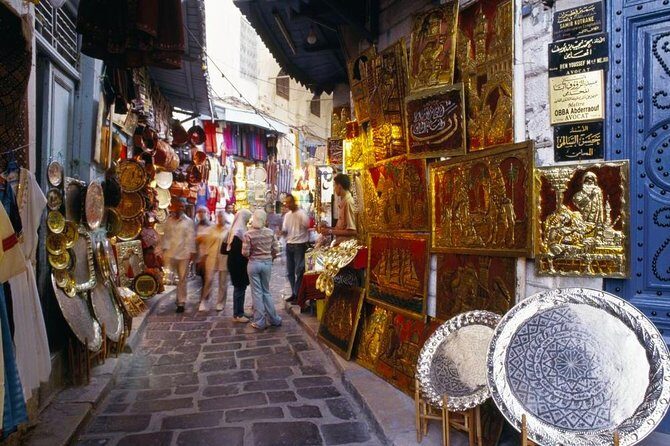
Finally, you get about 1 hour in the Medina of Tunis itself. The time is short, but it’s meaningful because you’re not walking randomly—you have context. You’ll get exposure to the souk-style feel, plus historic landmarks and the basic pattern of the Medina.
A practical note: if your day falls on Sunday, shopping can be limited in the souks. One experience mentioned that many stores were shut, which can reduce the “shopping” part of the Medina for that specific day. You’ll still see the Medina layout and feel, but don’t count on browsing like it’s always open.
Lunch expectations: included, but plan for real-world timing
Lunch is included, and the tour offers a vegetarian option if you request it at booking. That’s one of the best “value” points—food is often the hidden cost in day tours.
That said, you should calibrate expectations. At this price level, lunch won’t be a luxury fine-dining meal. One response linked the low price to a non-luxury restaurant reality. Still, multiple experiences described lunch as delicious, including mention of a fish lunch.
Timing can also vary. One report complained that lunch was disorganized and slow. Another praised lunch as great. So the most honest approach is: treat lunch as a perk, not a highlight you should plan around with strict timing.
Price and logistics: what $45 buys you in a day
At $45 per person for a 7 to 8 hour guided day, the value comes from three things working together:
- Transport with pickup and drop-off (so you aren’t managing multiple legs on your own)
- Entry fees included for the big ticket stops like Carthage and the National Bardo Museum
- A structured route that strings together Carthage, Sidi Bou Said, and the Medina in one day
If you tried to cobble this together independently, you’d likely spend money on taxis (or guided time) plus tickets you forget until you arrive. The tour bundles it and reduces friction.
Who should feel good about this price? First-time visitors who want the highlights. People who are time-limited. And anyone who wants history explained without spending half the day figuring out where to go next.
Who might feel it’s not for them? If you’re hoping for a leisurely day with minimal walking, or if you want deep Carthage coverage beyond a well-paced overview, this format may feel too tight.
The guide makes or breaks it: names that popped up for a reason
The tour’s strongest asset is the guide’s storytelling. Across the experiences, certain names show up with consistent praise—particularly Boutheina Derouiche, Mohamed, Luce, Bouhdid, and Younis. The common thread in the feedback is clear: the guide doesn’t just recite facts, they connect you to what you’re seeing.
You’ll also want to appreciate the driver. Reviews mentioned safe, efficient, and helpful driving, including support for a guest with a walker. In Tunis, where traffic and timing matter, the driver’s smooth handling affects the whole day.
One practical point from an experience: using a microphone in the van would help. If you’re hard of hearing, it’s worth asking the guide whether audio is easy for the group. Not a dealbreaker, but it’s a real comfort factor on a long day.
Should you book this Tunis Highlights tour?
Book it if:
- You want a first introduction to Tunis that hits Carthage, Bardo, Sidi Bou Said, and the Medina in one day
- You like guided history you can actually connect to the sights
- You appreciate included entry fees and pickup, especially if your time is short
Skip or rethink it if:
- You don’t do well with long outdoor days and uphill walking
- You want a deep, slow Carthage exploration with lots of time in each corner
- You’re going specifically for Medina shopping and your date might land on a day when souks are limited
My rule of thumb: this is a strong “best of Tunis” plan. It’s not trying to be a museum-only day or a Carthage-only deep study. If you want a smart, guided overview with practical logistics, it’s a good match.
FAQ
Is pickup included?
Hotel pickup and drop-off are included, and the tour includes transportation between stops by car.
How long is the tour?
It runs about 7 to 8 hours.
What time does the tour start?
The start time is listed as 8:00 am.
Are entry fees included?
Admission tickets are included for several key stops, including the Carthage archaeological site and the National Bardo Museum. Other stops like Sidi Bou Said and Café des Délices are listed as free.
What places do we visit in a single day?
You’ll see Carthage (including the archaeological site area), Baths of Antoninus, the Carthage aqueduct, Sidi Bou Said, the National Bardo Museum, Bab Bhar, Zitouna Mosque from the outside, and the Medina of Tunis.
Is lunch included, and can I request vegetarian?
Yes, lunch is included. A vegetarian option is available if you advise the operator at booking.
Can non-Muslims visit Zitouna Mosque?
Non-Muslims can’t enter Zitouna Mosque, but you’ll view it from the outside. Muslims may enter to see the interior.
Is this tour refundable if I cancel?
This experience is non-refundable and cannot be changed. If it’s canceled because a minimum number of travelers isn’t met, you’ll be offered a different date/experience or a full refund.