REVIEW · TUNIS
Historical Tour of Ancient Carthage
Book on Viator →Operated by Savor Tunisia Tourism & Services · Bookable on Viator
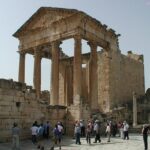
Carthage history comes fast and furious. In just about 3.5 hours, you’ll move through the major layers that shaped Northern Africa: Punic, Roman, and early Christian life in one compact route. What I really like is the mix of hands-on ruin time (with admissions included) and a guide who can connect the stories to what you’re actually seeing on the ground.
A bonus for planning: you get private group access and private transportation, so you’re not stuck waiting on strangers or figuring out the logistics. One thing to consider is that it’s a short tour covering several stops—there’s a lot to absorb—so if you prefer slow, museum-style wandering, you may want to pace your questions and take short breaks for photos and views.
In This Review
- Key highlights you should care about
- Carthage in 3.5 hours: why this route works
- Your guide matters more than you think
- Stop 1: Site Archéologique de Carthage and the Arena’s staying power
- Stop 2: Punic Ports & Museum—where power arrived by sea
- Stop 3: Tophet de Carthage and ancient religious practice
- Stop 4: La Basilique de Saint Cyprien with Mediterranean views
- Private transportation and a route that saves your energy
- Price and value: what you’re really paying for
- Who this tour is best for
- Practical tips so your visit feels smooth
- Should you book the Historical Tour of Ancient Carthage?
- FAQ
- How long is the Historical Tour of Ancient Carthage?
- What’s the price per person?
- Is pickup included?
- Is this a private tour or a shared group?
- Which sites are included in the tour?
- Are admission tickets included?
- What if the weather is bad?
Key highlights you should care about
- Roman Arena at the Site Archéologique de Carthage: See an arena that has held up well, plus the stories that make it make sense.
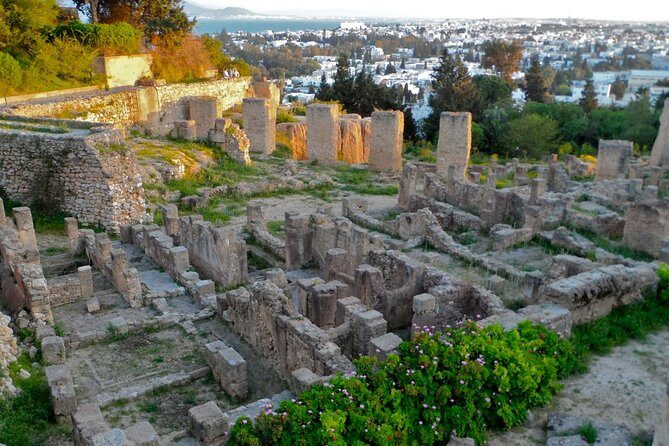
- Punic Ports & Museum ruins: Walk the port area tied to Carthage’s maritime power.
- Tophet de Carthage: Learn about the religious compound and what the Carthaginians practiced there.
- La Basilique de Saint Cyprien: Grab the Mediterranean views from ancient church ruins.
- Private format: Only your group, with expert guidance to connect the dots.
- Admissions included: Tickets for each stop are built into the tour price.
Carthage in 3.5 hours: why this route works
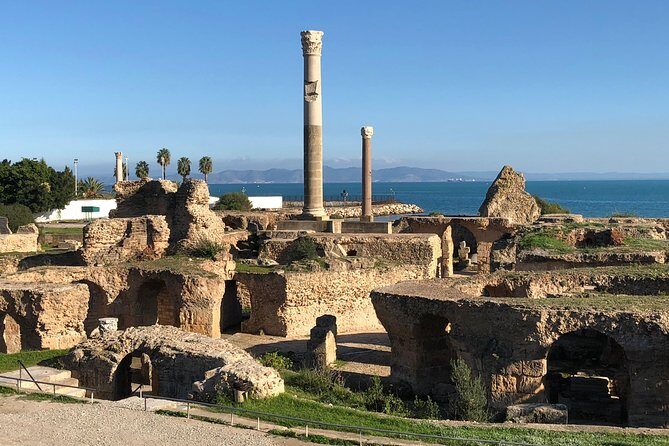
Carthage is one of those places where it’s easy to get lost in dates and names. This tour is built to keep you oriented. You don’t just see rocks—you get the storyline that links Punic seafarers, Roman builders, and early Christian sites into one continuous geography.
The timing is tight but realistic. You’ll spend focused stretches at each stop (with tickets included), then move efficiently by private transportation so you spend more time looking at the ground truth and less time hunting for how to get from A to B.
For the price—about $104 per person—the value mostly comes from the structure: admissions are included, you’re not paying extra to get in, and the guide work saves you the mental overhead of figuring out what you’re looking at. If you were to do this on your own, you’d likely spend time (and money) on entry tickets plus transportation, and you’d still miss the “what you’re seeing and why it matters” layer.
You can also read our reviews of more historical tours in Tunis

Your guide matters more than you think
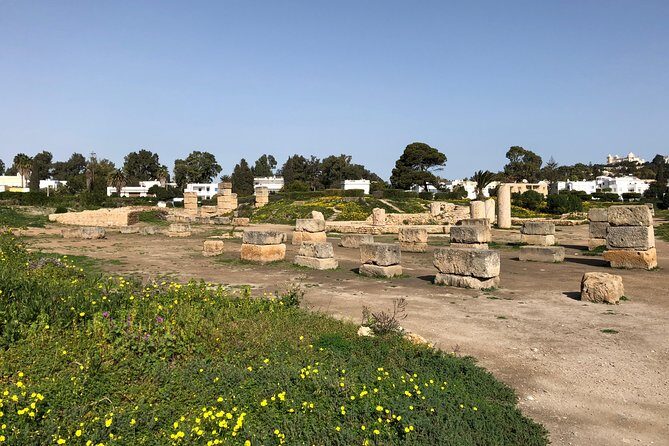
The best part of this kind of Carthage visit is the interpretation. The ruins are real, but the meaning can feel abstract unless someone explains it clearly and ties it to the bigger picture.
Many people specifically mention Tarek for making the sites click. The pattern in the feedback is consistent: more than reciting facts, he answers lots of questions and helps you connect the history to the landscape. There’s also a recurring shout-out to the driver Mohammed, which matters because the tour runs on a tight schedule and smooth transport helps everything feel effortless.
If you like asking why things were built, how places functioned, and what changed over time, a strong guide turns Carthage from a checklist into a story you can follow.
Stop 1: Site Archéologique de Carthage and the Arena’s staying power
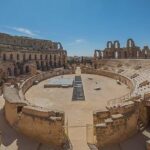
Your first stop is the Site Archéologique de Carthage, including the Arena of Carthage. This is a Roman arena that’s been well preserved, and that preservation is the whole point. Roman arenas are common across the empire, but the details get easier to understand when the structure is still there in a readable way.
You’ll get around 45 minutes here with an admission ticket included. That’s long enough to take in the setting and listen to the story of what the arena was for, without feeling rushed into the next location the second you arrive.
What to keep in mind: an arena site can be visually dramatic, but it’s still ruins. If you’re expecting a fully restored monument, your payoff comes from the guide’s context—how Romans used these spaces and how Carthage’s identity shifted under Roman rule. Plan for some walking on uneven ground.
Stop 2: Punic Ports & Museum—where power arrived by sea
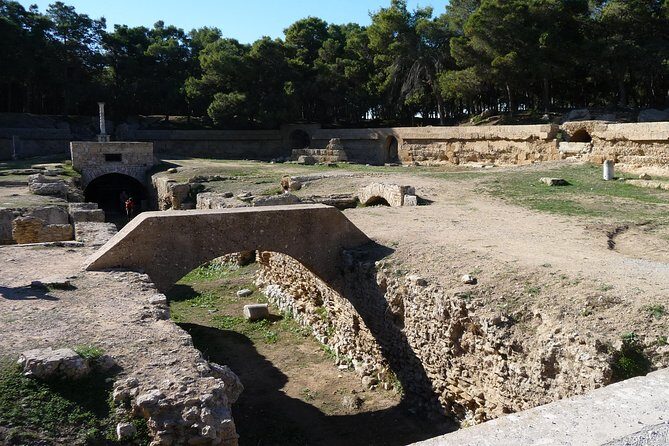
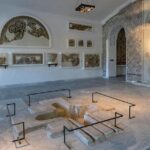
Next you head to the Punic Ports & Museum. This is the part that makes Carthage feel practical. This city wasn’t only about conquerors and kings. It was about movement of people, goods, and influence—especially by sea.
You’ll spend about 30 minutes at the port area, again with admission included. You’ll walk through the ruins linked to the Punic Port, and the guide focuses on what Carthage’s maritime life meant for the city’s rise.
The biggest value here is the shift in scale. Ports can feel like “just ruins” unless you picture the waterfront in action. With a local guide, you start seeing the site as an infrastructure system: where ships could be handled, how trade and contact mattered, and why this location shaped the city’s fortunes.
Possible drawback: because the time is shorter, you’ll want to prioritize questions that help you interpret the space—ask what you should notice first (layout, areas used, what was traded) so you don’t just skim the surface.
Stop 3: Tophet de Carthage and ancient religious practice
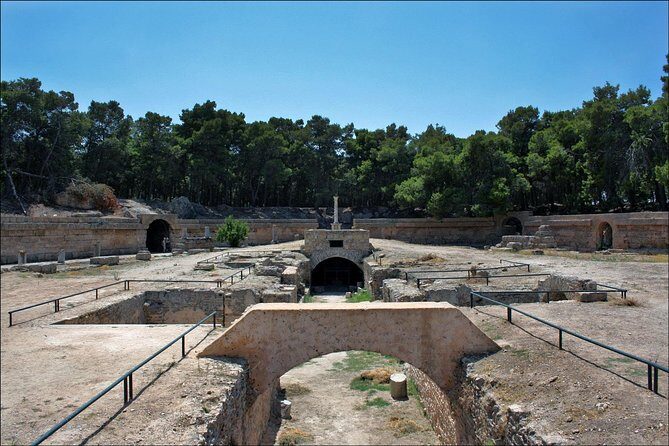
Then comes the Tophet de Carthage, including the Alter of Tophet and the surrounding religious compound. This stop is emotionally heavier than the others, and it needs explanation to avoid turning into vague “ancient mystery.”
You’ll have about 30 minutes here with admission included. The tour frames the site through the lens of Carthaginian religion and its practices, so you’re not left with only speculation.
What I like about including this stop is that Carthage isn’t just war and architecture. It’s daily beliefs, community rituals, and how a society explained life and loss. You also get a clearer understanding of why specific sites became central to identity.
A consideration: if you dislike learning about religious or ritual practices that are unsettling, this may feel like a lot. In that case, pace yourself, ask for context rather than graphic details, and give yourself a minute to step away if you need it.

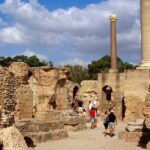
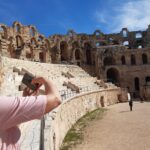
Stop 4: La Basilique de Saint Cyprien with Mediterranean views
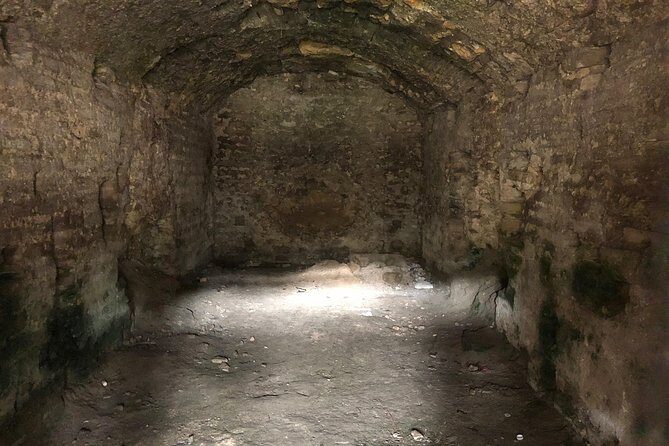
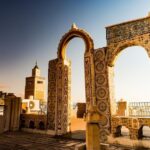
The final stop is La Basilique de Saint Cyprien. This is a mix of history and geography—the ruins sit with views over the Mediterranean, and that matters because early Christian sites weren’t isolated. They were part of a changing world where older beliefs gave way to new structures of faith.
You’ll spend about 30 minutes here, with admission included. The site is described as one of the oldest churches in North Africa, and the reason that’s useful is simple: it places Carthage in the broader story of how Christianity spread and took root in the region.
The payoff is twofold:
- You get a tangible sense of how buildings evolve over time.
- You end with a visual moment—looking out from the ruins makes the location feel alive instead of purely archaeological.
If you’re photographing, bring a plan: the view is a big part of the experience, so don’t spend the whole half hour only shooting from one angle. If you like wide shots, start there, then get close-up details after.
Private transportation and a route that saves your energy
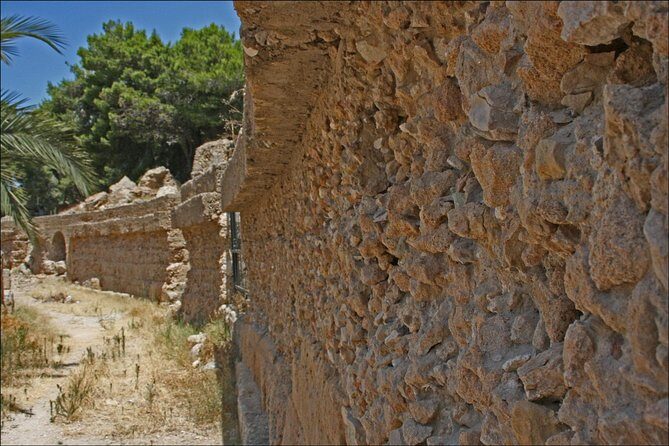
A big practical win here is private transportation, included in the price. Carthage sites can be spread out enough that self-guided travel starts to eat time. With this tour format, you keep your momentum: you arrive, you focus, you listen, you move.
The tour also functions like a small “on-ramp” for first-timers. You’re not trying to connect the dots using signage or guidebooks while you’re already tired from travel. Instead, the route is sequenced to keep the story moving.
Another practical point: the tour is a private experience restricted to your group. That matters if you’re visiting with family, friends, or even just want a calmer pace than typical group tours.
If you’re the kind of traveler who asks questions freely, a private format also helps you avoid feeling like you’re holding up a big crowd.
Price and value: what you’re really paying for
At $104 per person, this isn’t the cheapest way to see Carthage. But it’s also not trying to be a “grab-and-go” ticket. The value math looks like this:
- Admissions included at each stop (so you’re not paying extra entry fees).
- Expert guide interpretation, which is the main difference between seeing ruins and understanding them.
- Private transportation, which can be hard to manage efficiently on your own.
- A short, focused route that gets you multiple major sites in about 3 hours 30 minutes.
Where you’ll get the best return on your money: if you care about history beyond general vibes, and you want the sites explained clearly while you’re standing in front of them.
Where it might feel less worth it: if you already know a lot about Punic and Roman history and you mainly want independent time. In that case, you could potentially DIY and spend less—though you’d still be paying for transport and tickets.
Who this tour is best for
This experience is a strong match if you:
- Want a guided introduction to Carthage’s Punic, Roman, and early Christian layers.
- Prefer a structured route that doesn’t require planning every hop.
- Like learning from a guide who answers questions and helps everything connect.
It also works well for people who don’t want a full day. The tour’s length is a good compromise if you’re visiting Tunis for several stops and want Carthage without burning an entire day.
If you’re traveling with limited stamina, note that the stops include walking through archaeological grounds. “Most travelers can participate,” but you’ll still want to be comfortable moving at a moderate pace.
Practical tips so your visit feels smooth
You’ll likely enjoy this tour more if you come prepared to absorb a lot. Here are simple ways to make it easier:
- Wear comfortable shoes. These sites are outdoor ruins, and the ground can be uneven.
- Bring water and plan for heat. The tour is only part of a day, but you’ll still spend time outside.
- Bring a small list of questions. If you’re curious about Punic vs Roman changes, ask early so you get answers before the story gets too dense.
- If lunch matters, plan ahead for an optional meal afterward. The tour doesn’t include lunch, and you’ll want time to recharge.
Should you book the Historical Tour of Ancient Carthage?
I’d book this tour if you want a clear, guided route through Carthage’s most important sites and you value interpretation more than wandering. The combination of admission-included stops, private group format, and a guide like Tarek—praised for making the history click—turns the ruins into a real narrative.
Skip it or consider an alternative if you already know Carthage deeply and want maximum independent time, or if you strongly prefer a slower pace with fewer stops. This tour is designed for momentum, not leisurely drifting.
If you’re visiting Tunis and want Carthage to feel understandable fast, this is a smart way to do it.
FAQ
How long is the Historical Tour of Ancient Carthage?
It runs for about 3 hours 30 minutes (approx.).
What’s the price per person?
The tour costs $104.00 per person.
Is pickup included?
Yes, pickup is offered, and the tour also includes private transportation.
Is this a private tour or a shared group?
It’s private. Only your group participates.
Which sites are included in the tour?
You’ll visit Site Archéologique de Carthage (including the Arena of Carthage), Punic Ports & Museum, Tophet de Carthage, and La Basilique de Saint Cyprien.
Are admission tickets included?
Yes. Admission tickets are included for each stop.
What if the weather is bad?
The tour requires good weather. If it’s canceled due to poor weather, you’ll be offered a different date or a full refund.