REVIEW · TUNIS
Daytrip Carthage Sidi Bousaid Bardo and Tunis Medina
Book on Viator →Operated by Tunisia Guided Tours · Bookable on Viator
One day, three layers of Tunisia.
I love how this private route strings together UNESCO Tunis Medina plus UNESCO Carthage in the same day, so the story of Punic power, Roman ambition, and medieval city life lands fast. I also like that you’re not just dropped off—your guide shapes the pacing, and people specifically name guides like Ghassen and Sana for thoughtful explanations and smart photo stops. The main drawback to consider is timing: it’s a long day (about 7–8 hours), and the Bardo Museum is not visited on Mondays, so you’ll want to check your day of travel.
If you want northern Tunisia in one go, this tour is built for it. Carthage brings big-name ruins and museum time, then Sidi Bou Saïd gives you that iconic blue-and-white reset, and Tunis Medina keeps you moving through hammams, mosques, and covered souqs. My only caution is that you’ll do a decent amount of walking through historic streets, so moderate fitness helps.
In This Review
- Key things that make this tour worth your time
- A tight itinerary that actually tells a story
- Carthage Stop 1: Tophet and the uncomfortable questions
- Carthage Stop 2: Punic ports and how the navy stayed hidden
- Carthage Stop 3: Baths of Antoninus (Roman comfort, Punic ground underneath)
- Carthage Stop 4: The Carthage National Museum on Byrsa Hill
- Sidi Bou Saïd Stop 5: Blue-and-white architecture with sea views
- Medina of Tunis Stop 6: Souqs, doors, hammams, and mosques
- The National Bardo Museum Stop 7: when it’s open, don’t rush it
- Price and value: what you’re paying for at $162.60
- How to get the most out of a long, high-impact day
- Who this tour suits best
- Should you book this full-day UNESCO blitz?
- FAQ
- How long is the tour?
- Is pickup included?
- Is this tour private?
- What’s included in the price?
- Are tickets mobile?
- What happens on Mondays at the Bardo Museum?
- Is lunch included?
- What fitness level do I need?
- Are service animals allowed?
Key things that make this tour worth your time
- UNESCO Tunis Medina + UNESCO Carthage in one day: two heavy hitters without wasted transfers
- Sidi Bou Saïd’s cliff-top blue-and-white streets: short, sweet sightseeing with big views
- Hotel pickup in a private air-conditioned vehicle: less hassle, more sightseeing
- Carthage highlights that connect (Tophet → Ports → Baths/Museum) instead of random stops
- Guided museum time at Carthage and the National Bardo Museum (when open)
A tight itinerary that actually tells a story
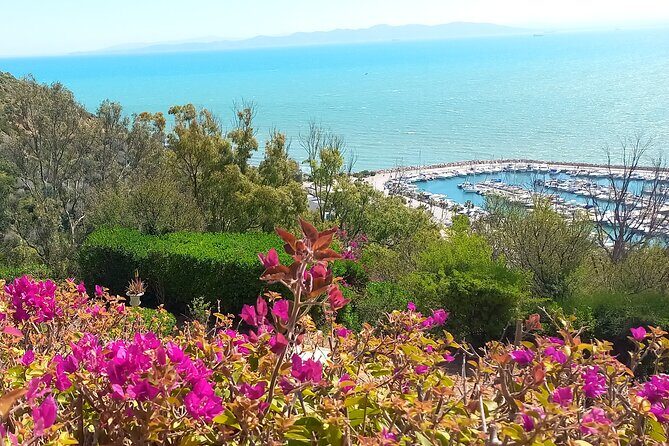
This is the kind of day-trip plan I like: it doesn’t treat each place as a separate postcard. It builds connections. You start in Carthage, where you’re looking at Punic life and Roman reuse of the same ground. Then you move to Sidi Bou Saïd, which is more about atmosphere and architecture than archaeology. Finally, you hit Tunis Medina and the Bardo Museum, where the city’s medieval texture and museum collections bring everything into sharper focus.
The tour is private, so you’re traveling as just your group (not squeezed into a moving crowd). That matters in places like the Medina, where lanes can feel narrow and turning around can cost time. And because this includes hotel pickup by air-conditioned private vehicle, you avoid the “where’s the bus, and is it late” drama.
You can also read our reviews of more tours and experiences in Tunis.
Carthage Stop 1: Tophet and the uncomfortable questions
Your first Carthage stop is Tophet de Carthage. This site is famous—and controversial. The key idea you’ll hear is that historians now consider that what was called Tophet may have functioned like a children’s cemetery. The tour description points to a ritual dedication involving Baal and the goddess Lady Tanit, linked to children who died in infancy.
What I find useful here is the way the site’s story evolved. Earlier accounts carried graphic ideas shaped by writers like Flaubert, but archaeological findings took time to be accepted alongside those older images. So you get more than a “horrific ancient ritual” headline—you get the shift between rumor, literature, and evidence. Even today, part of the area is still referred to as Tophet, which tells you how slow public understanding can be.
Practical note: the Tophet stop is short (about 20 minutes), so you’ll want your guide’s explanation to do most of the heavy lifting.
Carthage Stop 2: Punic ports and how the navy stayed hidden
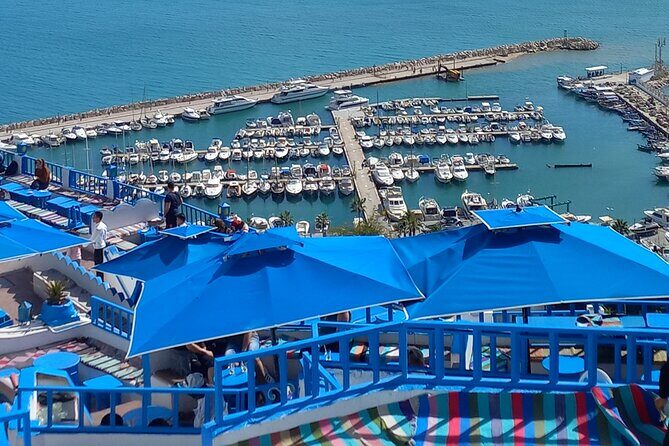
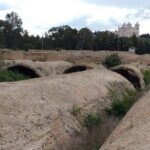
Next up is the Punic Ports & Museum area, where you’ll look at the layout behind Carthage’s power. The arrangement is the star: a narrow channel linked a southern merchant port (described as oblong) to a northern circular naval port.
The clever part is the separation. The military port was designed so it could be hidden from the outside, while the Carthaginian navy could still see out to sea. The description also emphasizes scale: moorings for around 220 vessels and the commercial port covering about 7 hectares, lined with quays and warehouses.
You’ll also learn about the afterlife of the site. When Carthage fell in 146 BC, the ports were filled in by Scipio. Then in the 2nd century AD, the Romans reimagined the area with a circular form on an islet.
This is one of those stops where the guide’s spoken map helps a lot. Even if you’re not an archaeology nerd, understanding the “why” behind the geometry makes the place feel real.
Carthage Stop 3: Baths of Antoninus (Roman comfort, Punic ground underneath)
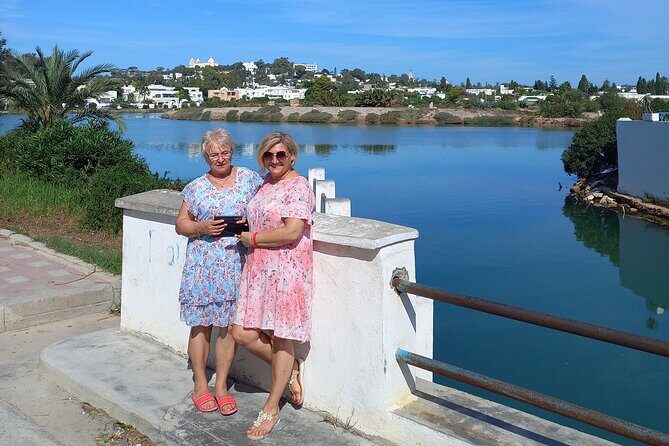
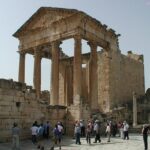
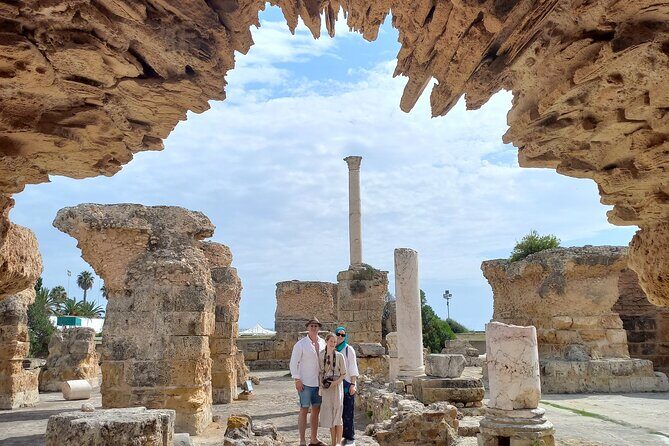
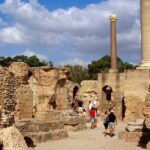
After the ports, you’ll visit the Baths of Antoninus, part of an archaeological park. These are Roman, built in the 2nd century, and they’re a reminder that empires reuse land—and leave behind their own version of everyday life.
This stop is about 45 minutes. The admission is listed as not included, so if you’re trying to keep costs predictable, this is the one moment to remember there may be an extra ticket depending on what your booking includes.
Carthage Stop 4: The Carthage National Museum on Byrsa Hill
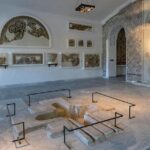
Then comes Carthage Museum, placed at the top of Byrsa Hill—the symbolic spot where the ancient Punic city was built. The tour description notes vestiges connected to the 2nd century BC, so you’re not just walking through a building; you’re up on the actual high point of the old city.
What I like about this museum stop is that it’s presented as a bridge. The guide can tie what you saw outside (ports, baths, sacred areas) to objects and archaeological discoveries that give you a fuller picture of Carthaginian life and the city’s turbulent history. The museum is also described as the oldest Tunisian museum, created in 1875.
Time is about 30 minutes, and admission is listed as included.

Sidi Bou Saïd Stop 5: Blue-and-white architecture with sea views
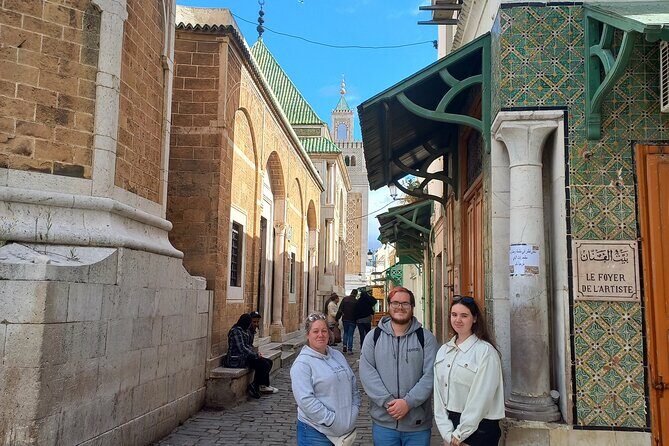
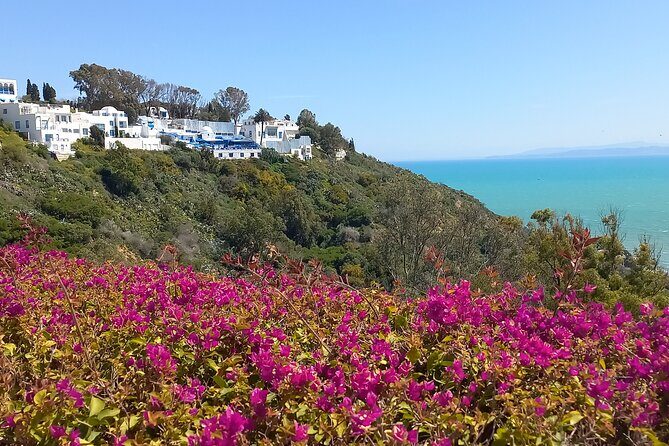
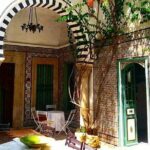
After Carthage, you’ll head to Sidi Bou Saïd—a cliff-top village that’s famous for its blue-and-white look, cobbled streets, and dramatic glimpses of the sea. The tour description highlights a mix of Ottoman and Andalusian influence, linked to the arrival of Spanish Muslims in the 16th century.
You’ll also hear why the village carries this name. It’s named after a 13th-century Sufi saint. And there’s a practical, less romantic explanation for why the village looks the way it does today: French interest in the village’s aesthetic led to conservation efforts, including protected status in 1915.
Sidi Bou Saïd is also designed for an easy pace: the stop is about 1 hour and admission is listed as free. That’s long enough to wander, find good photo angles, and take a break from the denser museum/ruins schedule.
Medina of Tunis Stop 6: Souqs, doors, hammams, and mosques
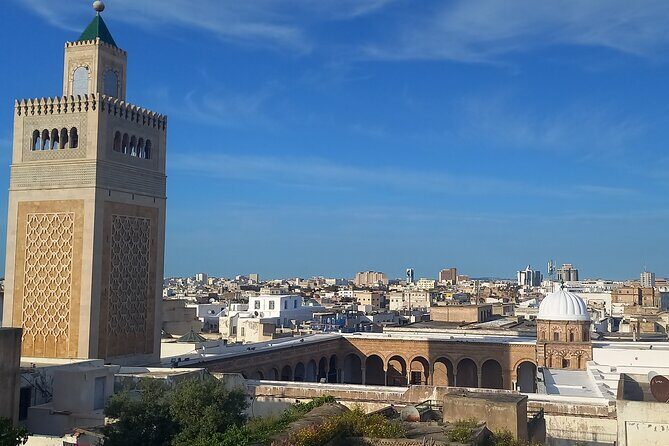
Then it’s into the Medina of Tunis, described as one of the impressive medieval medinas in North Africa. This part is where the day feels like a living city rather than a site-hopping checklist.
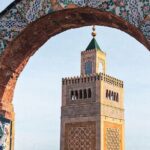
You’ll pass through covered souqs that sell everything from shoes to shisha pipes. You’ll also see cafes, back streets where artisans work, and residential areas punctuated by grand, brightly painted doorways. The tour description also calls out the range of religious and cultural buildings—palaces, hammams, mosques, and madrassas—often decorated with tiles, carved stucco, and marble columns.
This stop is about 1 hour 30 minutes, and admission is free. With a private guide, the main value here isn’t just the sights. It’s that you get help navigating what’s worth your time and what’s just a side lane. In the Medina, that can save you from wandering in circles and losing momentum before the museum leg.
The National Bardo Museum Stop 7: when it’s open, don’t rush it
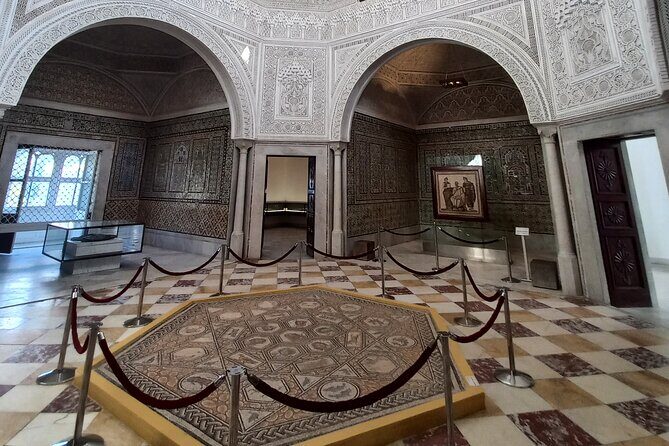
The day ends with a guided visit to the National Bardo Museum, one of the most important museums in Africa. The tour description emphasizes mosaics and the museum’s role in showcasing heritage from different civilizations along the Mediterranean.
Admission is listed as included, and the stop is about 1 hour—good for seeing the museum’s major strengths without turning your final hours into a marathon.
There’s one big scheduling detail you must know: On Mondays, the museum is closed, so you don’t visit it. If your travel dates land on Monday, ask your provider how the day is adjusted so you’re not left with extra gaps.
Price and value: what you’re paying for at $162.60
At $162.60 per person for a private, full-day plan, you’re mostly paying for three things:
- Transportation with pickup from Tunis or Hammamet in an air-conditioned vehicle, then back to your hotel.
- Guiding time across multiple historic zones, including museums.
- The structure of a day that strings together Carthage + Sidi Bou Saïd + the Medina + Bardo Museum.
It’s also priced as a private activity, and private days only feel pricey when you compare them to cheap group tours. But the trade-off here is that you’re able to move through complex areas with less friction. Group discounts are mentioned, so if you’re traveling with friends or family, it can become more of a bargain.
One more cost note: lunch isn’t described as included in the data, and it’s specifically called out that lunch is typically the only thing you’d plan separately.
How to get the most out of a long, high-impact day
This tour is built for people who like seeing a lot, but not at the expense of understanding. Your best move is to treat it like a guided sequence, not like a race between stops.
At Carthage, the time is tight. Tophet is short, ports are short, and the museum is short too. So if you want those places to “stick,” pick one theme to pay extra attention to: rituals and sacred space at Tophet, engineering and trade at the ports, or Roman adaptation at the baths.
At the Medina, give your feet a little patience. Historic streets can shift unexpectedly, and the day is already long. If you’re the kind of traveler who wants to sit down, use Sidi Bou Saïd as your decompression hour rather than trying to stop constantly later.
And at the Bardo Museum, don’t plan to see every single thing. The benefit is guided focus—especially on mosaics—so you leave knowing what you saw and why it matters.
Who this tour suits best
I think this tour is a strong match if you:
- Want UNESCO-level highlights without multiple separate day trips
- Like guided explanations that connect sites across eras
- Prefer private pacing in places like the Medina
- Are visiting for the first time and want a structured “big picture” day
It’s also a good fit if you’re traveling with someone who enjoys history but doesn’t want to spend the whole day buried in academic detail. The day keeps moving, but the guiding is designed to make the connections understandable.
Should you book this full-day UNESCO blitz?
I’d book it if you want a single-day hit of Carthage + Tunis Medina + Sidi Bou Saïd, and you value the convenience of hotel pickup plus a private guide. The itinerary is efficient, and the sites are chosen to tell a coherent story: Punic sacred space and power, Roman reinterpretation, then the medieval city and museum collections.
I’d hesitate only if you’re on Monday and the Bardo Museum is a major goal for you—because the museum visit won’t happen that day. Also, if long days and walking through historic areas feel like a deal-breaker, you may want a slower option.
If your schedule works and you like being guided through big landmarks, this is a solid way to make your Tunisia day feel focused instead of chaotic.
FAQ
How long is the tour?
The duration is listed as about 7 to 8 hours.
Is pickup included?
Yes. Pickup is offered from your hotel area in Tunis or Hammamet.
Is this tour private?
Yes. It’s a private tour/activity, and only your group participates.
What’s included in the price?
The price is $162.60 per person. Admission ticket info is listed per stop, including tickets at Tophet (included), Carthage Museum (included), and the Bardo Museum (included when open), while Baths of Antoninus is not included.
Are tickets mobile?
Yes, a mobile ticket is included.
What happens on Mondays at the Bardo Museum?
The National Bardo Museum is closed on Monday, so the tour notes that there is no Bardo visit that day.
Is lunch included?
Lunch isn’t described as included. It’s noted that all fees are included except lunch.
What fitness level do I need?
The tour notes a moderate physical fitness level.
Are service animals allowed?
Yes, service animals are allowed.