REVIEW · TUNISIA
Tour of the island of Djerba the island of Lotophages
Book on Viator →Operated by GTH voyages · Bookable on Viator
Djerba feels like a garden you can taste. This 5-hour island loop mixes Guellala pottery craft with Djerbahood street art for a side of Tunisia that goes far beyond the beach postcard. You also hit big landmarks like El Ghriba, plus a real look at day-to-day island life in Houmt Souk.
One heads-up: timing can get messy if pickup details are off, so make sure your hotel name is correct and your schedule is realistic. I’d also plan on paying extra for the crocodile park entry at the end.
In This Review
- Quick hits
- Entering Djerba: why this island feels different
- How this 5-hour route fits together (and why it’s smart)
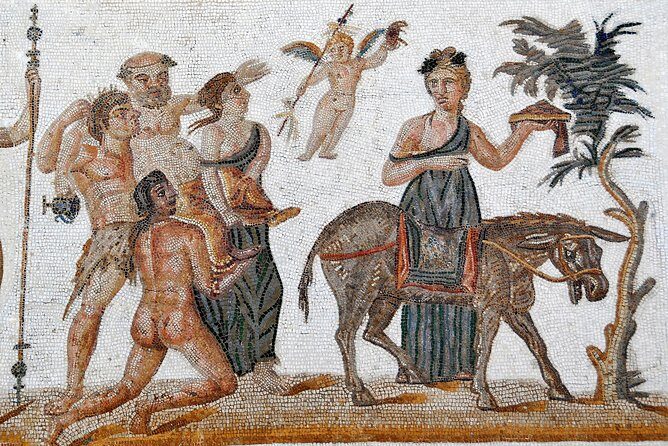
- Guellala and the Roman road photo stop: pottery, Berber life, and texture
- The extra museum option
- What to watch for
- El Ghriba synagogue: history, respect, and a calmer kind of awe
- Why this visit is valuable
- Djerbahood in Erriadh: street art that feels like community
- The practical angle
- Houmt Souk: markets, white facades, and a simple reality check about beaches
- Beach note (important)
- Park Djerba Explore and the crocodile pools: the unforgettable finale
- Entry is not included
- How to get the most out of it
- Lunch by the sea: the part that makes the day feel worth it
- Alcohol is not included
- Price and value: is $175.71 a good deal?
- A note on timing
- Who this tour suits best
- Quick tips so you have a smoother day
- Should you book this Djerba island tour?
- FAQ
- How long is the Djerba island tour?
- What does the tour cost per person?
- Are hotel pickup and mobile tickets included?
- Is lunch included?
- What about alcoholic drinks?
- Are admission tickets included for Guellala, El Ghriba, and Djerbahood?
- Is Park Djerba Explore admission included?
- Is this tour private or shared?
- What happens if weather is poor?
- Is free cancellation available?
Quick hits
- Guellala pottery in a Berber village, plus a Roman road photo stop to set the scene
- El Ghriba synagogue, described as the oldest synagogue of Africa, with an included visit time
- Djerbahood in Erriadh, an open-air street art village created by artists from many countries
- Houmt Souk’s market streets, lively shopping nearby the administrative center (but the beach is 10 km away)
- Park Djerba Explore crocodile pools, with 400 Nile crocodiles from Madagascar (entry not included)
- A very local seafood lunch, with a sea-view restaurant and friendly staff
Entering Djerba: why this island feels different
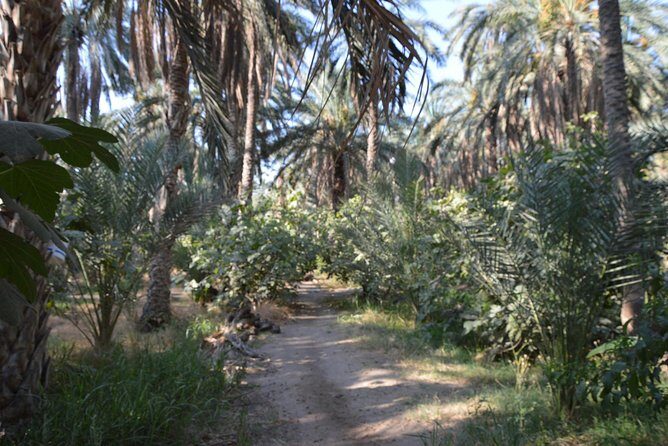
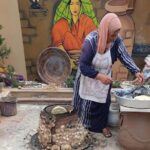
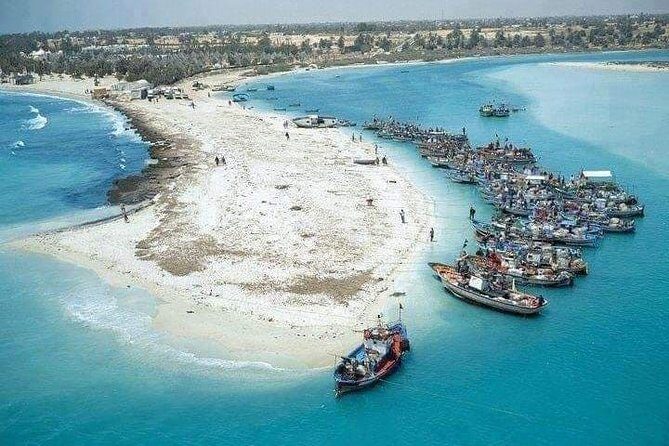
Djerba sits in southern Tunisia, and it shows. Even in a short day, you get that mix of palm shade, olive and fig trees, and sea air that makes the island feel more like a well-tended garden than a dry stop on a map. The best part is the variety: craft, faith, street art, markets, then something totally unexpected at the end.
This tour works well if you want a fast orientation. You’ll see multiple neighborhoods and types of places, not just one theme repeated five times. In other words, it’s a good way to understand Djerba before you decide what to explore next on your own.
You can also read our reviews of more tours and experiences in Tunisia.
How this 5-hour route fits together (and why it’s smart)
The day is built like a sampler: each stop has a clear purpose, and the timing is tight enough to feel efficient. You start with Guellala, head to the historic and spiritual stop at El Ghriba, then switch gears to modern creativity at Djerbahood in Erriadh. After that, you get Houmt Souk for a real-world look at island city life.
Then comes the finale: Park Djerba Explore and its crocodile pools. That contrast is deliberate, and it’s what makes the day memorable. You finish with a spectacle that’s very easy to talk about later, even if you’re not the kind of person who buys souvenirs.
Guellala and the Roman road photo stop: pottery, Berber life, and texture
You begin with a drive from your hotel and a stop along a Roman road for photos. It’s not a long archaeological tour, but it’s a nice way to get grounded in the island’s older layers before you meet the living crafts.
Next up is Guellala, a Berber village known for pottery. You’ll continue on to an old pottery workshop, where you can watch how traditional ceramics are made and used locally. Even if you don’t buy anything, this is one of the most satisfying stops because it’s hands-on with real local skill.
The extra museum option
There’s also time for the Museum of Arts and Life Djerbienne (noted as extra 1 hour, with admission ticket free). If you like context—how people lived, worked, and made art—this can help connect the pottery to daily life rather than treating it like a standalone craft.
What to watch for
Pottery visits can run at a slower pace if your group has questions. If you’re the type who loves details, plan to enjoy it. If you’re rushed, focus on photos and the workshop itself, then move with the group.

El Ghriba synagogue: history, respect, and a calmer kind of awe
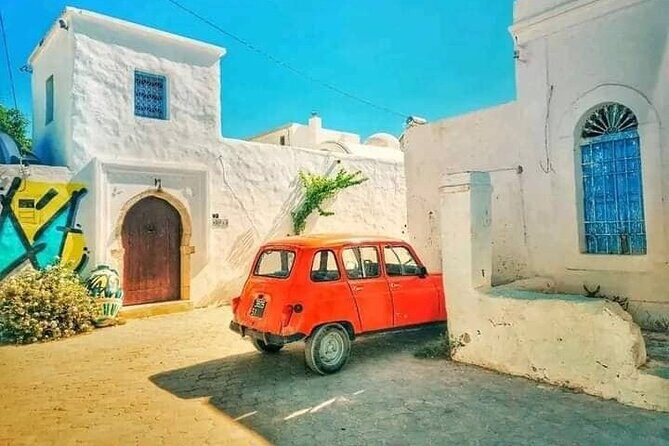
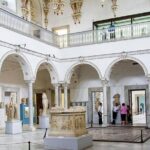
After Guellala, you travel onward to El Ghriba, described as the oldest synagogue of Africa. The stop is scheduled for about 1 hour, so it’s enough time to see the place without turning it into a race.
This is one of those stops where your attitude matters more than your camera. You’re stepping into a religious and historic site, so keep your tone calm and your movements steady. If your guide gives explanations, listen—this stop tends to land best when you understand what makes it significant on the island.
Why this visit is valuable
A lot of tours in Tunisia focus on ruins or beaches. El Ghriba adds something different: a living place of faith and identity. Even if you know very little about the topic before you arrive, a good guide can make it click fast.
Djerbahood in Erriadh: street art that feels like community
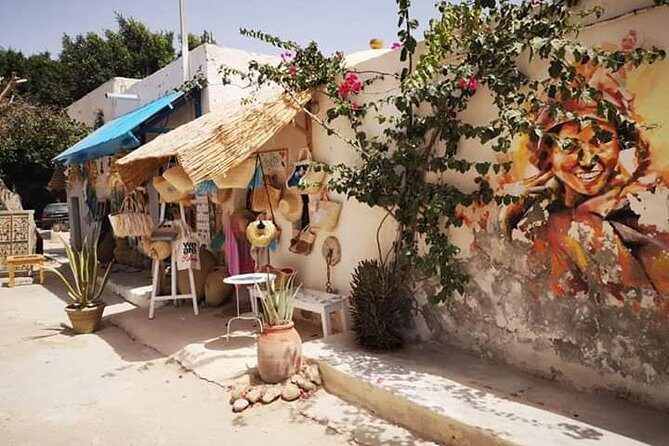
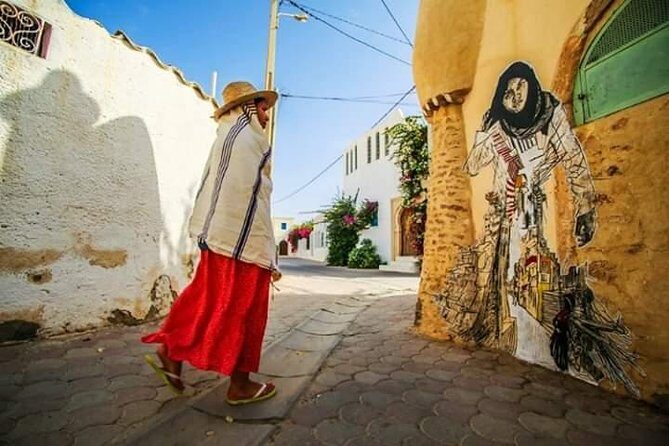
Then the day changes pace—big time. You head to Djerbahood, an open-air street art village in the area of Erriadh. This place isn’t a single mural wall. It’s a whole neighborhood transformed by artists.
The info highlights that in 2014, Erriadh hosted works by a hundred artists from more than thirty nationalities. That scale matters because it’s not just decorative. It’s a patchwork of styles and languages living on real streets, in an authentic setting.
You’ll get about 1 hour here, and that’s a good length. Long enough to wander and notice different themes. Short enough that you don’t feel trapped hunting for the perfect photo spot.
The practical angle
Street art villages can be disorienting without guidance, since the art is spread around rather than grouped in one museum. If you’re given concrete explanations, follow them. You’ll understand why certain pieces appear where they do, and that makes the walk feel smarter, not random.
Houmt Souk: markets, white facades, and a simple reality check about beaches
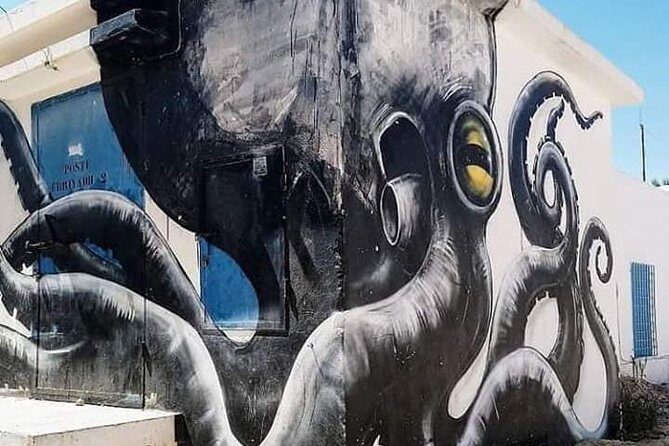
Next is Houmt Souk, the administrative center north of the island and, as described, one of the only truly “real” city areas on Djerba. You’ll stroll streets with white facades and greenery, then spend time in the souks, where stalls and colorful products make the area feel lively.
There’s about 1 hour allocated, so think of it as a taste of the city. You can browse, buy a small snack, and get a feel for what daily commerce looks like here. It’s a good contrast to the more planned feel of the earlier stops.
Beach note (important)
The tour info includes an easy-to-miss detail: the beach is about 10 km away. That means if your idea of a beach stop is sunbathing and swimming, this may not scratch that itch by itself. You’ll need a bus or taxi if you want the shoreline during a separate visit.
Park Djerba Explore and the crocodile pools: the unforgettable finale
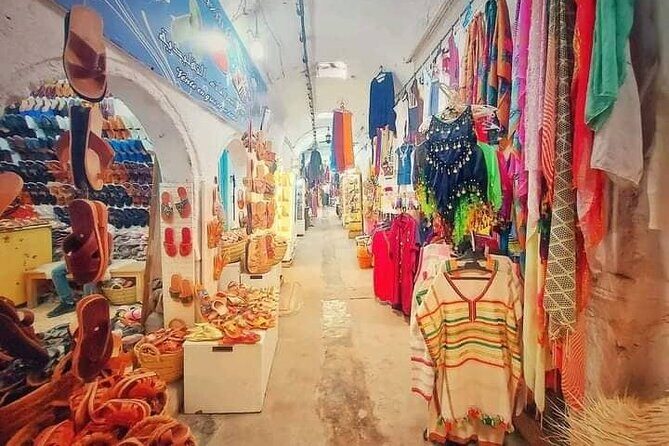
Finally, you arrive at Park Djerba Explore in the Midoun tourist zone, near the Taguermess lighthouse. The location is described as easy access from major hotels and roughly twenty kilometers from Houmt Souk, so it fits well at the end of a driving loop.
This is where the tour takes a turn into full spectacle. The standout attraction is the pools where you can see 400 Nile crocodiles brought from Madagascar. The description also notes these crocodiles can reach up to 7 meters for males and nearly a ton in weight for the biggest individuals.
Entry is not included
Park time is scheduled for about 2 hours, but the ticket is not included. That means you should expect an extra payment on site. If you’re traveling with tight budgets, this is the one part that can change your total cost more than you’d expect.
How to get the most out of it
If you care about animals, give yourself time to watch behavior, not just size. In places like this, the most interesting moments are usually the quieter ones: movement in the water, feeding routines if they’re happening during your visit, and how the park explains care and origin.
Lunch by the sea: the part that makes the day feel worth it

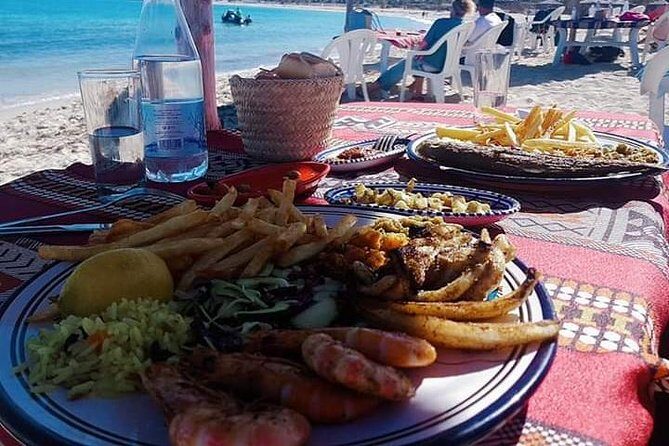
One of the best value ingredients here is lunch. The tour includes a meal at a local restaurant that’s described as very good, with a wonderful view down toward the sea. Expect fish and seafood, and you’ll likely find it one of the more relaxed parts of the day.
The staff is described as friendly and warm, and the food is specifically noted as excellent in the way fish dishes were handled and served. This kind of lunch is more than just fuel. It’s where the experience becomes comfortable and real, not just a series of stops.
Alcohol is not included
Alcoholic beverages aren’t included, so if you like wine or beer with lunch, plan on paying separately. Also, if you’re sensitive to spice or you have dietary needs, it’s smart to ask what’s planned before you order.
Price and value: is $175.71 a good deal?
At $175.71 per person for about 5 hours, the value comes down to what’s included and how efficiently the stops connect.
You get:
- pickup offered (so the day is easier without arranging transport)
- a private setup for your group only
- lunch at a local seafood restaurant
- visits where admission is listed as free for key stops like Guellala museum (noted as extra time), El Ghriba synagogue, and Djerbahood
- a long final attraction where entry is separate (Park Djerba Explore)
Then what’s not included:
- alcohol
- Park Djerba Explore admission
So you’re paying for a guided, timed route across multiple high-interest places, plus a sit-down lunch that would be annoying (and often more expensive) to coordinate alone. If you’re staying on Djerba and want one strong orientation day, this price usually makes sense.
A note on timing
One downside that shows up in feedback is schedule friction if details aren’t correct. In one case, a departure was pushed back and the group waited for updated information. You can’t always control traffic or weather, but you can control your accuracy. Provide your hotel name clearly when booking, and keep your day flexible.
Who this tour suits best
This tour fits best if you:
- want a high-coverage day without planning five separate outings
- enjoy both culture and oddball stops, like street art and crocodiles
- appreciate a guide who can explain what you’re seeing without turning it into a lecture
- want lunch handled for you, not hunted down at the last minute
It may feel less ideal if you’re only interested in beach time, because the final stop is an animal park, not the sea. Also, anyone who expects everything to be fully included financially should note that Park Djerba Explore entry is extra.
Quick tips so you have a smoother day
- Bring a hat and water. Djerba can be hot, especially if you’re out walking in markets or street art areas.
- Wear comfy shoes for Houmt Souk and the Djerbahood wandering.
- If you want the Museum of Arts and Life Djerbienne, be ready for the extra time that’s listed as an addition.
- For the crocodile park, keep a little spare cash or card buffer for the ticket you’ll pay separately.
- Double-check your hotel name for pickup. This is the kind of detail that can affect timing.
Should you book this Djerba island tour?
I’d book it if you want a single day that covers Djerba’s main personality traits: craft in Guellala, historic faith at El Ghriba, creative street art at Djerbahood, real-life shopping in Houmt Souk, and a closing chapter that’s pure wow factor at Park Djerba Explore.
Skip it (or pair it with other plans) if your top goal is pure beach time or if you dislike paying extra at the final attraction. Also, if your schedule is strict, plan for the day to be guided and structured rather than freeform.
If you’re traveling as a group and want one organized, private-feeling route with a local lunch, this is a strong way to use a morning well.
FAQ
How long is the Djerba island tour?
The tour is listed at about 5 hours.
What does the tour cost per person?
The price is $175.71 per person.
Are hotel pickup and mobile tickets included?
Pickup is offered, and a mobile ticket is provided.
Is lunch included?
Yes. Lunch is included at a local restaurant with fish and seafood, and a sea view is mentioned.
What about alcoholic drinks?
Alcoholic beverages are not included.
Are admission tickets included for Guellala, El Ghriba, and Djerbahood?
Yes. Admission is listed as free for the Museum of Arts and Life Djerbienne (extra time), El Ghriba synagogue, and Djerbahood.
Is Park Djerba Explore admission included?
No. Park Djerba Explore admission is not included.
Is this tour private or shared?
It’s a private tour/activity, and only your group participates.
What happens if weather is poor?
The experience requires good weather. If it’s canceled due to poor weather, you’ll be offered a different date or a full refund.
Is free cancellation available?
Yes. You can cancel up to 24 hours in advance for a full refund.