REVIEW · DJERBA
Octopus Rock Exploration – Certified Diver
Book on Viator →Operated by Club de Plongée La Sirène - Djerba Diving Center · Bookable on Viator
Octopus Rocks feels like underwater neighborhood life. At 16 meters, you get a focused look at octopus habitat and the small creatures that live around it. I also like the small-group feel and the guided flow, from document checks to a clear briefing. One consideration: the total outing is about 2 hours, so your underwater time is not meant to run long.
This is built for certified divers who want an easy-to-follow session rather than a complicated itinerary. The club running it, Club de Plongée La Sirène in Djerba, has a strong reputation for professional guidance and serious safety habits, with staff members like Youssef and Mhamed frequently mentioned by name.
As for what you’ll see, the site description points to lichens and corbs, plus curious groupers, hermit-bernards, and nudibranches. If you’re hoping for perfect visibility every time, keep expectations flexible since underwater conditions can change fast.
In This Review
- Key things to know before you go
- Octopus Rocks at 16 meters: what you’ll likely see down there
- The 8:30am rhythm in Djerba: documents, gear setup, briefing, then 15 minutes to the site
- Equipment included: what that means for value and comfort
- Instructor-led 16m exploration: who this fits best
- Marine life details: lichens, corbs, groupers, hermit-bernards, nudibranchs
- Price and logistics: does $75.49 feel fair?
- Small details that make the day feel professional
- Weather and pacing: plan around good conditions
- Beyond Octopus Rocks: why this club is worth a second look
- Should you book the Octopus Rock Exploration as a certified diver?
- FAQ
- Where do I meet for Octopus Rock Exploration in Djerba?
- What time does the experience start?
- How long is the exploration?
- How deep is the underwater site?
- Do I need to be a certified diver?
- What language level do I need?
- Is equipment included?
- Are photos or videos included?
- How big is the group?
- Do I need a mobile ticket?
- What happens if the weather is bad?
- What is the cancellation deadline?
Key things to know before you go
- 16m target depth with an instructor-led plan for certified divers
- Short access time of about 15 minutes to reach the site
- Equipment is included, so you’re not juggling rentals and logistics
- Small group size (max 10) for calmer pacing and more attention
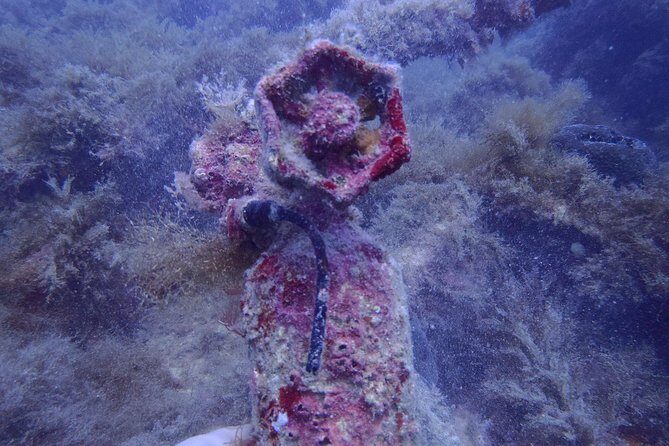
- Octopus Rock habitat with lichens, corbs, groupers, hermit-bernards, and nudibranches
Octopus Rocks at 16 meters: what you’ll likely see down there
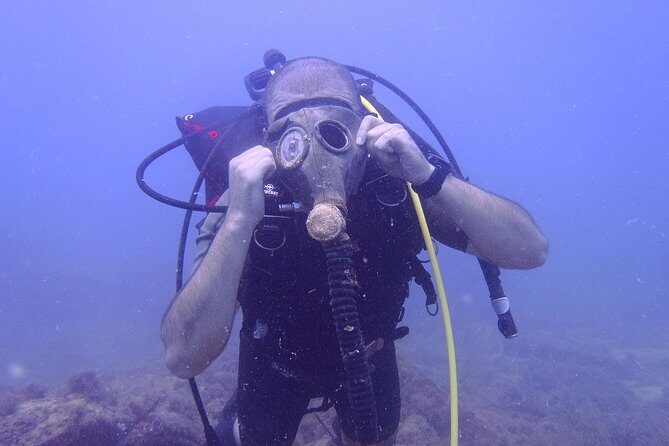
Octopus Rocks is not a “big spectacle” site. It’s more of a real-life habitat stop, the kind where you pay attention to what’s attached to the rocks and what’s moving in and out of hiding spots. You’re going to 16 meters, which is deep enough to feel like a proper underwater mission, but still a level that many divers can handle comfortably with the right briefing and buoyancy control.
The site’s listed fauna helps you set the right mental picture. You can expect lichens and corbs (rock-dwelling life), plus groupers that may act more curious than shy. You’re also likely to spot hermit-bernards and nudibranches. Nudibranchs in particular are the sort of animals that make you slow down and hover—small, delicate, and very easy to miss if you rush.
The biggest value of this kind of site is behavior. It’s not just about passing scenery. Your instructor’s job is to guide your eyes so you notice the octopus-related details the rock system supports, rather than turning the outing into a quick swim-through.
You can also read our reviews of more tours and experiences in Djerba.



The 8:30am rhythm in Djerba: documents, gear setup, briefing, then 15 minutes to the site
The schedule is simple and very “get moving” early in the day. Start time is 8:30 am, and you’ll meet at Club de Plongée La Sirène, near Plage Hotel Iris (4116), Tunisia. The session loops back to the same meeting point when it’s done.
Before anyone hits the water, there’s a standard sequence:
- verification documents
- equipment preparation with your instructor
- briefing
That matters more than it sounds. When you’re working at depth, a short, tight briefing reduces confusion and helps you settle your gear properly. It also gives your instructor a chance to set expectations about the water and the pace of the plan.
Then you move to the site. The description says it takes about 15 minutes to access the area. That time window usually keeps the outing focused, so you’re not spending half the day commuting while your best underwater hours slip away.
Equipment included: what that means for value and comfort
The tour includes equipment, which is a big practical win. It cuts out one of the most common pain points in scuba outings: showing up and realizing you still need to rent something essential, then losing time or fighting last-minute changes.
It also helps with budgeting. At $75.49 per person, you can treat the price as paying for the guided underwater exploration plus the standard gear package. The one thing not included is photos and videos, which means you’re responsible for your own camera plan if you want souvenirs.
Your comfort depends on how you arrive. Since you’ll handle document checks and then get geared up with your instructor, I’d plan to arrive rested and on time, with swimwear ready underneath whatever you’re wearing. The more calm you are before you start, the easier the briefing and setup become.
Instructor-led 16m exploration: who this fits best
This experience is listed as Certified Diver and also described as accessible from a Level 1 person. In plain terms: it’s not marketed as an advanced technical challenge. If you’re a newer certified diver, or you’re coming back after time away, an instructor-led format at 16 meters can be a sensible way to build confidence with structure.
That said, “Level 1” doesn’t remove the need for basic competence. At 16 meters, you still need good buoyancy habits and a steady descent/ascent plan. If you tend to rush, freeze up, or struggle with trim, do yourself a favor and make sure your breathing and buoyancy are under control before you commit to the full session.
The club’s wider track record is part of why this feels like a safe bet. Reviews from the same operator’s training world repeatedly emphasize organized days, professional support, and safety as a priority. Names that come up often include Waël (noted for excellent support during a first-level experience) and Wadia (also named in recommendations). Other team members frequently mentioned include Wassim and Youssef. You won’t always get the same instructor, but the consistency of praise is a good sign that the club runs a tight operation.
Marine life details: lichens, corbs, groupers, hermit-bernards, nudibranchs
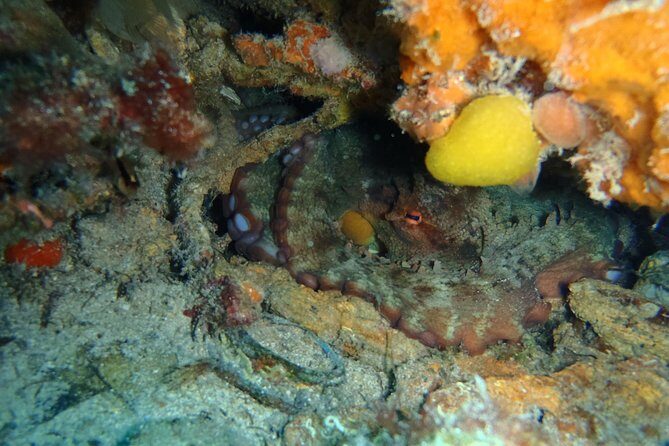
This site is described with a specific “life list,” and that list is useful. It tells you what to focus on while you hover, turn slowly, and scan around the rock surfaces.
Here’s how I’d read those animals:
- Lichens and corbs: look for texture and slow movement on surfaces, not just open-water swimmers
- Groupers: expect the chance of a more interactive encounter, especially when you move calmly and don’t swarm
- Hermit-bernards: usually reward patient scanning and gentle control, since they can be tucked away
- Nudibranches: small, colorful, and easy to miss unless you’re ready to pause
The practical tip is tempo. If you move like you’re on a checklist, you’ll miss the best moments. If you move like you’re searching—slow turns, brief hovering, and a look at both the rock face and nearby sand edges—you stand a better chance of collecting memorable sightings.
Also: don’t assume every outing will feel identical. Underwater conditions can vary, and one review noted that visibility wasn’t great on a different trip with the same club. That’s a reminder to treat “sea life sightings” as a probability game, not a guarantee.




Price and logistics: does $75.49 feel fair?
At $75.49 per person with equipment included and an instructor-led plan, the value mostly comes down to what’s included in that two-hour window. You’re paying for:
- equipment
- instructor guidance
- a structured briefing and document verification process
- the actual underwater exploration at the listed depth
What’s not included is also clear: photos and videos. If you want visual proof, plan to bring your own camera setup. If you don’t care about that, you can keep it simple and just bring yourself.
The small group size helps justify the price too. With a maximum of 10 travelers, the day is less likely to feel like an assembly line. That often translates into smoother gear checks, less waiting around, and more attention during the exploration.
You’ll also start at 8:30 am and likely spend time setting up before reaching the site. So even though the total duration is about 2 hours, it’s not just “time underwater.” It’s a guided session with prep and briefing baked in.
Small details that make the day feel professional
You can learn a lot from how a club runs the non-glamorous parts: paperwork, timing, gear, and communication. In the reviews for Club de Plongée La Sirène, the consistent themes are organized operations, friendly teamwork, and professional instruction.
A few praised points that connect to what you’ll experience on an octopus-habitat outing:
- Constant support and guidance throughout multi-day plans (mentioned in longer stays at the club)
- Safety as a priority, not an afterthought
- Friendly communication that feels easy to navigate
- Well-maintained gear, including notes about newer equipment and good maintenance
There’s also a “family business” vibe in the feedback, which tends to mean less pressure and more patience. That matters when you’re adjusting to a new instructor’s style or you’re still getting comfortable with depth.
If there’s a drawback to watch for, it’s not about equipment quality. One complaint mentioned that time underwater felt short on a different training experience, especially considering what was paid for that specific service. For your octopus outing, you should assume the format is efficient and structured to fit within the two-hour total runtime.
Weather and pacing: plan around good conditions
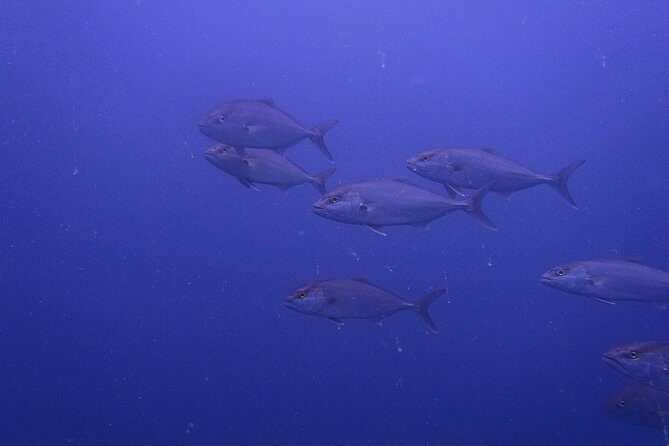
This experience explicitly requires good weather. If conditions are poor, you’ll be offered a different date or a full refund. That’s actually the right approach for a site like this—conditions affect stability, access time, and safety.
So build in flexibility. Since the start time is 8:30 am, you also want to be ready early, not rushing out the door. If you’re staying in Djerba specifically for underwater time, it can be smart to schedule this around your most flexible morning.
Beyond Octopus Rocks: why this club is worth a second look
Even if your main goal is octopus rocks, the club’s wider offerings can help you decide whether they’ll be the right operator for your whole trip. Reviews mention wreck experiences and WWII-era sites, including an outing at around -27 meters on a shipwreck called Séguia, plus other wreck names like Ricardo and haj mokhtar.
That matters because it suggests two things:
- the club has range (not only one type of site)
- they can handle different conditions and goals, from learning to more advanced exploration
If you finish your octopus rocks session and you’re hungry for more, that context is a real advantage.
Should you book the Octopus Rock Exploration as a certified diver?
I’d book it if you want a guided, habitat-focused underwater experience rather than a long, wandering open-water session. The small group size, equipment included, and a planned approach to reaching the site in about 15 minutes all point to a day that runs smoothly.
Skip it or think twice if you’re the type who needs huge bottom time to feel like you got your money’s worth, since the total outing is about 2 hours. Also, if you’re traveling with no flexibility at all, weather dependence is a factor—this one can shift due to conditions.
If you care about seeing small marine life like nudibranches and want the chance of curious groupers around an octopus habitat, this is a smart pick. And if you like organized, safety-first instruction from a team that gets strong praise, you’re choosing an operator with a strong track record in Djerba.
FAQ
Where do I meet for Octopus Rock Exploration in Djerba?
You meet at Club de Plongée La Sirène – Djerba Diving Center / PADI 5 StarDive center area, near Plage Hotel Iris (4116), Tunisia. The activity ends back at the same meeting point.
What time does the experience start?
The start time is 8:30 am.
How long is the exploration?
It lasts about 2 hours (approx.).
How deep is the underwater site?
The octopus rocks site is explored at around 16 meters deep.
Do I need to be a certified diver?
Yes. This experience is listed for Certified Diver participants.
What language level do I need?
The provided info does not specify a language level requirement, but the booking confirmation and briefing are handled by the operator.
Is equipment included?
Yes. Equipment is included.
Are photos or videos included?
No. Photos and videos are not included.
How big is the group?
The maximum group size is 10 travelers.
Do I need a mobile ticket?
Yes. The tour includes a mobile ticket.
What happens if the weather is bad?
The experience requires good weather. If it’s canceled due to poor weather, you’ll be offered a different date or a full refund.
What is the cancellation deadline?
You can cancel up to 24 hours in advance for a full refund. If you cancel less than 24 hours before the start time, the amount paid is not refunded.